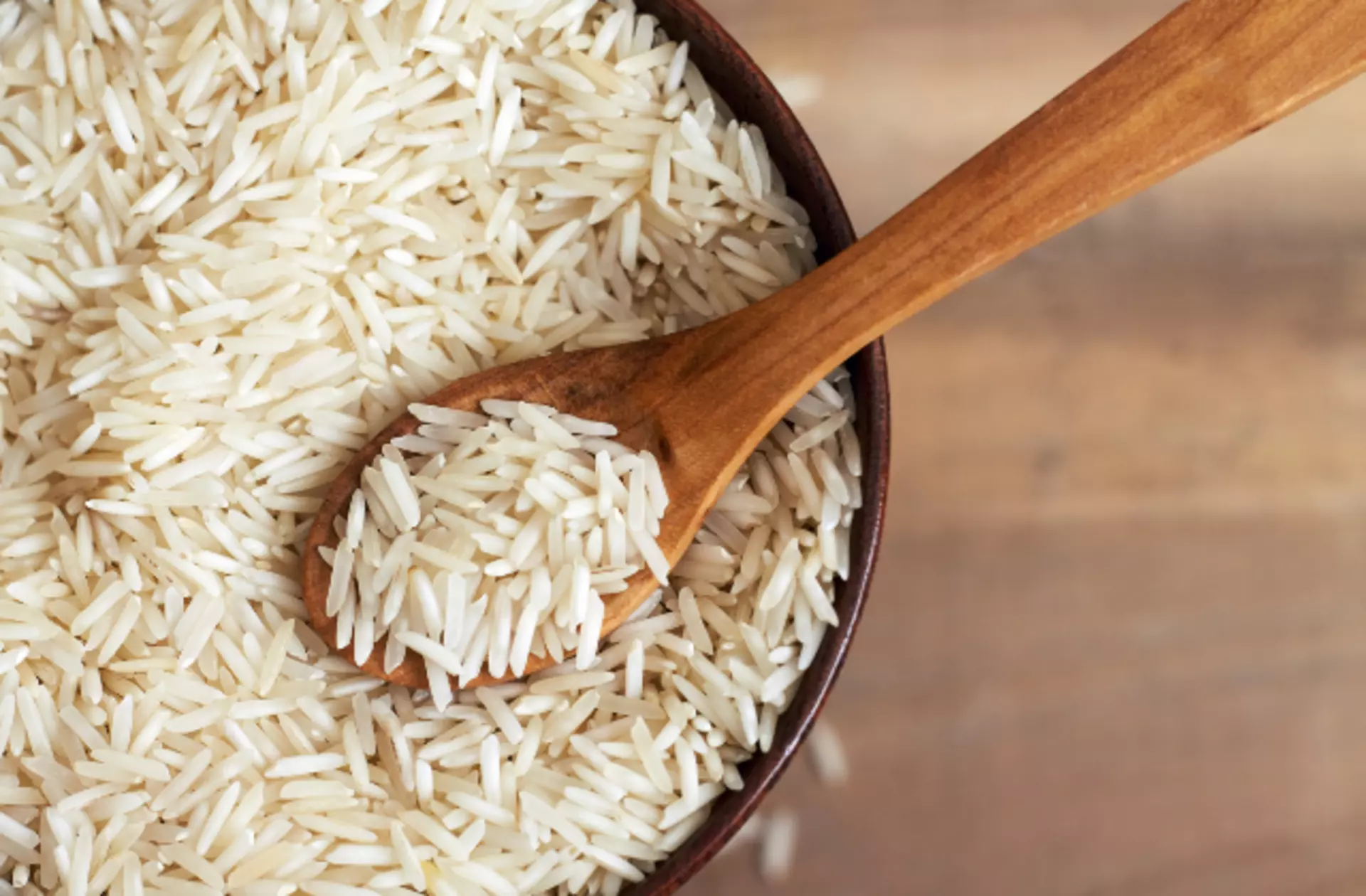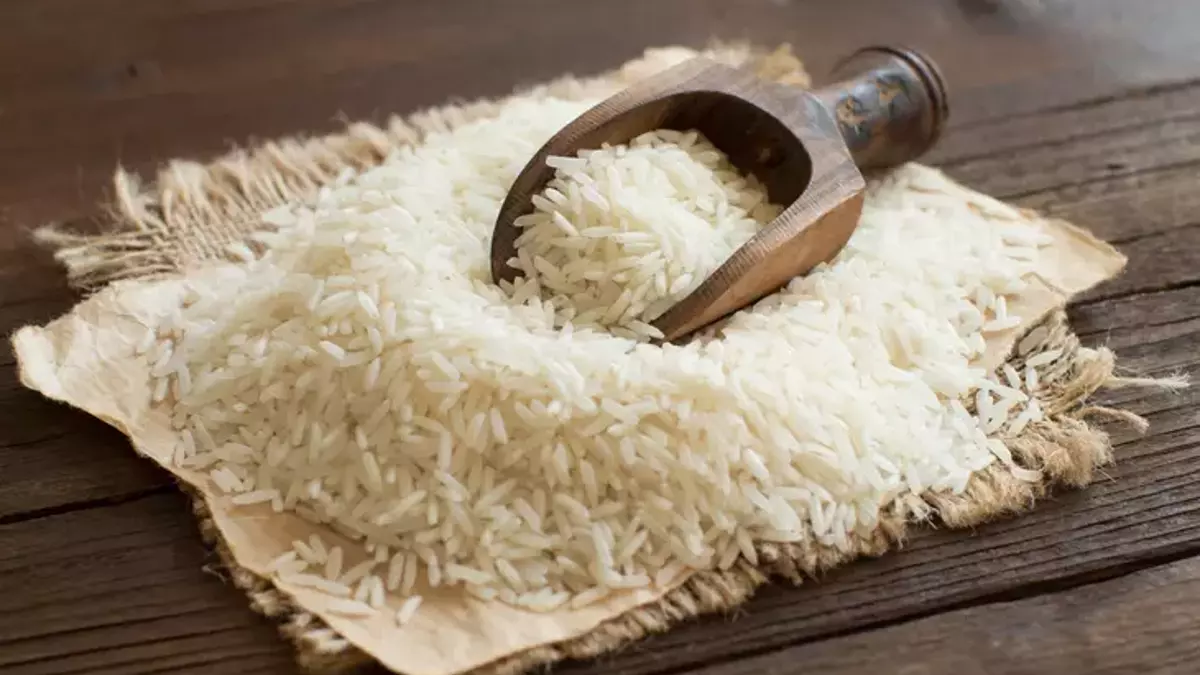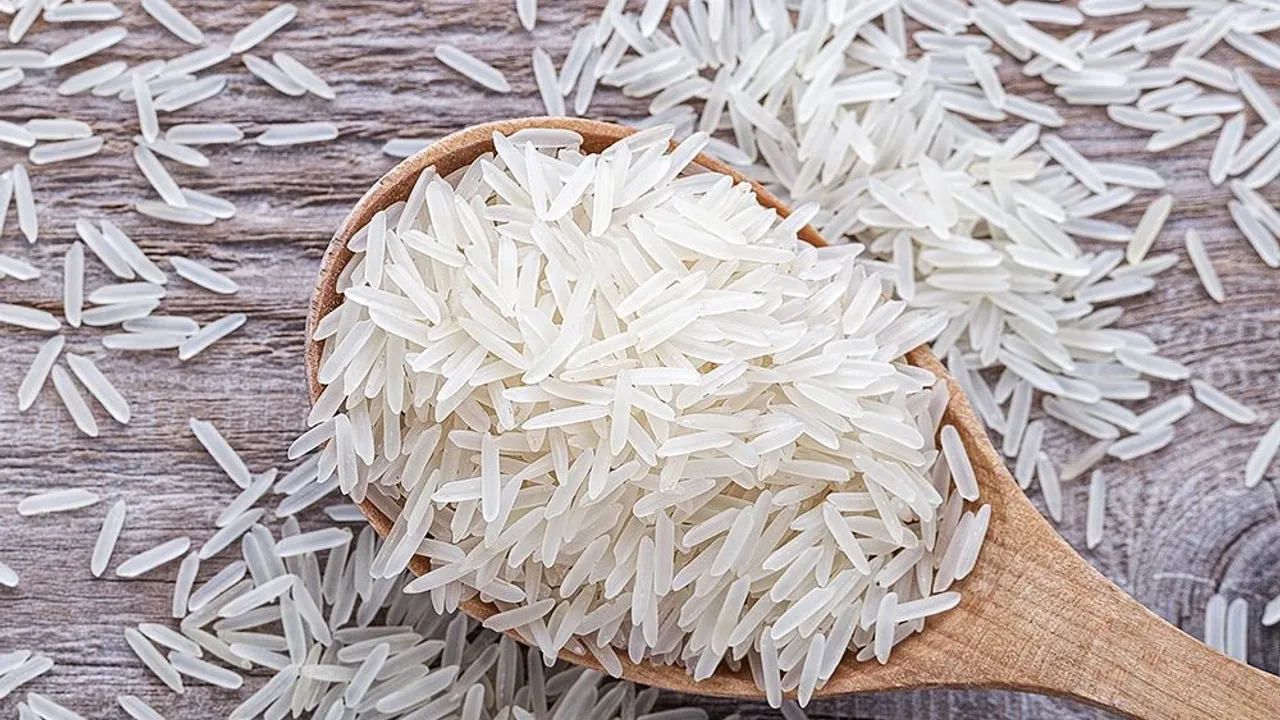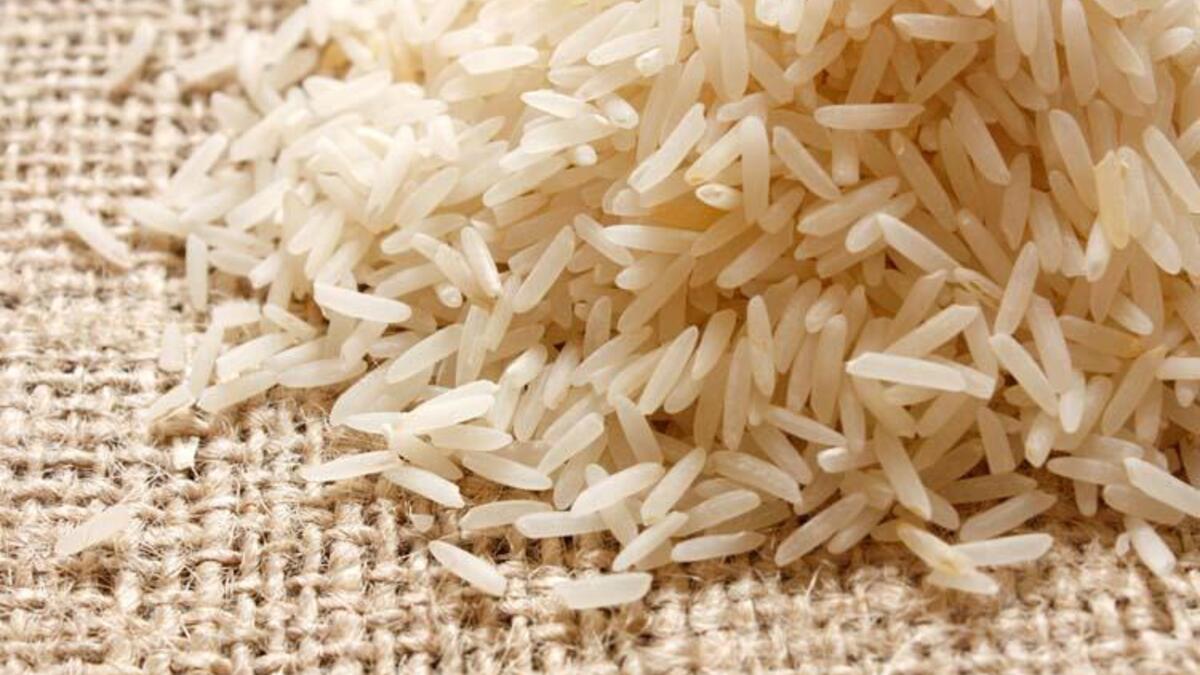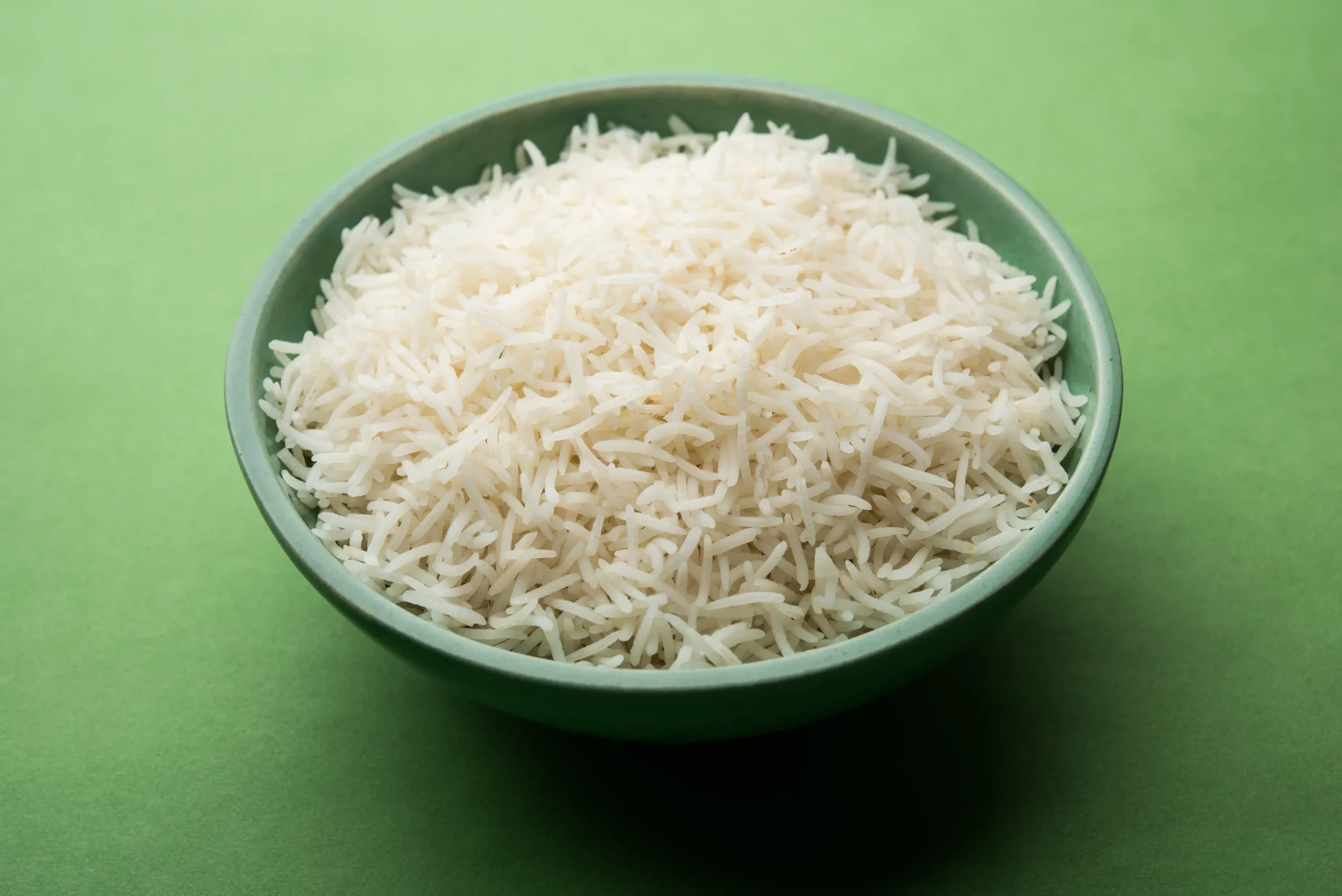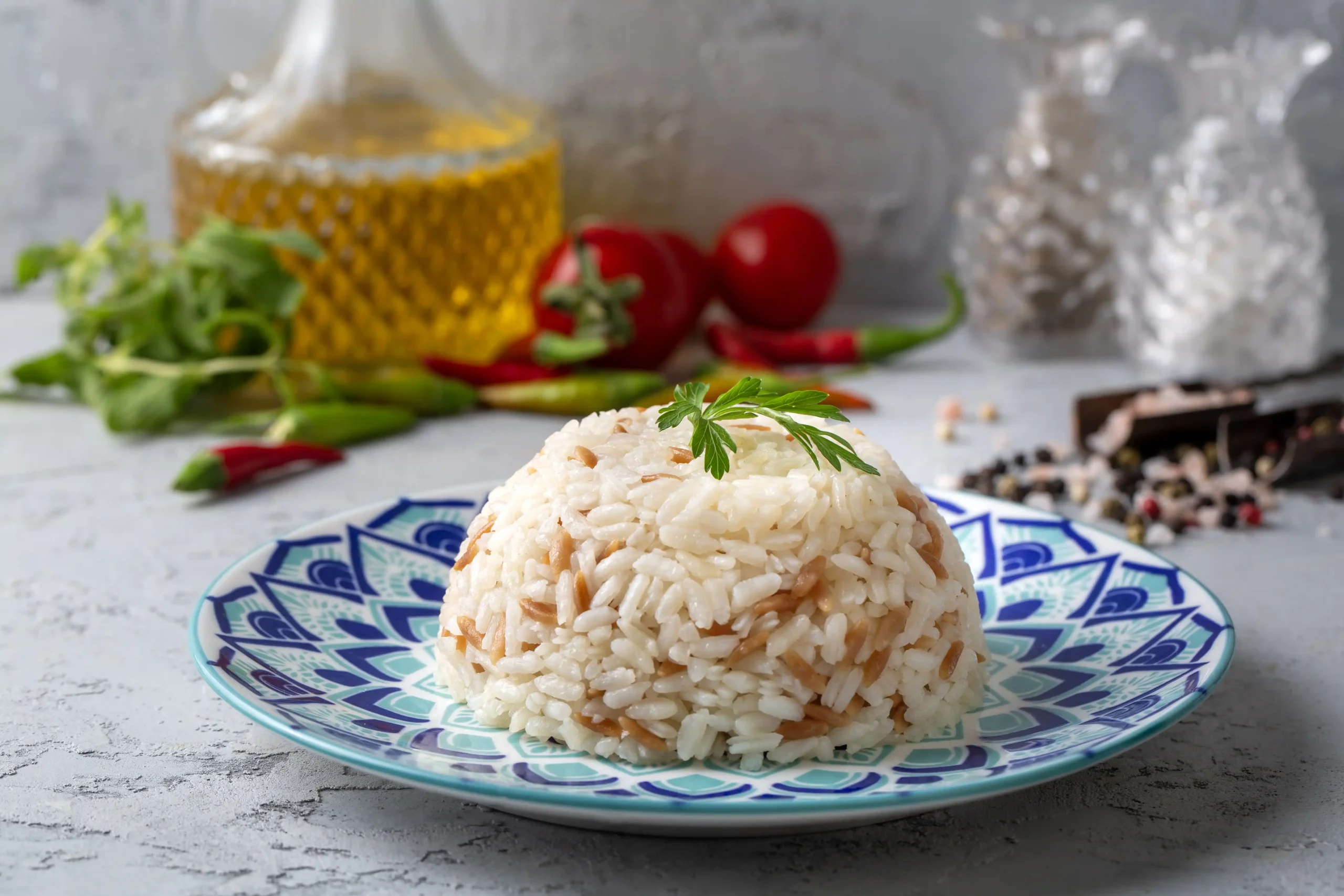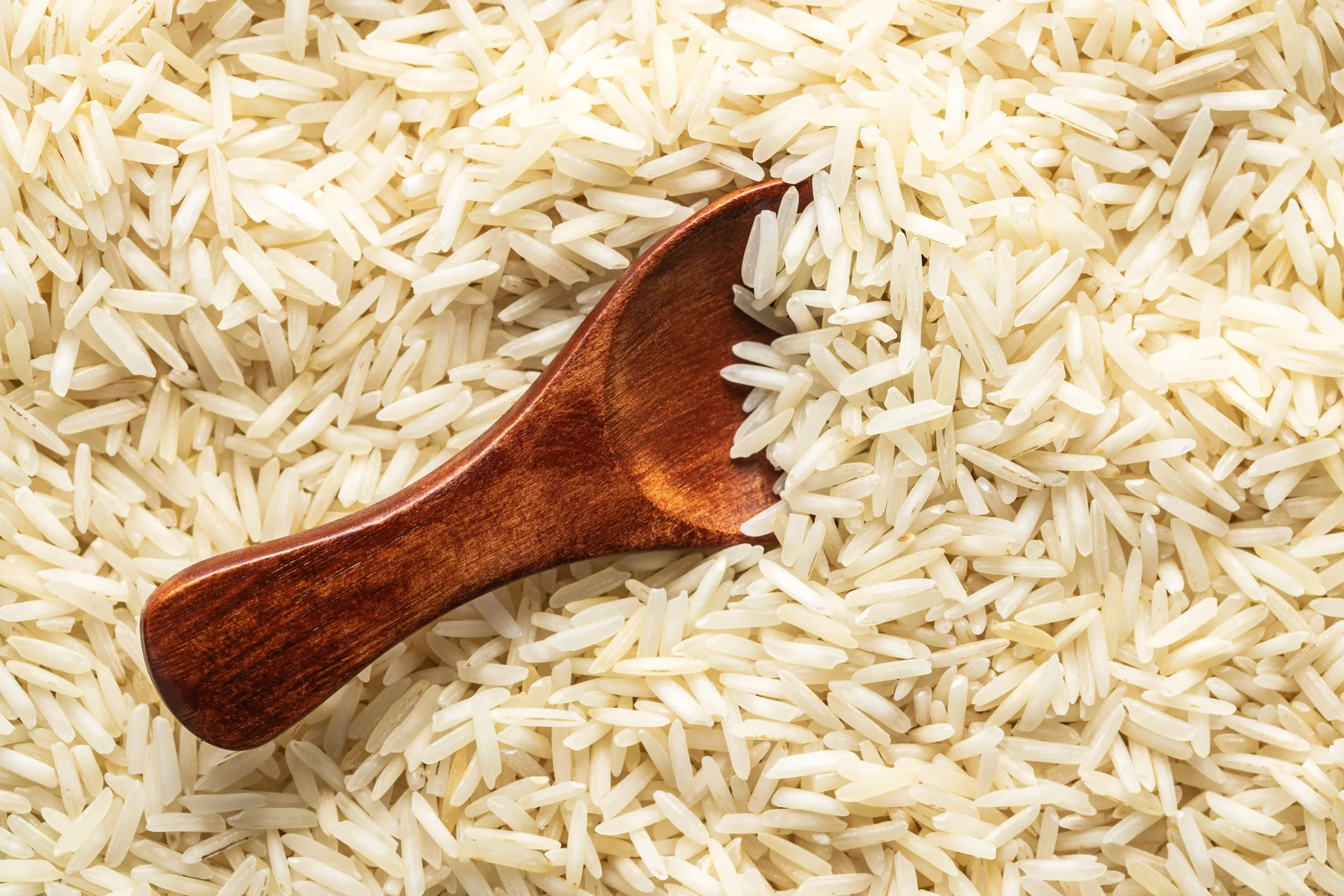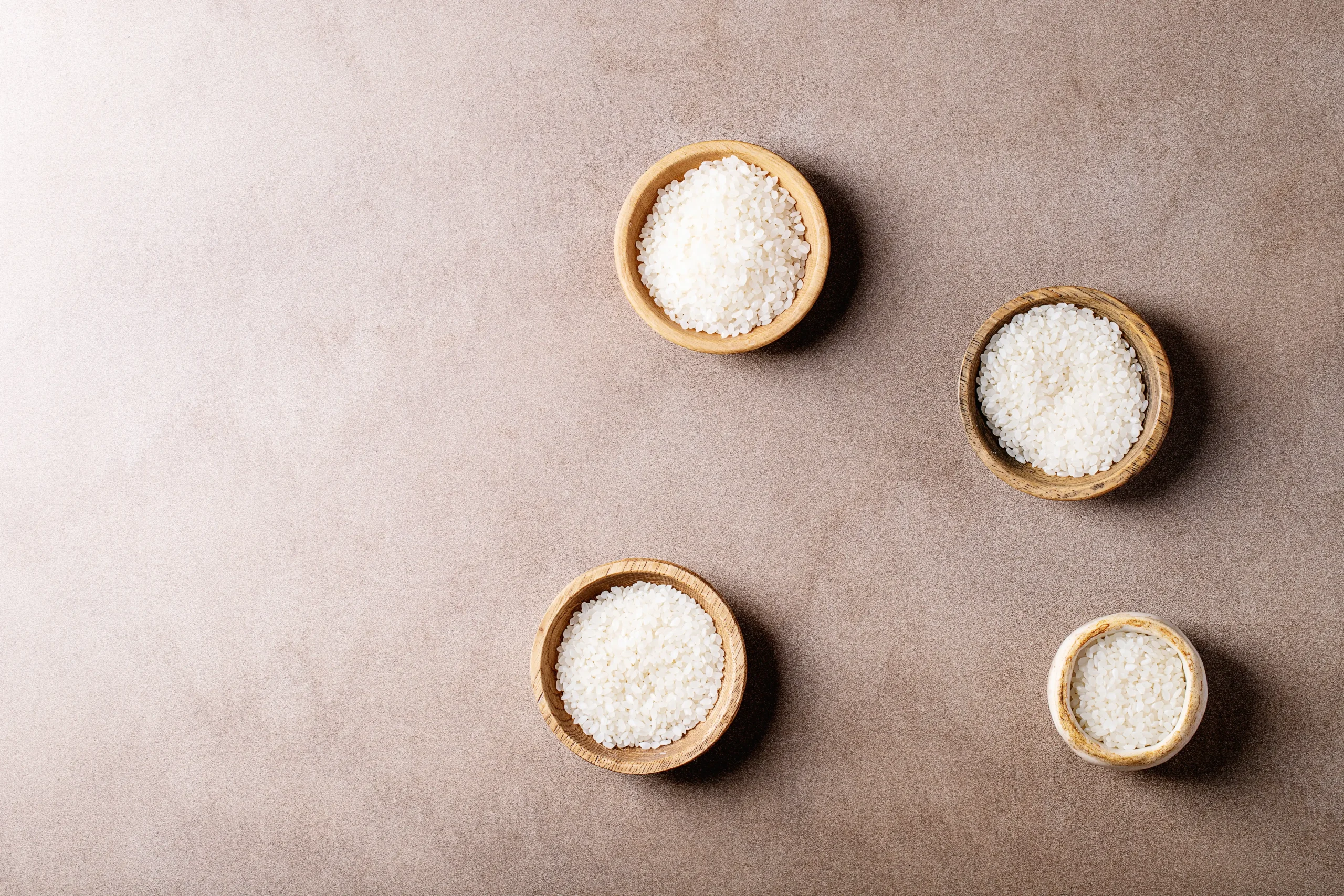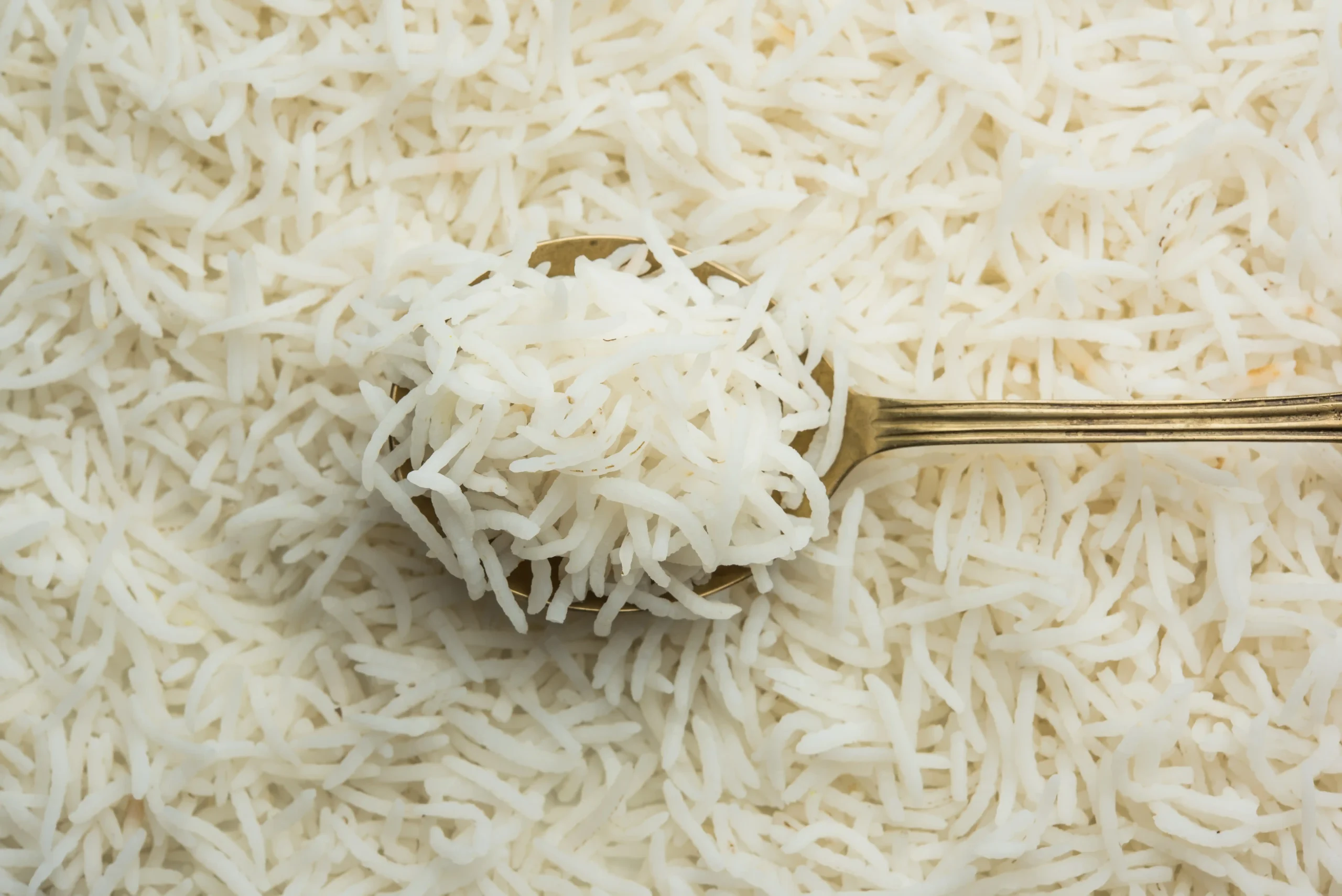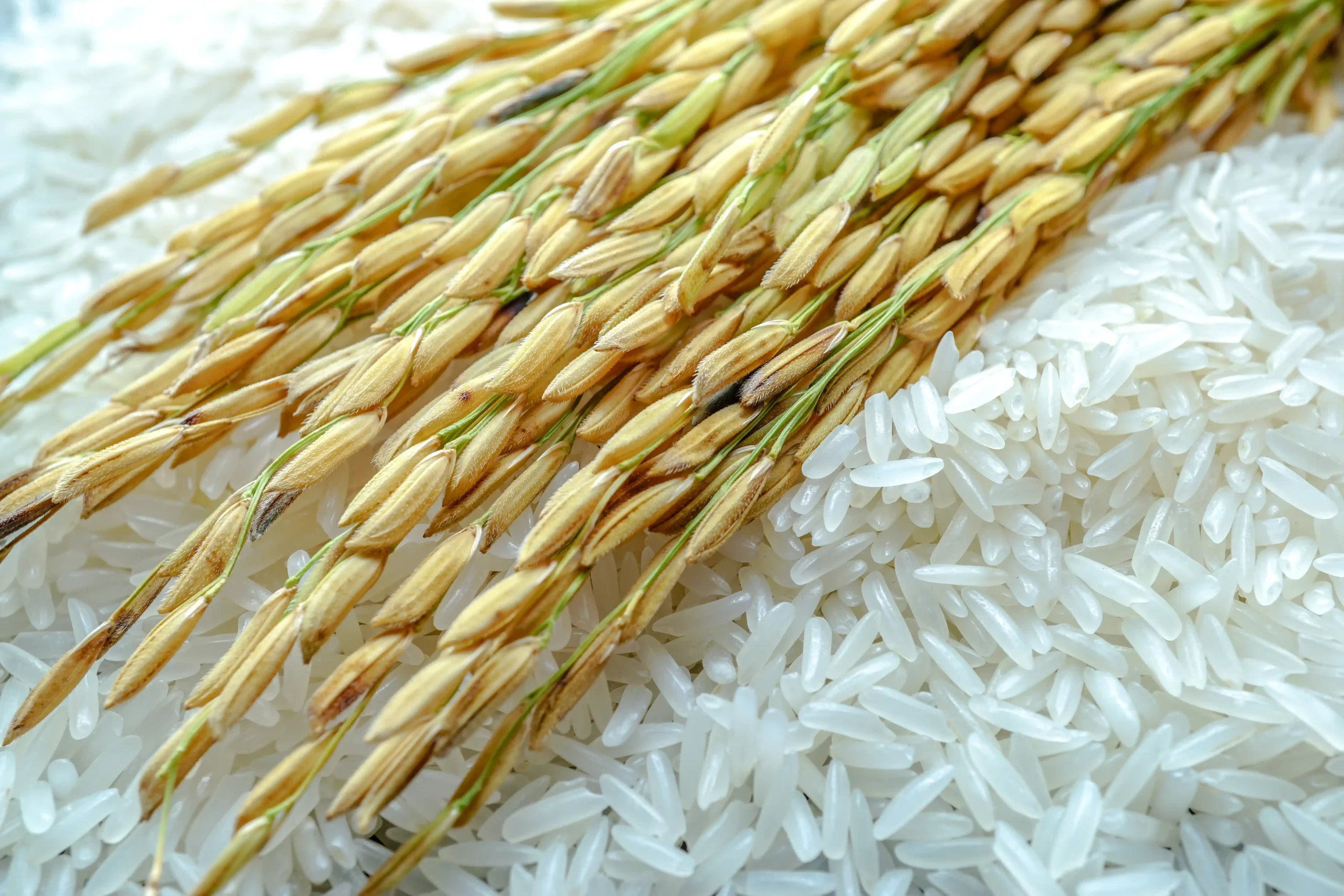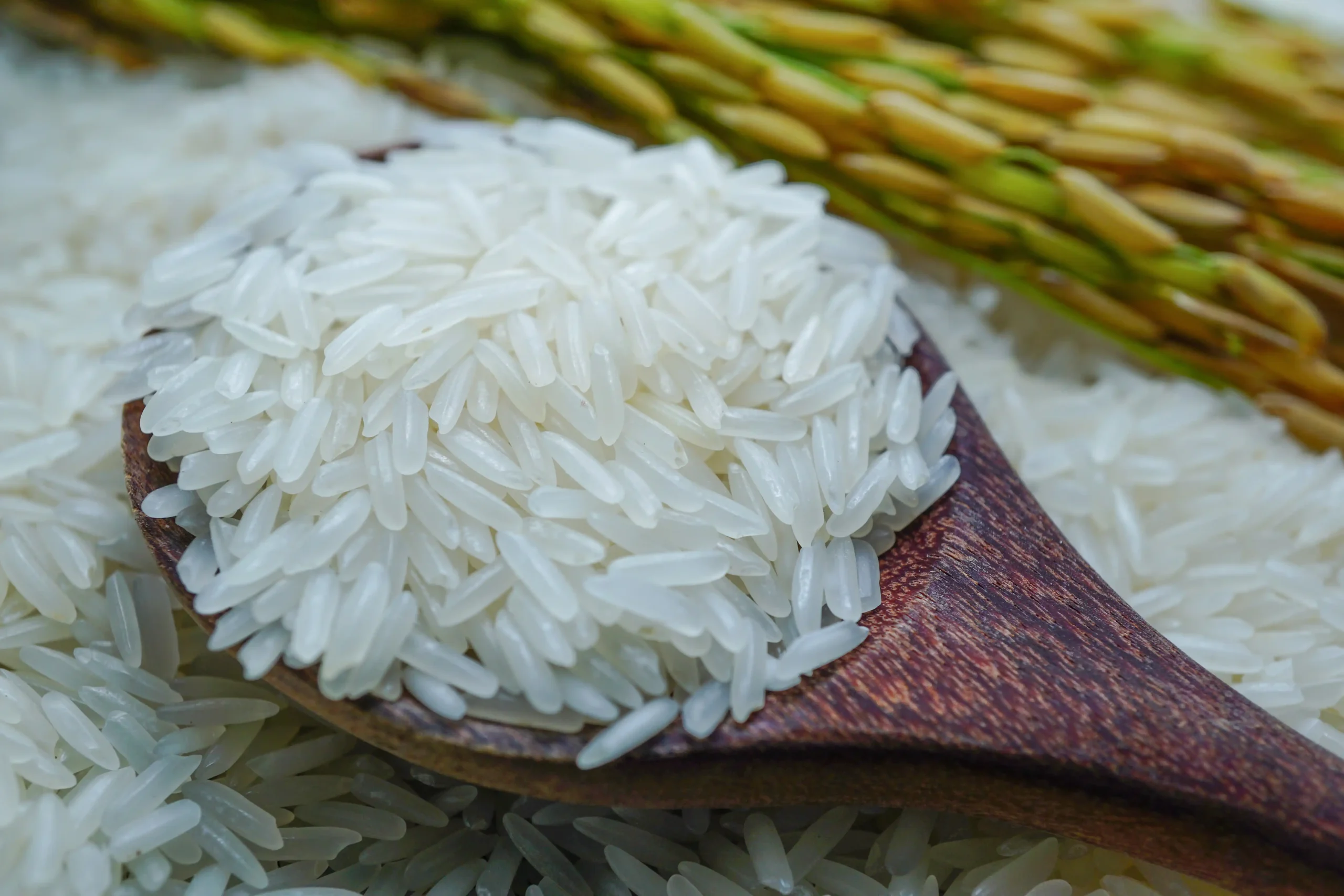
Does rice have gluten? No, rice does not contain gluten and is naturally gluten-free in its pure form. Gluten is a group of proteins found in grains such as wheat, barley, and rye, but it is not present in rice. This makes rice a safe and widely used staple for people with celiac disease or gluten sensitivity. White rice, brown rice, basmati rice, jasmine rice, and even wild rice can all be included in a gluten-free diet. However, while rice itself is gluten-free, it is important to pay attention to how it is processed, packaged, or prepared, as these factors can affect its suitability for those avoiding gluten.
Does rice have gluten? In everyday cooking, rice remains gluten-free as long as it is not contaminated during processing or cooking. Cross-contamination can occur if rice is processed in facilities that also handle wheat-based products, or if it is cooked using shared utensils, pots, or water with gluten-containing foods. Additionally, flavored rice mixes, instant rice products, or rice dishes served in restaurants may include sauces, seasonings, or additives that contain gluten. For individuals who must strictly avoid gluten, choosing certified gluten-free rice products and being mindful of preparation methods helps ensure rice remains a safe and healthy option.
Is Rice Gluten Free?
This is one of the most common questions asked by people who follow a gluten-free diet due to celiac disease, gluten intolerance, or personal health preferences. Rice is naturally gluten free because it does not contain gluten proteins such as gliadin or glutenin, which are found in wheat, barley, and rye. In its pure, natural form, rice is considered safe for gluten-free consumption and is widely recommended as a staple carbohydrate in gluten-free meal plans. White rice, brown rice, jasmine rice, basmati rice, and wild rice all fall into this category when they are unprocessed and uncontaminated.
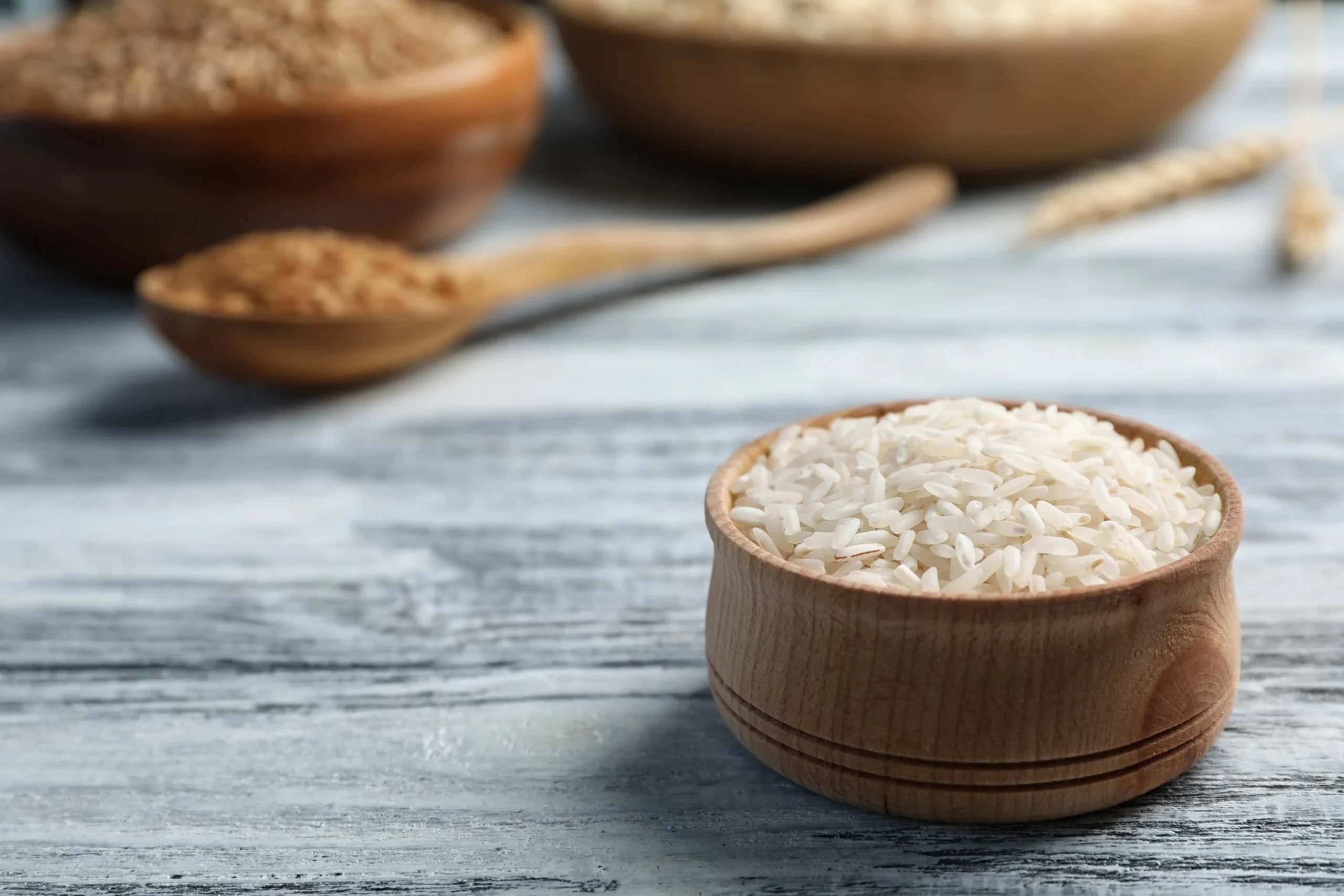
However, the gluten-free status of rice can sometimes depend on external factors rather than the grain itself. Processing, packaging, and preparation methods play an important role in determining whether rice remains gluten free by the time it reaches your plate. For individuals who are highly sensitive to gluten, even small traces can cause discomfort, making awareness especially important.
Key points to consider about rice and gluten-free diets include:
- Rice grains do not naturally contain gluten.
- Cross-contamination may occur during harvesting or packaging.
- Shared cooking equipment can introduce gluten.
- Ready-made rice products may include gluten-containing additives.
- Certified gluten-free labels provide extra reassurance.
Overall, rice is one of the safest and most versatile gluten-free grains available. When chosen carefully and prepared properly, it can be enjoyed daily without concern by those who must avoid gluten.
Gluten Free Rice
Gluten free rice is a cornerstone of many balanced diets, especially for people who need reliable, easy-to-digest carbohydrate sources. Rice provides energy, essential minerals, and, depending on the type, varying levels of fiber. Because it is naturally gluten free, rice is often used as a substitute for wheat-based products such as pasta, bread, and couscous. From home cooking to restaurant menus, gluten free rice dishes are widely accessible and adaptable to many cuisines around the world.
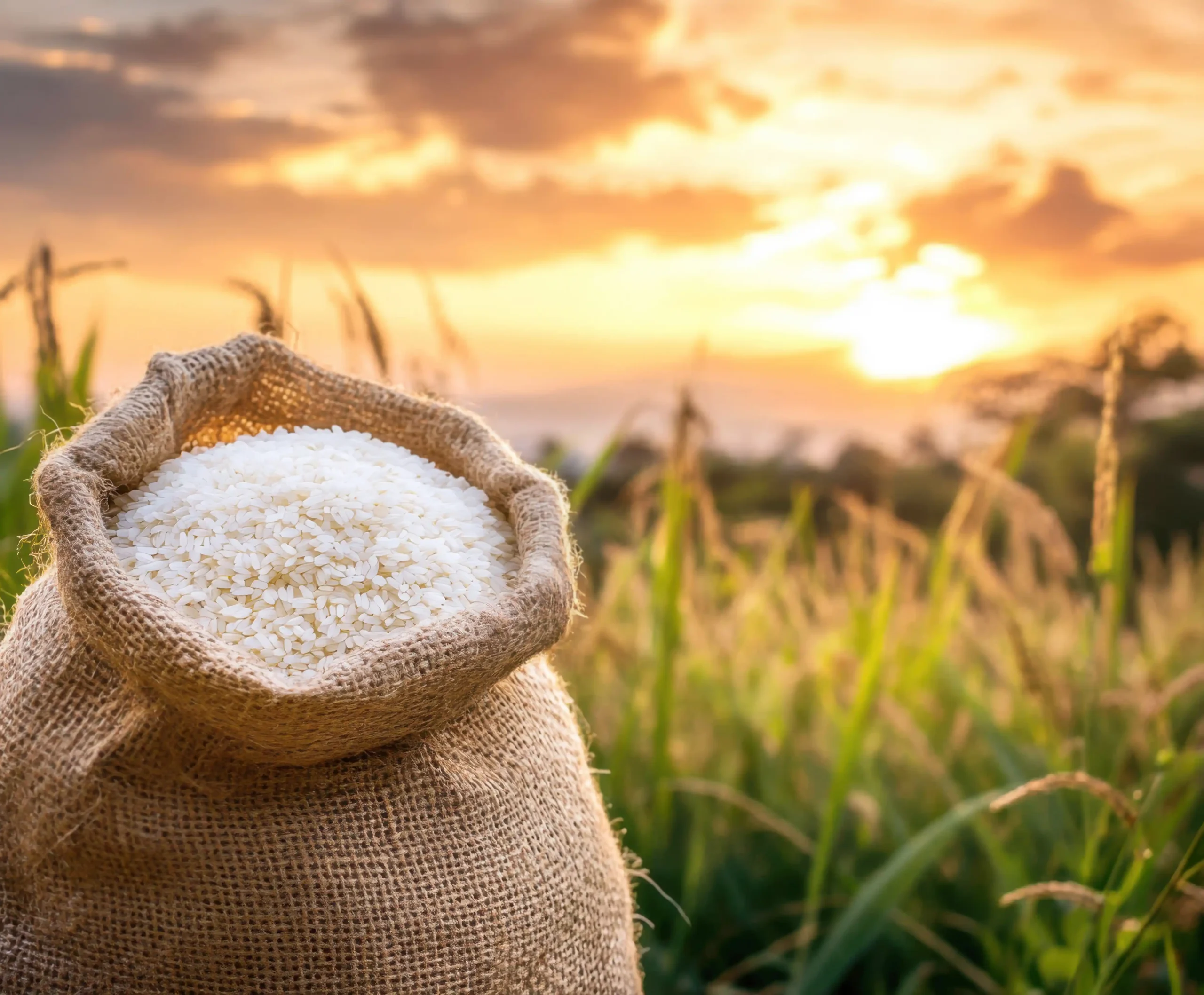
Despite rice being inherently gluten free, not all rice products are automatically safe. Packaged rice blends, instant rice cups, and seasoned rice mixes may contain gluten due to flavorings, thickeners, or sauces added during production. Soy sauce, malt-based flavorings, and certain stabilizers are common hidden sources of gluten. This makes label reading a crucial habit for anyone following a strict gluten-free lifestyle.
When choosing gluten free rice, it is helpful to focus on:
- Plain, single-ingredient rice varieties.
- Products labeled as “certified gluten free.”
- Brands that use dedicated gluten-free facilities.
- Simple preparation methods using clean cookware.
- Homemade seasoning instead of pre-mixed blends.
Gluten free rice can be used in countless recipes, from breakfast bowls to dinner plates. Its neutral flavor allows it to pair easily with vegetables, proteins, and spices, making it both practical and enjoyable for long-term gluten-free eating.
Is Basmati Rice Gluten Free?
Basmati rice is naturally gluten free, just like other rice varieties. Basmati rice is a long-grain rice traditionally grown in regions such as India and Pakistan, and it is prized for its aromatic fragrance and light, fluffy texture. Because it is a pure rice grain, it does not contain any gluten proteins and is suitable for individuals with celiac disease or gluten sensitivity when consumed in its natural form.
Basmati rice is often favored in gluten-free diets not only for its safety but also for its nutritional profile. Compared to some other rice types, basmati rice typically has a lower glycemic index, especially in its brown form, which can help with blood sugar management. This makes it a popular choice for people who want both gluten-free and balanced meals.
Important considerations when selecting basmati rice include:
- Choosing plain basmati rice without added seasonings.
- Avoiding flavored basmati rice mixes unless certified gluten free.
- Checking packaging for cross-contamination warnings.
- Preparing it with gluten-free ingredients and clean utensils.
- Being cautious with restaurant-served basmati rice dishes.
In summary, basmati rice is a safe, flavorful, and versatile option for gluten-free diets. With mindful purchasing and preparation, it can be confidently included in daily meals without the risk of gluten exposure.