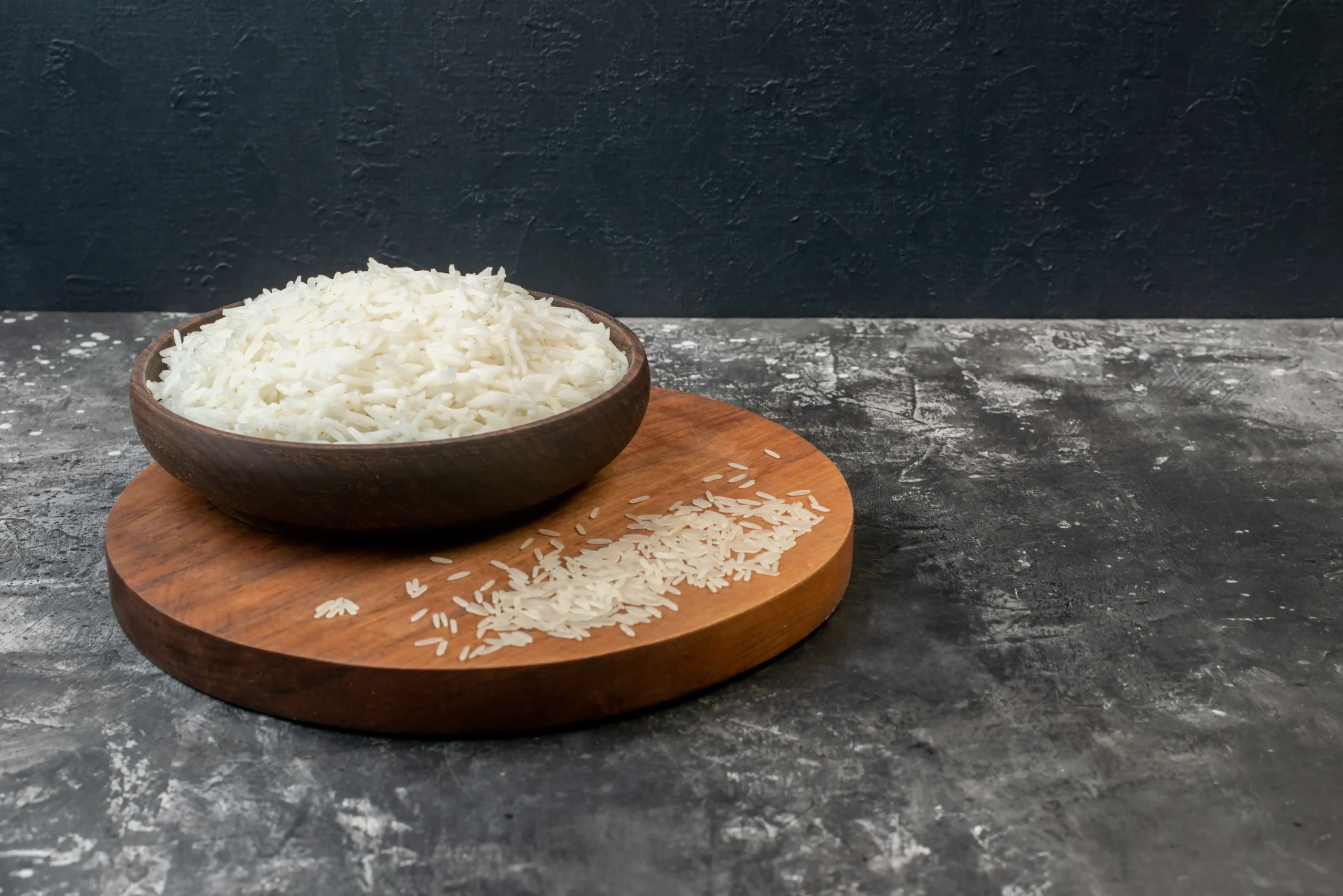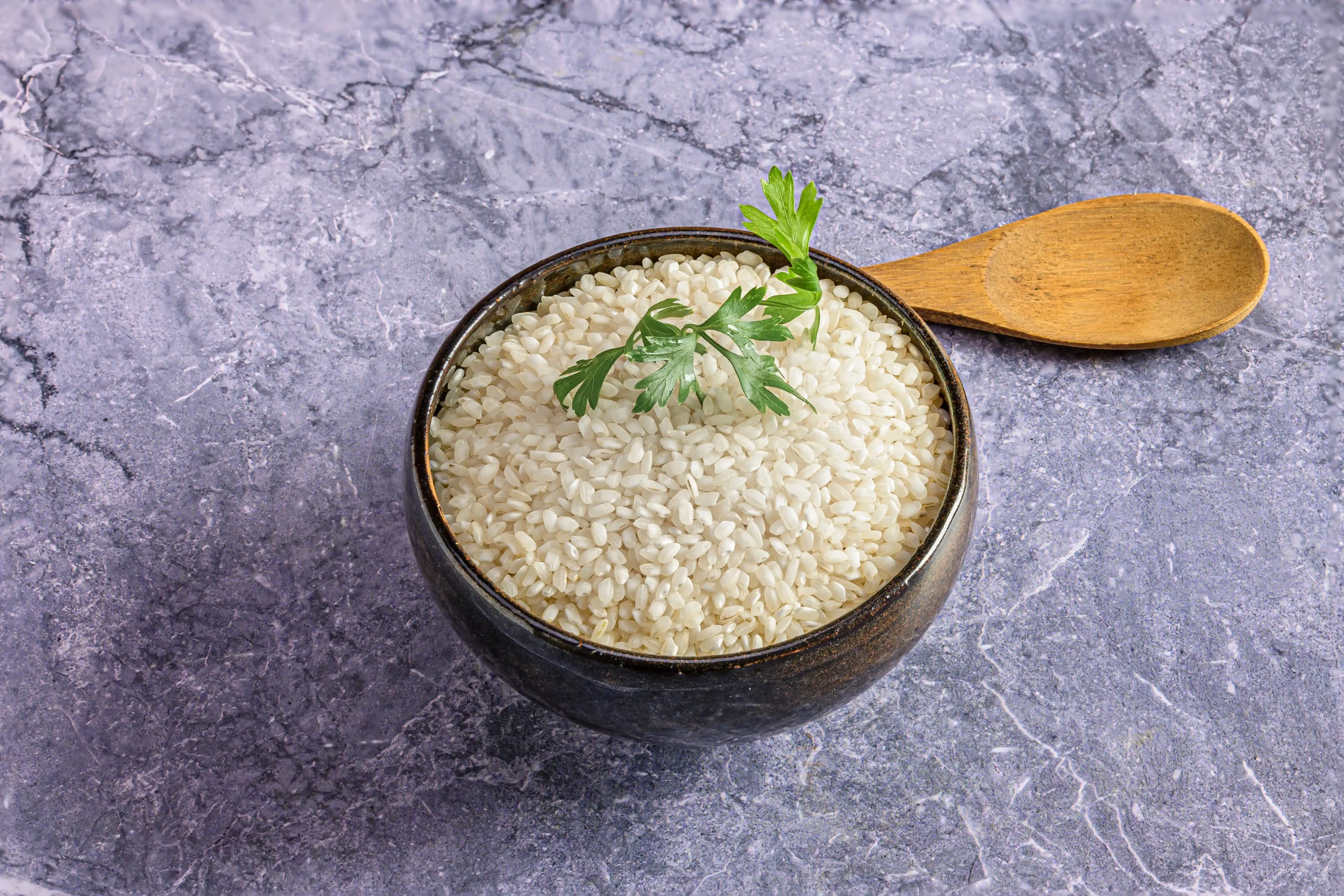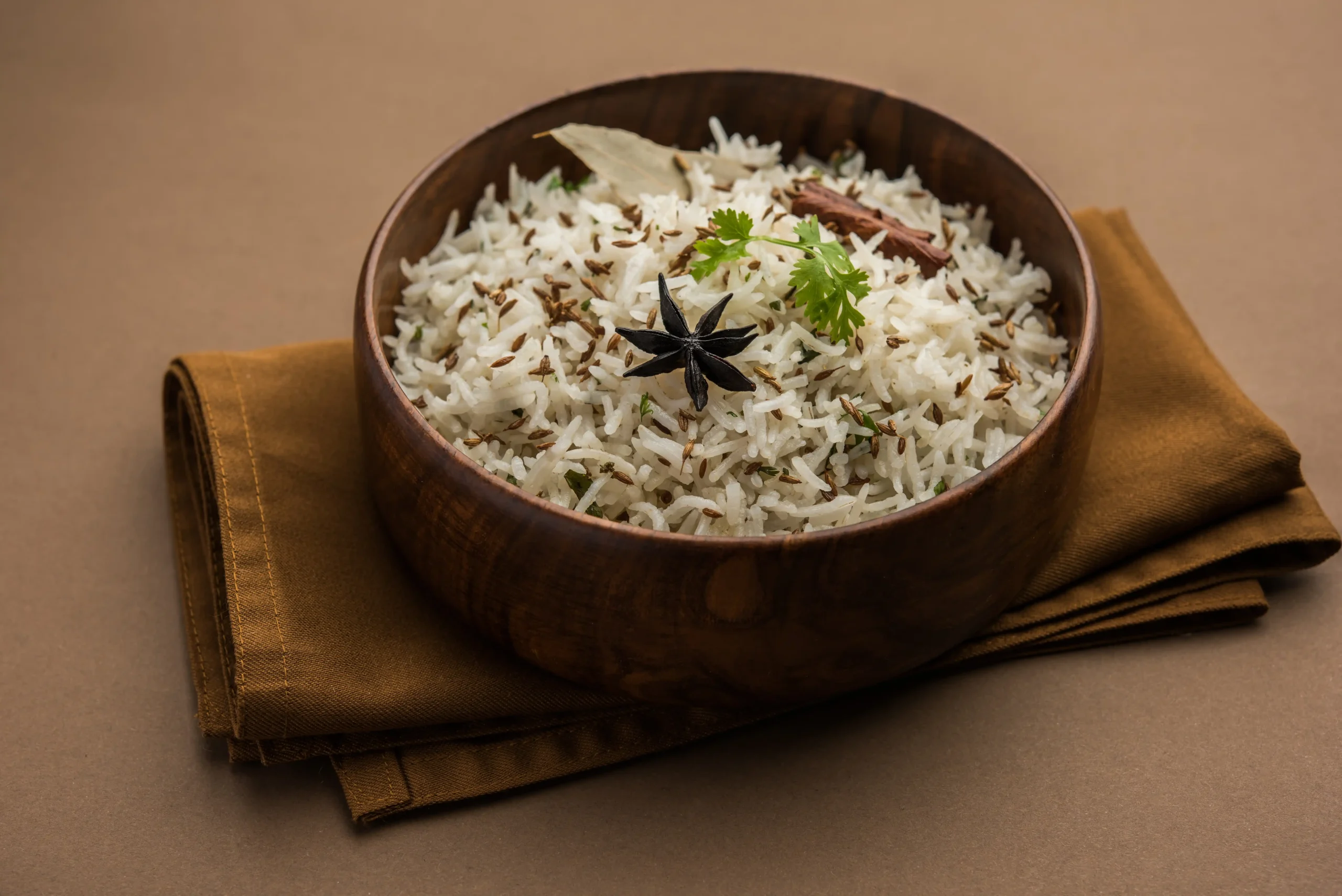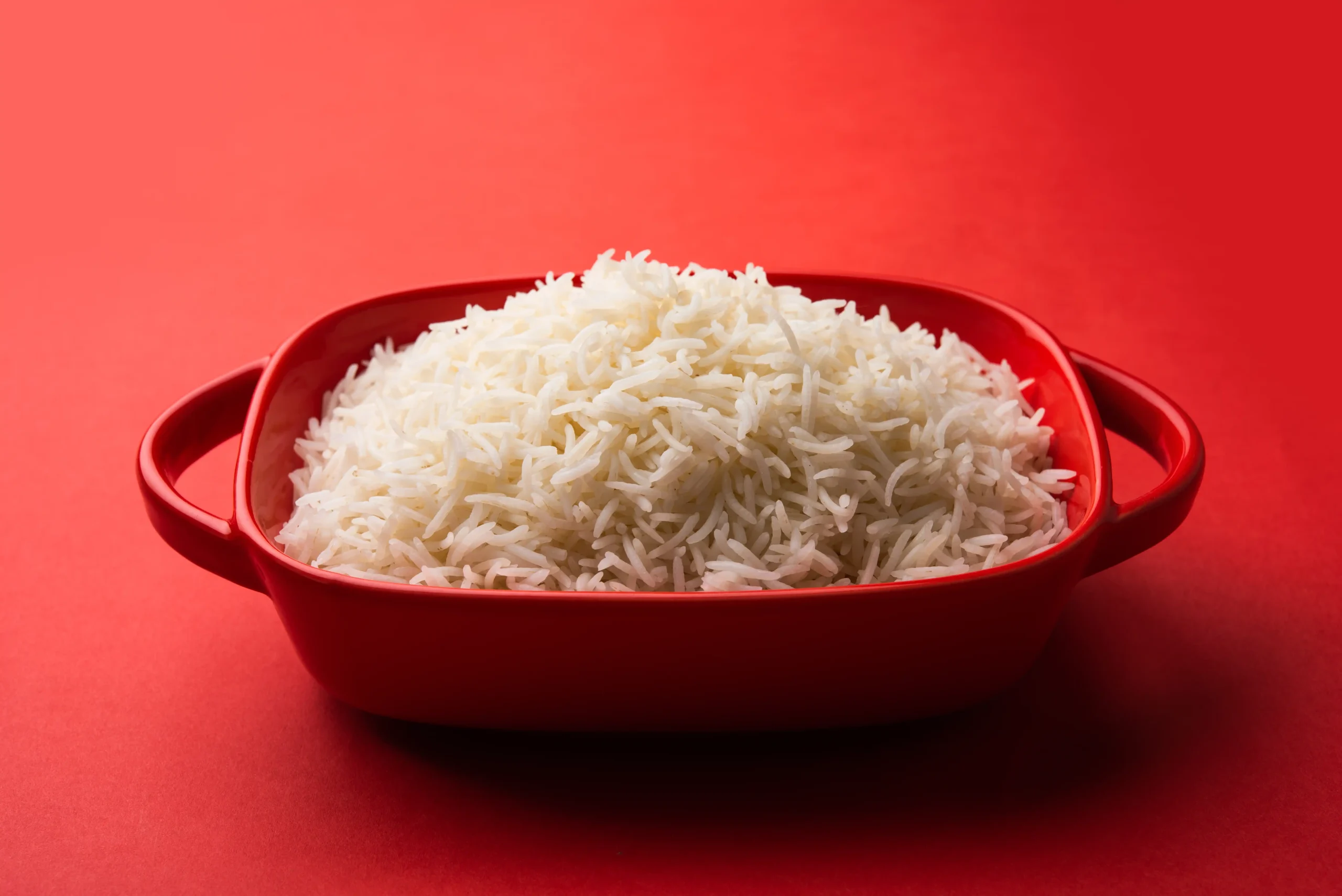
Basmati vs Jasmine rice is a common comparison for people who care about aroma, texture, and overall cooking performance in everyday meals. Basmati rice is known for its long, slender grains and distinctly nutty fragrance, which becomes more pronounced after cooking. When prepared properly, the grains remain separate and fluffy, making basmati an excellent choice for dishes like biryani, pilaf, and Indian or Middle Eastern cuisine. Jasmine rice, by contrast, has a shorter and slightly rounder grain with a naturally floral aroma.
Basmati vs Jasmine rice also differs in terms of texture, flavor profile, and nutritional perception. Basmati rice generally has a lighter, more delicate taste and a firmer bite, which many people prefer for dishes that highlight individual grains. Jasmine rice offers a subtly sweet flavor and a tender mouthfeel, creating a comforting base for rich or spicy foods. From a nutritional standpoint, basmati is often noted for its lower glycemic index compared to jasmine rice, which may appeal to those monitoring blood sugar levels. Ultimately, choosing between basmati and jasmine rice depends on the cuisine you are preparing and whether you prefer fluffy, separate grains or a softer, more cohesive texture on your plate.
Jasmine vs. Basmati Rice Nutrition
When comparing jasmine vs. basmati rice nutrition, both varieties are primarily carbohydrate-based foods, yet they differ in subtle but meaningful ways. Jasmine rice is traditionally grown in Thailand and is known for its soft texture and aromatic profile, while basmati rice originates from India and Pakistan and is valued for its long grains and lighter feel. From a nutritional standpoint, both provide energy, small amounts of protein, and minimal fat, but their starch composition and micronutrient content vary slightly. Basmati rice generally contains a higher proportion of amylose, which contributes to a firmer texture and slower digestion. Jasmine rice, on the other hand, has more amylopectin, leading to a softer, slightly sticky result when cooked.
In terms of vitamins and minerals, both rice types offer similar basic nutrients, especially when enriched or consumed as whole-grain versions. However, the differences can matter depending on dietary goals.
Key nutritional comparison points include:
- Both provide similar calorie counts per serving, making portion size important.
- Jasmine rice digests faster, while basmati breaks down more slowly.
- Basmati typically contains a slightly higher protein amount.
- Brown basmati offers more fiber than white jasmine rice.
- Basmati usually has a lower glycemic index.
Overall, the nutritional differences between jasmine and basmati rice are not extreme, but they can influence energy levels, digestion, and meal balance.
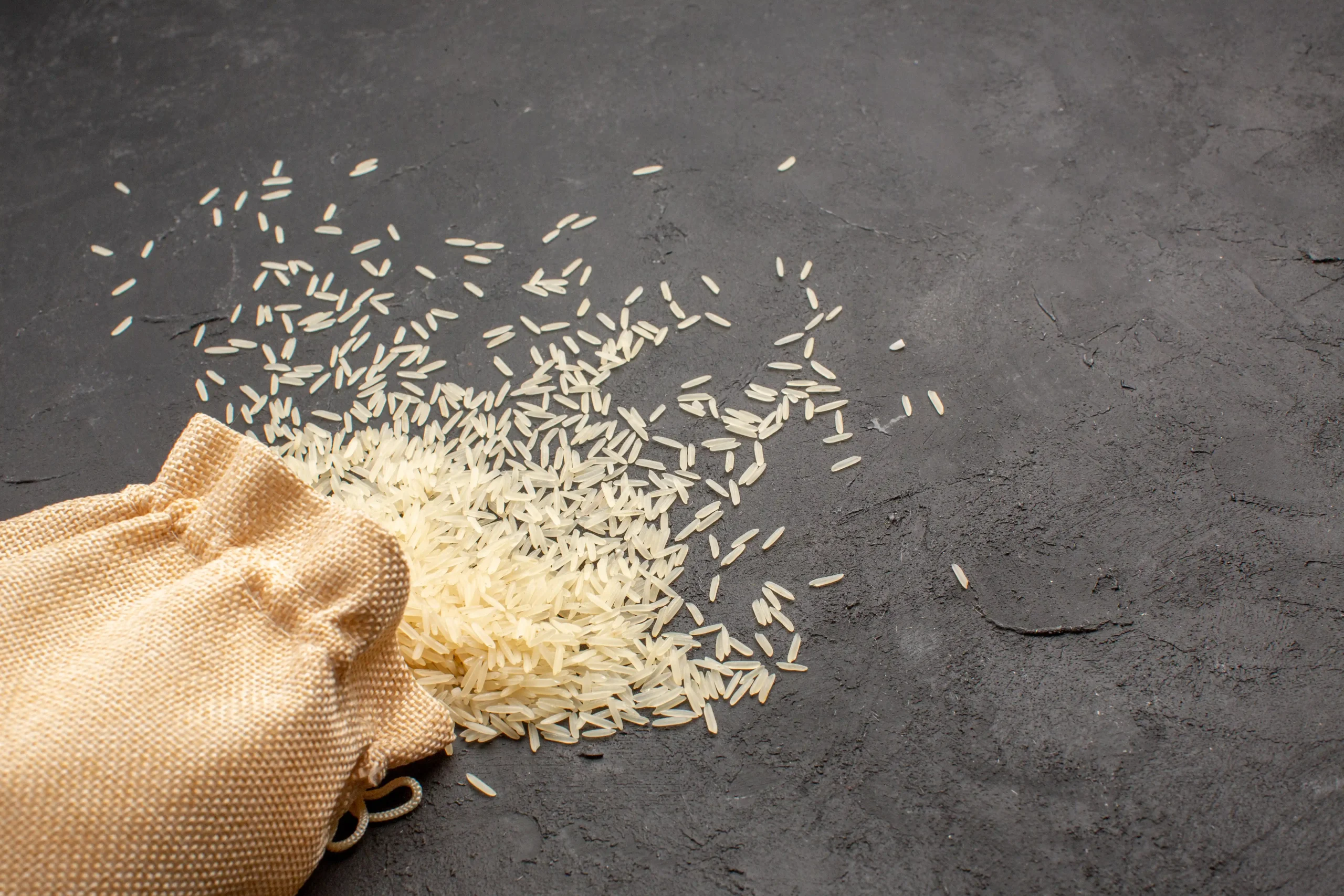
Basmati vs. Jasmine Rice Cooked
Looking at basmati vs. jasmine rice cooked, the contrast becomes most noticeable in texture, aroma, and visual appearance. Once cooked, basmati rice grains elongate significantly and remain separate, resulting in a light and fluffy dish. This makes basmati rice especially suitable for meals where individual grains are meant to stand out, such as pilafs, biryanis, and layered rice dishes. Jasmine rice behaves differently during cooking; its grains soften and cling together slightly, producing a moist and cohesive texture that pairs well with saucy foods.
The cooking process itself also differs. Basmati rice is often rinsed and soaked before cooking to enhance grain separation and aroma, while jasmine rice typically requires less preparation. Water ratios and cooking times affect the final result, and even small changes can influence texture.
Cooked rice differences worth noting include:
- Basmati stays long and separate; jasmine becomes tender and slightly sticky.
- Basmati releases a nutty scent; jasmine produces a floral fragrance.
- Basmati feels light and airy; jasmine feels soft and comforting.
- Jasmine absorbs sauces better than basmati.
- Basmati offers a more defined visual appeal on the plate.
These cooked characteristics play a major role in deciding which rice works best for specific cuisines and recipes.
Jasmine vs. Basmati Rice Healthier
The question of jasmine vs. basmati rice healthier depends largely on individual health goals, dietary needs, and how the rice is prepared. Basmati rice is often considered the healthier option due to its lower glycemic index, which means it causes a slower rise in blood sugar levels. This can be beneficial for people managing diabetes or trying to maintain steady energy throughout the day. Jasmine rice, while still nutritious, has a higher glycemic index, making it more rapidly digested and quicker to convert into glucose.
Whole-grain versions significantly impact health value. Brown basmati rice retains its bran layer, offering more fiber, vitamins, and minerals compared to white jasmine rice. That said, jasmine rice can still be part of a healthy diet when eaten in moderation and combined with protein, vegetables, and healthy fats.
Health-related factors to consider include:
- Blood sugar response: Basmati is generally gentler on blood glucose.
- Digestibility: Jasmine is easier to digest for some people.
- Fiber content: Brown basmati provides more dietary fiber.
- Satiety: Basmati may keep you full longer.
- Diet compatibility: Jasmine suits high-energy or active lifestyles.
In summary, basmati rice is often viewed as the healthier choice, but jasmine rice remains a wholesome option when balanced properly within a nutritious meal plan.