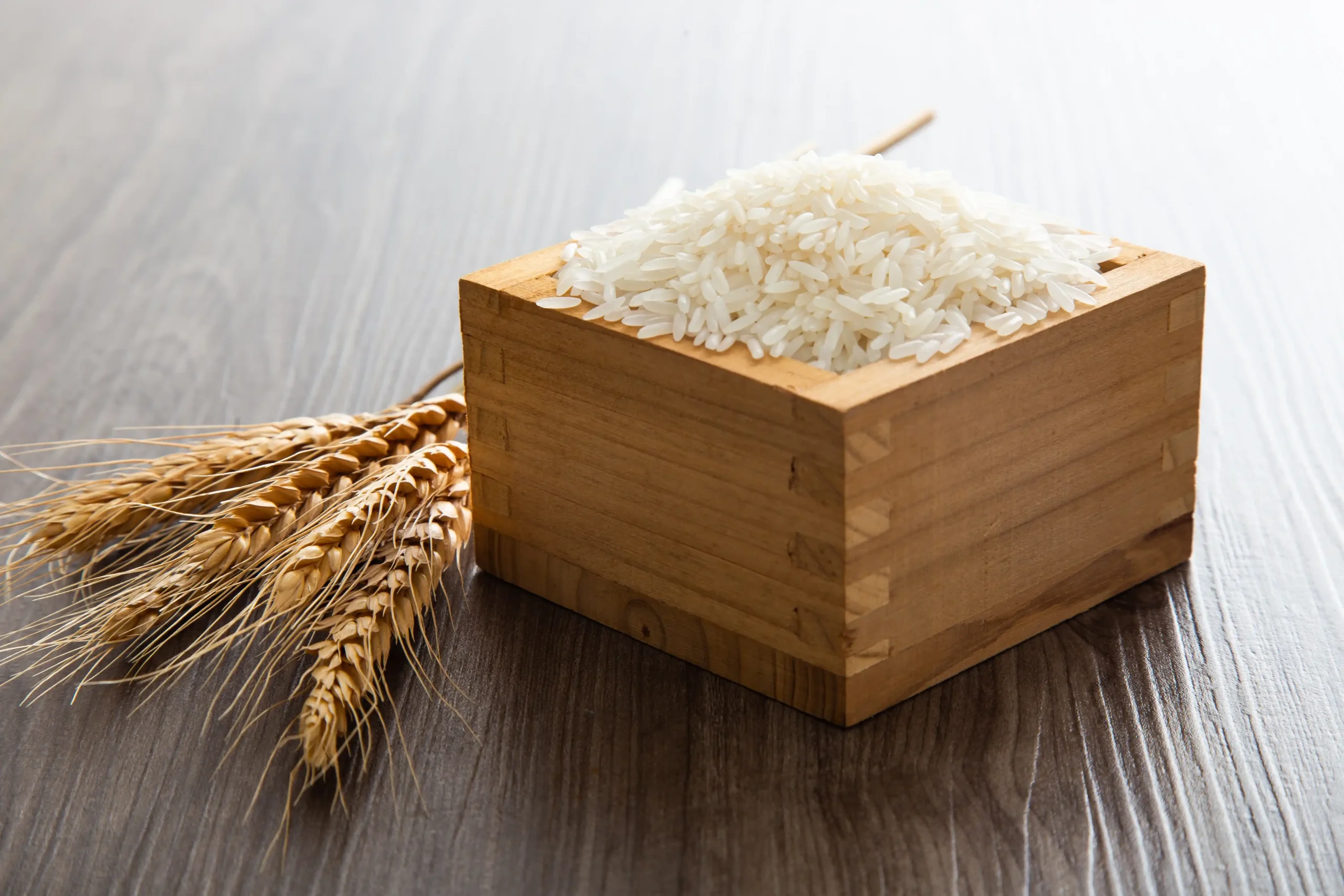
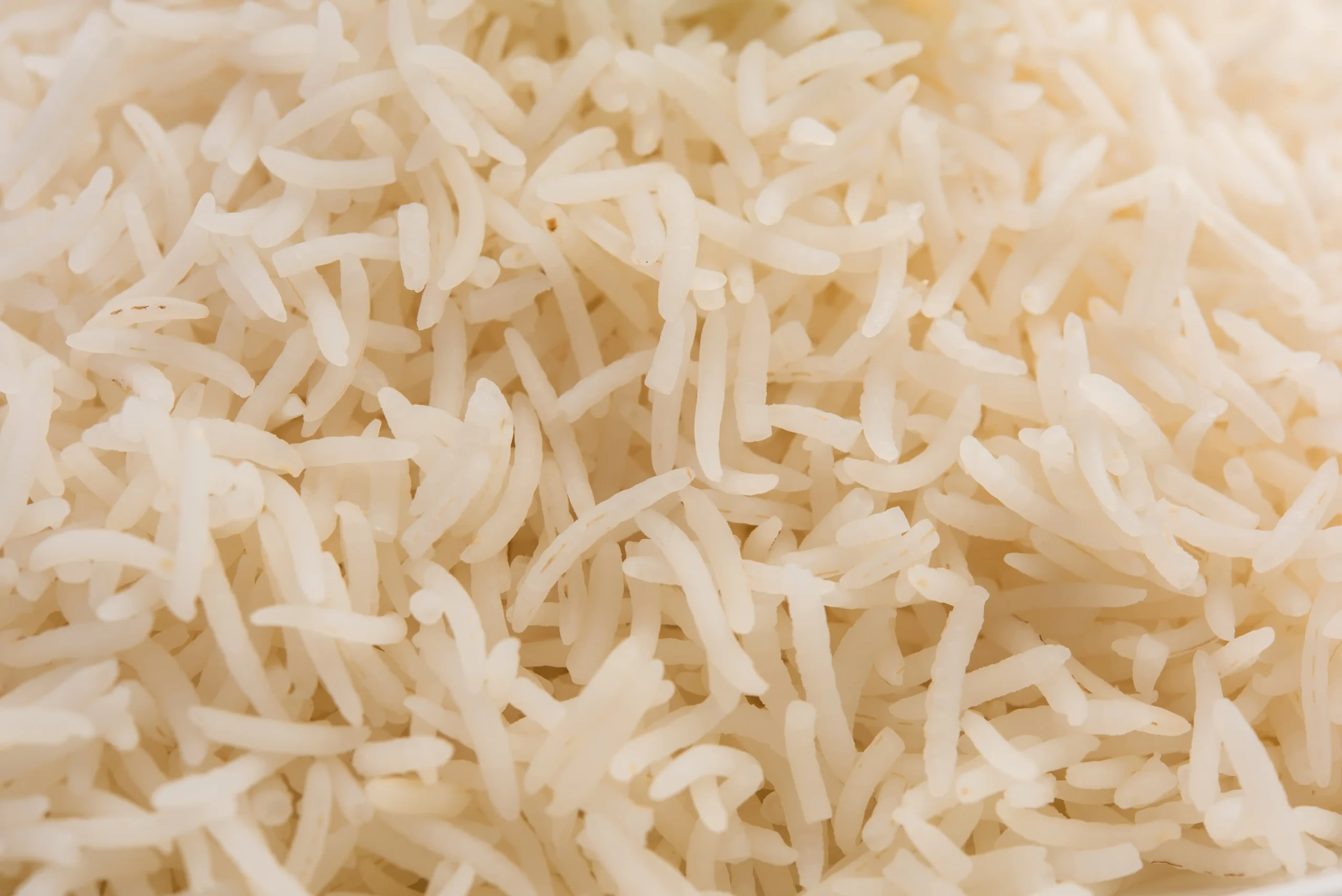
Best basmati rice is a variety frequently preferred by people who care about both flavor and texture, thanks to its naturally aromatic character and its long, slender grains. Especially when grown in India’s fertile regions, basmati is known for elongating in length rather than expanding in width as it cooks—helping the rice maintain a light, voluminous form. Its distinctive nutty aroma comes not from additives, but from the rice’s own natural compounds. For this reason, it is considered a premium choice for biryani, pilaf, and many traditional Middle Eastern and South Asian recipes.
Best basmati rice also stands out for its quality standards and aging process, which can significantly enhance taste and performance during cooking. Aged basmati absorbs water more evenly, cooks more consistently, and offers a deeper aroma compared to freshly harvested rice. Beyond its culinary advantages, it is also often preferred due to its typically low fat content and the perception that it has a lower glycemic index than many other white rice varieties. Whether in home kitchens or professional kitchens, choosing high-quality basmati contributes to better presentation, balanced flavor, and an overall more elevated dining experience.
Best Basmati Rice Brand
Choosing the best basmati rice brand plays a critical role in achieving the aroma, texture, and cooking performance that basmati is famous for. High-quality brands often focus on sourcing rice from traditional growing areas in the Himalayan foothills, where soil structure, climate, and water conditions support the development of long, slender, naturally aromatic grains. Reliable brands typically age basmati for 1–2 years; this process significantly increases elongation during cooking and reduces excess starch.
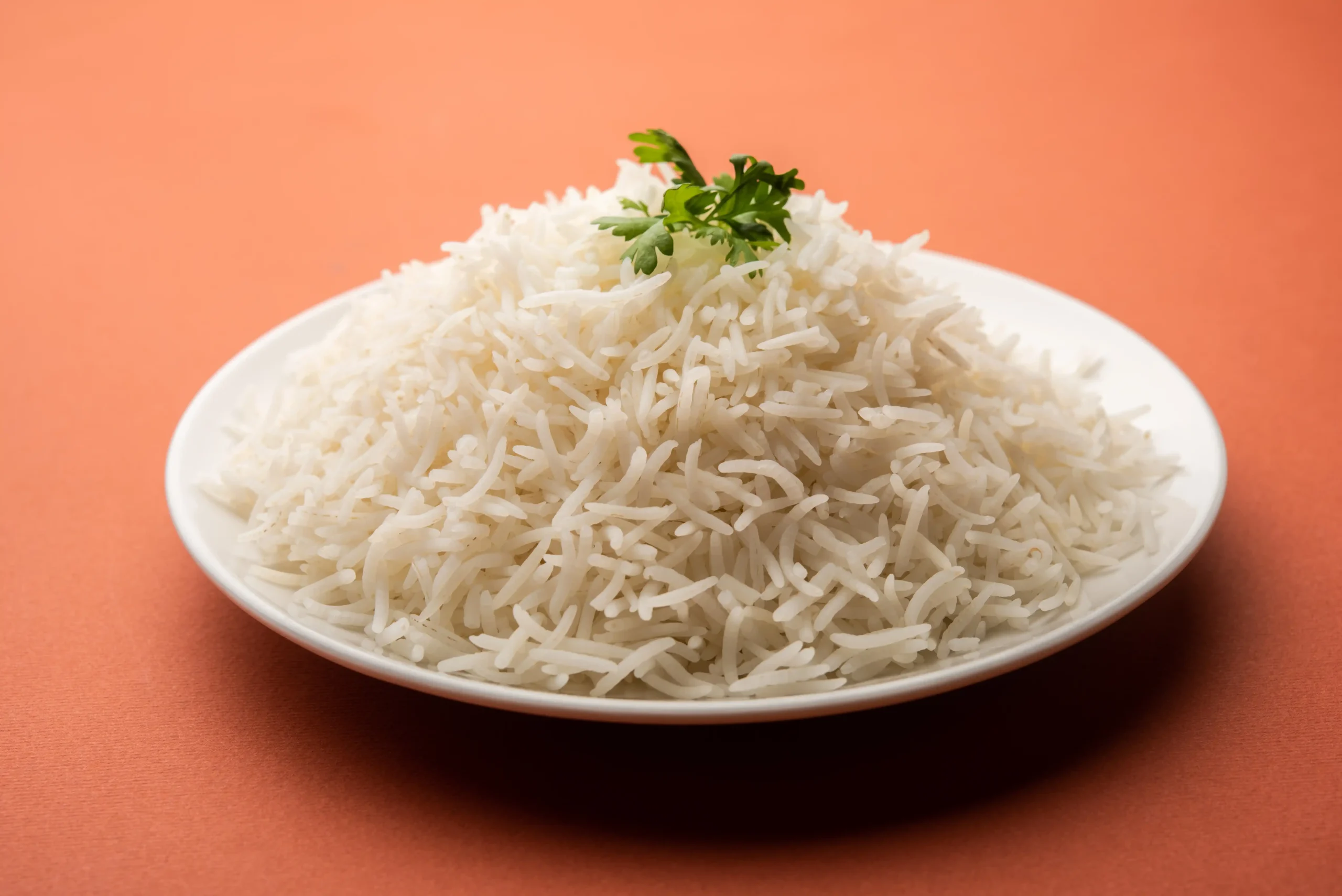
As a result, the rice cooks more evenly, stays fluffy, and is less likely to turn sticky—an important factor especially for biryani, pilaf, and Persian-style rice dishes.
Another key element that defines a strong basmati brand is quality control. Premium brands invest in advanced milling, sorting/grading, and packaging technologies to remove broken grains, foreign matter, and excess husk. Packaging that protects the rice from moisture and light also helps preserve aroma for longer. While price can sometimes signal quality, consistency and label transparency are often more reliable indicators.
Features consumers commonly look for when evaluating a basmati brand:
• Clearly stated origin as India
• Long-grain structure with a minimal broken-grain ratio
• Information on the package indicating it is aged/matured
• Natural aromatic fragrance without artificial scent enhancement
• Uniform (homogeneous) grain size and a clean appearance
Ultimately, the best basmati rice brand is one that delivers consistent results across different recipes—offering reliable texture, balanced flavor, and strong visual presentation in every serving.
Which Basmati Rice is Best?
Which basmati rice is best largely depends on cooking purpose, personal taste preferences, and expectations around aroma and texture. Traditional basmati grown in the Himalayan region is often considered superior due to its long grains, distinctive fragrance, and high elongation rate after cooking. Among available options, extra-long-grain and aged basmati is more frequently chosen for special meals because it provides a more elegant presentation and a richer sensory experience.
Best Basmati Rice Recipe
The best basmati rice recipe focuses on highlighting the rice’s natural aroma and texture rather than masking it with heavy seasoning. For a long, fluffy, grain-by-grain result, proper washing, soaking, and cooking techniques are essential. Before cooking, basmati rice should be rinsed several times under cold water to remove surface starch. Then, soaking for at least 20 minutes helps the grains absorb water more evenly.
One of the simplest yet most effective ways to prepare basmati is the absorption (pilaf-style) method, which preserves aroma while delivering consistent texture. The correct water-to-rice ratio is critical: too much water can make the rice mushy, while too little can leave it undercooked. A short resting period after cooking, followed by gently fluffing with a spoon, also noticeably improves the final result.
As a practical reference based on the two main groups in the Mahmood Rice product range:
• For Sella Basmati: 2 cups of water per 1 cup of rice
• For Steam Basmati: 2.5–3 cups of water per 1 cup of rice
Key steps in a best basmati rice recipe include:
• Rinse the rice until the water runs clear
• Soak the rice in lukewarm water for at least 20 minutes before cooking
• Using measured water ratios for balanced cooking
• Cooking on low to medium heat to protect the grains
• Letting the rice rest before flutting with a spoon
When prepared with care, basmati rice becomes a versatile base for a wide range of cuisines, from Indian and Middle Eastern dishes to simple everyday meals, highlighting why proper technique is just as important as rice quality.