How to make rice pilaf? Start by rinsing 1 cup of long-grain rice (like basmati) until the water runs mostly clear, then let it drain well so it won’t turn gummy. In a pot, melt 2 tablespoons butter (or use olive oil), add 1 small finely chopped onion, and sauté until soft. Stir in the rice and toast it for 2–3 minutes so each grain gets lightly coated. Add 2 cups hot chicken or vegetable stock, 1/2 teaspoon salt, and a pinch of black pepper; if you like, toss in a small handful of vermicelli or orzo and toast it briefly before the stock. Bring to a gentle boil, cover, and reduce the heat to low. Cook for about 12–15 minutes without lifting the lid, then turn off the heat and let it rest covered for 10 minutes. Fluff with a fork and finish with a squeeze of lemon or a sprinkle of chopped parsley.
How to make rice pilaf? If you want a more aromatic “restaurant-style” version, bloom spices first: in butter/oil, toast a small pinch of cumin or cinnamon, or add a bay leaf and a few whole peppercorns. Then follow the same steps, sauté onion, toast rice, add hot stock, cover, and cook low and slow, because steady steam is what keeps pilaf fluffy instead of sticky. For extra richness, stir in toasted slivered almonds, pine nuts, or raisins right after cooking, while the rice is still hot. You can also fold in cooked chickpeas or shredded chicken to make it a full meal. Common fixes: if it’s too wet, leave it uncovered on very low heat for 2–3 minutes; if it’s too firm, sprinkle 2–3 tablespoons hot water, cover, and steam 5 minutes more.
Rice Pilaf
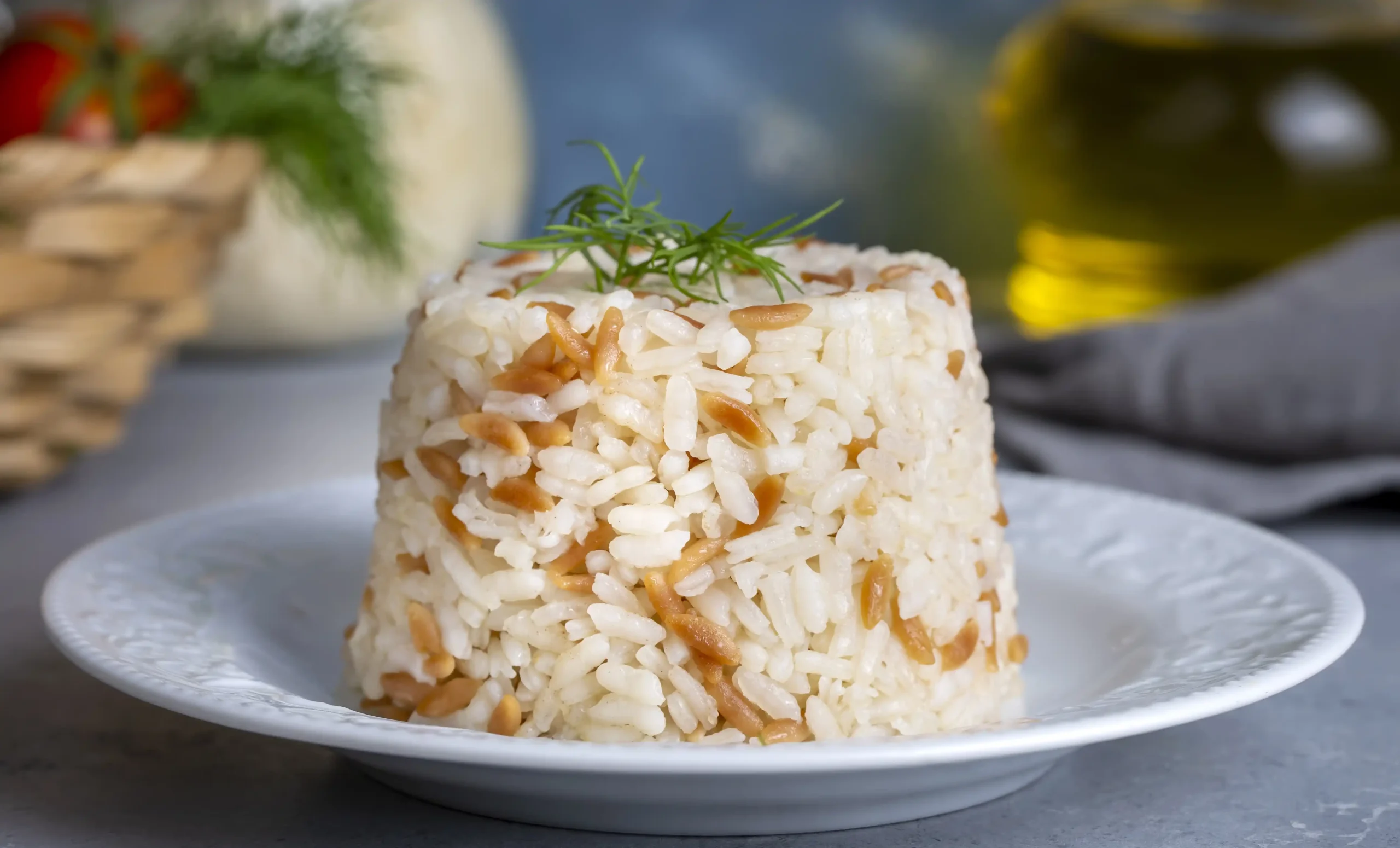
Rice pilaf is a classic side dish made by lightly toasting rice in fat before simmering it in seasoned liquid, a technique that creates fluffy, separate grains and a deeper flavor than plain boiled rice. The process usually starts with long-grain rice such as basmati or jasmine, because these varieties hold their shape well and don’t release too much starch. Butter or olive oil is heated in a pot, aromatics like onion or garlic are sautéed, and the rice is stirred in until each grain is coated and slightly translucent. This brief toasting step adds a subtle nutty note that defines pilaf. Hot broth is then added, the pot is covered, and the rice gently steams until tender.
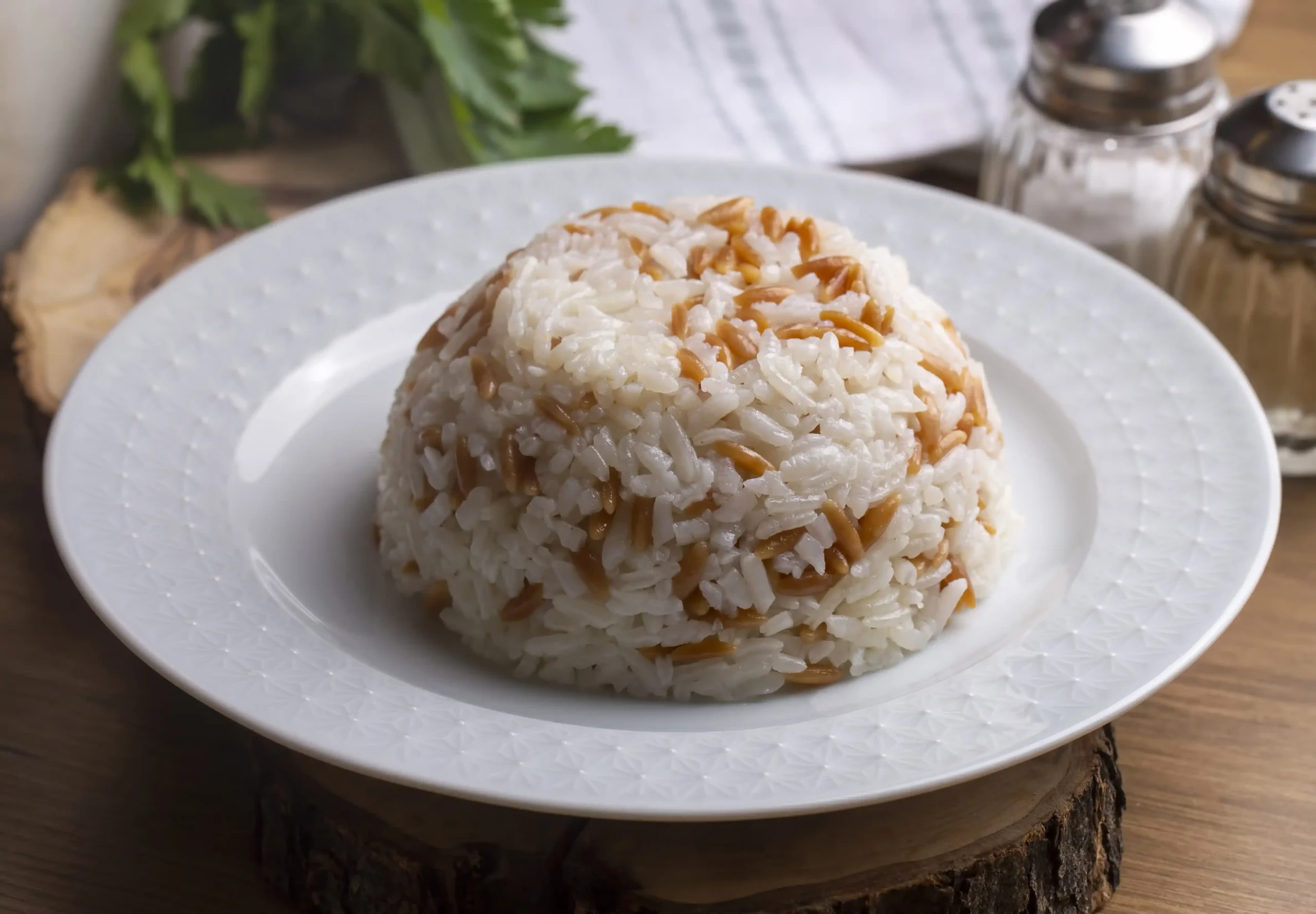
What makes rice pilaf especially versatile is how easily it adapts to different cuisines. You can keep it simple with salt and pepper, or layer in spices and additions depending on the meal. Common enhancements include nuts, herbs, or small pasta shapes such as vermicelli, which are toasted alongside the rice for extra texture. After cooking, resting the pilaf off the heat allows moisture to redistribute, ensuring a light, airy result when fluffed with a fork.
Key elements of a good rice pilaf include:
- Using long-grain rice for distinct, non-sticky grains
- Toasting the rice briefly in fat before adding liquid
- Cooking with broth instead of water for richer flavor
- Letting the rice rest covered before serving
When prepared with care, rice pilaf works equally well as a neutral base for saucy dishes or as a flavorful stand-alone side.
Rice Pilaf in Rice Cooker
Rice pilaf in a rice cooker is a convenient way to achieve consistent results with minimal hands-on effort, especially for busy kitchens. While the traditional stovetop method relies on careful heat control, a rice cooker simplifies the process by maintaining steady temperature and timing automatically. The key is to adapt the pilaf technique slightly. Many modern rice cookers have a “sauté” or “brown” function, which allows you to toast aromatics and rice directly in the cooker bowl before switching to the cooking cycle. If your model doesn’t have this feature, you can toast the rice in a pan first, then transfer it to the cooker.
Once the rice is lightly toasted, broth and seasonings are added, and the rice cooker takes over. Because the cooker traps steam efficiently, pilaf made this way tends to cook evenly without burning on the bottom. It’s also ideal for keeping the rice warm until serving, which is helpful when preparing larger meals. The main thing to watch is the liquid ratio, as rice cookers can require slightly less liquid than stovetop methods.
Tips for success with rice pilaf in a rice cooker:
- Rinse and drain rice well to avoid excess starch
- Toast rice and aromatics before starting the cook cycle
- Use broth, not water, but slightly reduce the amount
- Allow the rice to sit on “warm” for 5–10 minutes, then fluff
With these adjustments, a rice cooker can reliably produce fluffy, flavorful pilaf every time.
Instant Pot Rice Pilaf
Instant Pot rice pilaf combines the traditional flavor of pilaf with the speed and efficiency of pressure cooking. Unlike a rice cooker, the Instant Pot allows you to fully replicate stovetop steps in one vessel, thanks to its strong sauté function. You begin by melting butter or heating oil directly in the pot, sautéing onions or garlic until fragrant, then stirring in the rice to toast it evenly. This step is crucial, as pressure cooking alone would not develop the same depth of flavor without prior toasting.
After the rice is coated and lightly translucent, hot broth and seasonings are added. The pot is sealed, and the pilaf cooks under pressure for a short time, usually just a few minutes followed by a brief natural pressure release. This method dramatically reduces total cooking time while still producing tender, separate grains. However, because pressure cooking is efficient, precise measurements matter; too much liquid can make the pilaf soft rather than fluffy.
Helpful guidelines for Instant Pot rice pilaf:
- Always toast the rice using the sauté setting first
- Use slightly less liquid than stovetop recipes
- Choose natural pressure release to protect grain texture
- Fluff gently after releasing pressure to avoid mashing
When done correctly, Instant Pot rice pilaf delivers rich flavor and excellent texture in a fraction of the time, making it ideal for quick yet satisfying meals.