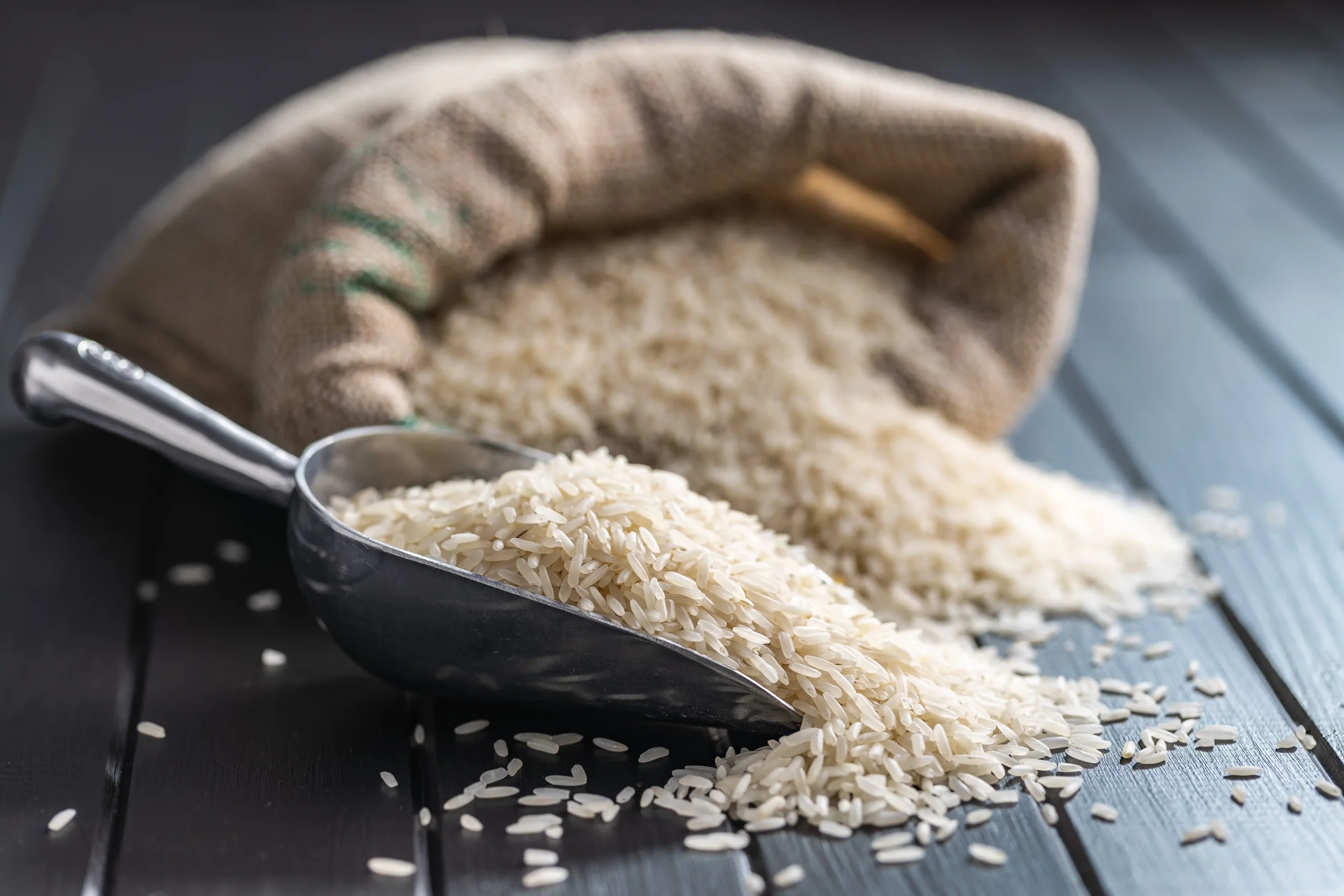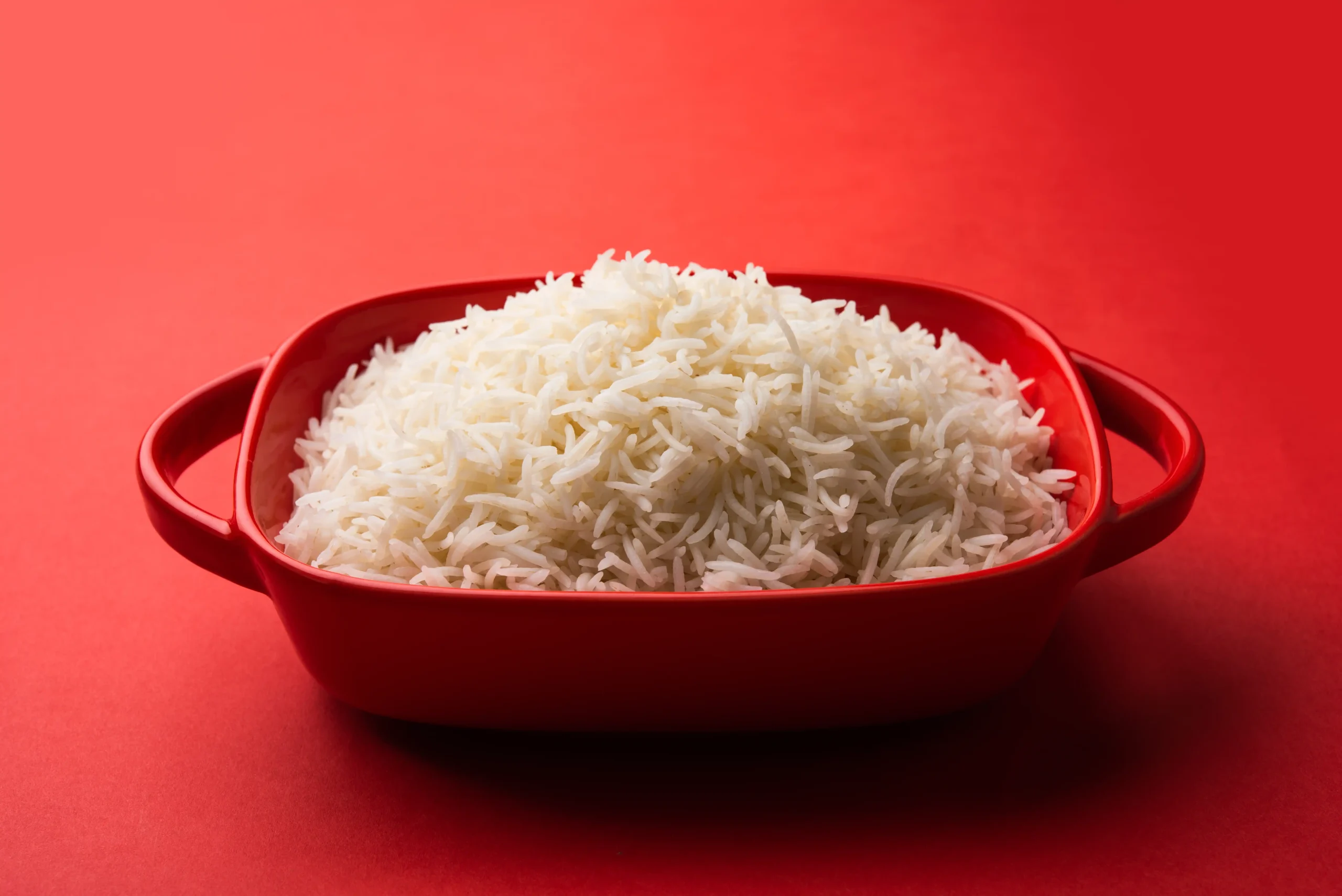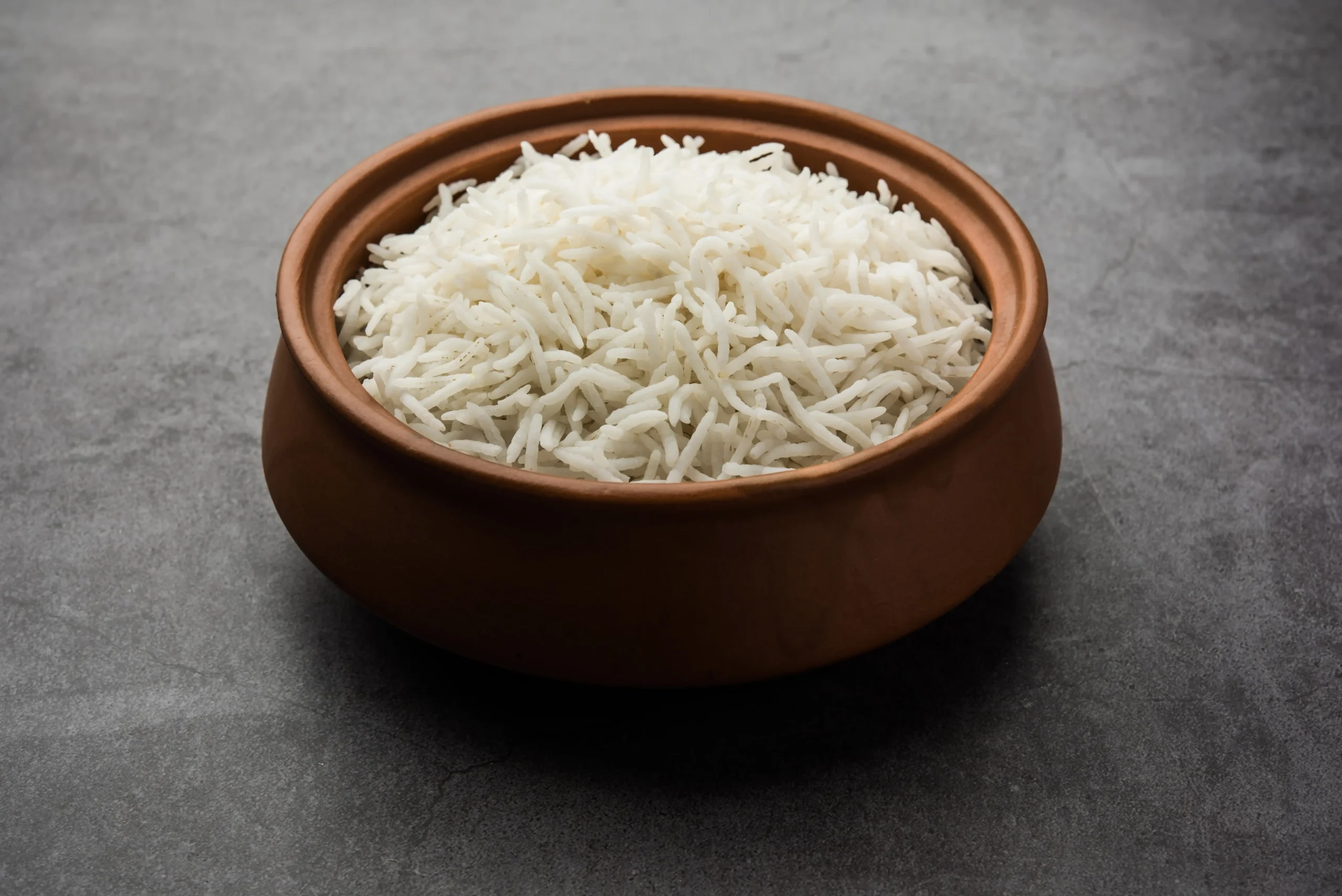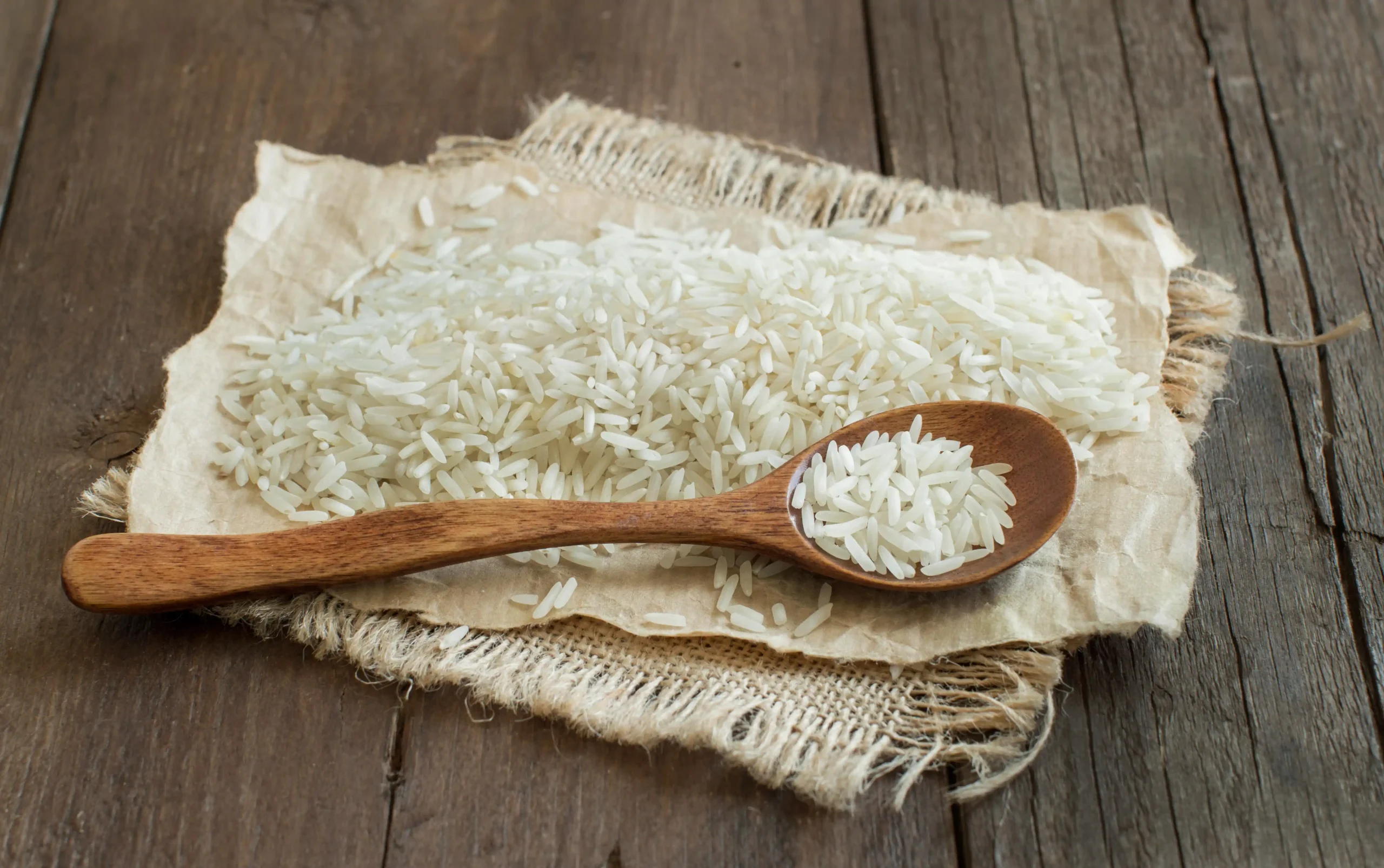
Indian rice represents a rich agricultural tradition shaped by climate, soil quality, and centuries-old cultivation practices. Among its most recognized varieties, long-grain basmati stands out with its naturally elongated shape, delicate aroma, and light texture after cooking. Different processing methods create distinct rice types, each suited to specific culinary needs. White (steam) rice preserves the grain’s natural color and fragrance through gentle steaming, while parboiled varieties undergo soaking and controlled heat treatment that enhance grain strength and consistency. These differences allow Indian rice to adapt easily to both everyday meals and refined dishes.
Indian rice is valued not only for its flavor but also for its performance in the kitchen. Long grains that remain separate after cooking, high volume expansion, and stable texture make it ideal for pilaf, biryani, and international rice-based recipes. Parboiled options offer improved resistance to overcooking and maintain their structure during extended preparation, while steam-processed types deliver a softer bite and a more pronounced aroma. Thanks to these characteristics, Indian rice continues to be a preferred choice for professional kitchens and home cooks seeking reliable quality and authentic taste.
Indian Rice Recipe
Indian rice recipes are built around careful preparation techniques that highlight the natural qualities of the grain rather than masking them. Before cooking, rice is typically rinsed several times to remove excess surface starch, which helps achieve a cleaner taste and a lighter texture. In many traditional methods, the rice is also soaked for a short period; this allows the grains to absorb water evenly and cook more uniformly. The cooking process itself often emphasizes balance, enough moisture to soften the grain, but not so much that the structure is lost.
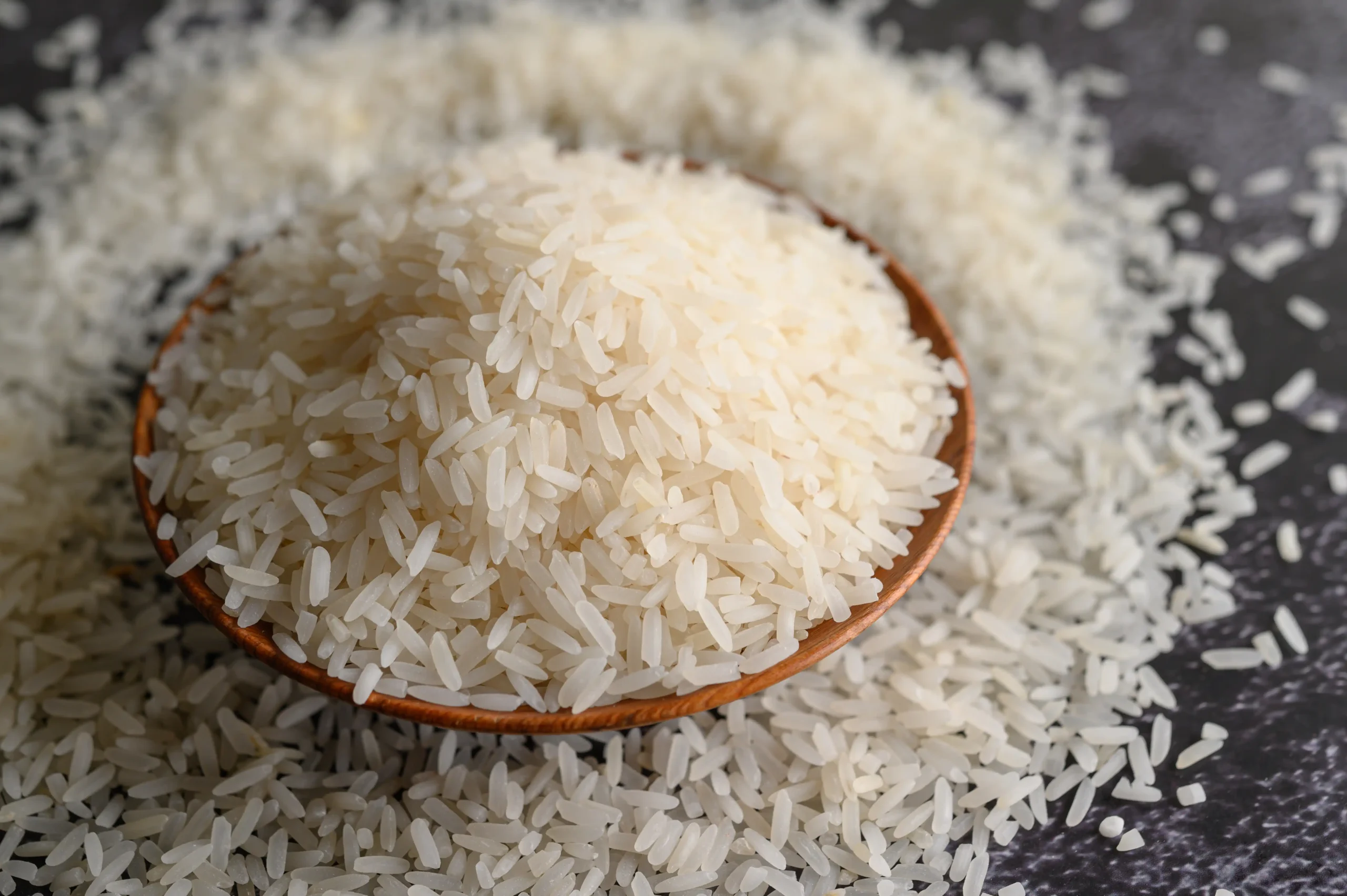
Indian rice recipes vary widely depending on the dish, yet some common principles remain consistent. Long-grain rice is usually cooked until the grains are fully elongated and separate, making it ideal for pilaf-style dishes, spiced rice meals, and layered preparations. Parboiled rice types are frequently chosen for recipes that involve longer cooking times, as they maintain firmness and resist breaking.
Common steps found in many Indian rice recipes include:
- Rinsing the rice thoroughly until the water runs clear
- Soaking the rice briefly to improve grain expansion
- Using precise water-to-rice ratios to control texture
- Allowing the rice to rest after cooking so excess steam can escape
Spices, herbs, or aromatic ingredients are often added during cooking, but the rice itself remains the foundation of the dish. When prepared correctly, Indian rice recipes deliver a balance of aroma, texture, and visual appeal that complements both simple meals and elaborate cuisine.
Indian Basmati Rice
Indian basmati rice is widely appreciated for its long, slender grains, distinctive aroma, and elegant appearance after cooking. Grown in specific regions with suitable soil and climate conditions, this rice develops characteristics that set it apart from standard long-grain varieties. One of its most notable features is grain elongation during cooking, where the rice lengthens rather than widens, resulting in a refined and fluffy presentation.
Processing methods play a significant role in shaping the final qualities of Indian basmati rice. Steam-processed basmati retains its natural white color and delicate fragrance, offering a soft texture that suits light rice dishes. Parboiled basmati undergoes soaking and steaming while still in the husk, allowing nutrients to move into the grain and giving it greater strength during cooking. Golden varieties are processed with more intensive heat, creating a warm color and a firmer bite.
Key characteristics commonly associated with Indian basmati rice include:
- Long, uniform grains with minimal breakage
- A naturally aromatic profile that develops during cooking
- High volume expansion, ideal for layered and spiced dishes
- The ability to remain separate and non-sticky
Because of these attributes, Indian basmati rice is frequently chosen for both everyday meals and special occasions. Its consistency, visual elegance, and adaptability across different cooking techniques make it a staple ingredient in kitchens that value both tradition and quality.