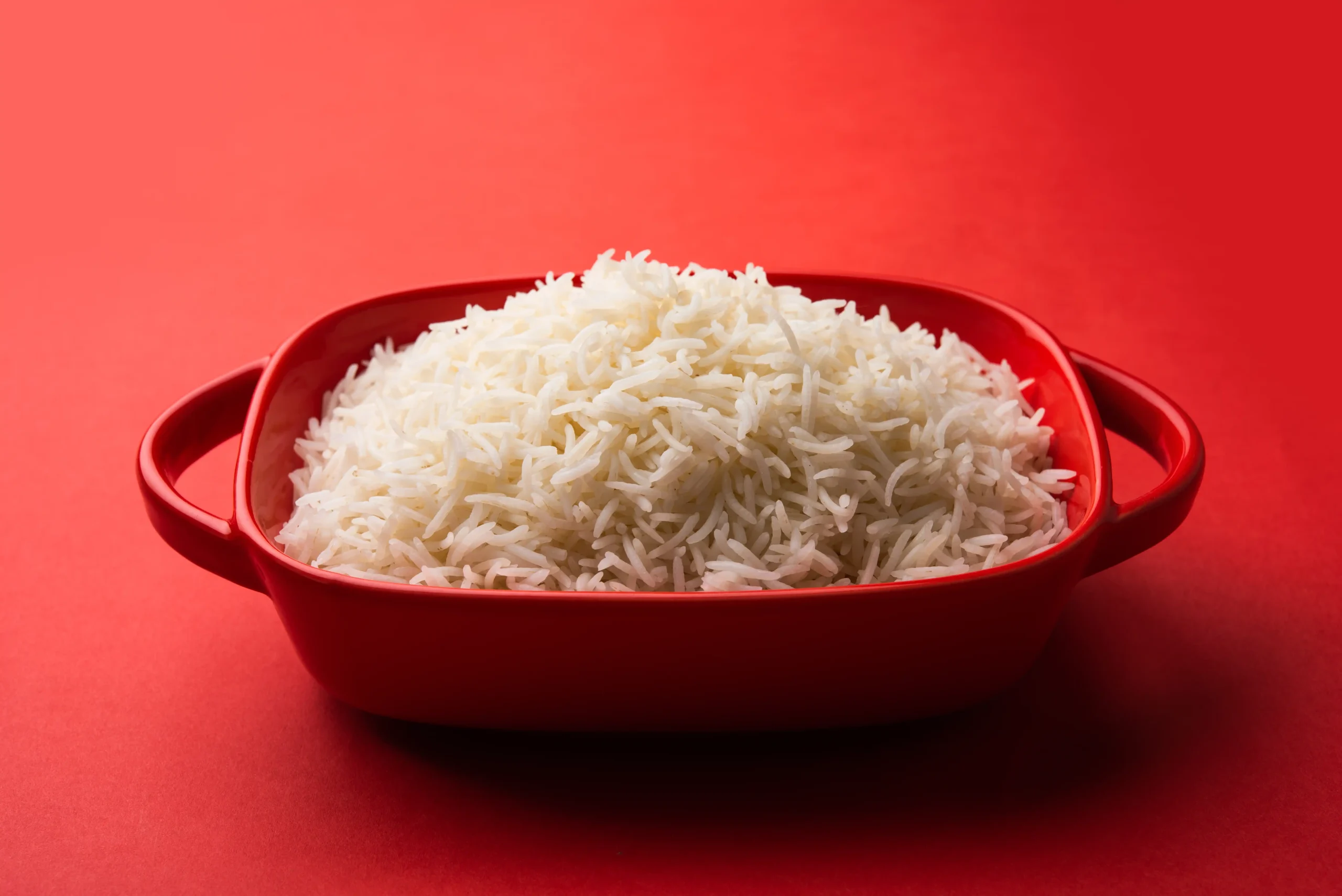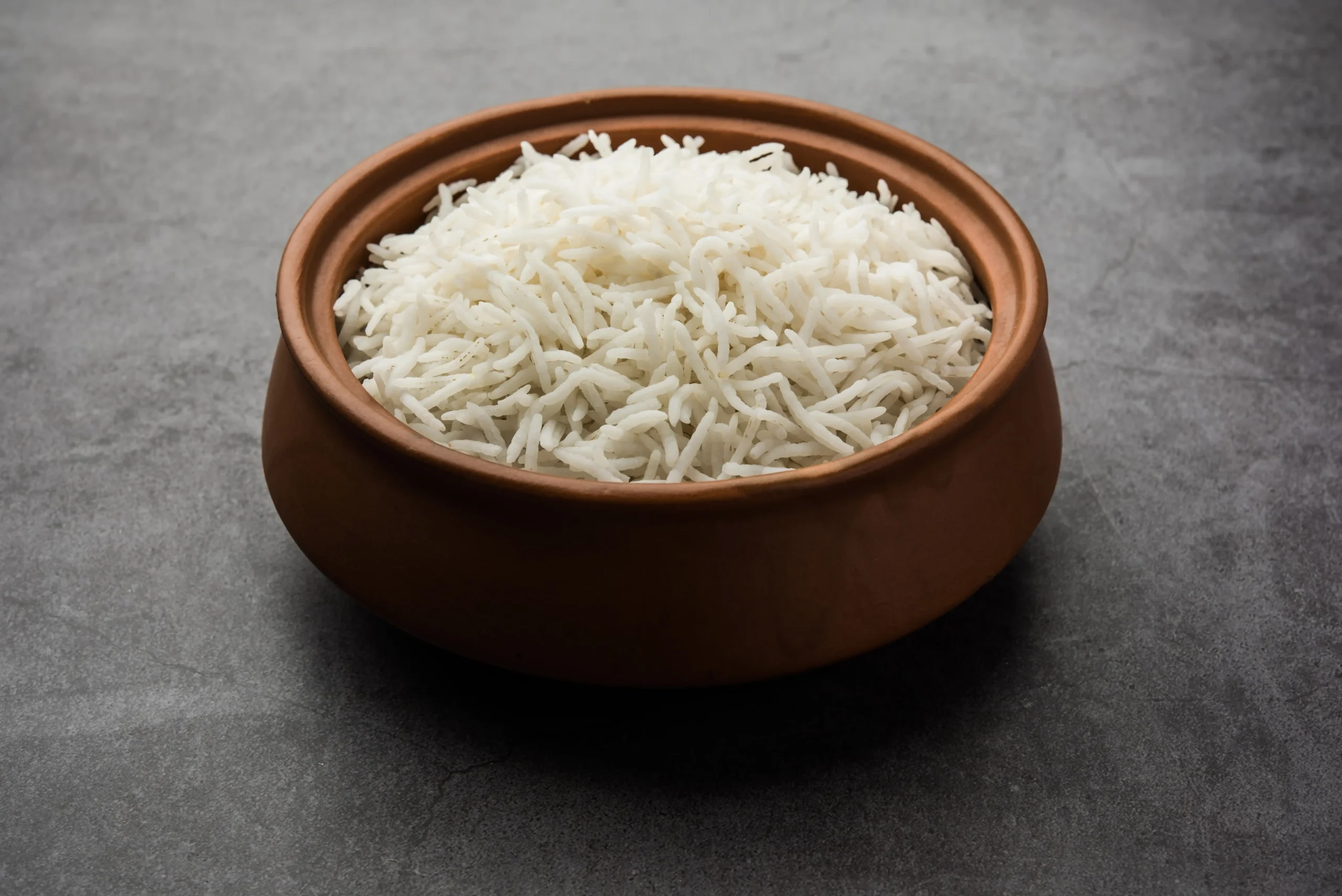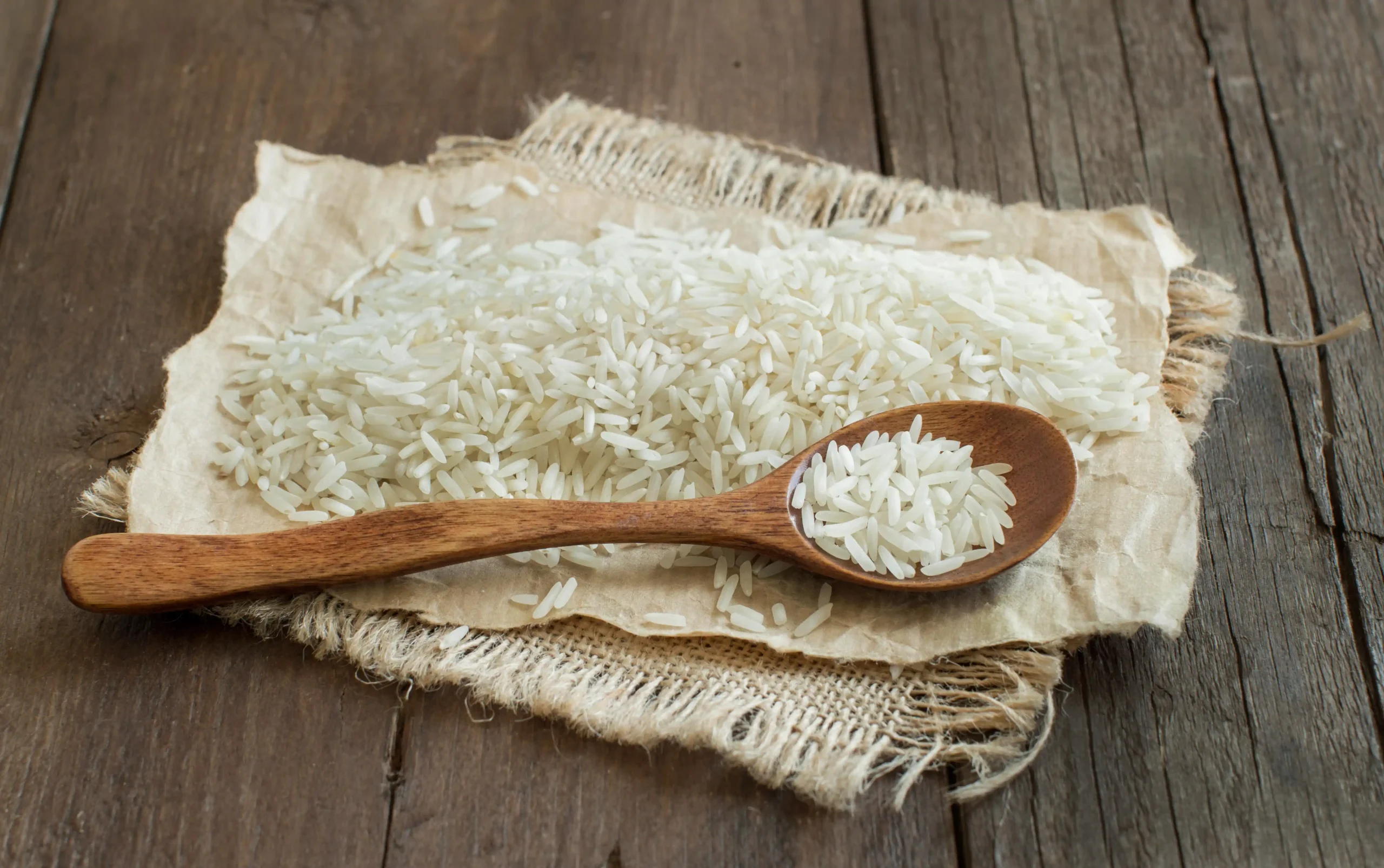
Is basmati rice healthy is a question often asked by people who pay attention to their diet. This type of rice is low in fat and high in carbohydrates, making it a valuable source of energy. It also contains more fiber compared to regular white rice, which supports healthy digestion. Basmati rice has a low glycemic index, meaning it raises blood sugar levels more slowly -a beneficial feature for those concerned about diabetes risk. In addition, it provides essential minerals such as potassium, magnesium, and B vitamins, helping the body maintain balanced nutrition.
Is basmati rice healthy also depends on how it is prepared and consumed. When eaten in moderate portions, it can be part of a balanced and nutritious diet. Brown basmati rice, in particular, retains more fiber and minerals since it is less processed, which helps promote fullness and supports digestion. However, excessive intake may contribute to excess carbohydrate consumption, which can affect weight management. When paired with vegetables, proteins, and healthy fats, basmati rice becomes a wholesome and versatile option for balanced meals.
Is White Basmati Rice Healthy?
This question is often asked by people who want to balance taste, tradition, and nutrition in their daily meals. White basmati rice is a long-grain aromatic rice known for its fluffy texture, pleasant aroma, and lower glycemic index compared to many other white rice varieties. From a nutritional standpoint, it mainly provides carbohydrates, which are the body’s primary energy source. A standard serving offers quick and sustained energy, making it suitable for active individuals, children, and people with physically demanding routines.
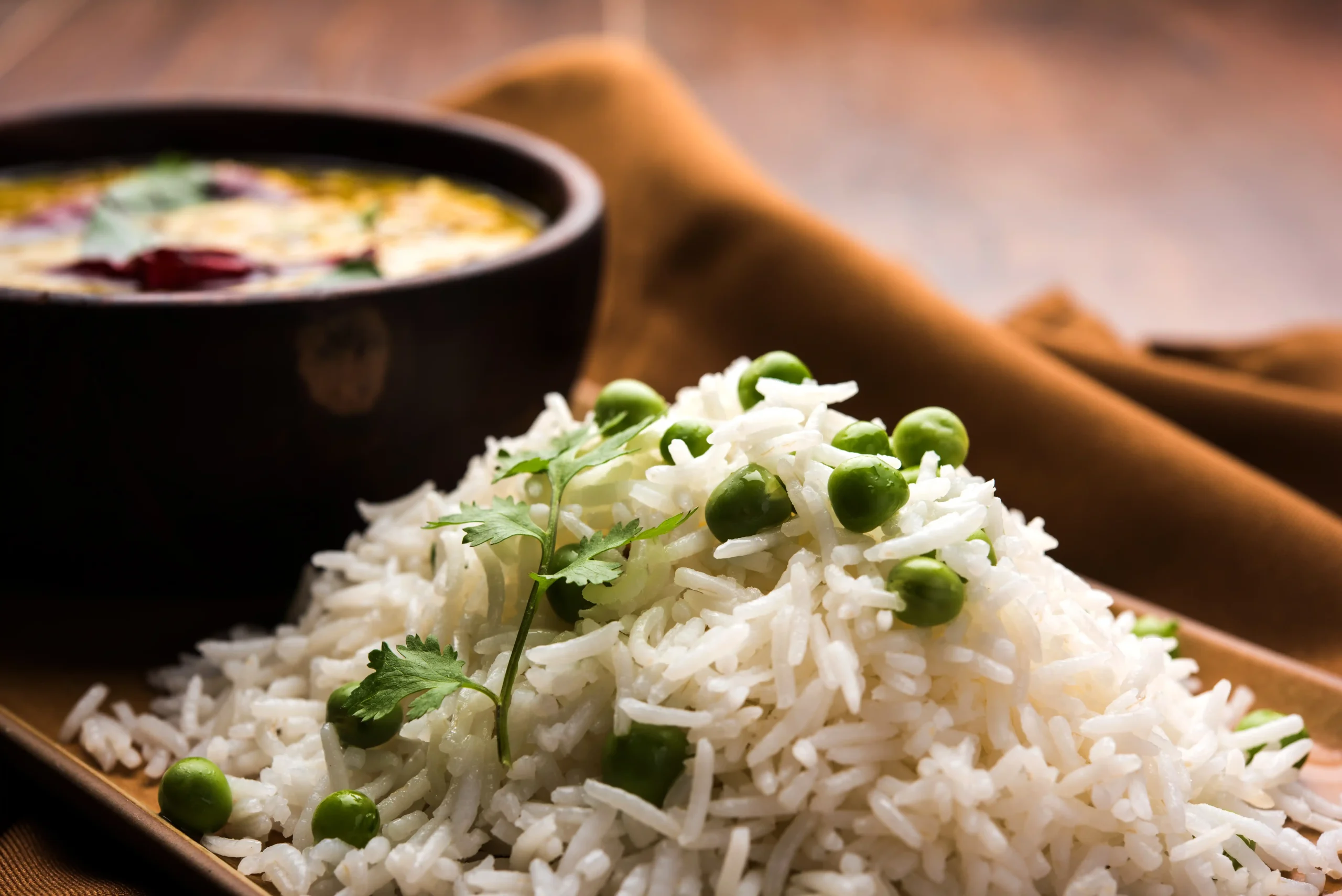
Although white basmati rice is refined and lacks the fiber content of brown rice, it still contains essential nutrients such as B vitamins, including niacin and thiamine, which support energy metabolism and nervous system function. It is naturally low in fat, cholesterol-free, and easy to digest, which makes it a common recommendation for people with sensitive digestion or during recovery diets. When portion size is controlled and it is paired with protein, healthy fats, and vegetables, white basmati rice can be part of a balanced and nutritious eating pattern.
Another health-related advantage of white basmati rice is its relatively low to medium glycemic index. This means it causes a slower rise in blood sugar levels compared to short-grain white rice, especially when cooked properly and consumed with fiber-rich foods. This characteristic makes it a more suitable option for people who are mindful of blood sugar fluctuations.
Key health considerations of white basmati rice include:
- Provides quick and clean energy for daily activities
- Naturally gluten-free and suitable for gluten intolerance
- Easier to digest than many whole grains
- Lower glycemic index than standard white rice varieties
- Best consumed with balanced meals to improve nutritional value
In summary, white basmati rice can be considered healthy when eaten in moderation and as part of a well-rounded diet rather than as a standalone food.
How Healthy is Basmati Rice?
From a broader nutritional perspective, basmati rice stands out among rice varieties due to its unique structure, aroma, and metabolic impact. Whether white or brown, basmati rice has a distinct starch composition that results in slower digestion and a more gradual release of glucose into the bloodstream. This makes it a preferred choice for people seeking steady energy without sharp blood sugar spikes.
Basmati rice contains essential micronutrients such as magnesium, phosphorus, and small amounts of iron. Brown basmati rice, in particular, retains the bran layer, which increases fiber content and supports digestive health. Fiber plays a crucial role in gut function, satiety, and cholesterol management. Even white basmati rice, while lower in fiber, still contributes to daily energy needs and pairs well with nutrient-dense foods.
Another health benefit of basmati rice is its low sodium content and absence of trans fats. This makes it heart-friendly when prepared without excessive salt or butter. It is also suitable for vegetarian and vegan diets, serving as a versatile base for legumes, vegetables, and lean protein sources. Athletes and physically active individuals often prefer basmati rice because it replenishes glycogen stores efficiently after exercise.
Health benefits commonly associated with basmati rice include:
- Supports sustained energy levels throughout the day
- Lower glycemic response compared to many rice types
- Naturally low in fat and sodium
- Suitable for diverse diets, including vegetarian and gluten-free
- Brown basmati offers added fiber for digestive health
Overall, basmati rice is a healthy carbohydrate option when portion sizes are appropriate and cooking methods remain simple and balanced.
Is Basmati Rice Healthy For Weight Loss?
This is a common concern for individuals trying to manage calories while still enjoying satisfying meals. Basmati rice can fit into a weight loss plan when consumed mindfully. Its long grains and light texture often create a sense of fullness with smaller portions compared to heavier, stickier rice varieties. This can help with portion control, which is essential for calorie management.
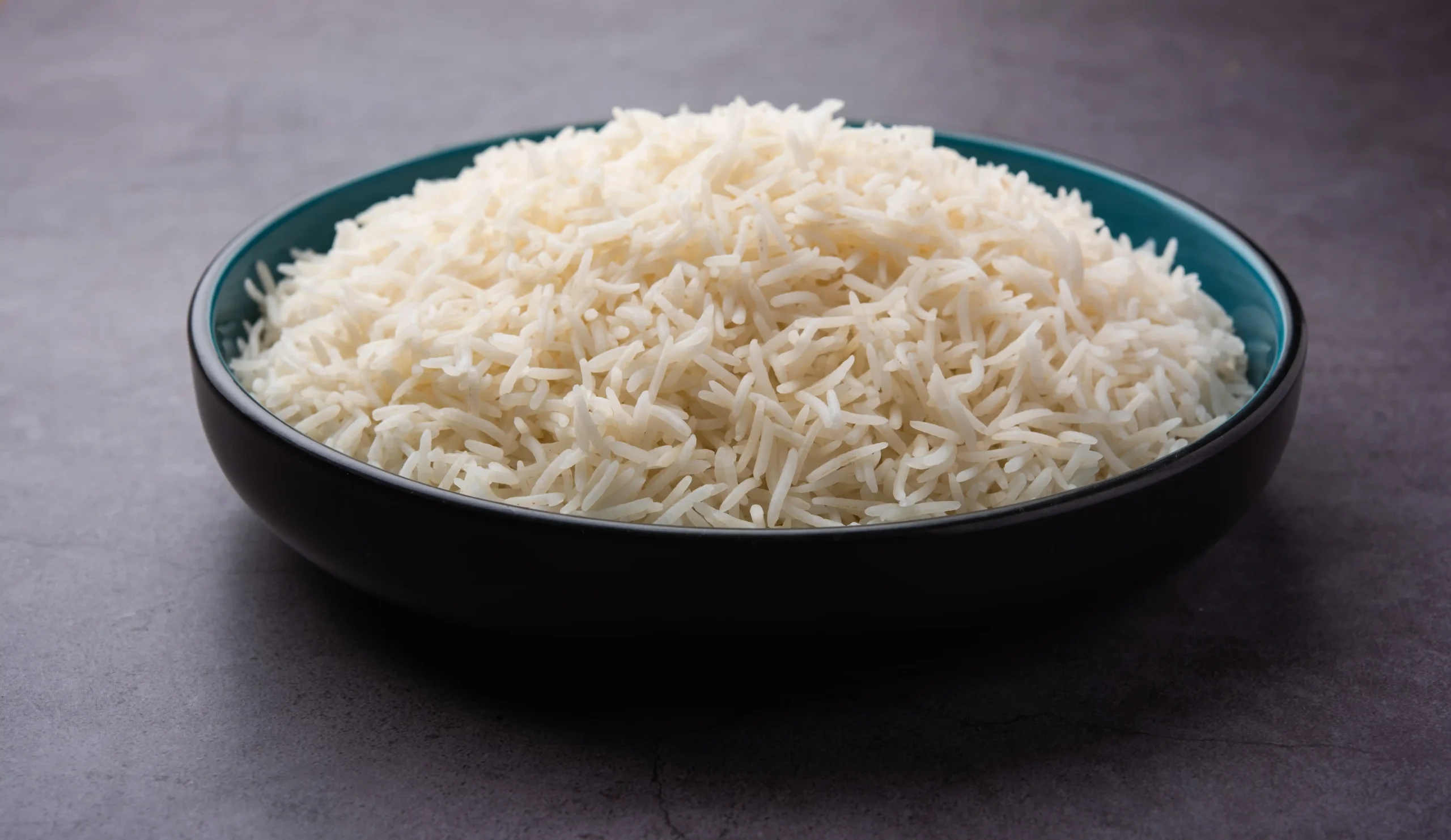
Basmati rice also has a lower glycemic index than many refined carbohydrates, which helps regulate appetite by preventing rapid blood sugar spikes and crashes. Stable blood sugar levels can reduce sudden hunger and cravings, supporting more consistent eating habits. Brown basmati rice, in particular, is beneficial for weight loss due to its higher fiber content, which promotes satiety and improves digestion.
For weight loss, preparation style is just as important as the rice itself. Cooking basmati rice without added fats and pairing it with lean protein and vegetables enhances its nutritional profile without significantly increasing calorie intake. Measuring portions and avoiding oversized servings are key strategies for using basmati rice effectively in a calorie-controlled diet.
When using basmati rice for weight loss, consider the following tips:
- Choose controlled portion sizes to manage calorie intake
- Prefer brown basmati rice for higher fiber and satiety
- Combine with protein and vegetables for balanced meals
- Avoid heavy sauces, butter, or excess oil
- Focus on overall dietary balance rather than elimination
In conclusion, basmati rice can be healthy for weight loss when eaten in moderation, prepared simply, and integrated into a balanced, calorie-aware eating plan.