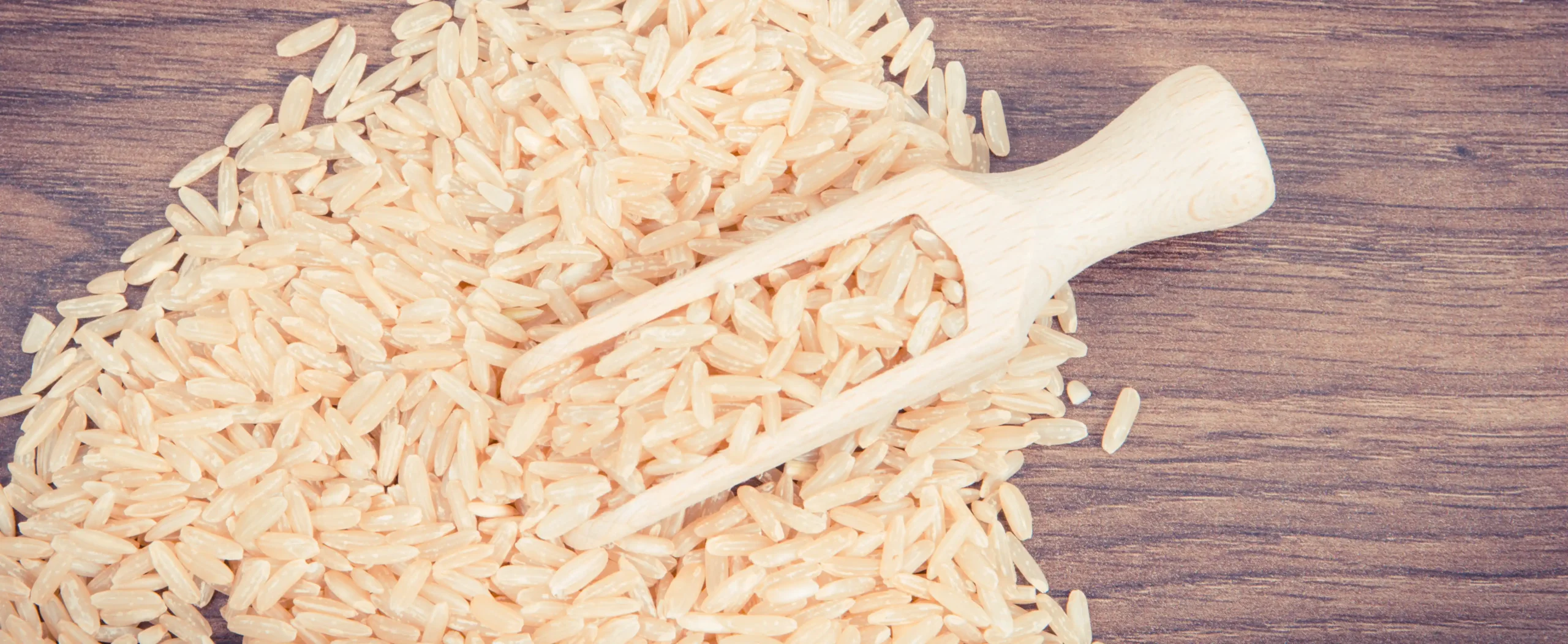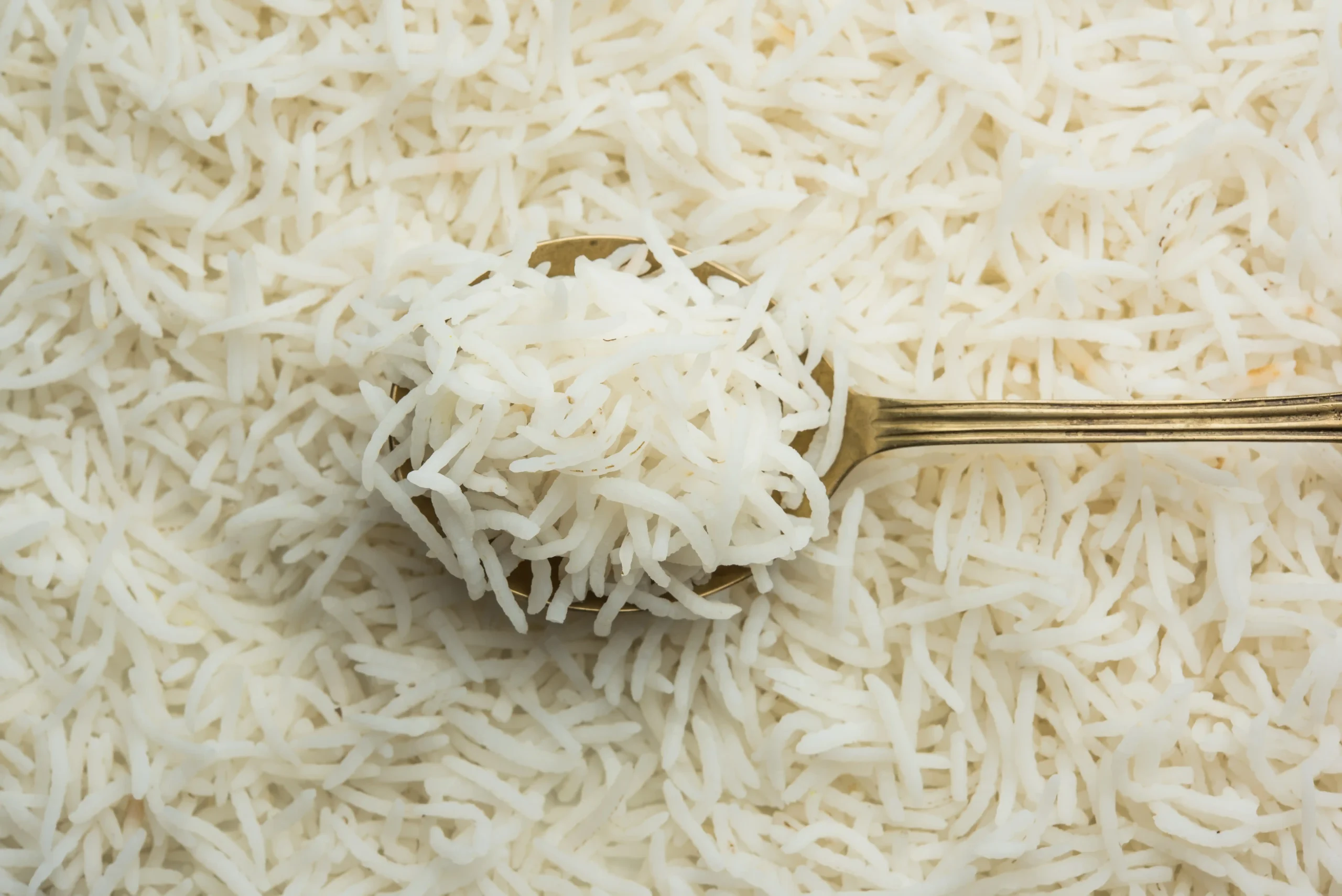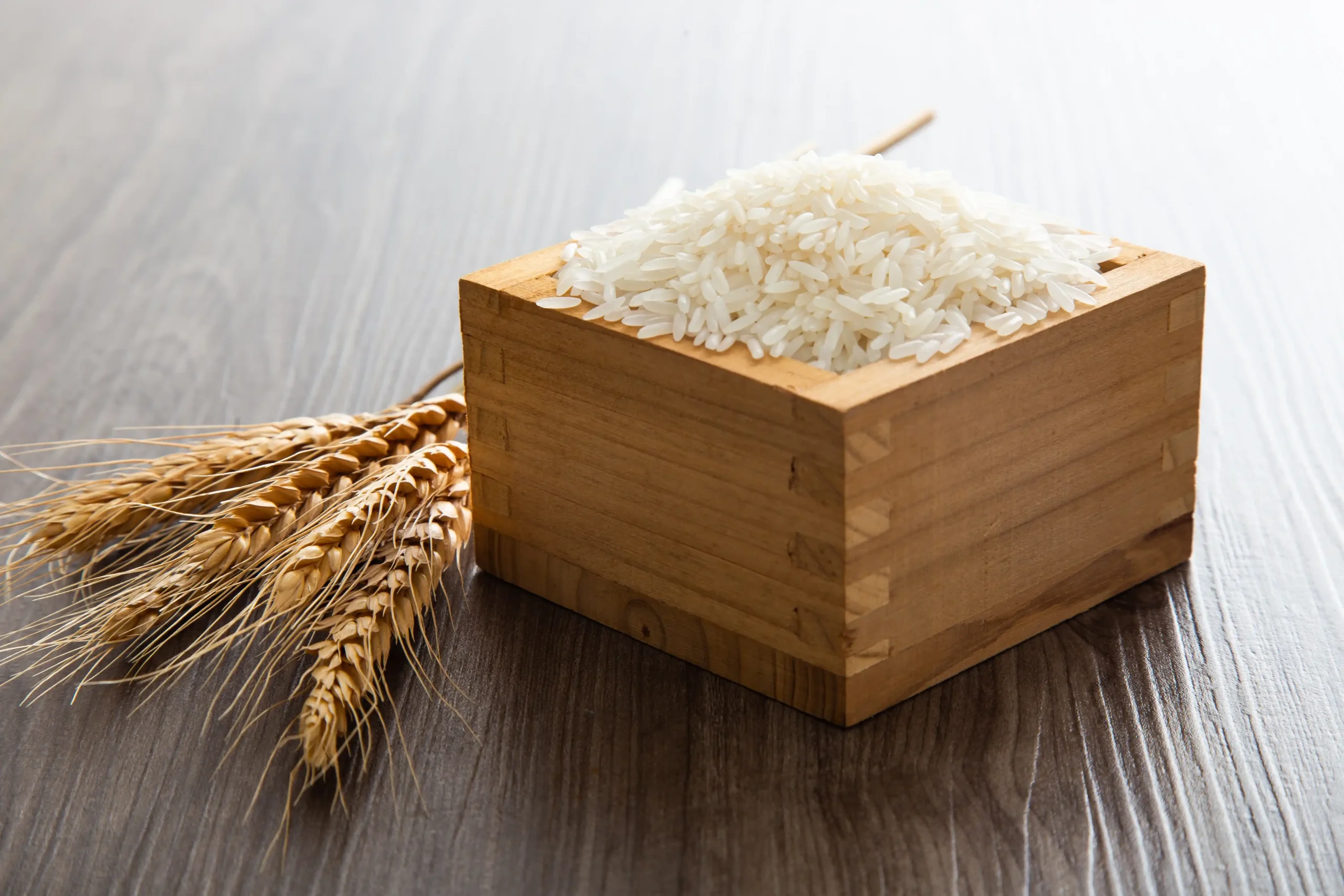
Long grain rice is widely preferred in international cuisine because it cooks into long, separate grains and delivers a clean, refined appearance on the plate. Within this category, basmati rice stands out due to its natural aroma, elongated grain structure, and controlled milling processes. Different processing methods directly influence cooking behavior: parboiled (sella) long-grain rice is produced through soaking and steaming before milling, which strengthens the grain and helps it remain firm and non-sticky after cooking. In contrast, steam-processed white basmati maintains a brighter color and a lighter texture while still preserving the characteristic length and separation expected from premium long-grain varieties.
Long grain rice is also valued for its versatility across both home cooking and large-scale foodservice applications. Golden parboiled basmati, distinguished by its warm amber tone, offers higher resistance to overcooking and retains its structure during holding or reheating, making it suitable for pilaf, catering, and buffet service. Across all long-grain types, proper preparation, such as rinsing, soaking, and using balanced water ratios, supports uniform expansion and consistent results. These characteristics position long-grain rice as a reliable option where visual quality, portion control, and stable texture are essential.
Long Grain White Rice
Long grain white rice is defined by its slender shape, extended kernel length, and the ability to cook into clearly separated grains. These characteristics make it a preferred choice in markets where visual clarity, portion control, and predictable cooking behavior are essential. According to industry classifications reflected in the available product documentation and processing descriptions, white long-grain rice is typically produced through controlled milling and light steaming methods that remove the husk and bran layers while preserving the internal starch balance. This approach results in a clean white appearance and a neutral flavor profile that adapts easily to different cuisines.
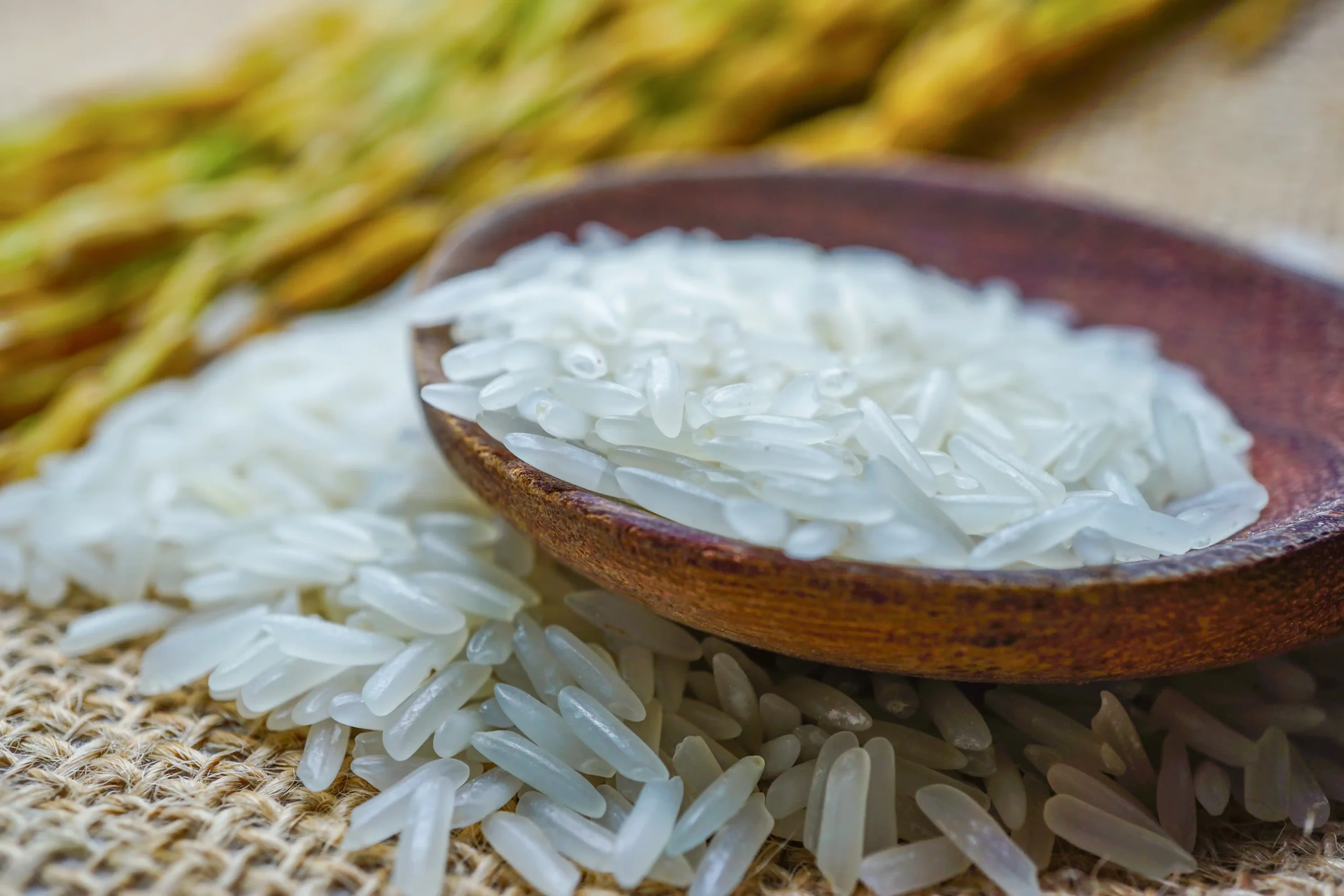
From a functional perspective, long grain white rice is valued for its consistency across cooking methods. When prepared with appropriate soaking and water ratios, the grains expand lengthwise rather than laterally, helping prevent clumping or excessive softness. This makes it suitable for both household use and professional kitchens.
- Key characteristics of long grain white rice include:
- Naturally elongated grains that remain visually distinct after cooking
- Balanced starch structure that supports fluffy, non-sticky texture
- Light color that enhances presentation in plated meals
- Neutral taste profile suitable for seasoning, sauces, and spices
- Stable cooking performance in stovetop, rice cooker, and bulk preparation environments
In commercial supply chains, long grain white rice is often selected for pilaf-style dishes, side servings, and recipes where grain definition is critical. Its predictable behavior during cooking and resting phases supports efficient kitchen workflows and reduces variability in final output. These qualities explain why long grain white rice continues to be positioned as a foundational staple in global rice markets.
Is Basmati Rice Long Grain?
Basmati rice is classified as a long grain rice, but it represents a distinct subcategory within the broader long-grain group due to its unique botanical and processing characteristics. Unlike standard long grain white rice, basmati is known for its naturally extra-long kernels, aromatic profile, and specific cultivation conditions. Product classifications referenced in the available materials highlight that basmati grains are longer and more slender, with a tendency to elongate significantly during cooking rather than becoming wider.
Processing methods further reinforce basmati’s long-grain identity. Both steam-processed white basmati and parboiled (sella) basmati undergo controlled treatments designed to protect grain integrity and enhance cooking performance. These methods contribute to basmati’s ability to remain separate, firm, and visually refined after cooking, especially when proper soaking and resting steps are applied.
Basmati rice differs from other long grain varieties in several key aspects:
- Grain length increases noticeably during cooking.
- Natural aroma distinguishes it from neutral long grain white rice.
- Firmer structure reduces breakage and stickiness.
- Parboiled versions offer higher resistance to overcooking.
- Preferred for pilaf, biryani, and premium rice presentations.
While all basmati rice is long grain, not all long grain rice qualifies as basmati. Basmati’s classification is tied to grain morphology, cultivation standards, and processing techniques that set it apart within the long-grain category. As a result, basmati rice is often positioned as a premium long-grain option, suitable for applications where both texture and sensory quality are critical.