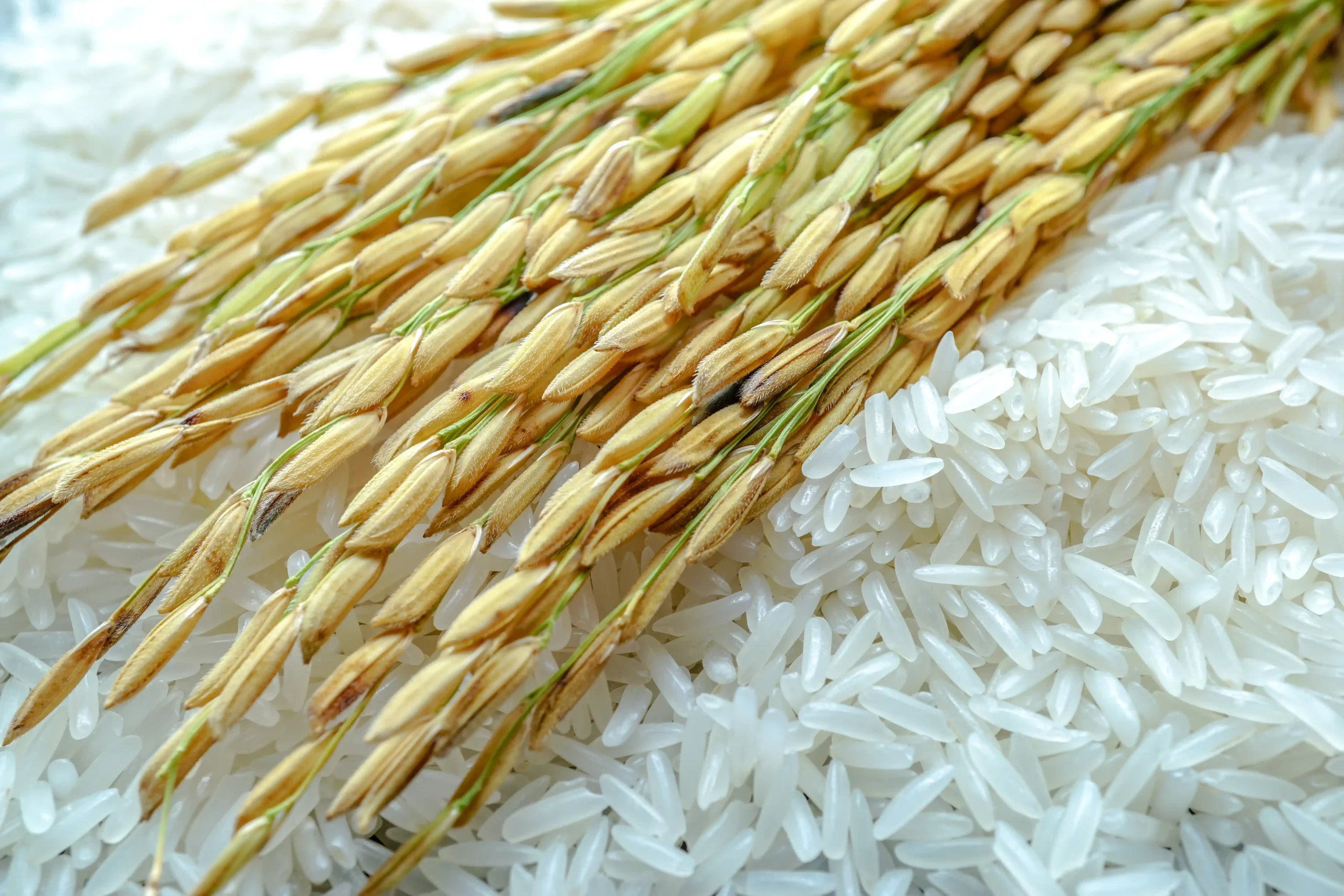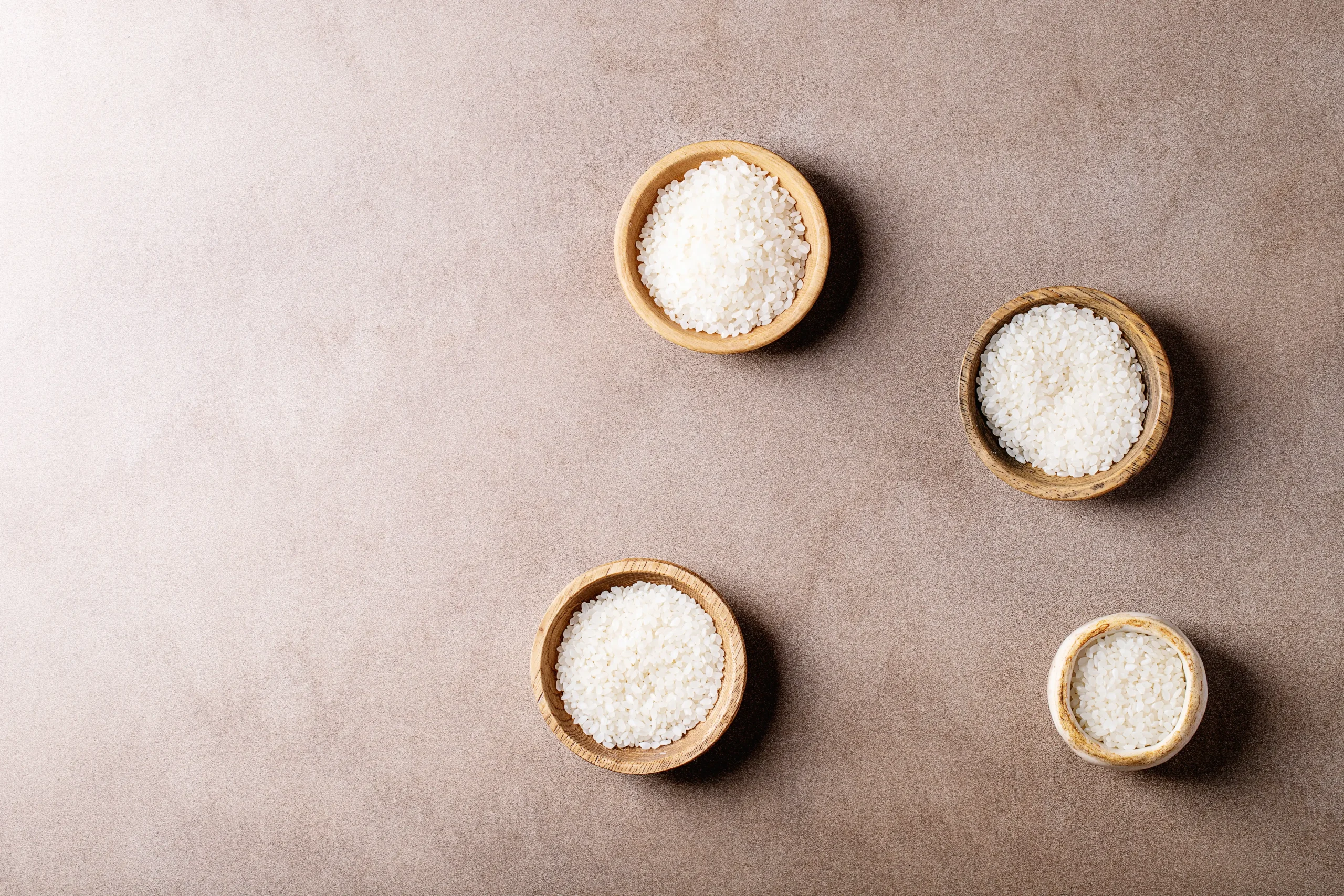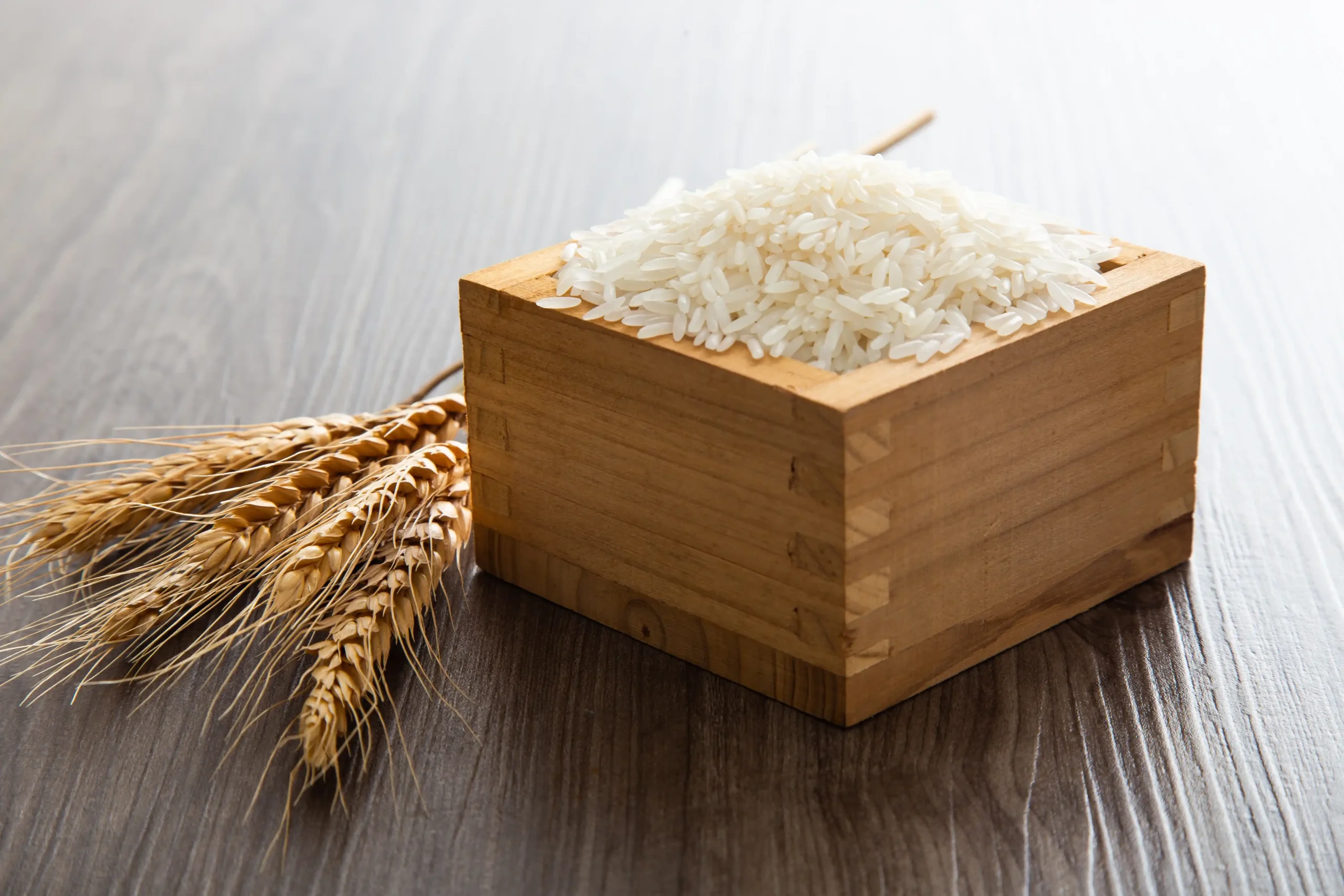
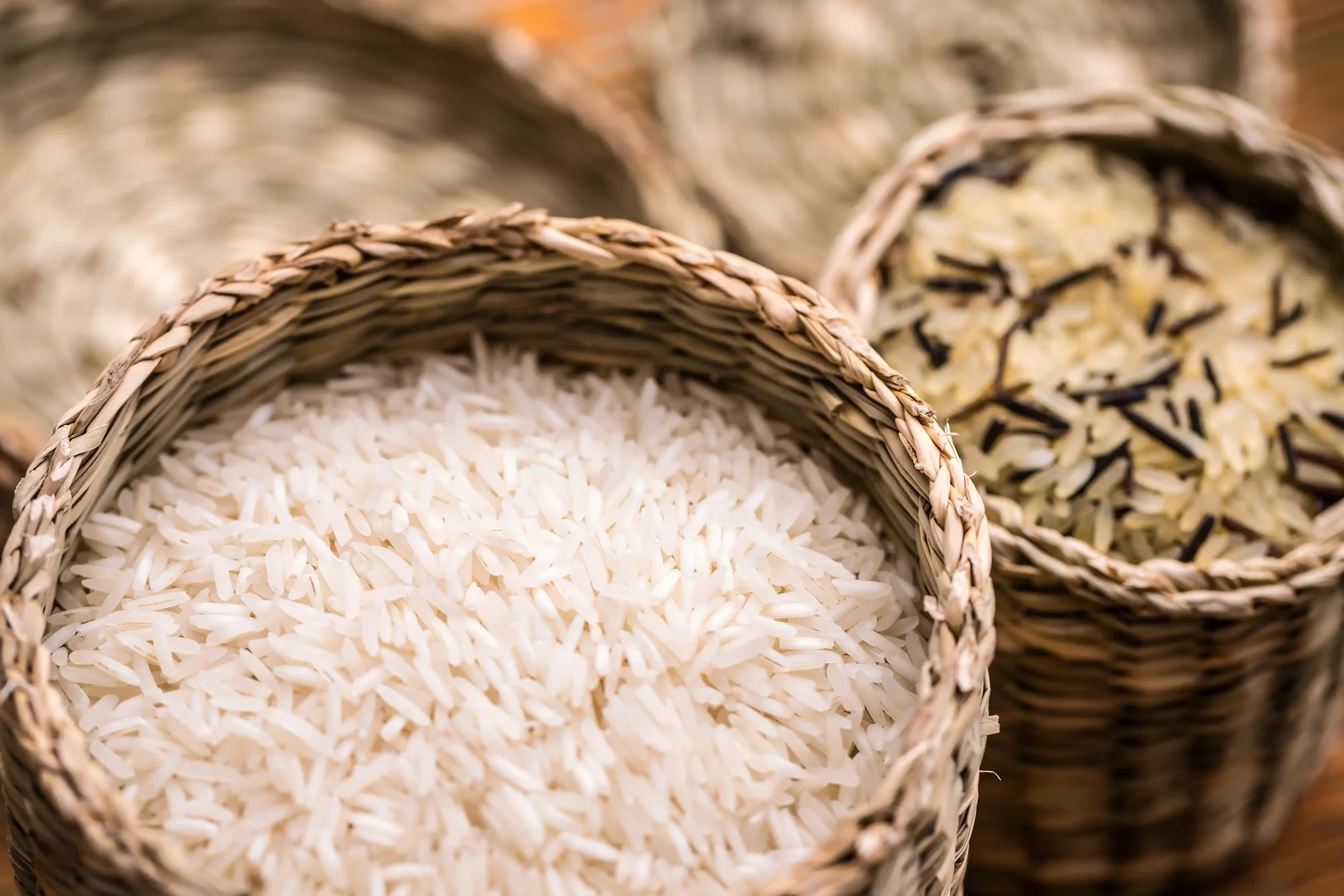
What is baldo rice? Baldo rice is a short- to medium-grain rice variety widely used in Turkish and Mediterranean cuisine, especially for dishes that require a creamy yet structured texture. It is known for its high starch content, which allows the grains to absorb liquid efficiently while maintaining their shape during cooking. This balance makes baldo rice particularly suitable for pilaf, risotto-style dishes, and stuffed recipes where the rice should be soft but not mushy. Its grains swell noticeably when cooked, delivering a full, satisfying bite that stands out from long-grain rice varieties.
What is baldo rice? It is also valued for its neutral, clean flavor profile, which easily carries spices, broths, and sauces without overpowering them. This adaptability has made baldo rice a staple in both home kitchens and professional gastronomy. Compared to aromatic rice types, it focuses more on texture than fragrance, offering consistency and reliability in cooking results. For this reason, baldo rice is often preferred in recipes where timing, moisture control, and presentation matter as much as taste.
What is Baldo Rice Used For?
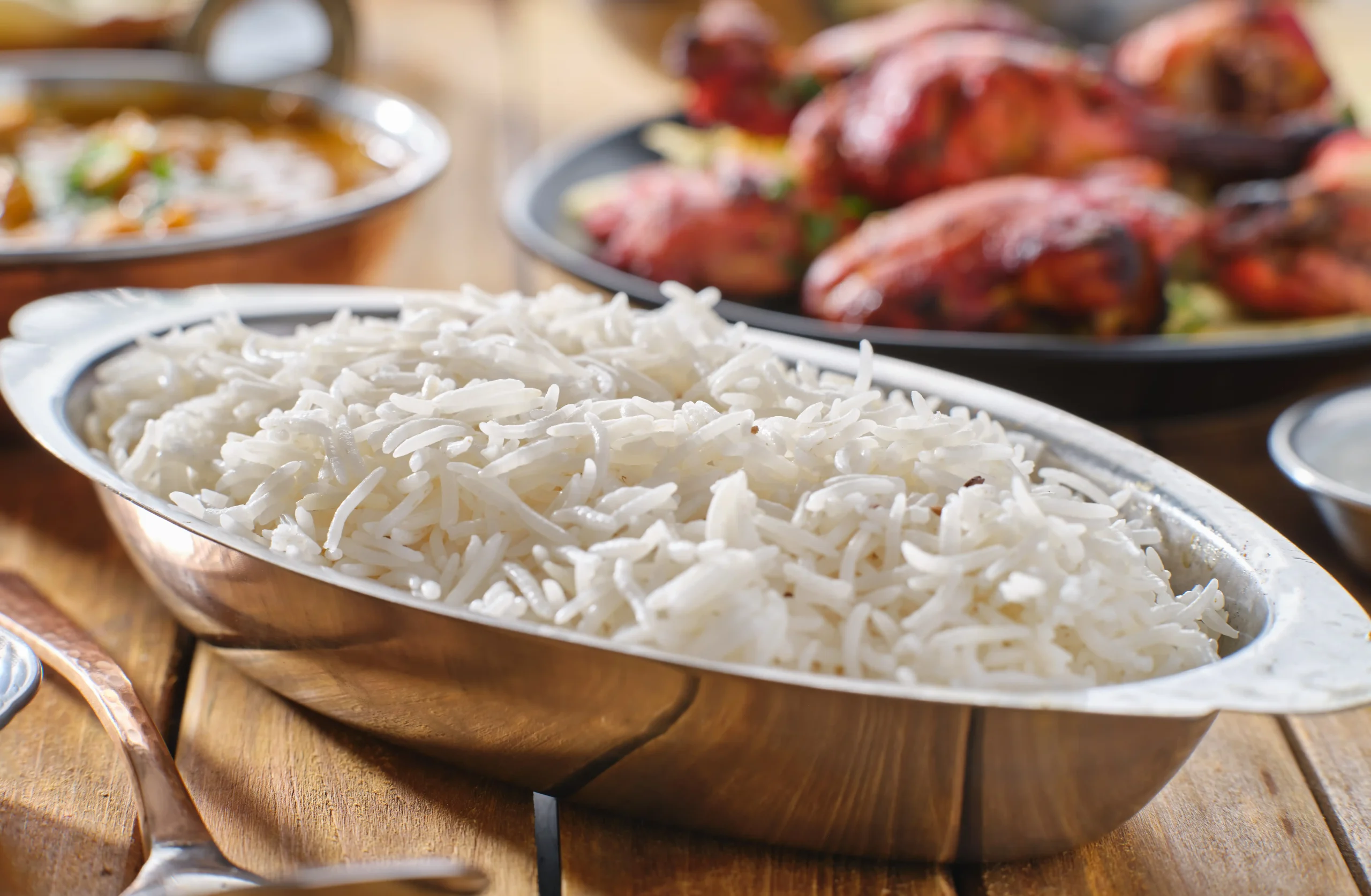
Baldo rice is primarily used in recipes where texture, absorption capacity, and structural integrity are equally important. Thanks to its short-to-medium grain structure and relatively high starch content, it performs exceptionally well in dishes that require the rice to absorb liquid while remaining intact. This makes it a preferred choice for traditional pilaf recipes, oven-baked rice dishes, and slow-cooked meals where controlled moisture distribution is essential. Unlike long-grain varieties that aim for separation, baldo rice is designed to deliver a fuller, slightly creamy mouthfeel without turning pasty.
In professional kitchens, baldo rice is often selected for recipes where consistency is critical across large batches. Its predictable cooking behavior allows chefs to maintain uniform results even when scaling up production. Home cooks also favor it for everyday meals because it is forgiving during cooking; minor variations in heat or liquid rarely compromise the final texture. This reliability contributes to its widespread use in Mediterranean, Middle Eastern, and Anatolian cuisine.
In professional kitchens, baldo rice is often selected for recipes where consistency is critical across large batches. Its predictable cooking behavior allows chefs to maintain uniform results even when scaling up production. Home cooks also favor it for everyday meals because it is forgiving during cooking; minor variations in heat or liquid rarely compromise the final texture. This reliability contributes to its widespread use in Mediterranean, Middle Eastern, and Anatolian cuisine.
Baldo rice is also suitable for dishes that involve secondary cooking processes, such as reheating or baking after boiling. Stuffed vegetables, layered casseroles, and rice-based fillings benefit from its ability to hold shape over time. In these applications, the rice continues to absorb surrounding flavors without breaking down, enhancing both taste and presentation.
Common uses include:
- Classic pilaf and butter-based rice dishes
- Oven-baked rice meals
- Stuffed vegetables and dolma-style recipes
- Restaurant-style portioned rice servings
Mahmood Rice Baldo
Mahmood Rice Baldo is a carefully selected baldo rice designed to deliver consistent cooking results across different preparation methods. Its grain structure is well suited for controlled water absorption, allowing the rice to cook evenly without losing its shape. This makes it a reliable option for home kitchens as well as professional food service environments where repeatable texture and appearance are important.
One of the defining characteristics of Mahmood Rice Baldo is its compatibility with pre-soaking. Soaking the rice for 20–30 minutes before cooking helps the grains absorb moisture gradually, supporting uniform cooking from the inside out. This step is especially effective when cooking with closed or semi-closed systems such as microwave cooking, covered pots, or rice cookers. As a result, the rice develops a balanced texture that is neither dry nor overly soft.
Mahmood Rice Baldo is also designed to perform consistently across multiple heat sources. Whether prepared in a microwave, on the stovetop, or in a rice cooker, the rice responds predictably when the correct water ratio and resting time are applied. A short resting period after cooking allows excess surface moisture to redistribute, helping the grains settle and achieve their final structure.
Overall, Mahmood Rice Baldo stands out for:
- Stable grain structure during cooking
- Compatibility with soaking and resting stages
- Reliable performance across different cooking methods
- Clean, well-defined texture after cooking
These qualities make it a versatile baldo rice option for a wide range of recipes.
Baldo Rice Water Ratio
Baldo rice water ratio varies depending on the cooking method, and for Mahmood Rice Baldo, these ratios are clearly defined to ensure optimal results. All measurements are based on 100 g of rice, with water levels adjusted according to heat intensity, cooking duration, and evaporation rate. Using the correct ratio is essential to achieve fully cooked grains while preserving their structure.
For microwave cooking, a higher water ratio is required due to rapid heat transfer and enclosed cooking conditions. The recommended method includes:
- 100 g rice
- 255 ml water
- Cooking at 1100 W for 9 minutes
- Followed by 5 minutes resting
- Rice should be soaked for 20–30 minutes and cooked covered
In stovetop cooking, water evaporation is more controlled, so a lower ratio is sufficient:
- 100 g rice
- 200 ml water
- Cooked over medium heat for 14 minutes
- Followed by 5 minutes resting
- Boiling water is added, lid kept closed during cooking
For a rice cooker, the same ratio as stovetop cooking applies:
- 100 g rice
- 200 ml water
- Cooked at approximately 190°C for 20 minutes
- Followed by 5 minutes resting
- Pre-soaking remains recommended
When these ratios are applied correctly, baldo rice cooks evenly, maintains its shape, and reaches an ideal serving texture.
When determining the correct water ratio for baldo rice, the cooking environment plays a decisive role. Faster and fully enclosed methods such as microwave cooking require a higher amount of water to compensate for intense heat and limited evaporation. In contrast, stovetop and rice cooker methods operate with more controlled heat distribution, allowing a standard water ratio to deliver balanced absorption and even cooking. Regardless of the method used, resting time after cooking remains essential, as it allows excess surface moisture to redistribute within the grains, helping baldo rice achieve its final, well-defined texture.