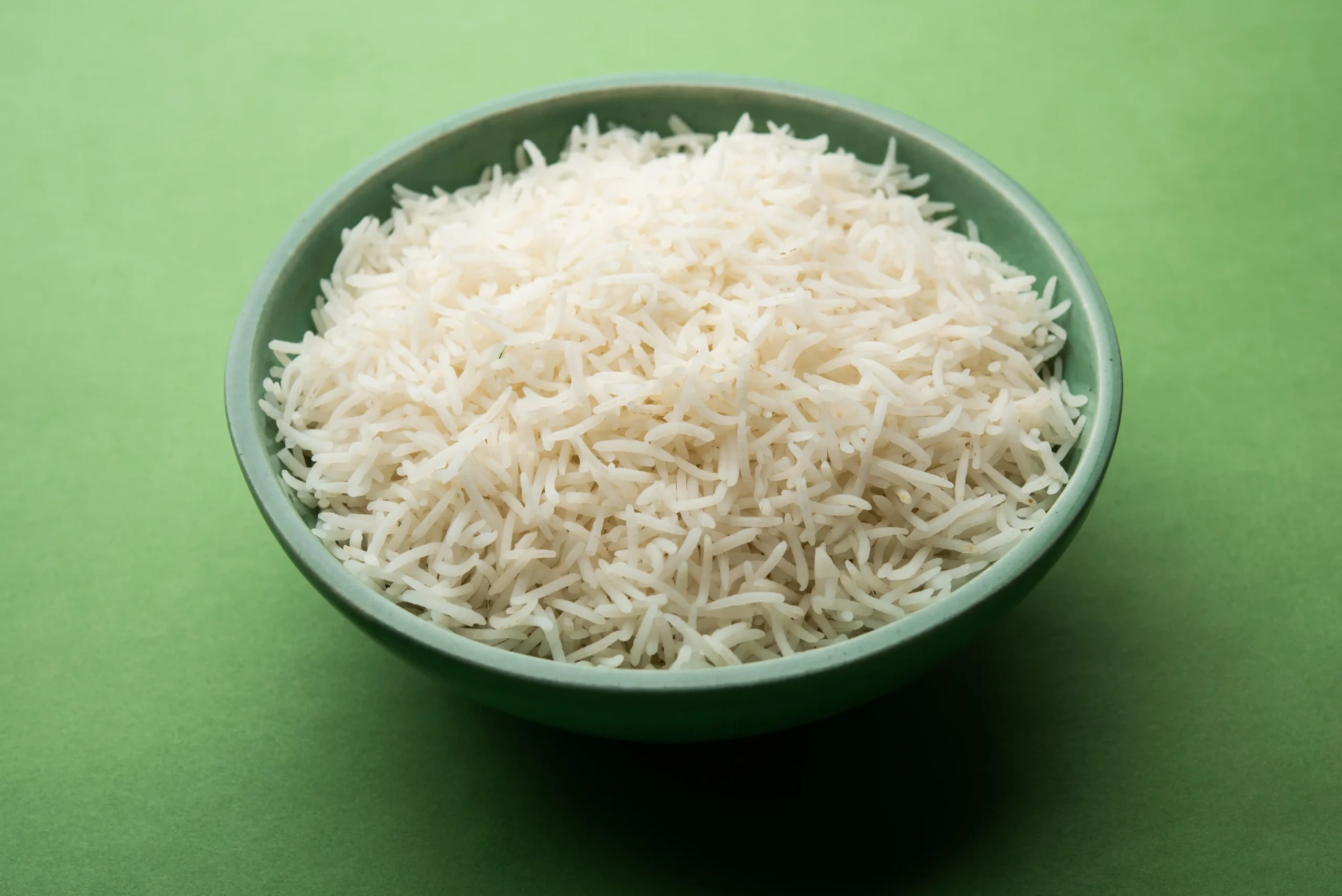
Is basmati rice sticky? Basmati rice does not have one fixed texture across every type. Some Basmati varieties are described as non-sticky, while others offer balanced or softer textures depending on how the rice is processed. However, Basmati rice is generally considered non-sticky, with grains that remain separate after cooking.
Is basmati rice sticky? Texture can vary with basmati variety, processing method, soaking, and preparation, so one description does not fit every product. Some varieties are specifically described as remaining separate and non-sticky after cooking, while others are characterized by softer or balanced textures. Water quantity and cooking method should therefore follow the instructions for the exact rice you are preparing for consistent results.
Is Basmati Rice Sticky When Cooked?
Basmati rice is not described with one single texture after cooking, because the result can differ according to the specific Basmati variety and processing method. Some varieties are characterized as non-sticky after cooking, while others are described with softer or more balanced textures. For this reason, cooked Basmati should not automatically be expected to have exactly the same texture across every product.
Several details can influence the final result:
- Different Basmati varieties can produce different textures after cooking, so the exact product type should be considered before preparation.
- White, steamed, and parboiled Basmati products may respond differently during cooking because their processing methods are not the same.
- Some varieties require soaking before cooking, and the recommended soaking period should be followed according to the product instructions.
- Water quantity also changes by rice type, so using one fixed ratio for every Basmati variety may affect the intended result.
- Cooking steps can vary between stovetop, microwave, oven, or other recommended methods, making the preparation guide important for consistency.
If you want the rice to cook as intended, the most reliable approach is to follow the instructions for the exact Basmati variety you are using. Rather than treating stickiness as a fixed characteristic of all Basmati rice, it is more accurate to consider the product type, processing, soaking, water quantity, and preparation method together.

Why Does Basmati Rice Become Sticky?
Basmati rice may seem stickier than expected when the preparation does not match the instructions recommended for the particular variety. Basmati products can differ in processing and intended texture, so the same soaking time, water quantity, or cooking approach should not automatically be applied to every type.
If the cooked rice does not have the expected texture, several preparation details are worth checking:
- Make sure the soaking period matches the instructions for the Basmati variety you are preparing rather than using the same timing for every product.
- Measure the recommended amount of water carefully, as water quantities can differ between Basmati types and cooking methods.
- Follow the cooking instructions on the packaging instead of using instructions intended for another rice variety.
- Complete any resting stage included in the preparation guide before serving the rice.
The processing method should also be considered. White, steamed, and parboiled Basmati varieties can have different texture characteristics, so one result should not be expected from all of them. If Basmati rice seems unusually sticky after cooking, checking the exact product instructions for soaking, water quantity, cooking method, and resting is the most reliable place to start.
How to Keep Basmati Rice from Sticking?
Keeping Basmati rice from becoming stickier than intended starts with following the preparation instructions for the exact variety you are cooking. Different Basmati products can require different soaking periods, water quantities, and cooking steps, so using one method for every type may change the final texture.
A few preparation habits can help you follow the intended cooking process more closely:
- Check whether your Basmati variety requires soaking and keep it in water for the recommended period before cooking.
- Measure the specified amount of water instead of applying the same ratio to every Basmati product.
- Follow the cooking method provided for that variety, including the recommended sequence of preparation steps.
- Avoid changing the suggested cooking or resting stages, as these can vary according to the Basmati type and processing method.
- Allow the rice to complete any resting period included in the instructions before serving.
White, steamed, and parboiled Basmati varieties are processed differently, so their preparation should be approached according to their individual guidance. If your goal is to achieve the texture intended for a particular Basmati rice, matching the soaking, water quantity, cooking method, and resting instructions to that exact product is the most reliable approach.

Basmati Rice Texture: Fluffy vs Sticky
Basmati rice texture is not identical across every variety. Different Basmati products can be described with characteristics such as a non-sticky result, a softer texture, or a more balanced consistency. These differences are connected to the particular Basmati type and the way the rice has been processed, so one texture description should not be applied to every product.
The comparison below shows how these characteristics can be understood when choosing and preparing Basmati rice:
| Texture Point | What to Expect |
| Grain structure | Basmati is recognized for its characteristically long and slender grains |
| Non-sticky texture | Considering the general characteristics of Basmati rice, it can be described as non-sticky. |
| Softer texture | Certain varieties can have a softer texture depending on the product. |
| Balanced texture | Some Basmati types are described as having a balanced texture rather than one fixed consistency |
| Processing | White, steamed, and parboiled Basmati products can have different texture characteristics |
The final texture should therefore be considered together with the specific Basmati variety and its preparation instructions. Following the recommended soaking, water quantity, cooking method, and resting guidance helps produce the result intended for that particular rice rather than expecting every Basmati product to cook in exactly the same way.
Choosing the right Basmati rice starts with understanding how different varieties can vary in aroma, texture, processing, and preparation. Explore the Mahmood Rice Basmati range to compare available options and find the rice that best matches your preferred cooking method and recipe.