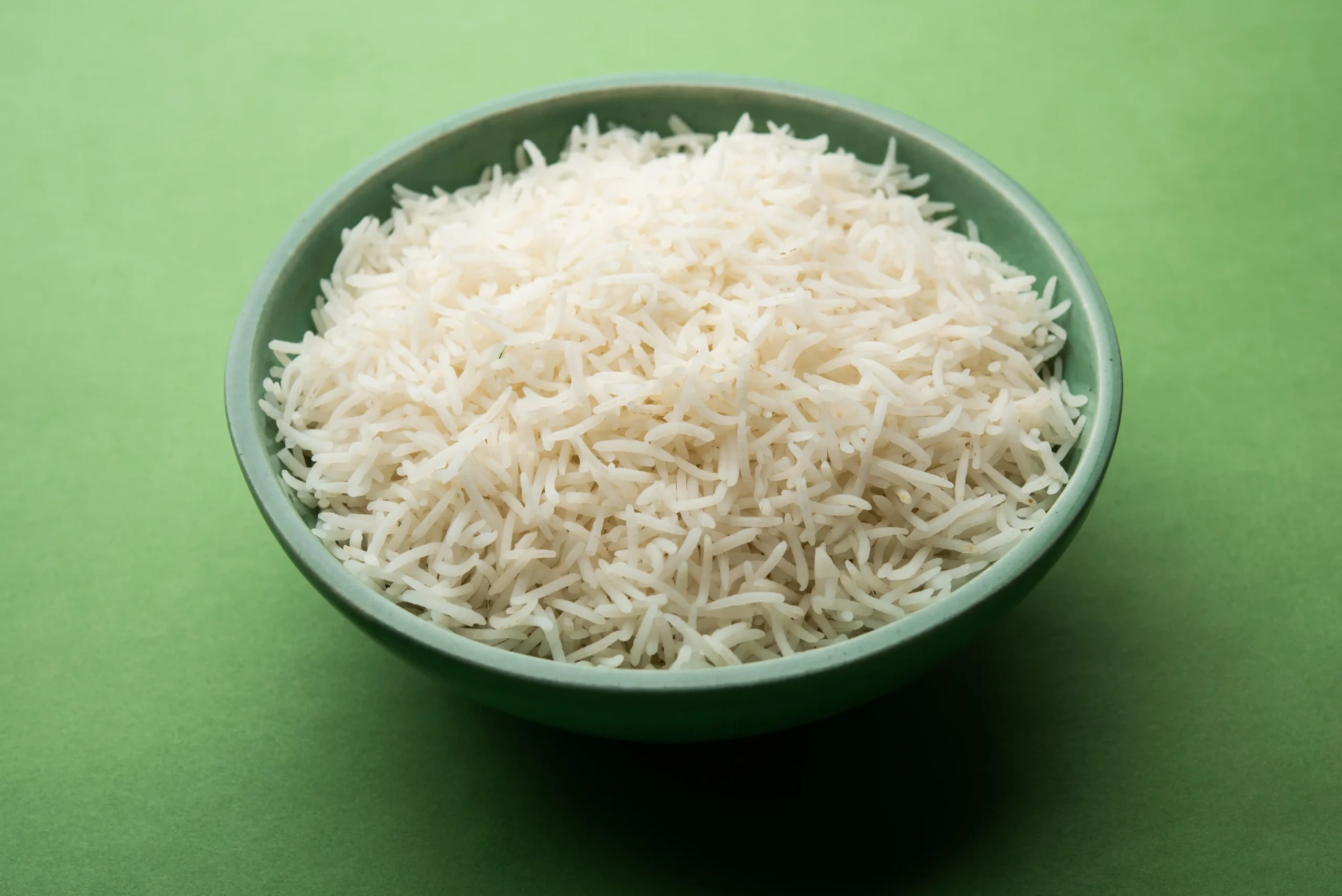
What does basmati rice taste like? Basmati rice is naturally aromatic, but its exact character can vary between varieties. Classic Steam and White Basmati have a milder aroma, while other Basmati types can offer a more pronounced aromatic character.
What does basmati rice taste like? Aroma and grain texture both influence how a Basmati variety is experienced in a dish. Processing also matters, as white, steamed, and parboiled Basmati options can differ in their aromatic character and texture. Following the preparation instructions for the exact variety helps you experience the characteristics intended for that rice.
How Does Basmati Rice Taste?
Basmati rice has a naturally nutty aroma, but its taste and aroma intensity can differ depending on the variety and processing method. This means that choosing between Basmati types can also change the overall character of the rice served with a meal.
The differences in aroma, texture, and processing become clearer when the main Basmati varieties are considered individually:
- White Basmati has a unique natural aroma and a lighter texture, making it suitable for everyday rice-based dishes.
- Steam Basmati offers a balanced flavor and retains its natural aroma through the steaming, drying, and milling process.
- Sella Basmati has an intense aroma and a full-bodied texture, giving it a more pronounced character.
- Golden Basmati stands out with its rich aroma and characteristic golden appearance, offering a different option within the Basmati range.

These differences show why Basmati rice cannot be described with only one taste profile. A milder aromatic character may suit one recipe, while a more intense variety may be preferred for another. Processing, aroma, grain characteristics, and texture should therefore be considered together when choosing a Basmati type. Checking the exact variety also helps you select a rice whose flavor and preparation characteristics match the dish you plan to serve.
What Does Basmati Rice Smell Like?
Basmati rice is recognized for its naturally nutty aroma, which is one of the characteristics that distinguishes it from many other rice varieties. However, the strength and character of that aroma can differ according to the Basmati type and processing method. Some varieties have a subtler aromatic character, while others are described with a more intense or rich aroma.
The main points that shape the aromatic experience of Basmati rice can be compared as follows:
| Aroma Aspect | What to Expect |
| Natural aroma | Basmati varieties are characterized by their naturally nutty aroma |
| Aroma intensity | The aroma can range from subtle to more intense depending on the variety |
| Processing | White, steamed, and parboiled Basmati can differ in their aromatic character |
| After cooking | The aroma remains an important part of how the prepared rice is experienced |
| Variety selection | Choosing a specific Basmati type helps determine whether a milder or richer aroma is preferred |
For example, Golden Sella Basmati is characterized by a rich aroma, while other Basmati varieties may offer a subtler aromatic profile. Considering these differences helps you choose a Basmati rice whose aroma suits the dish without assuming that every variety smells exactly the same.
Why Is Basmati Rice Aromatic?
Basmati is a type of rice grown in India that naturally has a nutty aroma. Processing can also influence how noticeable that aroma is in the finished rice. Different processing methods can affect how strongly the aroma is noticed while keeping the natural character of the rice.
The relationship between Basmati and its aroma can be understood through several points:
- Basmati is naturally aromatic, so its characteristic scent is part of the rice itself rather than a flavor added during preparation.
- White Basmati is milled to remove the bran and germ while preserving its distinct natural aroma.
- The gentler steaming process used for Steam Basmati allows the grains to maintain their white color and mild aroma.
- Parboiled varieties such as Sella Basmati can retain their natural aromatic character after their specific processing stages.
- Aroma intensity can therefore differ between Basmati types even though they belong to the same broader rice family.
This is why “aromatic” does not mean that every Basmati variety smells exactly the same. The rice type provides the natural aromatic character, while variety and processing help determine how subtle, pronounced, or rich that aroma is in the final dish.

Does Basmati Rice Taste Different from White Rice?
Basmati rice can taste different from other white rice varieties because Basmati is naturally aromatic and has its own characteristic grain profile. “White rice,” however, describes rice that has been milled to remove the bran and germ, so its flavor can vary depending on the original rice variety. This means the comparison is not between two completely separate categories, but between a specific aromatic rice type and a broader processed rice group.
The main differences can be understood as follows:
| Taste Point | Basmati Rice | White Rice |
| Aroma | Naturally aromatic | Depends on the rice variety |
| Flavor character | Can range from lighter and balanced to more intense depending on the Basmati type | Varies according to the underlying variety |
| Processing influence | White, steamed, and parboiled forms can differ in flavor and aroma | Processing and original rice type both influence the final result |
| Choosing for a dish | Offers a more recognizable aromatic character | Requires checking the specific rice variety to understand its flavor |
For this reason, Basmati often provides a more clearly defined aromatic experience, while “white rice” alone does not tell you exactly how the rice will taste. The specific variety remains the most important detail when comparing flavor.
From subtle aromatic notes to richer flavor profiles, the right Basmati can shape the character of an entire meal. With Mahmood Rice, you can discover Basmati varieties with different aroma, texture, and processing characteristics, making it easier to choose a rice that complements both your recipe and preferred cooking style.