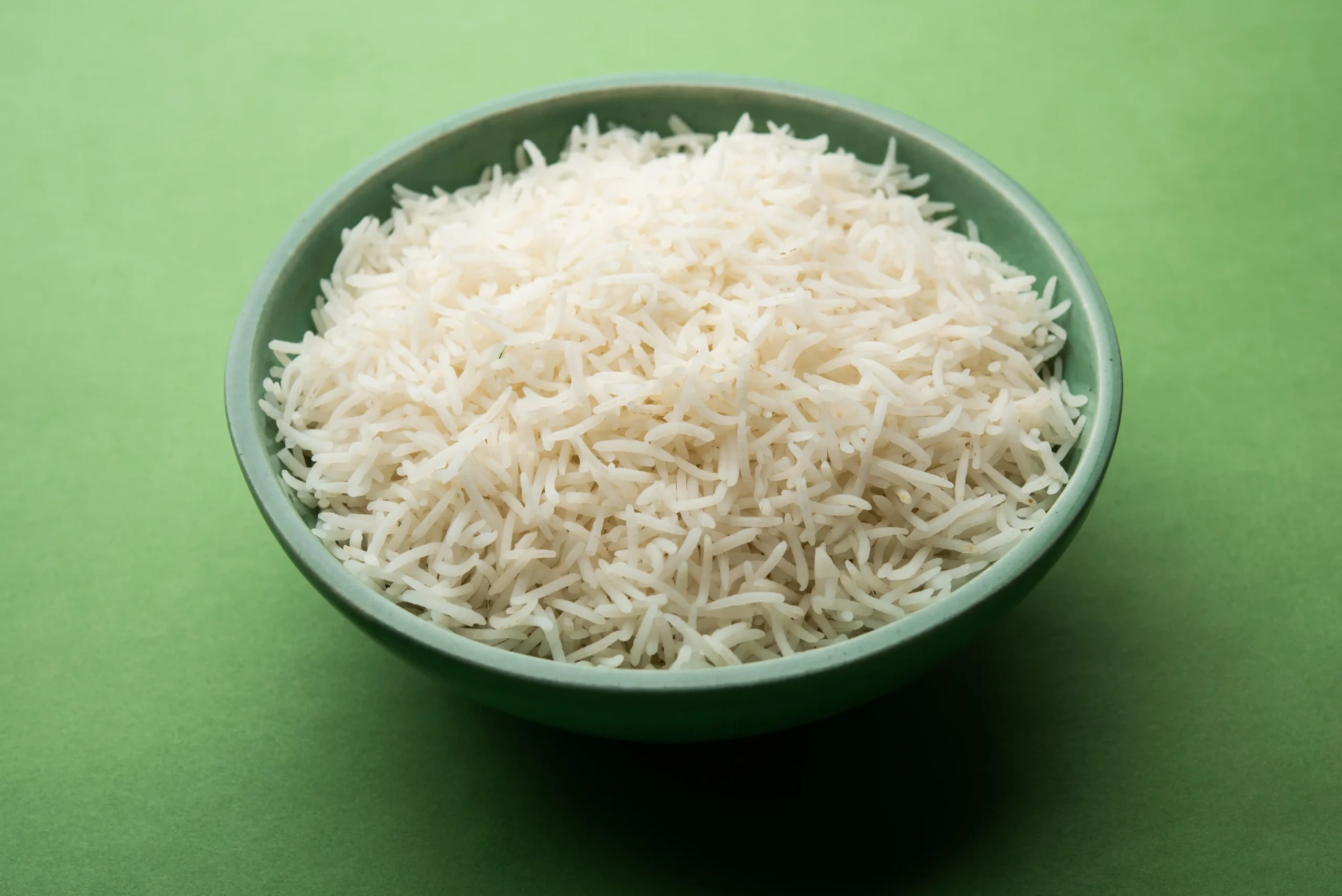
What is basmati rice used for? Basmati rice is used in dishes where long grains and natural aroma are important. It can form the main rice component of layered, seasoned, or traditional rice preparations.
What is basmati rice used for? Its use depends on the Basmati variety, processing method, and recipe style. Some preparations place rice at the center of the dish, while others use it within meat, vegetable, or spice-based combinations. Basmati can therefore be used in biryani, pilaf, pot dishes, festive rice meals, and selected traditional recipes where grain structure and aromatic character are part of the final dish.
What Dishes Is Basmati Rice Used For?
Basmati rice is used in dishes where rice contributes directly to the structure, aroma, and presentation of the meal. Rather than appearing only as a side, it can become the main grain in preparations that combine rice with spices, vegetables, meat, or other ingredients. The exact use depends on the Basmati variety and the style of the recipe.
| Dish Style | How Basmati Is Used |
|---|---|
| Biryani | Rice forms a central part of the dish and is prepared with spices and other ingredients |
| Pilaf and pulao | Basmati becomes the main grain component in a seasoned rice preparation |
| Pot dishes | Rice can be cooked as part of a complete dish with additional ingredients |
| Festive rice meals | Certain Basmati varieties are suited to more elaborate preparations served for shared meals or special occasions |
| Traditional recipes | Basmati can also be used in traditional dishes from the Indian subcontinent and Middle Eastern cuisines, where rice plays a defining role |
This range of uses shows why selecting the right Basmati variety matters. A recipe may require rice that remains prominent among several ingredients, while another may rely more heavily on aroma, grain length, or a particular processing style. Checking the intended use of the chosen variety helps match the rice more closely to the dish.

Which Basmati Rice Type Is Best for Different Uses?
Which Basmati rice type works best depends on what you are preparing and how much you want the rice itself to stand out in the dish. The main differences come from processing, grain behavior, aroma, and texture, so the same type does not need to be used for every recipe.
|
Basmati Type |
Suitable Uses |
|---|---|
|
Sella Basmati Rice |
Biryani, pulao, festive rice dishes, and recipes where long grains and a fuller texture are important |
|
XXL White Basmati Rice |
Everyday rice dishes, pilaf-style preparations, and meals where a lighter texture and natural aroma are preferred |
|
Basmati Golden Sella Rice |
Special rice dishes where its golden appearance and rich aroma can contribute to the presentation |
|
Basmati Classic Steam Rice |
Rice-based meals where a balanced texture and mild aroma are preferred |
Choosing by use helps avoid treating all Basmati rice as interchangeable. A biryani may benefit from a variety selected for long, well-defined grains, while a simpler everyday dish may call for a lighter option. The preparation instructions for the exact rice should still guide soaking, water quantity, cooking method, and resting, since these details can differ between products.
Is Basmati Rice Good for Everyday Meals?
Basmati rice can be suitable for everyday meals because it can be used in both simple preparations and more complete rice-based dishes. The best choice depends on how much time you have, what you are serving with it, and which Basmati variety fits the recipe.
For everyday use, Basmati can work in several practical ways:
- Serve it as the rice component of a meal with vegetables, meat, or a curry when you want a straightforward side.
- Use it in pilaf-style dishes when the rice itself should contribute more clearly to the meal.
- Build a complete preparation around Basmati by combining it with other ingredients in a pot or layered recipe.
What makes Basmati useful for regular meals is this range of roles rather than one fixed recipe. It can remain a supporting part of the plate or become the main grain in a fuller dish. Checking the exact variety also helps you plan preparation more accurately, especially when cooking on a busy day or preparing a larger meal.
How Does Basmati Rice Texture Affect Its Uses?
Basmati rice texture can influence which dishes it suits because different varieties do not produce exactly the same result after cooking. Some are described as lighter or softer, while others offer a more voluminous, balanced, or non-sticky texture. That difference can affect whether the rice works best as a side, a central grain, or part of a layered preparation.
|
Texture Characteristic |
How It Can Affect Use |
|---|---|
|
Lighter texture |
Works well in everyday meals or dishes where the rice should accompany other ingredients |
|
Softer texture |
Can suit preparations where a gentler rice texture is preferred |
|
Voluminous texture |
Gives the rice a more noticeable presence in biryani, pulao, or other substantial rice dishes |
|
Non-sticky result |
Helps the grains remain distinct in preparations where grain definition is important |
|
Balanced texture |
Offers flexibility across different rice-based meals without emphasizing one extreme texture |
Texture should therefore be considered together with the variety and processing method rather than as a separate feature. If the rice needs to remain prominent among several ingredients, one Basmati type may suit the dish better than another. Following the preparation instructions for that exact variety helps preserve the texture intended for the final recipe.
The way you plan to use Basmati rice can be just as important as the recipe itself. Whether you need rice for an everyday meal, a layered dish, a pilaf, or a more elaborate preparation, Mahmood Rice offers different Basmati options designed for varied cooking styles, textures, and serving needs. Reviewing each variety by its intended use can help you choose more confidently for the dish you have in mind.