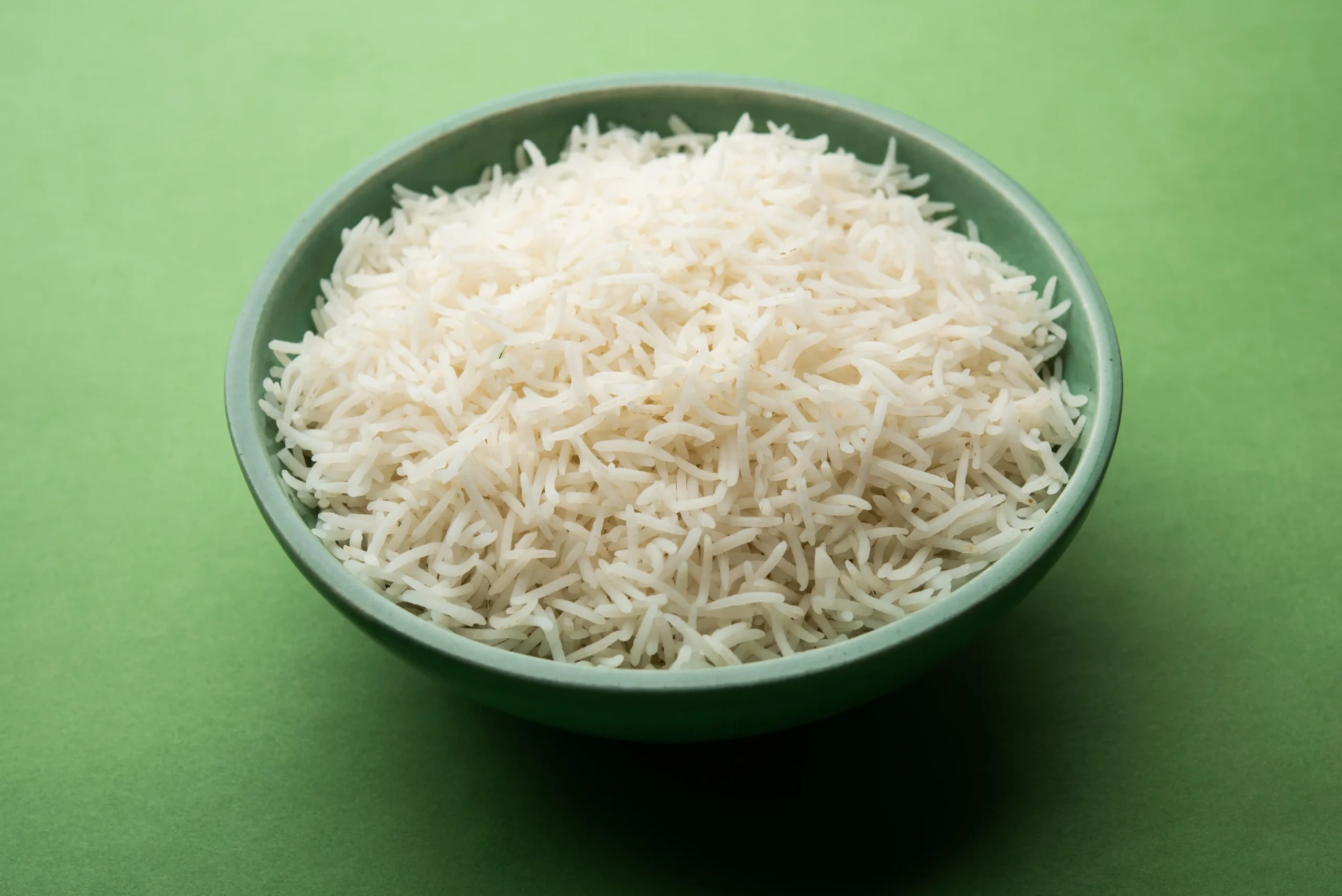
Why is my basmati rice mushy? Basmati rice can become mushy when too much water is used or the soaking period is too long. Following the correct water ratio and preparation time helps protect the intended texture.
Why is my basmati rice mushy? The result can also depend on the Basmati variety, because soaking times, water quantities, and cooking instructions differ between products. Using the measurements and timing given for the exact rice helps avoid an overly soft result. Resting the rice for the recommended period after cooking also supports a more consistent final texture before serving.
What Makes Basmati Rice Mushy?
Basmati rice can become mushy when the preparation does not match the needs of the specific variety. Water quantity and soaking time are especially important because both influence how much moisture the grains take in before and during cooking. Using one routine for every Basmati type can therefore produce a softer result than intended.

Several preparation issues can contribute to this:
- Using more water than the selected Basmati variety or cooking method requires can leave the grains overly soft.
- Soaking the rice for longer than recommended increases the risk of a mushy texture.
- Applying the water ratio from one Basmati type to another may change the final result, since different varieties have different instructions.
- Ignoring the cooking time or heat guidance can also affect how the grains finish.
- Skipping the recommended resting stage means the preparation is not completed according to the product instructions.
The most reliable way to avoid a mushy result is to treat each Basmati variety individually. Check the soaking period, measured water quantity, cooking method, cooking time, and resting guidance before starting rather than relying on one general method for every product.

Can Too Much Water Make Basmati Rice Mushy?
Too much water can make Basmati rice softer than intended and may contribute to a mushy result. However, the correct amount is not the same for every Basmati variety or preparation method. For this reason, water should be measured according to the cooking instructions on the packaging rather than using one standard ratio.
Before adding water, these are the main points worth checking:
| What to Check | Why It Matters |
| Basmati variety | Different Basmati types can require different preparation conditions |
| Cooking method | Stovetop, microwave, oven, or other methods may use different amounts of water |
| Product instructions | The recommended quantity is matched to the specific rice and preparation method |
| Measuring the water | Estimating instead of measuring can make the final texture less predictable |
| Changing methods | A water amount used for one method should not automatically be transferred to another |
If your Basmati rice repeatedly turns out mushy, water quantity is one of the first preparation details to review. Using the recommended amount for the selected variety and cooking method gives you a more reliable starting point and helps reduce the risk of an overly soft result.
How to Fix Mushy Basmati Rice?
Once Basmati rice has already become mushy, the texture cannot be reliably corrected with a specific rescue method provided in the official cooking guidance. The most useful approach is to stop extending the cooking process, complete any stated resting stage, and then correct the preparation variables that most likely caused the problem.
Use these checks as a practical guide:
- Stop cooking once the recommended cooking time has been reached instead of continuing to heat rice that is already too soft.
- Allow the rice to complete the resting period stated for the chosen method before deciding whether the final texture is still too soft.
- On the next preparation, measure the water exactly according to the Basmati variety and cooking method rather than estimating it.
- Keep the soaking period within the recommended range, since extending it can change the final texture.
- Match the cooking time and heat level to the instructions provided on the packaging instead of using timings from another Basmati type.
These steps do not reverse a mushy texture that has already developed, but they provide a clear way to identify and correct the preparation issue. Following the exact water, soaking, heat, cooking, and resting guidance gives the next batch a better chance of reaching the intended texture.

How to Keep Basmati Rice Fluffy and Separate?
Keeping Basmati grains well separated starts before the rice reaches the pot. Preparation matters because washing, soaking, measured water, controlled cooking, and resting all influence the final structure. The exact instructions should still be matched to the Basmati variety you are using rather than applied as one universal routine.
A practical preparation sequence includes:
- Rinse the rice several times with lukewarm water before cooking to remove excess surface starch.
- Soak the rice in lukewarm water only for the period recommended for the chosen Basmati variety; soaking for too long can increase the risk of a mushy result.
- Measure the water according to both the rice type and the cooking method instead of relying on a single ratio.
- Follow the stated cooking time and heat level for the product you are preparing.
- Leave the rice to rest for the recommended period after cooking before serving.
- Handle the cooked grains gently when loosening them so their structure is maintained.
These steps support a well-defined result without assuming that every Basmati variety cooks in exactly the same way. The best outcome comes from combining careful preparation with the instructions provided for the specific rice.
To help prevent Basmati rice from becoming mushy, start by choosing a variety that matches your recipe and follow the preparation instructions for that specific rice. With Mahmood Rice, you can choose from different Basmati options and visit our Cooking Guide page to prepare your rice according to its intended texture.