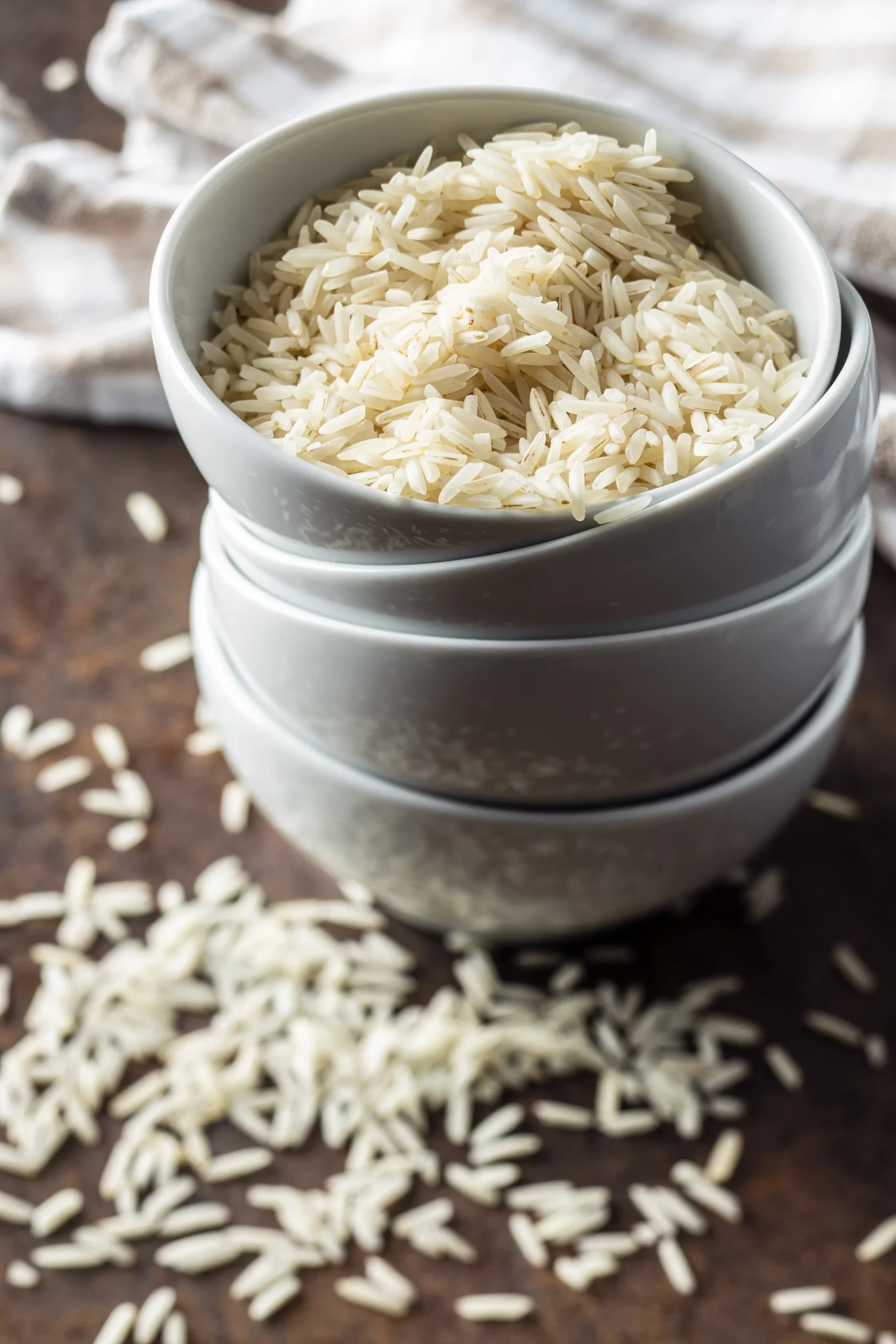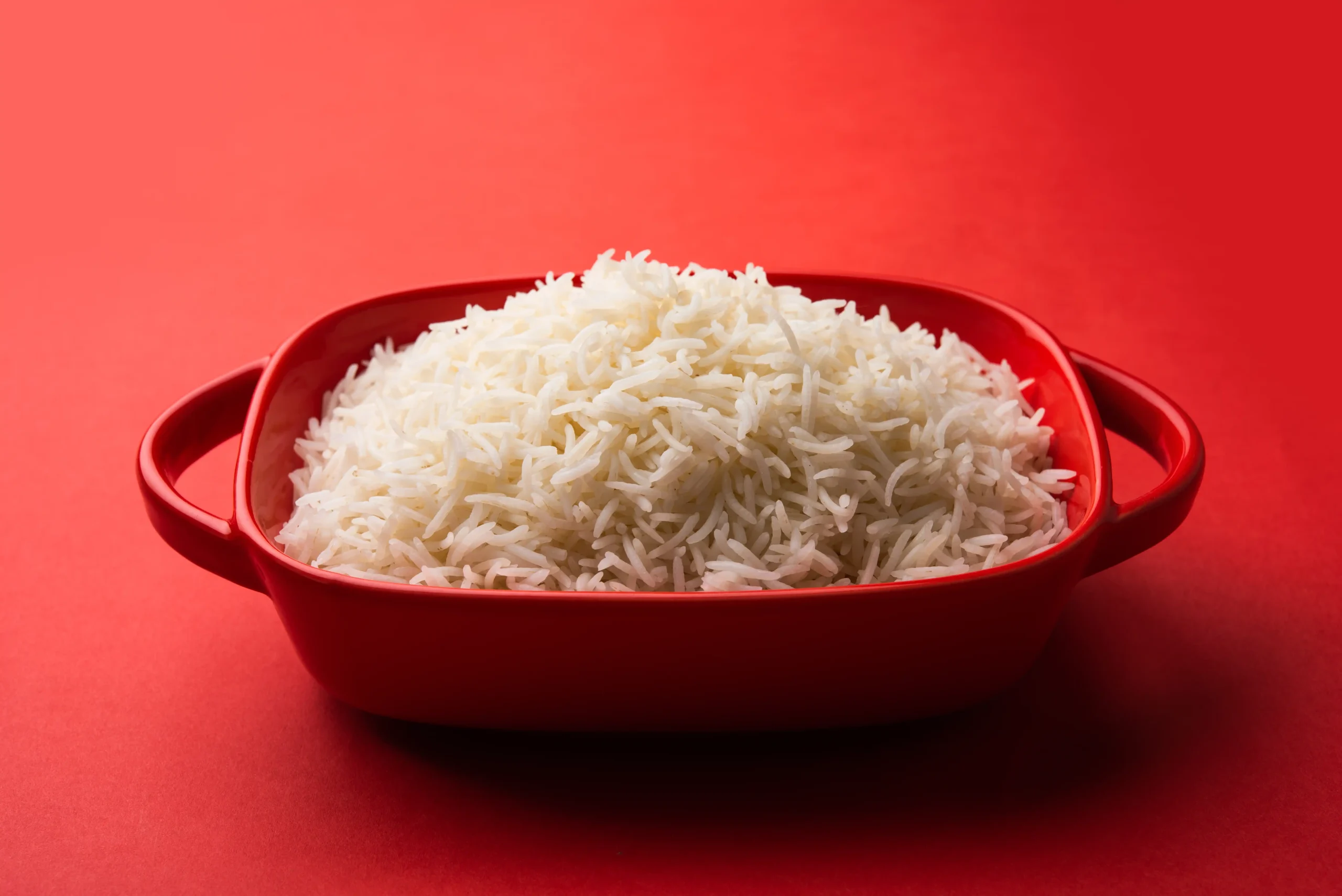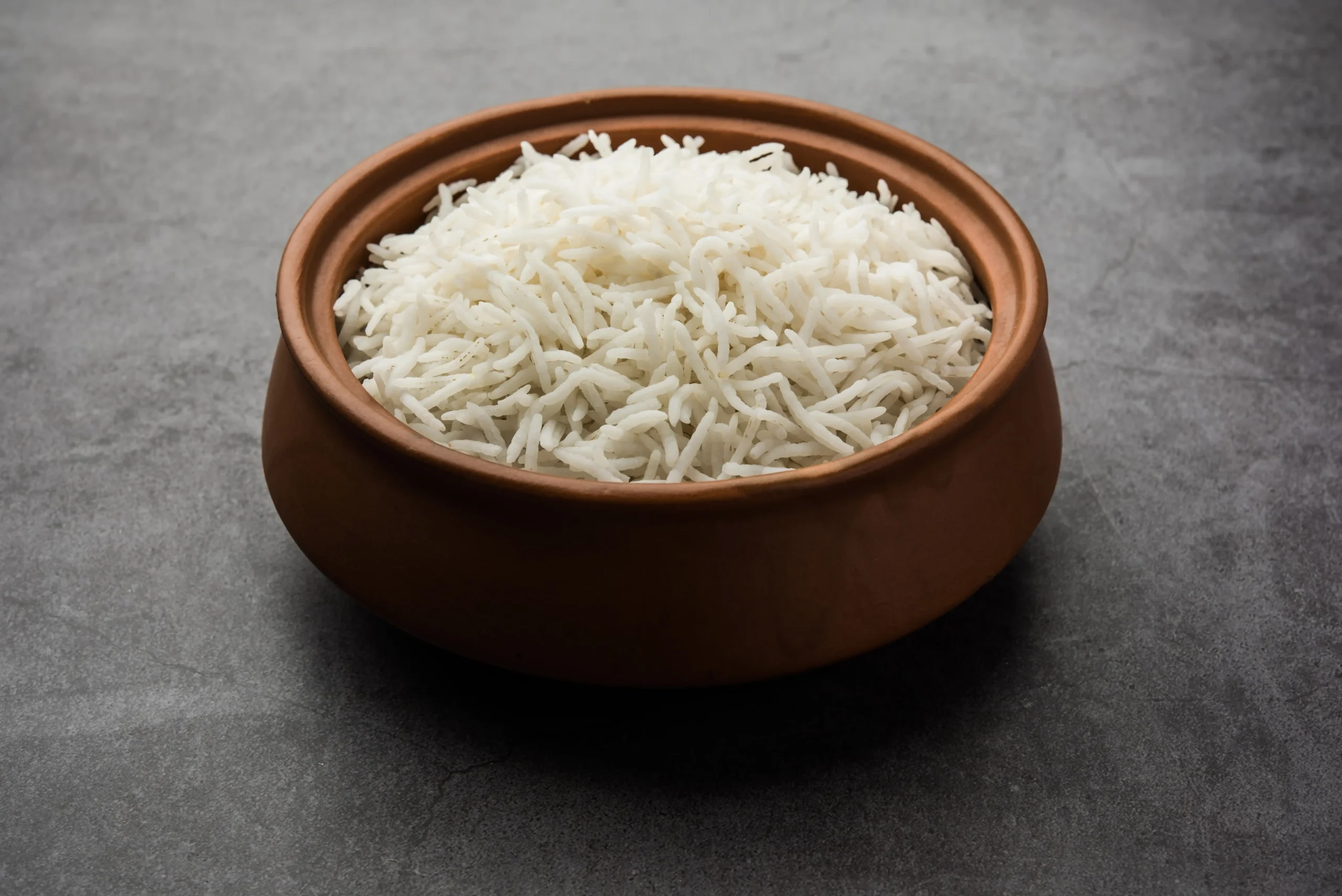
Perfect basmati rice is defined by its long, slender grains, delicate aroma, and light texture that feels effortless on the plate. When cooked correctly, each grain remains separate while expanding in length, creating a visually elegant and flavorful base for a wide range of dishes. The natural fragrance rises gently during cooking, enhancing spices and ingredients without overwhelming them. This balance between structure and softness is what makes basmati so widely appreciated in both everyday meals and refined culinary presentations.
Perfect basmati rice also depends on thoughtful preparation and understanding the grain’s unique behavior. Proper rinsing helps remove excess surface starch, allowing the grains to cook evenly and remain fluffy rather than clumped together. Gentle heat and controlled steaming give the rice time to absorb moisture gradually, preserving its signature texture. Whether served alongside vegetable dishes, rich curries, or layered rice preparations, well cooked basmati delivers a clean, aromatic experience that elevates the entire meal.
To consistently achieve excellent results, several practical considerations can make a noticeable difference
- Rinse thoroughly to support a light, separate texture
- Allow brief resting time after cooking to let moisture redistribute
- Avoid excessive stirring to protect grain integrity
- Use a suitable cooking vessel that distributes heat evenly
When these elements come together, the result is rice that looks refined, tastes aromatic, and provides the ideal foundation for both simple and elaborate dishes.
How to Cook Perfect Basmati Rice?
Perfect basmati rice is not only about texture but also about control, timing, and technique. This long grain variety reacts differently from medium or short grain rice, so the cooking approach must respect its structure. The objective is to highlight its natural elegance while preventing common issues such as uneven hydration or surface stickiness. Rather than focusing solely on separation, the key is to manage moisture absorption, steam circulation, and post cooking handling in a way that supports consistency from pot to plate.
Cooking basmati successfully involves more than a single method. Some cooks prefer a gentle absorption technique, while others use a controlled draining method similar to pasta preparation. Both approaches can work well when executed carefully. Temperature regulation is especially important, as excessive heat can cause rapid evaporation and uneven cooking. Allowing the rice to settle after heat is turned off helps stabilize internal moisture and improves overall texture.
To elevate your results further, consider these additional techniques:
- Choose aged basmati when possible, as it typically cooks more evenly and develops better structure
- Use filtered water to avoid altering the grain’s natural aroma
- Add whole spices directly to the cooking liquid for subtle infusion
- Spread the rice briefly on a wide surface if excess steam needs to escape
- Adjust cooking intensity based on batch size to prevent compact layers
When these factors are managed thoughtfully, basmati develops a refined finish that complements both lightly seasoned dishes and richly layered preparations without repetitive handling or overworking the grain.