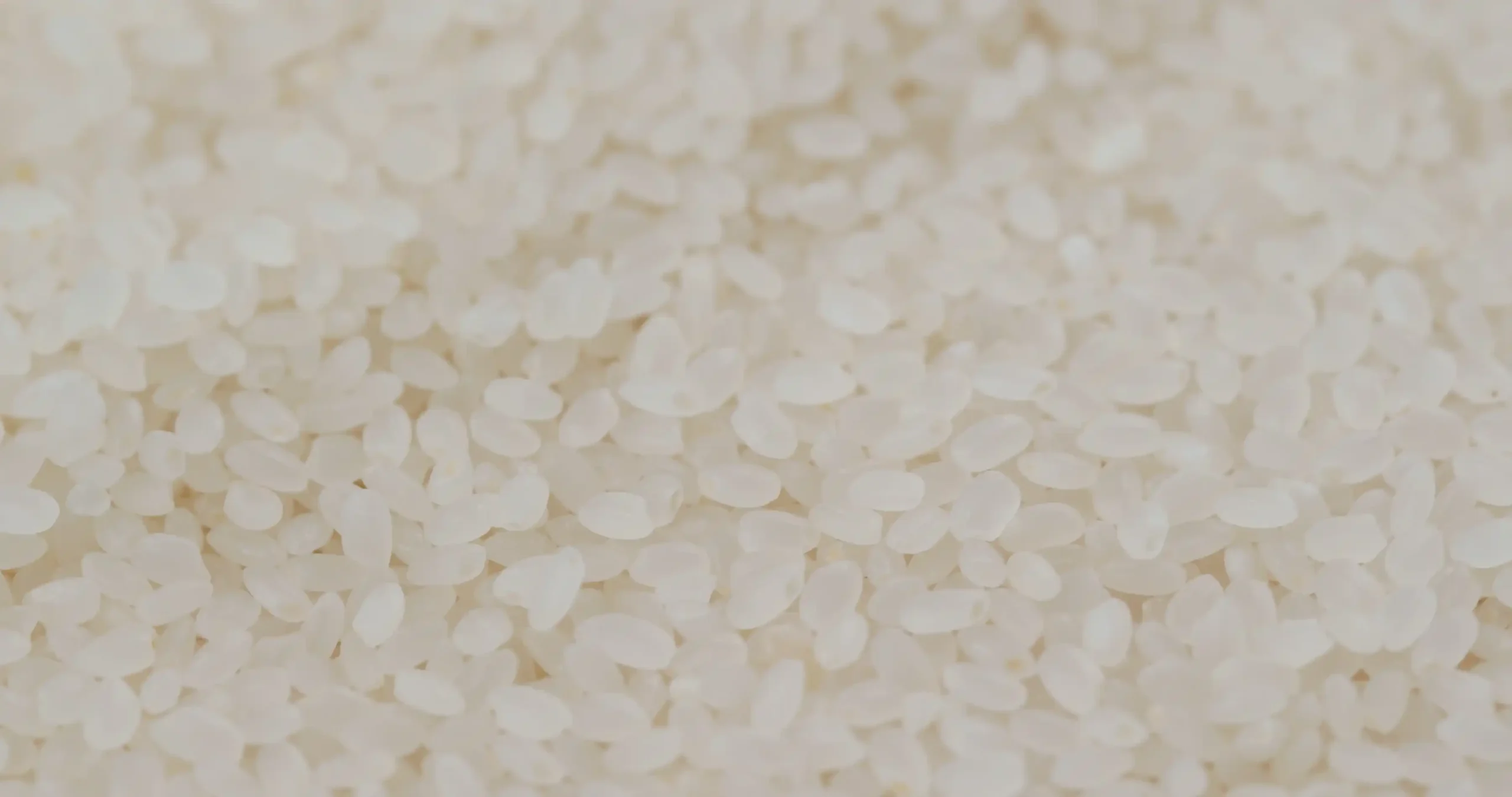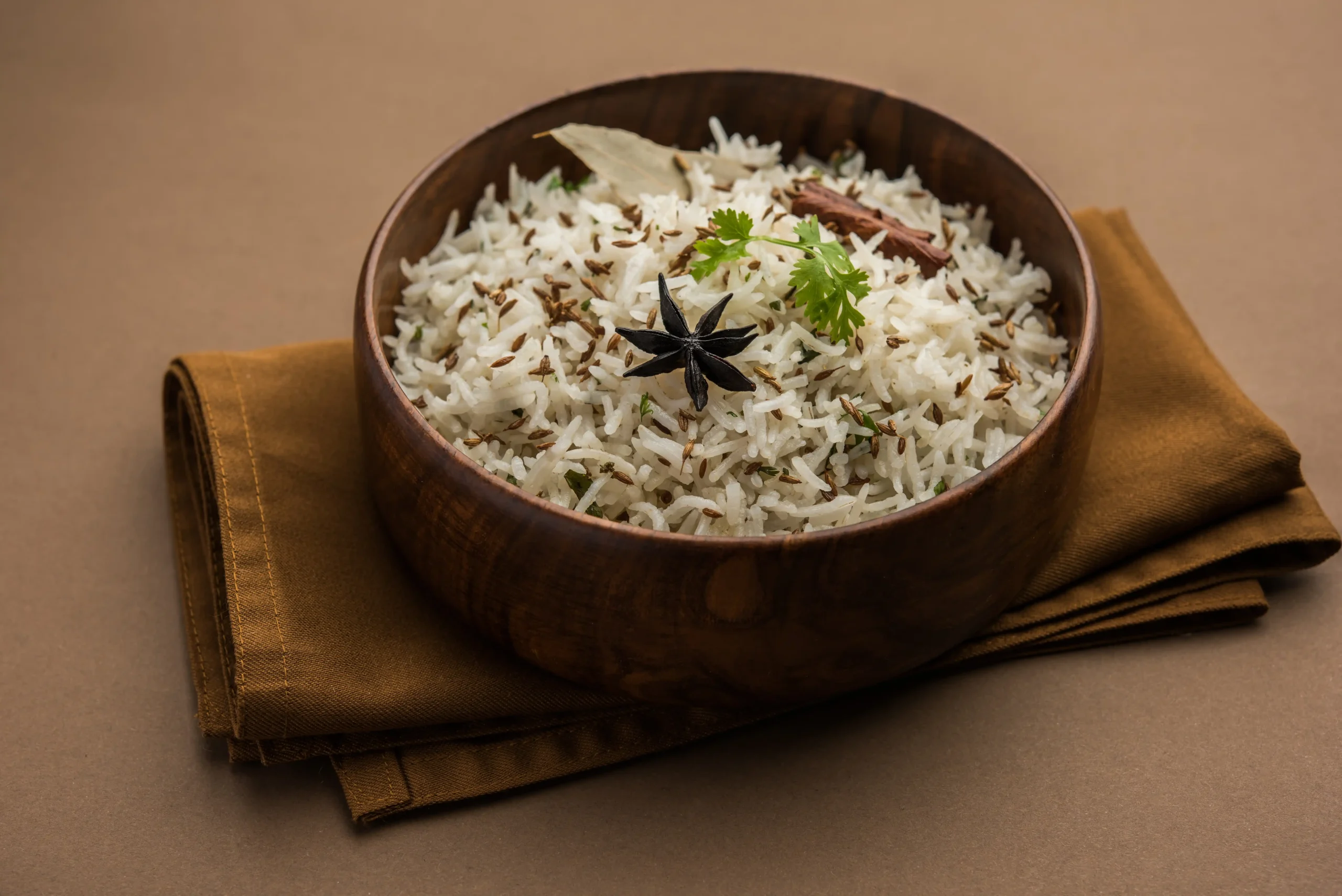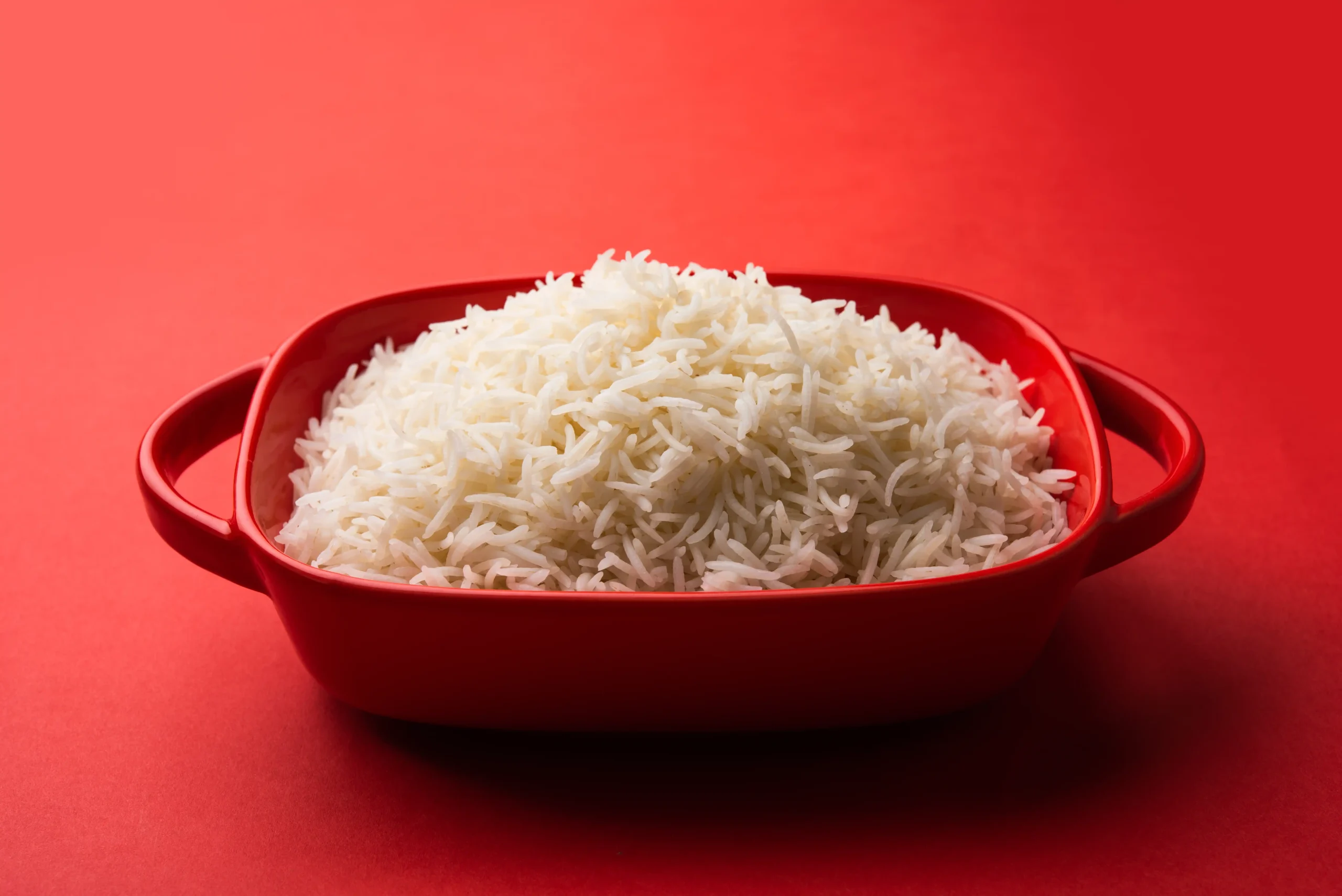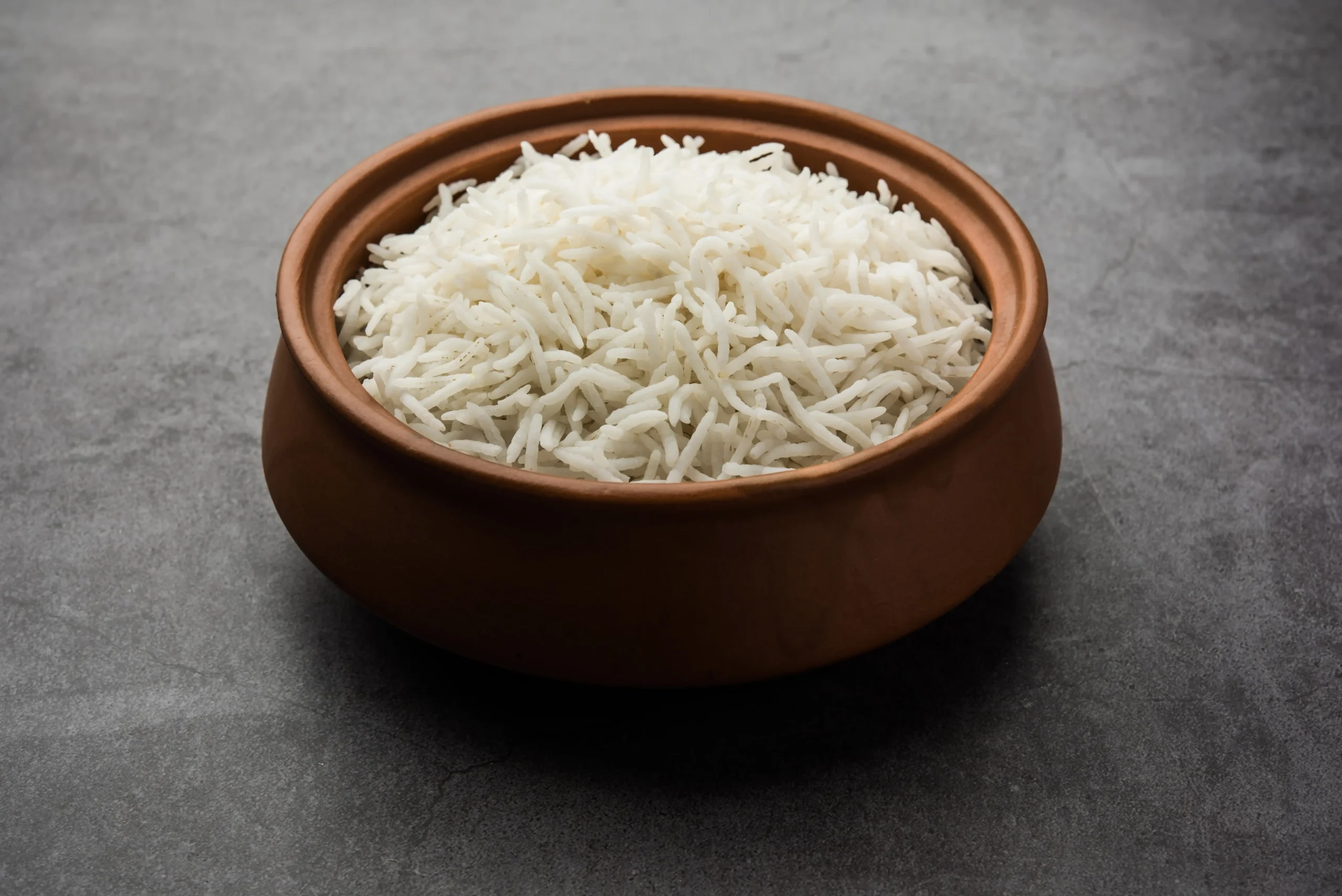
What is calrose rice? Calrose rice is a medium-grain Japonica variety originally developed in California, known for its slightly sticky texture and soft yet structured consistency once cooked. Calrose rice absorbs water efficiently, allowing the grains to become moist and cohesive without becoming overly mushy, which makes it suitable for dishes that require a balanced texture. Its mild, neutral flavor profile enables it to adapt to a wide range of cuisines, from sushi and poke bowls to rice salads and baked dishes. Because the grains cling together gently, it offers a texture that is both stable on the plate and comfortable to eat.
What is calrose rice? Calrose rice is widely appreciated for its versatility in both home kitchens and professional food service settings. Calrose rice performs particularly well in recipes where moisture retention and sauce absorption are important, as it readily takes on surrounding flavors while maintaining its shape. Compared with long-grain varieties, it delivers a softer and slightly more cohesive texture, yet it is less sticky than short-grain rice, placing it comfortably in between. This balance makes it a reliable option for Asian-inspired dishes, Mediterranean-style preparations, and even fusion cuisine. Its consistent cooking behavior and adaptable character have helped establish it as a staple medium-grain rice choice in global markets.
Is Calrose Rice Sushi Rice?
Calrose rice is often associated with sushi because of its medium-grain structure and slightly sticky texture, but it is not identical to traditional Japanese short-grain sushi rice. Sushi rice typically refers to specific Japonica varieties cultivated in Japan or developed specifically for authentic sushi preparation. However, Calrose rice belongs to the same Japonica family, which explains why it performs well in similar applications. When cooked properly and seasoned with rice vinegar, sugar, and salt, it can deliver the cohesive texture required for shaping rolls or forming nigiri.
The key reason Calrose rice works for sushi lies in its balanced starch composition. It contains enough amylopectin to create gentle stickiness while still keeping individual grains recognizable. This makes it easier to handle compared to long-grain varieties, which remain too separate and dry for sushi preparation. In many international kitchens, especially outside Japan, Calrose rice is commonly used as a practical and reliable alternative.
When evaluating whether Calrose rice can function as sushi rice, consider the following factors:
- It has a medium-grain structure that promotes light cohesion.
- It absorbs seasoning evenly without becoming overly dense.
- It maintains moisture well after cooling, which is essential for sushi texture.
- It is widely available and consistent in quality across global markets.
Calrose rice remains a highly suitable option for sushi-style dishes, especially in professional kitchens that value consistency and versatility.
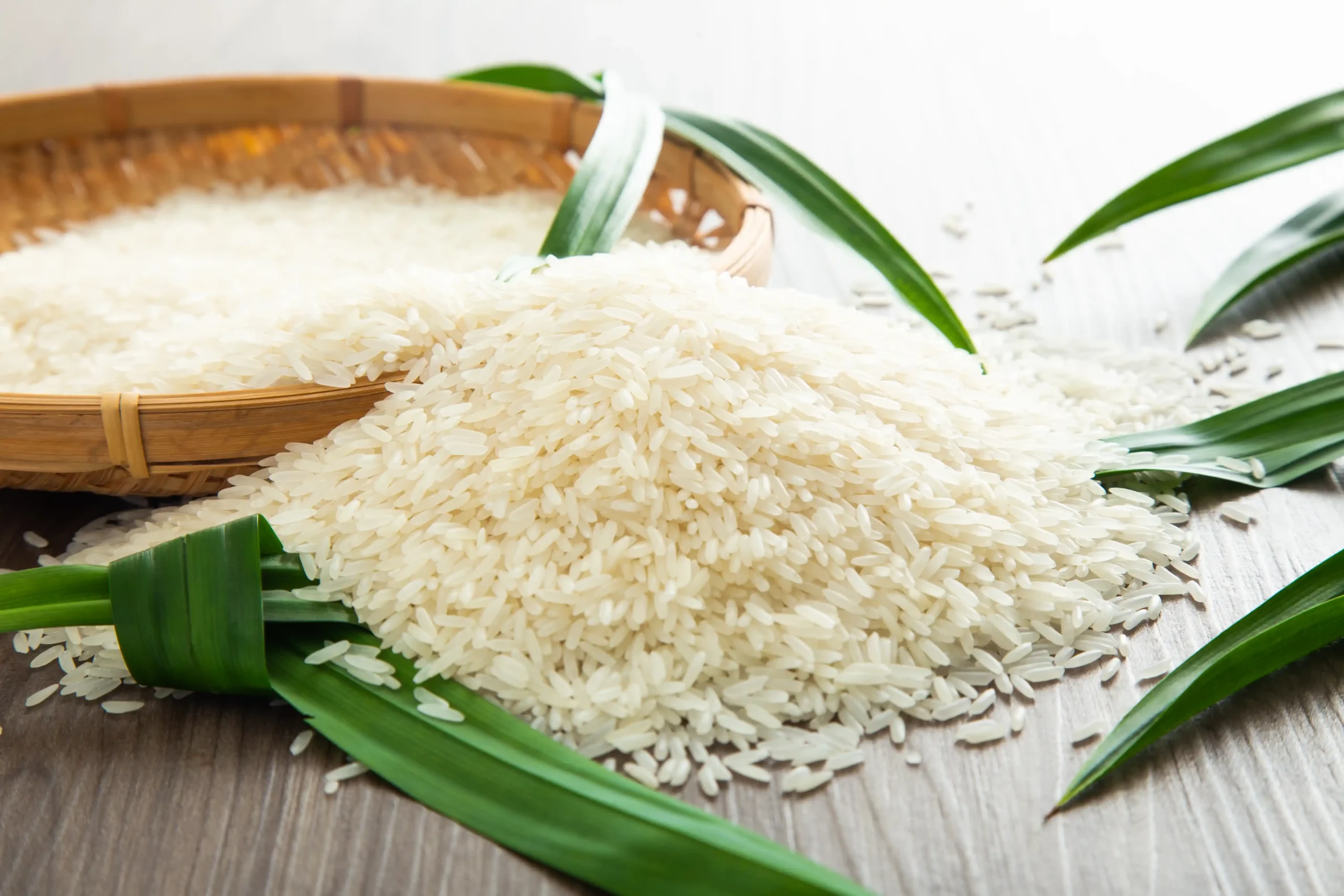
Is Calrose Rice Healthy?
Calrose rice can be part of a balanced diet, depending on portion size and overall nutritional habits. Like most white rice varieties, standard Calrose rice is milled, meaning the bran and germ layers are removed. This process results in a softer texture and longer shelf life but reduces fiber and certain micronutrients compared to brown rice. Even so, it remains a reliable source of carbohydrates, which provide essential energy for daily activities.
From a nutritional standpoint, Calrose rice is naturally gluten-free and low in fat. It is easy to digest and suitable for individuals with gluten intolerance or those seeking mild, stomach-friendly carbohydrate sources. When consumed alongside vegetables, lean proteins, and healthy fats, it contributes to a well-rounded meal structure.
Health considerations often depend on preparation style and dietary balance:
- It provides quick and accessible energy due to its carbohydrate content.
- It is naturally cholesterol-free and low in sodium.
- It supports portion-controlled meal planning when paired with nutrient-dense ingredients.
Like most refined grains, moderation is key. When integrated thoughtfully into balanced meals, Calrose rice can support an active lifestyle without compromising nutritional goals.
What Is Calrose Rice Used For?
Calrose rice is valued primarily for its versatility in global cuisine. Its medium-grain texture allows it to bridge the gap between firm long-grain varieties and highly sticky short-grain rice. This balance makes it adaptable across diverse culinary traditions. It absorbs sauces and seasonings effectively, which enhances flavor integration in both simple and complex dishes.
In professional kitchens and home cooking alike, Calrose rice is chosen for recipes where texture consistency and moisture retention are important. Unlike long-grain rice that stays very separate, Calrose rice forms a slightly cohesive structure, making it suitable for dishes that require shaping, layering, or gentle binding.
Common culinary applications include:
- Sushi rolls, poke bowls, and other Asian-inspired dishes.
- Rice salads and grain-based bowls where light stickiness improves cohesion.
- Casseroles and baked rice dishes that require moisture stability.
- Side dishes served with grilled meats, vegetables, or seafood.
- Stuffed vegetables or wraps where the rice must hold together.
Its adaptability explains why Calrose rice has gained popularity far beyond its Californian origins. By combining mild flavor, dependable cooking performance, and structural balance, it continues to serve as a practical staple in both traditional and modern kitchens.