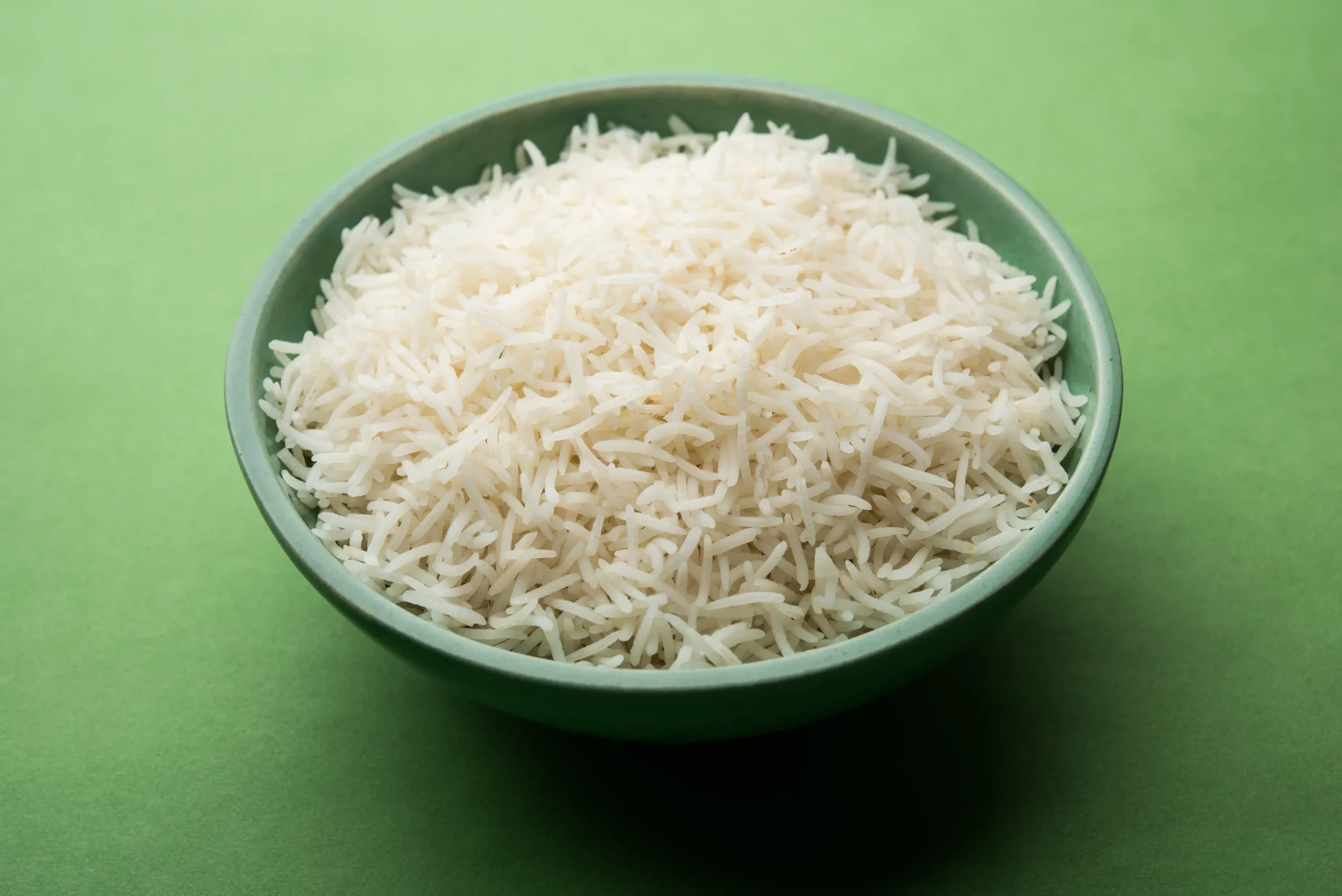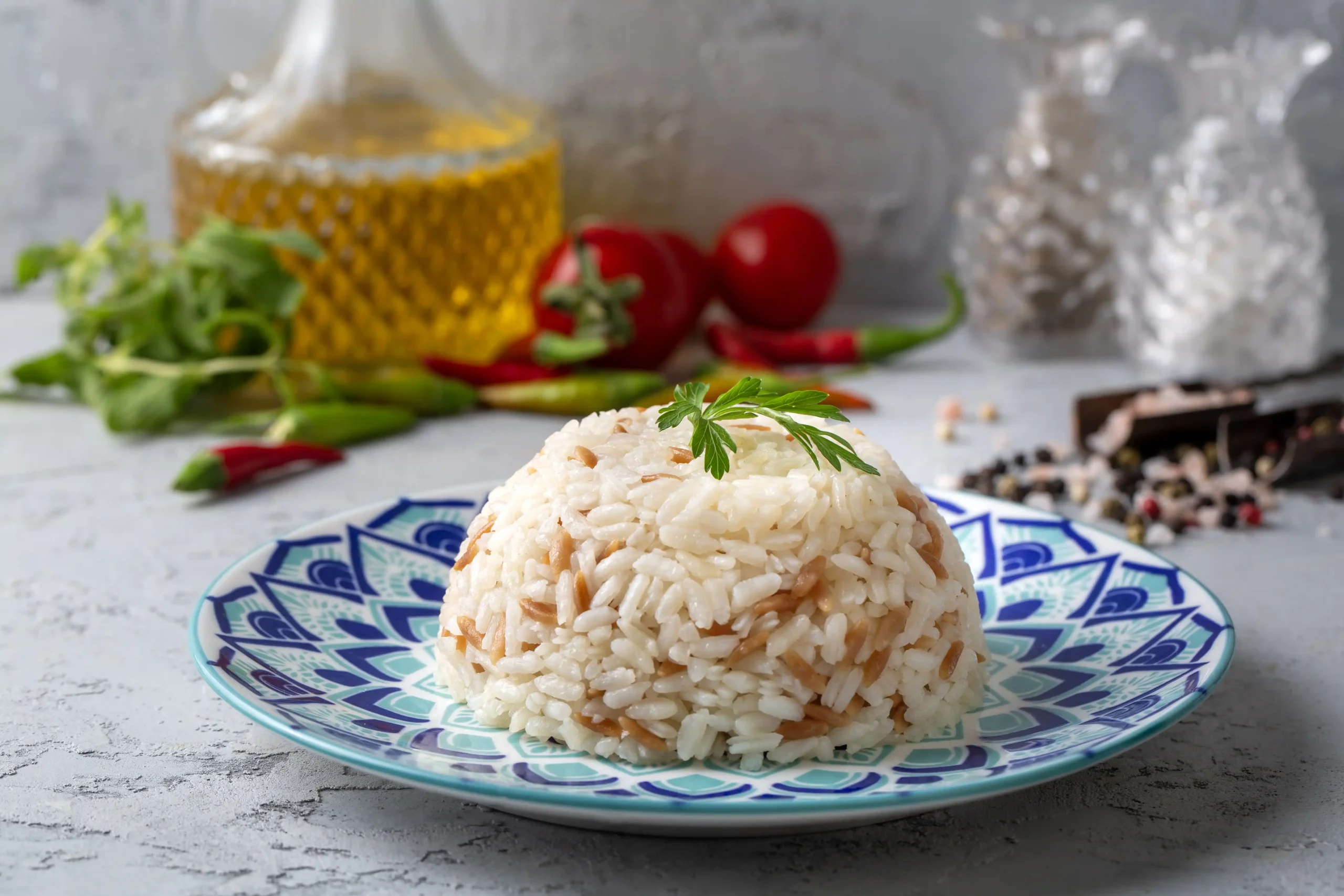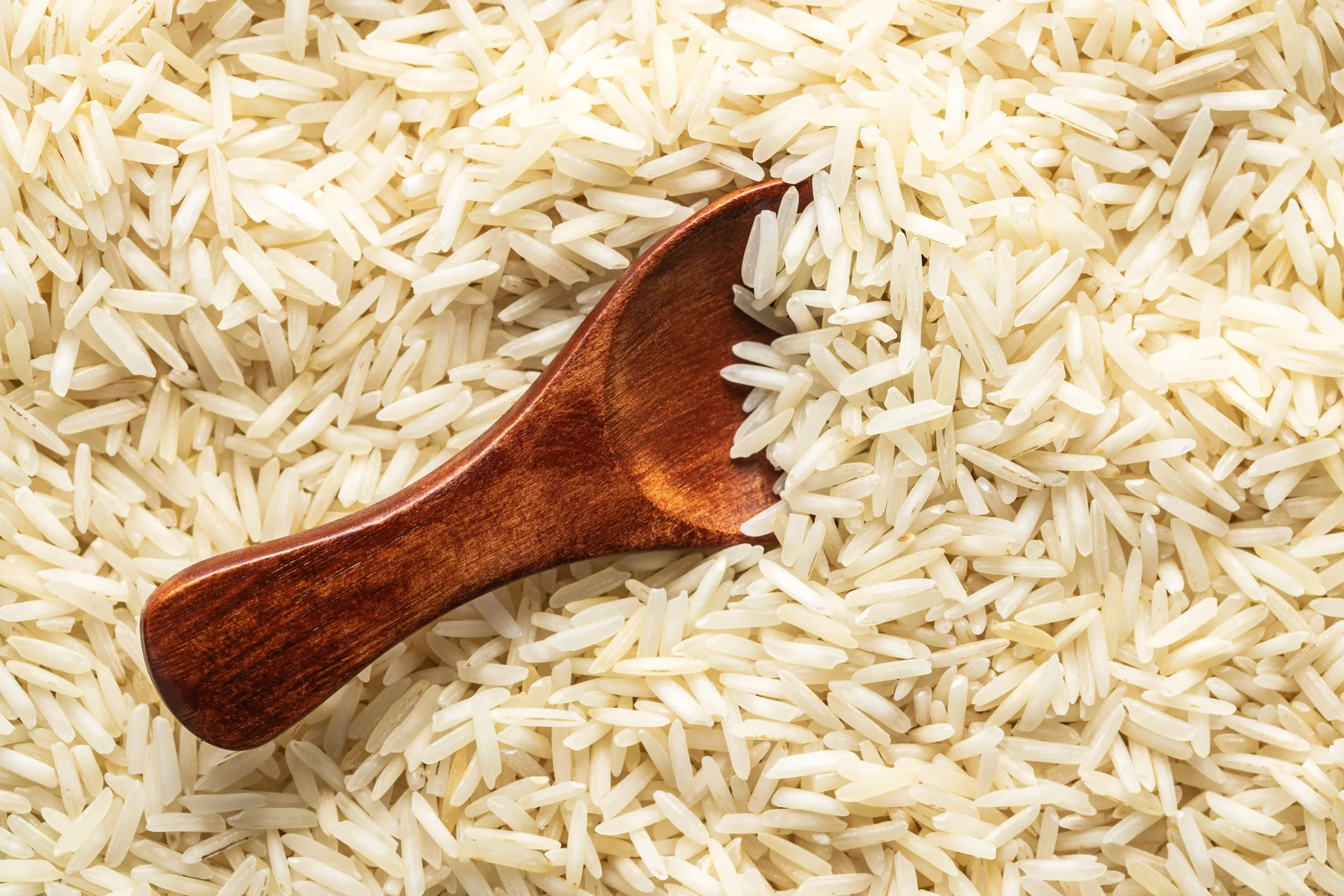
Basmati rice and brown rice are two rice types that are often compared because they differ in texture, aroma, cooking time, and nutritional profile. Basmati rice is known for its long, slender grains and naturally fragrant character, while brown rice is valued for its whole grain structure. These differences make each option suitable for different recipes and eating habits.
Basmati rice and brown rice can also overlap when basmati is produced in its whole grain form. In that case, brown basmati rice brings together the aromatic quality of basmati with the bran-rich structure of brown rice. For everyday cooking, the right choice depends on whether the priority is a light and fluffy result, a more filling texture, or a whole grain preference.
Brown Rice and Basmati Rice
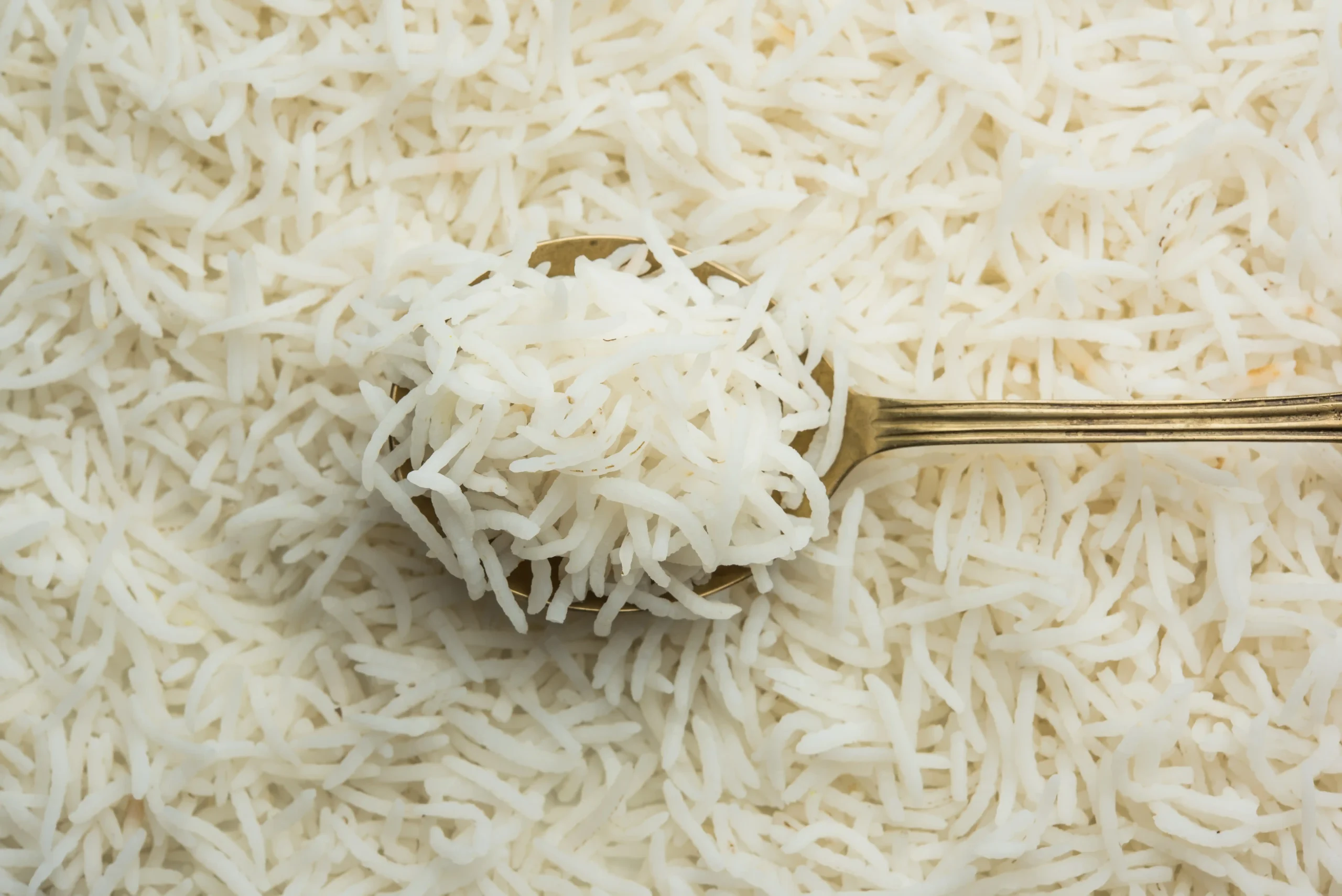
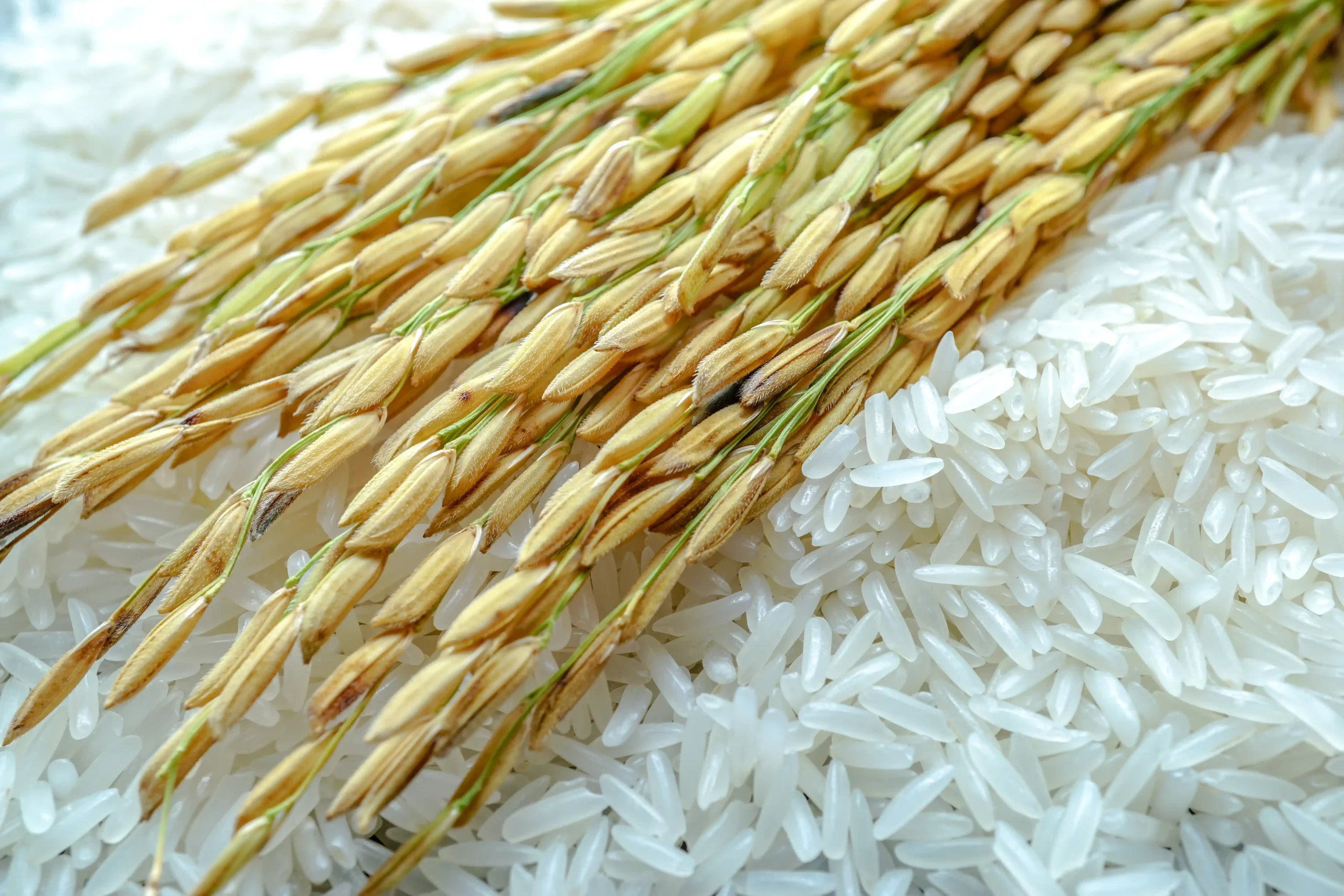
Brown rice and basmati rice are different terms that describe rice from separate angles. Brown rice refers to rice that keeps its bran and germ layers after the outer hull is removed. Because of this, it has a more noticeable texture, a slightly nutty taste, and a longer cooking time than polished white rice. Basmati rice, however, refers to a specific long-grain aromatic rice variety. It is recognized for its delicate fragrance, slim grain shape, and ability to cook into separate, fluffy grains when prepared correctly.
This distinction is important because basmati rice can be white or brown. White basmati is polished, so it cooks faster and has a softer texture. Brown basmati keeps more of the grain’s natural layers, which makes it denser and richer in texture. In practical terms, basmati rice is often preferred for pilaf, biryani-style recipes, vegetable rice dishes, and meals where aroma and grain separation matter. Brown rice is more suitable for bowls, salads, whole grain meal plans, and dishes where a firmer structure is desired.
When choosing between them, the following points can help:
- Use basmati rice when a light, aromatic, and fluffy result is needed.
- Use brown rice when whole grain texture and a more filling structure are preferred.
- Choose brown basmati if both basmati aroma and whole grain character are important.
- Adjust soaking and cooking time according to the rice type, as brown rice usually needs more time and water control.
In short, brown rice is mainly related to processing, while basmati rice is related to variety and aroma. Knowing this difference helps match the right rice with the right recipe.
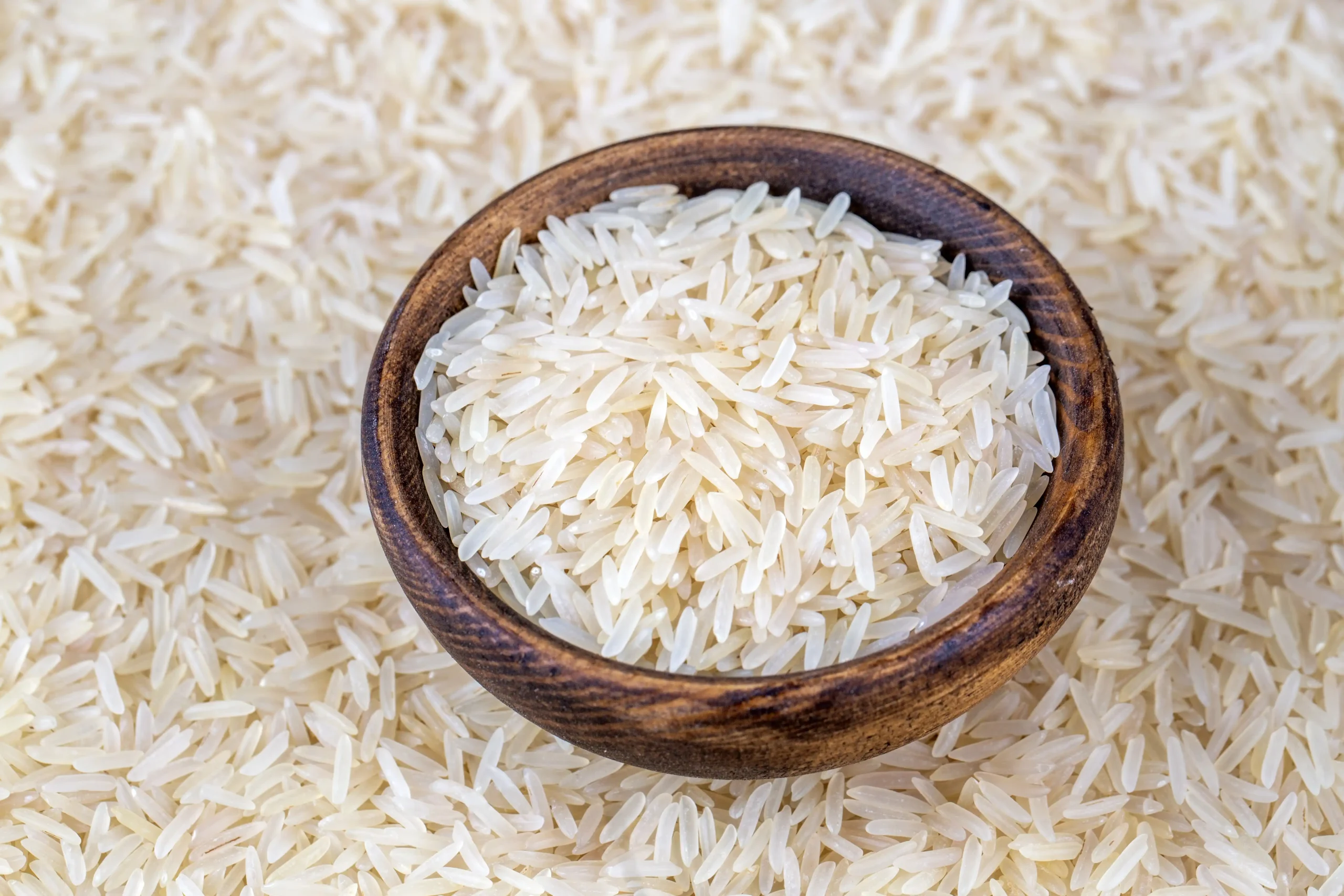
Basmati and Brown Rice Difference
Basmati is a rice variety, while brown rice is a processing form. Basmati rice is generally long-grained, aromatic, and light in texture after cooking. Brown rice may come from different rice varieties, but it keeps the bran and germ layers, which gives it a firmer bite and a more pronounced flavor. This structural difference also affects cooking time, water absorption, and the final texture on the plate.
From a taste perspective, basmati rice has a gentle fragrance that works well with spices, meat dishes, vegetables, legumes, and traditional rice-based recipes. Brown rice has a deeper and earthier taste, making it more suitable for recipes where the grain itself is expected to have a stronger presence. White basmati is often chosen when a softer, more elegant rice texture is needed, while brown rice is preferred by those who want a whole grain option with a denser feel.
The nutritional difference is also worth noting. Since brown rice keeps more of the original grain layers, it generally contains more fiber than polished white rice. However, this does not mean one type is always better than the other. The better choice depends on the meal, dietary preference, cooking time, and desired texture. For example, a fragrant rice dish may work better with basmati, while a vegetable bowl or grain salad may be more balanced with brown rice.
To summarize, basmati answers the question of rice variety, while brown rice answers the question of grain processing. Understanding this separation makes the comparison clearer and helps users choose more confidently for daily meals or special recipes.