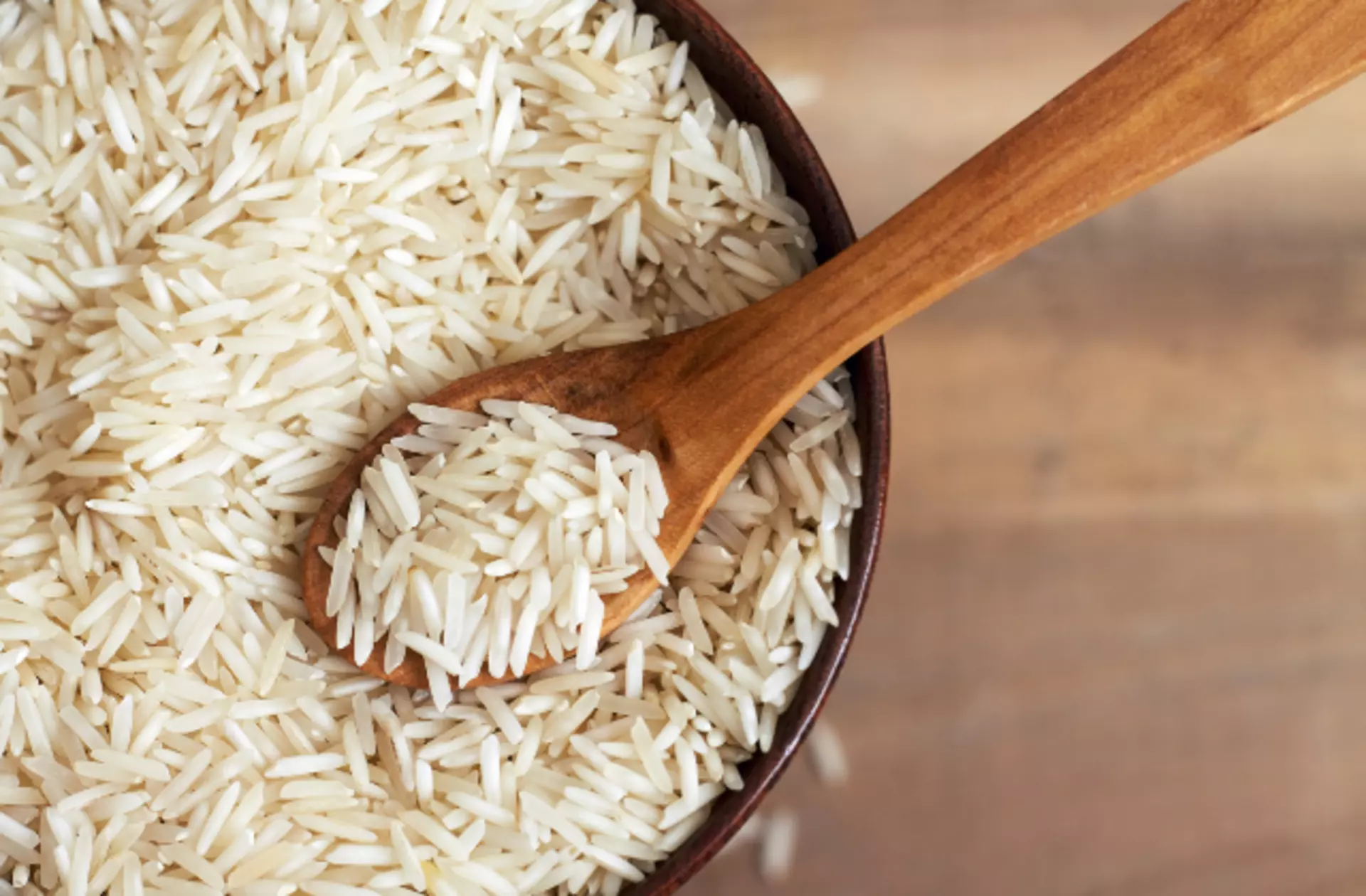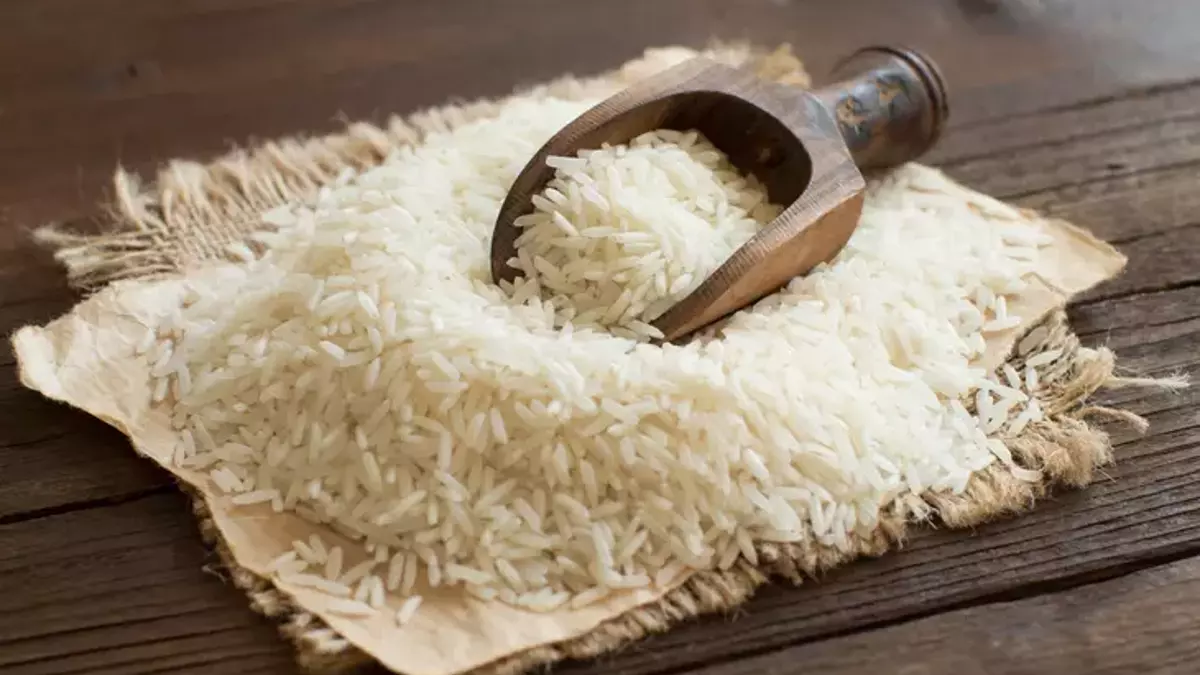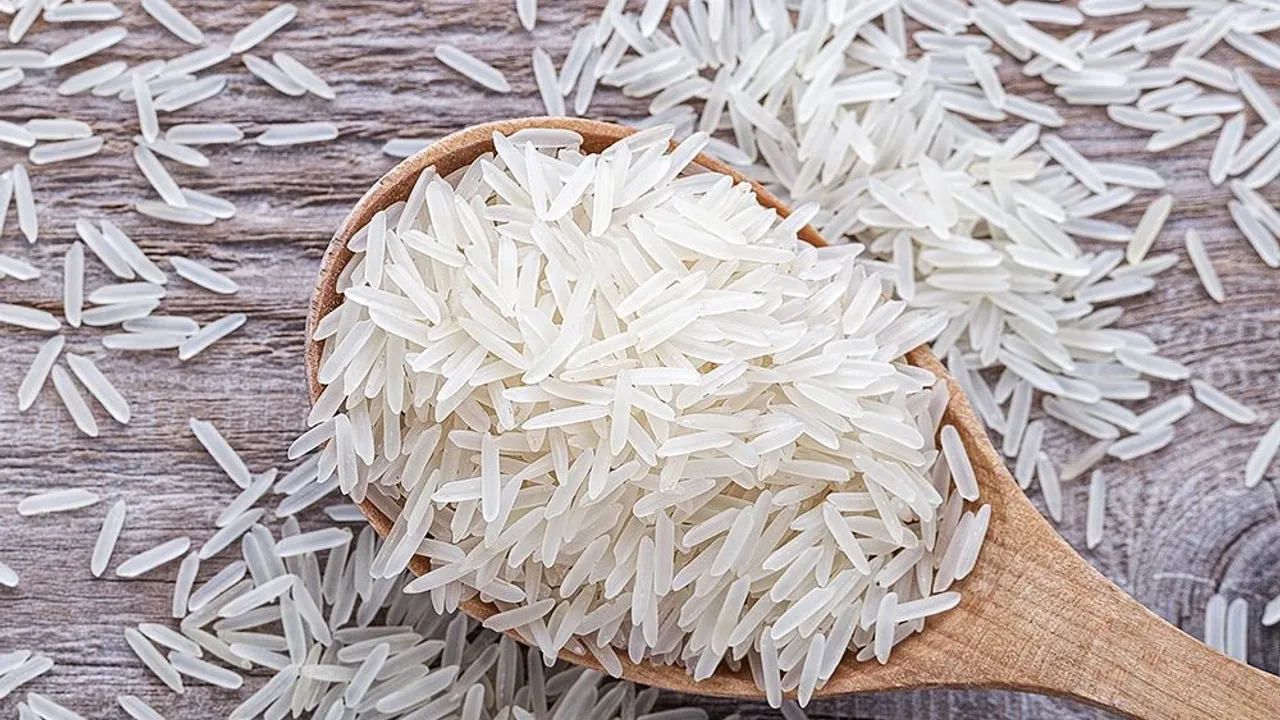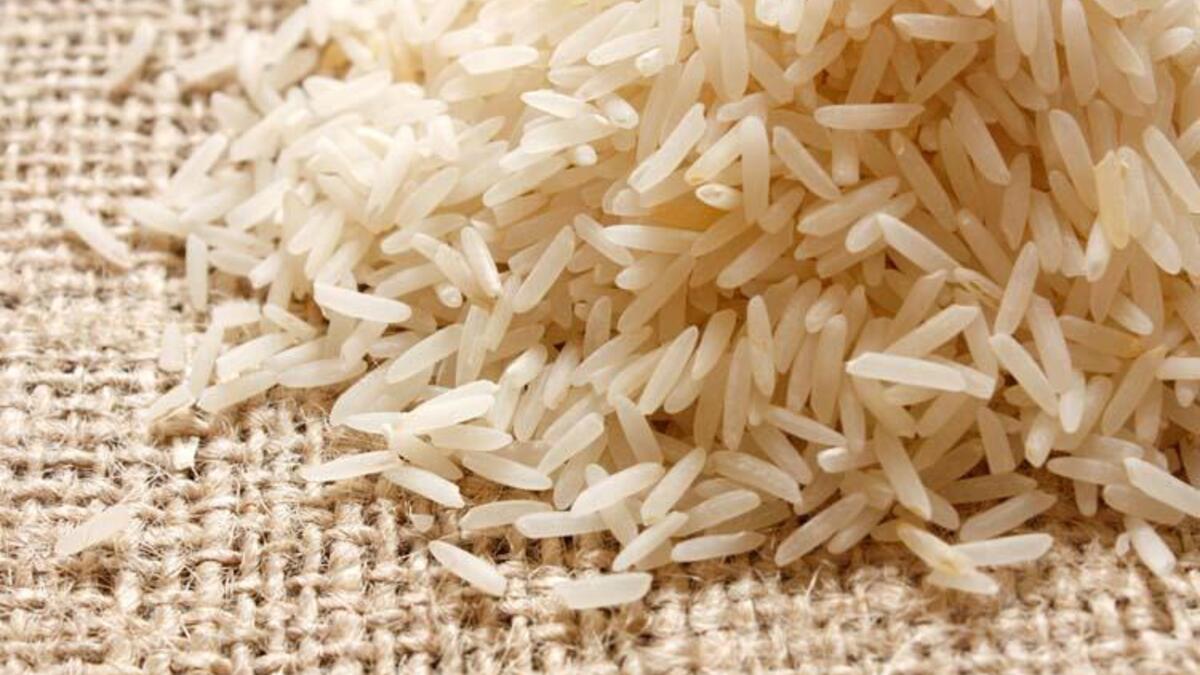
Calrose rice ratio can shape the final texture of the dish, especially because Calrose rice is known for its soft, slightly sticky, and smooth cooking character. Unlike long-grain rice varieties that are usually expected to stay more separate, Calrose rice develops a gently sticky texture after cooking. This makes it suitable for recipes where the grains should hold together slightly while still keeping a smooth and balanced structure.
Calrose rice ratio may change depending on the cooking method, the pot, heat level, and the texture expected from the dish. For a softer result, slightly more water may be preferred, while a firmer texture requires more careful control. The key is to rinse the rice, cook it gently, and allow it to rest before serving. This helps the grains absorb moisture evenly and gives the final dish a cleaner texture.
Calrose Rice to Water Ratio
Calrose rice water ratio is usually higher than some long-grain white rice varieties because Calrose has a medium-grain structure and absorbs water differently. Its goal is not to create completely separate grains like basmati rice, but to develop a soft and slightly sticky texture that still feels balanced.
For stovetop cooking, a common approach is to use a little more water than rice, while keeping the heat controlled and the lid closed during cooking. The ideal water amount for Calrose rice can change depending on the cooking method. For this reason, the ratio should be adjusted according to whether the rice is cooked on the stove, in the oven, or with another appliance.
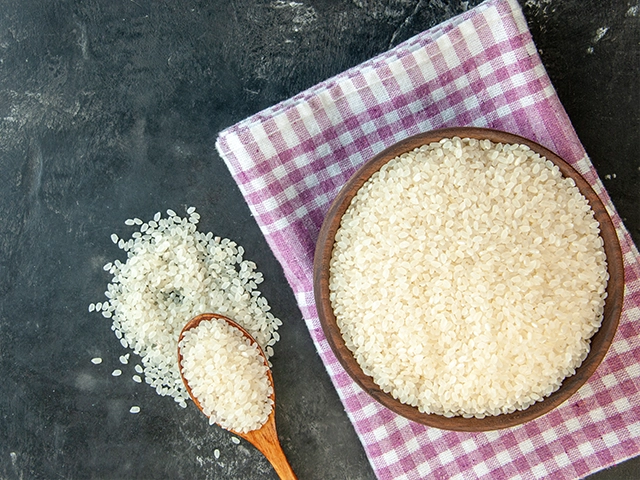
For better results, these points can help:
- Rinse Calrose rice before cooking.
- Use a controlled water ratio.
- Keep the lid closed so steam stays inside the pot.
- Avoid stirring too much while the rice cooks.
- Let the rice rest before serving.
- Fluff gently if a lighter texture is desired.
In short, Calrose rice needs a water ratio that supports softness and gentle stickiness. The best result is moist, tender, and cohesive, but not mushy.
Mahmood Calrose Rice
Mahmood Rice Calrose Rice is described as a medium-grain Japonica rice originating from California. It develops a soft and slightly sticky texture when cooked, with grains that gently adhere to one another. This makes it different from long-grain basmati varieties, which are usually preferred for a more separate and fluffy result. Calrose is more suitable for dishes where the rice should hold shape, absorb flavor, and create a smooth mouthfeel.
With its shiny, cohesive grains and soft texture after cooking, this product can be used in sushi, poke, stir-fried rice, and Asian-style dishes. These uses are directly connected to its texture. Since Calrose rice absorbs water and sauces well, it can carry the flavor of seasonings, vegetables, meat, seafood, or sauces without losing its role in the dish. It also retains moisture and holds its form well when reheated, which makes it practical for meal preparation and recipes served later.
When cooking Mahmood Calrose Rice, the ratio should be chosen with the desired texture in mind. A slightly softer result works well for sushi-style bowls or rice dishes where the grains need to come together. A more controlled amount of water is better for stir-fried rice or recipes where the rice should stay shaped after cooking. In every case, rinsing, gentle cooking, and resting are important because they help the rice reach a balanced consistency.
“Overall, Mahmood Calrose Rice is a practical choice for Asian-inspired recipes, rice bowls, and dishes where the rice needs to absorb flavor while keeping a pleasant structure.