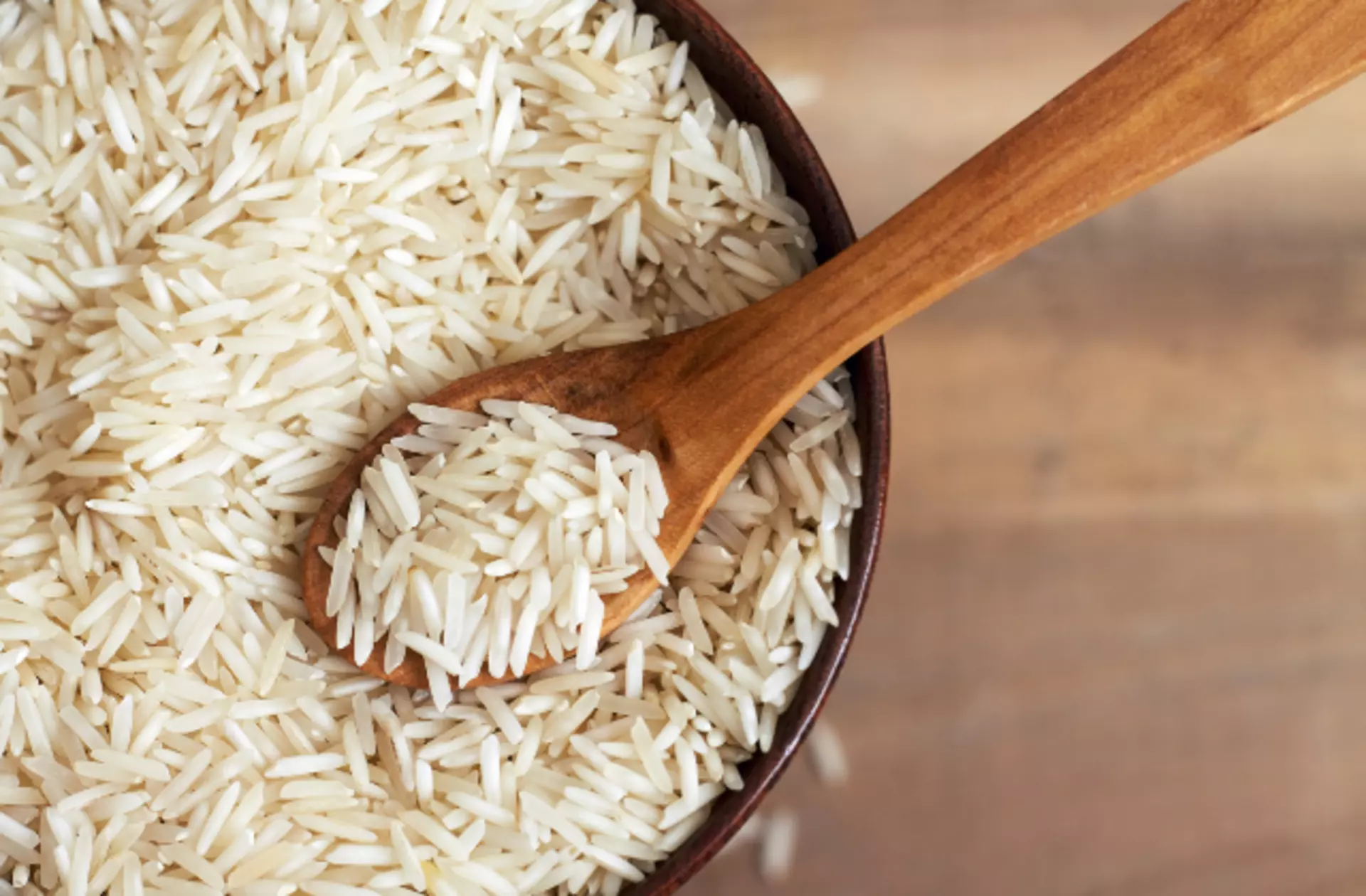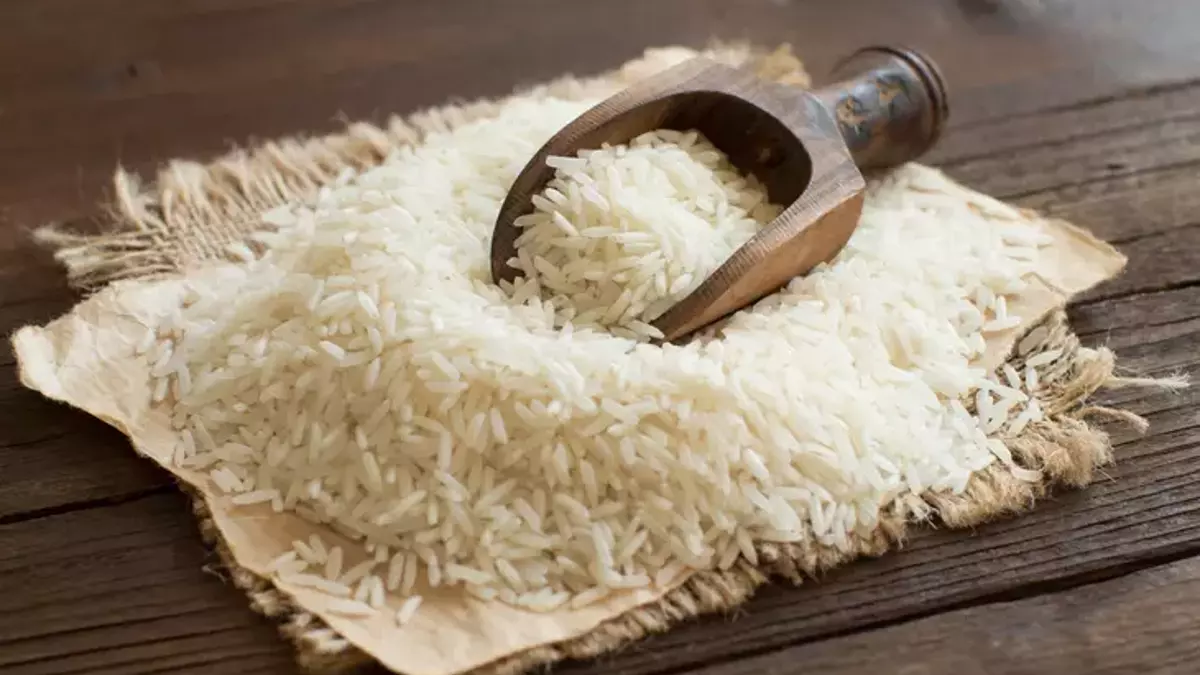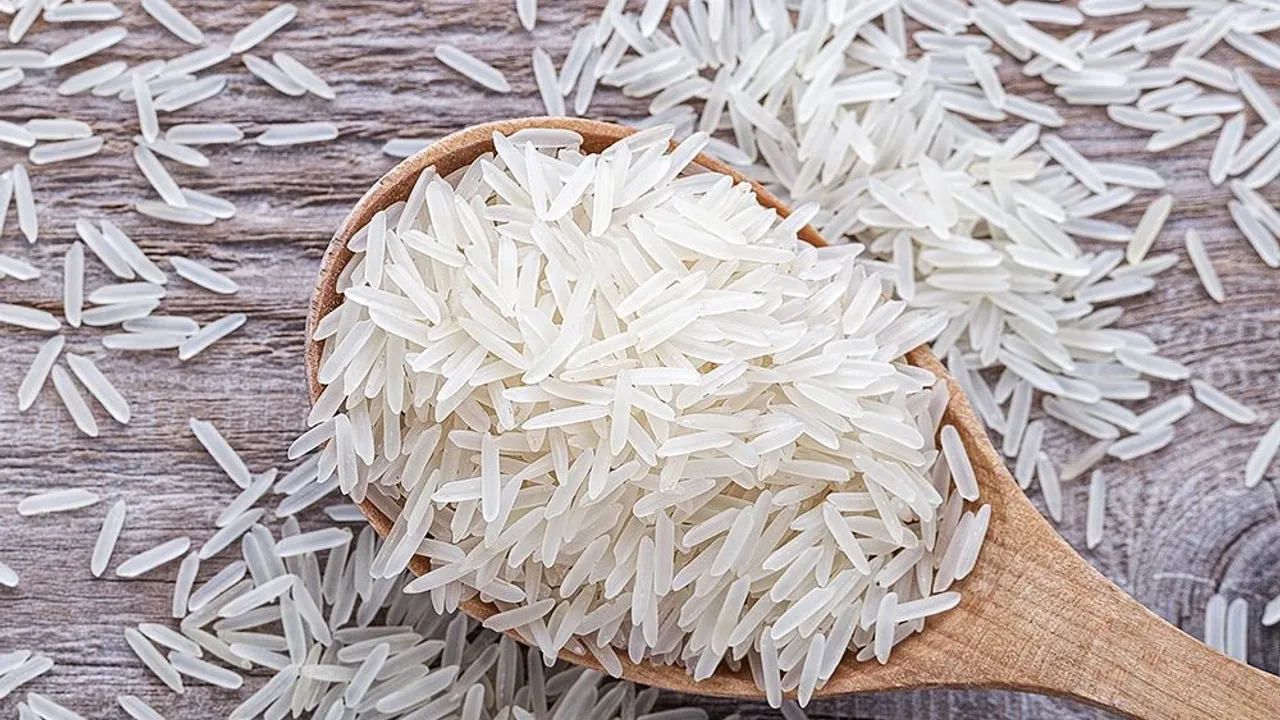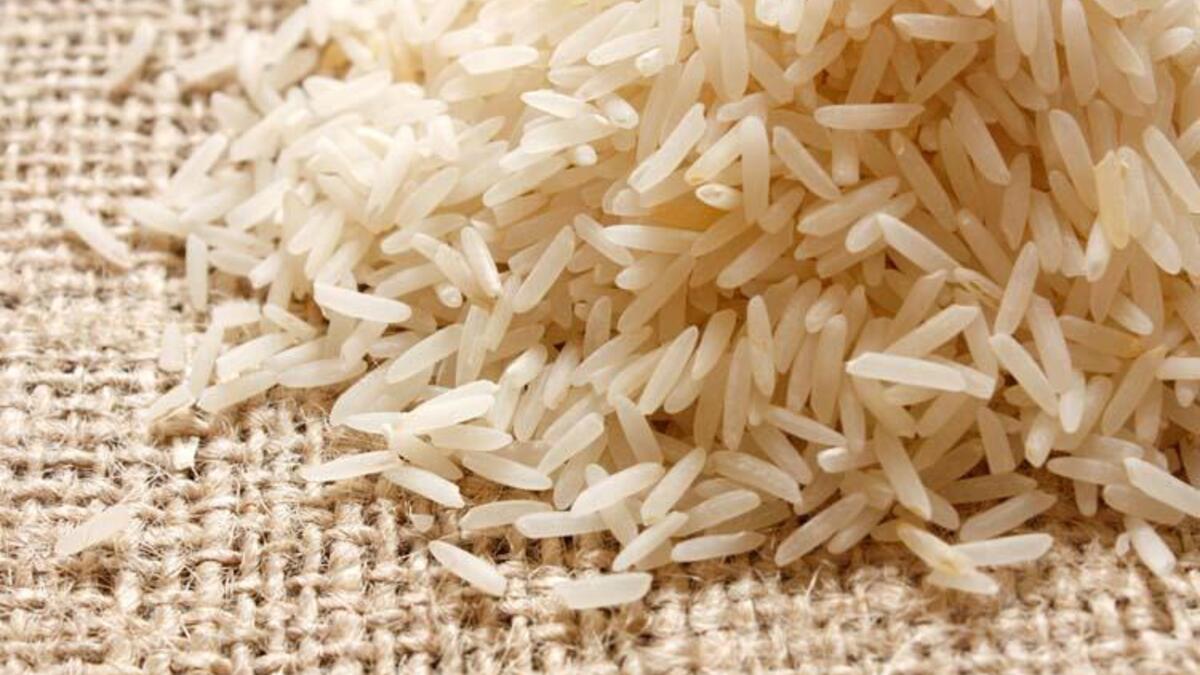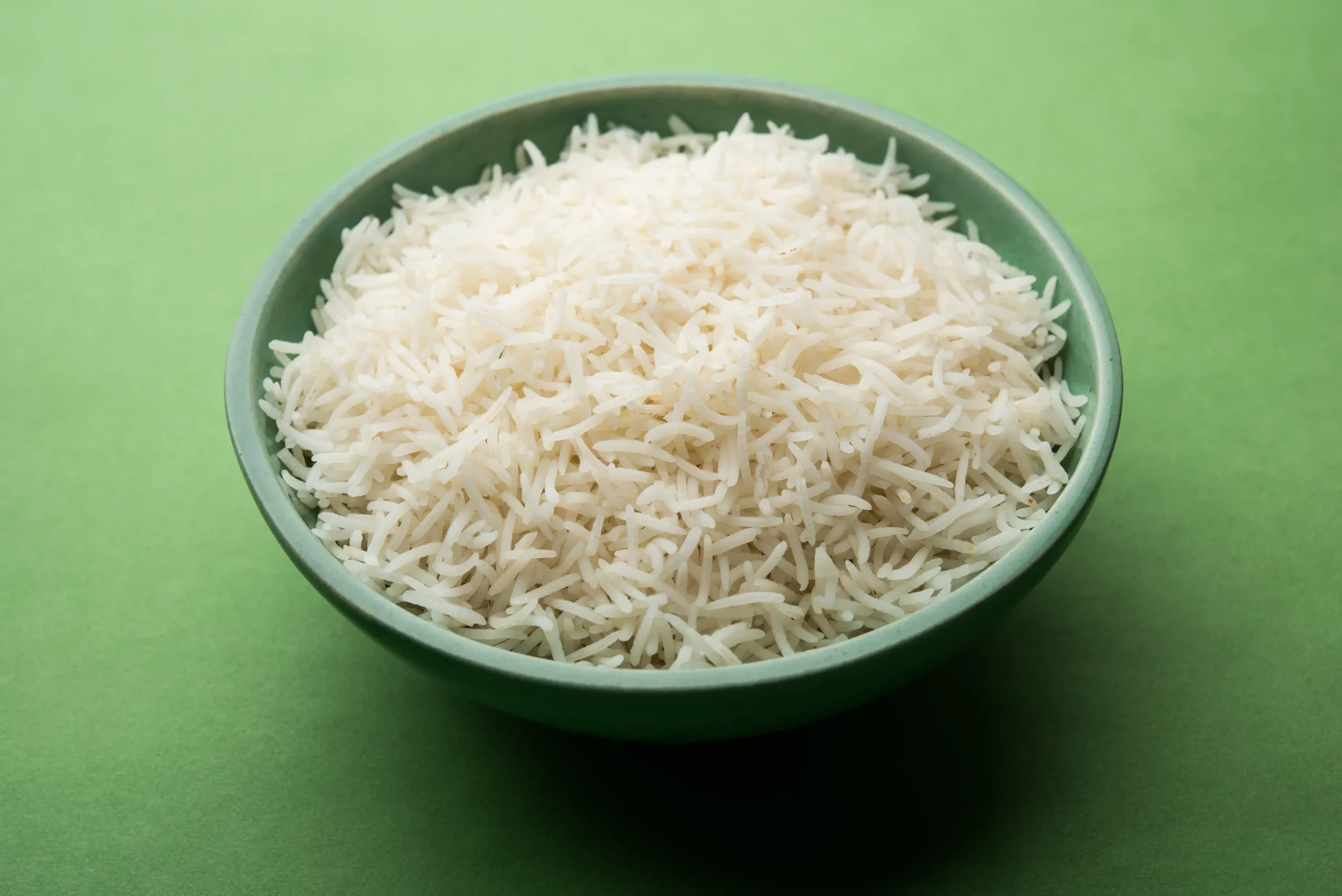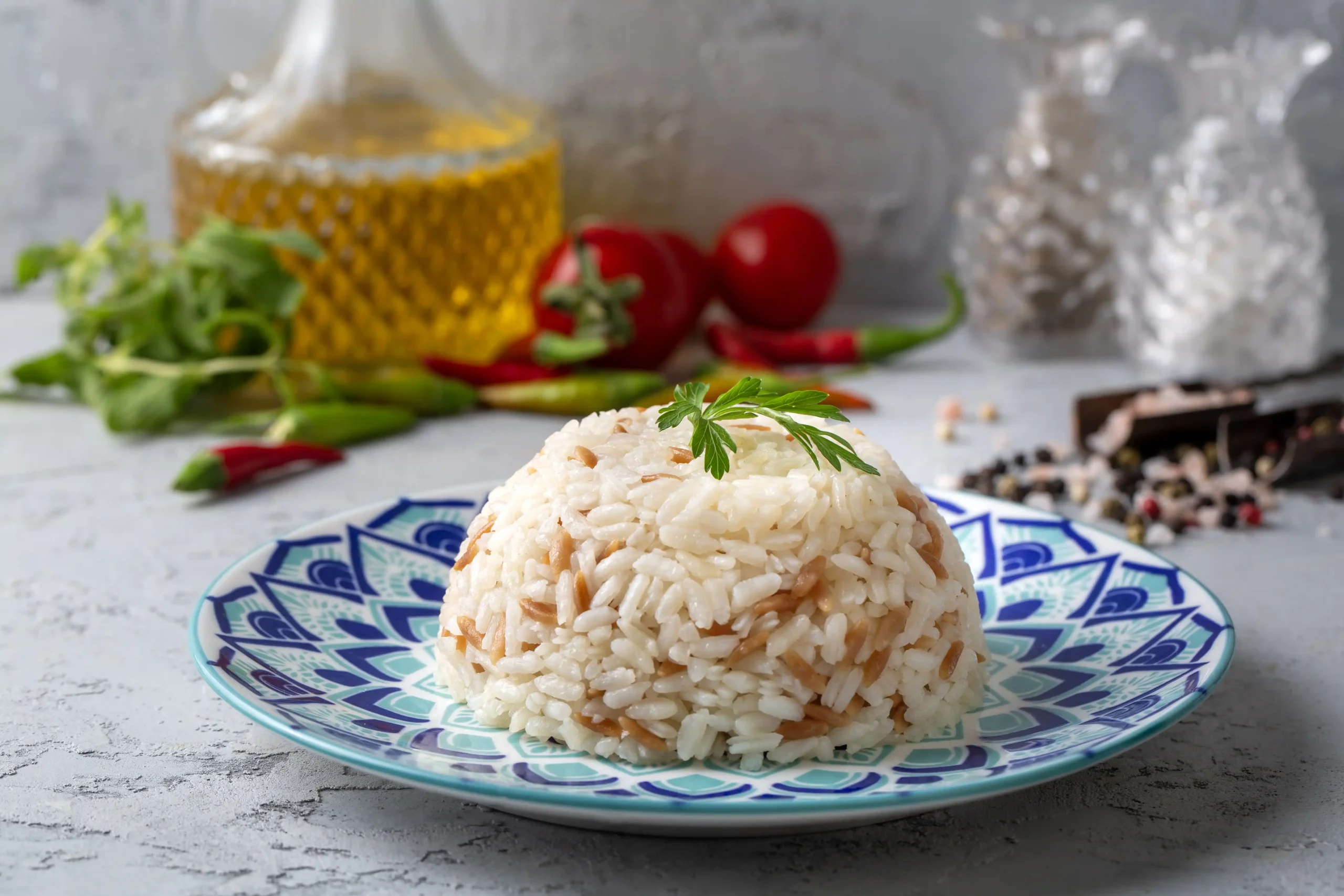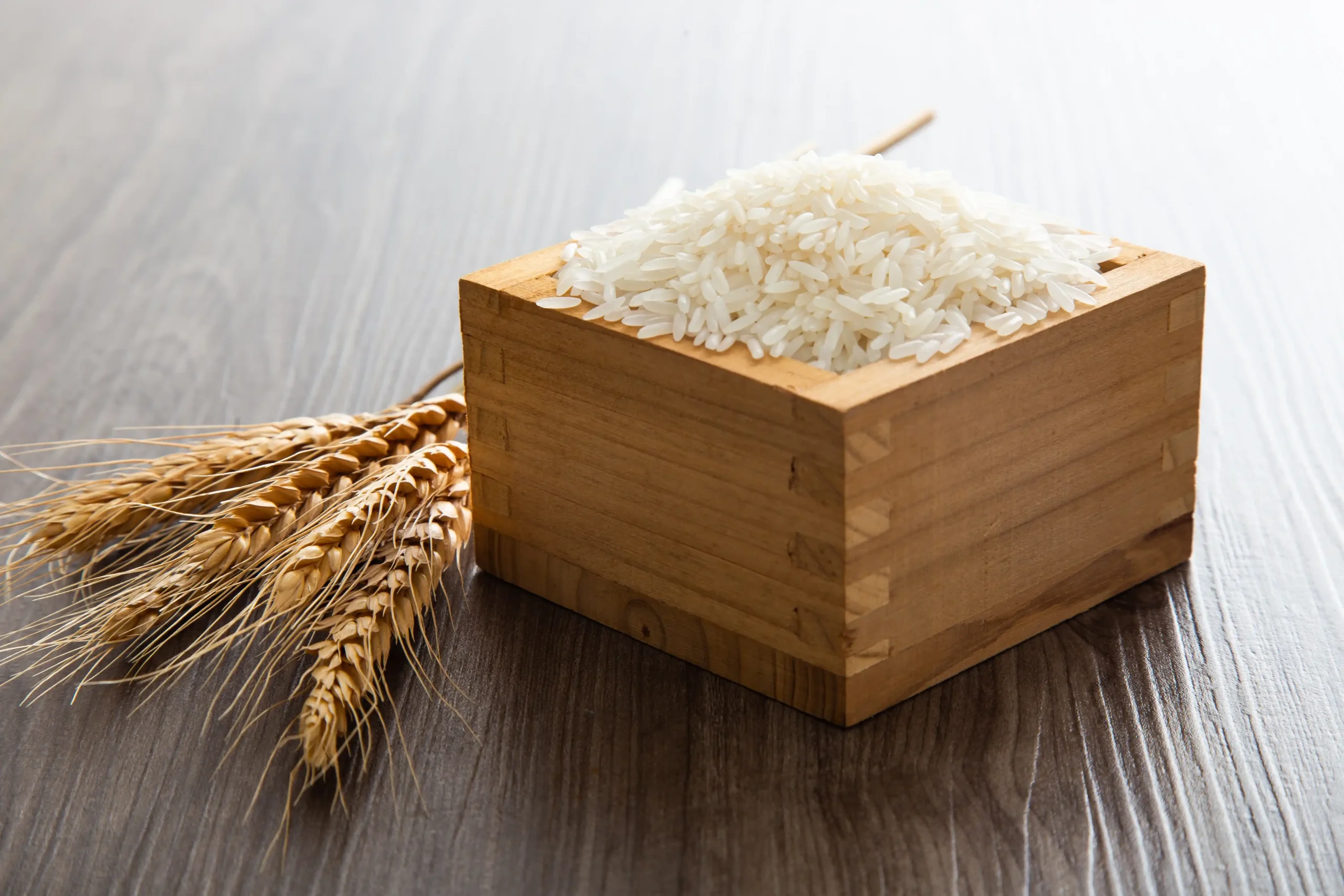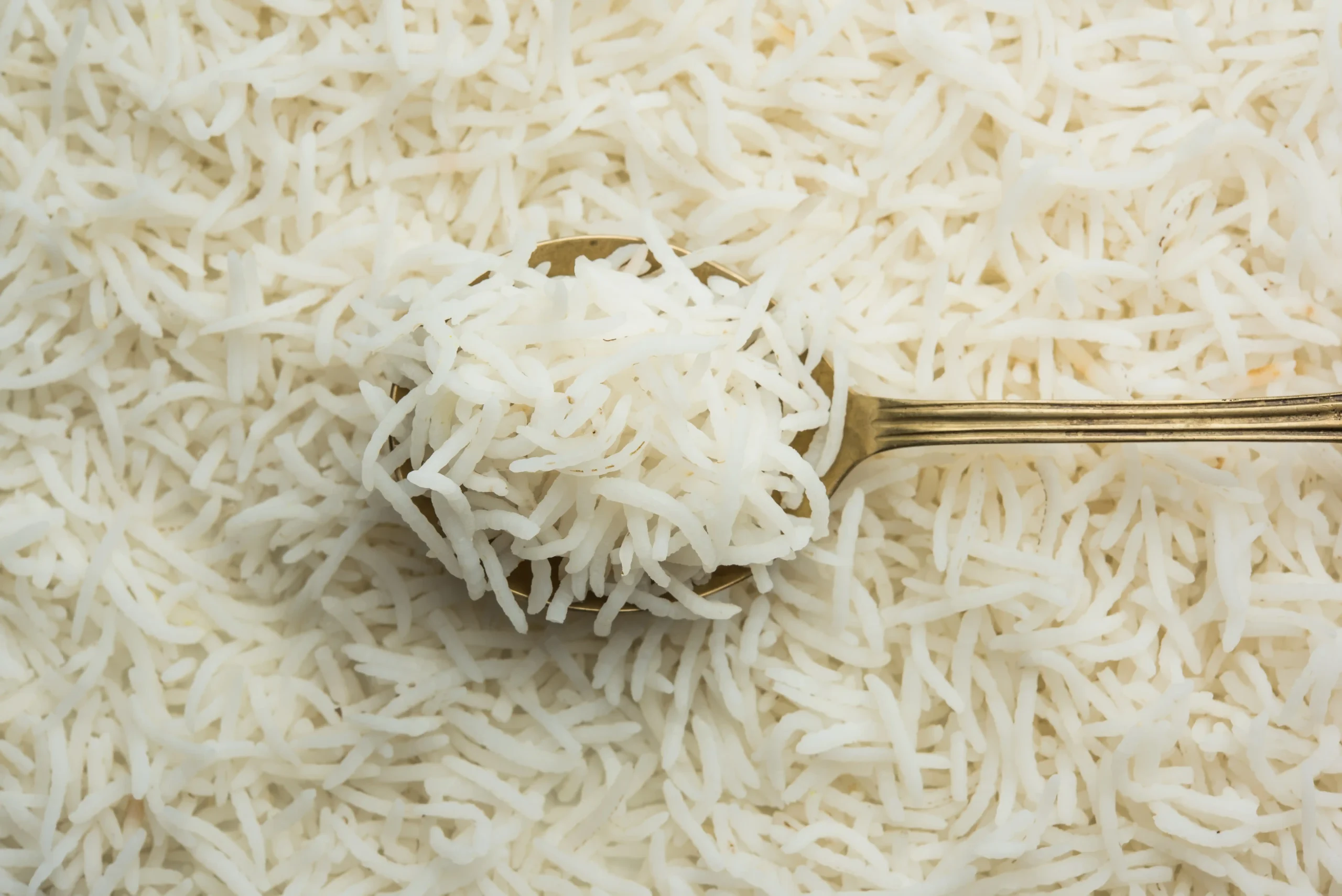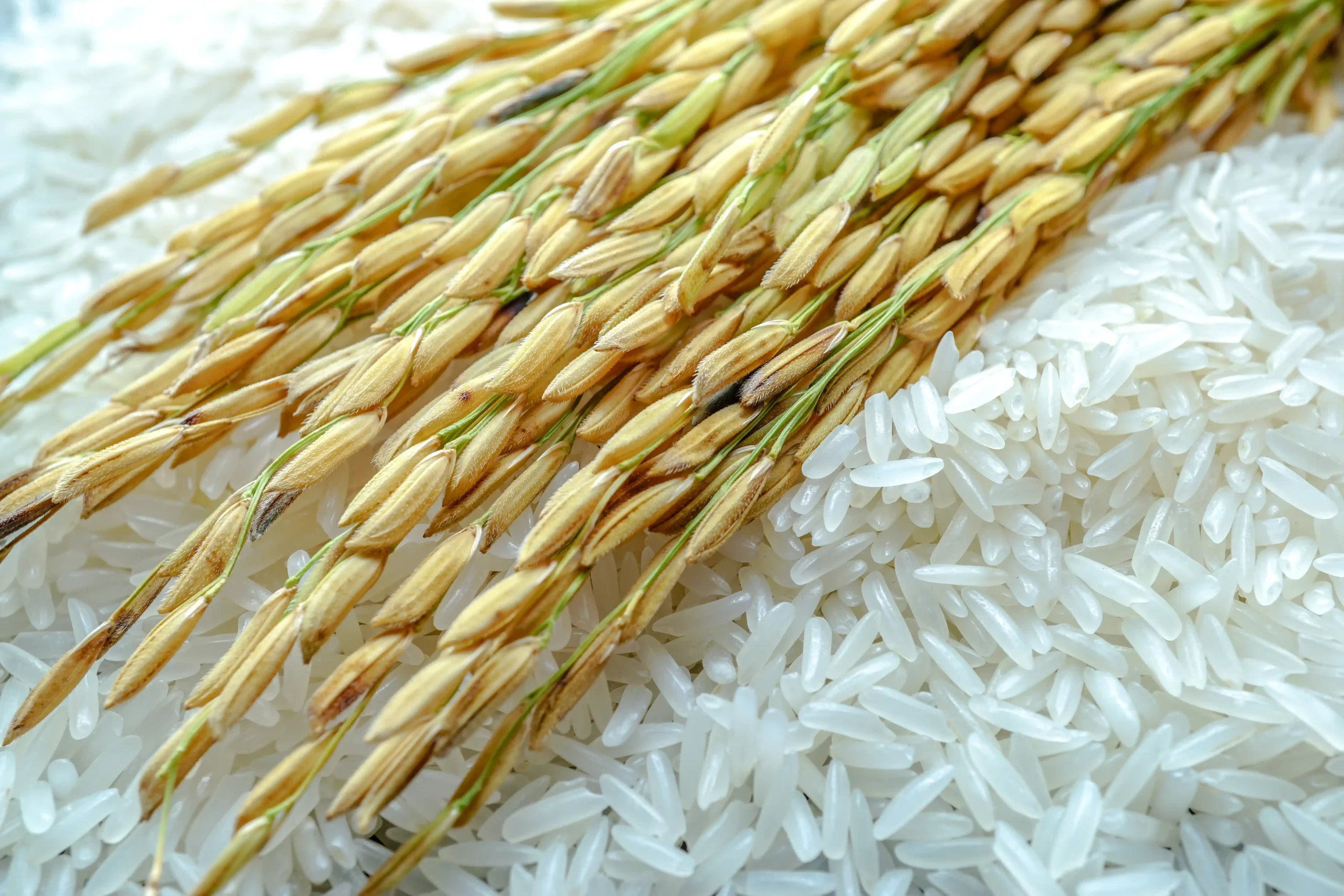
Is basmati rice long grain? Basmati rice is considered a long-grain rice because of its slender, elongated shape and light texture after cooking. Unlike short and round rice types, basmati has a grain structure that helps it remain separate when prepared correctly. This makes it a preferred option for dishes where the rice should feel fluffy and carry the flavor of spices, vegetables, meat, or sauces without becoming sticky.
Is basmati rice long grain? Its long-grain character is one of the main features that makes basmati different from many other rice varieties. During cooking, the grains usually lengthen while keeping a delicate and separate texture, which gives cooked basmati its distinctive appearance. For recipes such as pilaf, biryani, rice bowls, and side dishes, this grain structure creates a clean and balanced result. Proper washing, soaking, and a suitable water ratio also play an important role in preserving its long-grain character.
Is Basmati Rice Long or Short Grain?
Basmati rice is a long grain rice, not a short grain rice. Its defining qualities are its slim shape, aromatic profile, and ability to cook into separate grains rather than a soft, sticky mass. This is one of the main reasons basmati is widely used in recipes where texture and presentation matter. When cooked properly, each grain keeps its form and creates a light result on the plate.
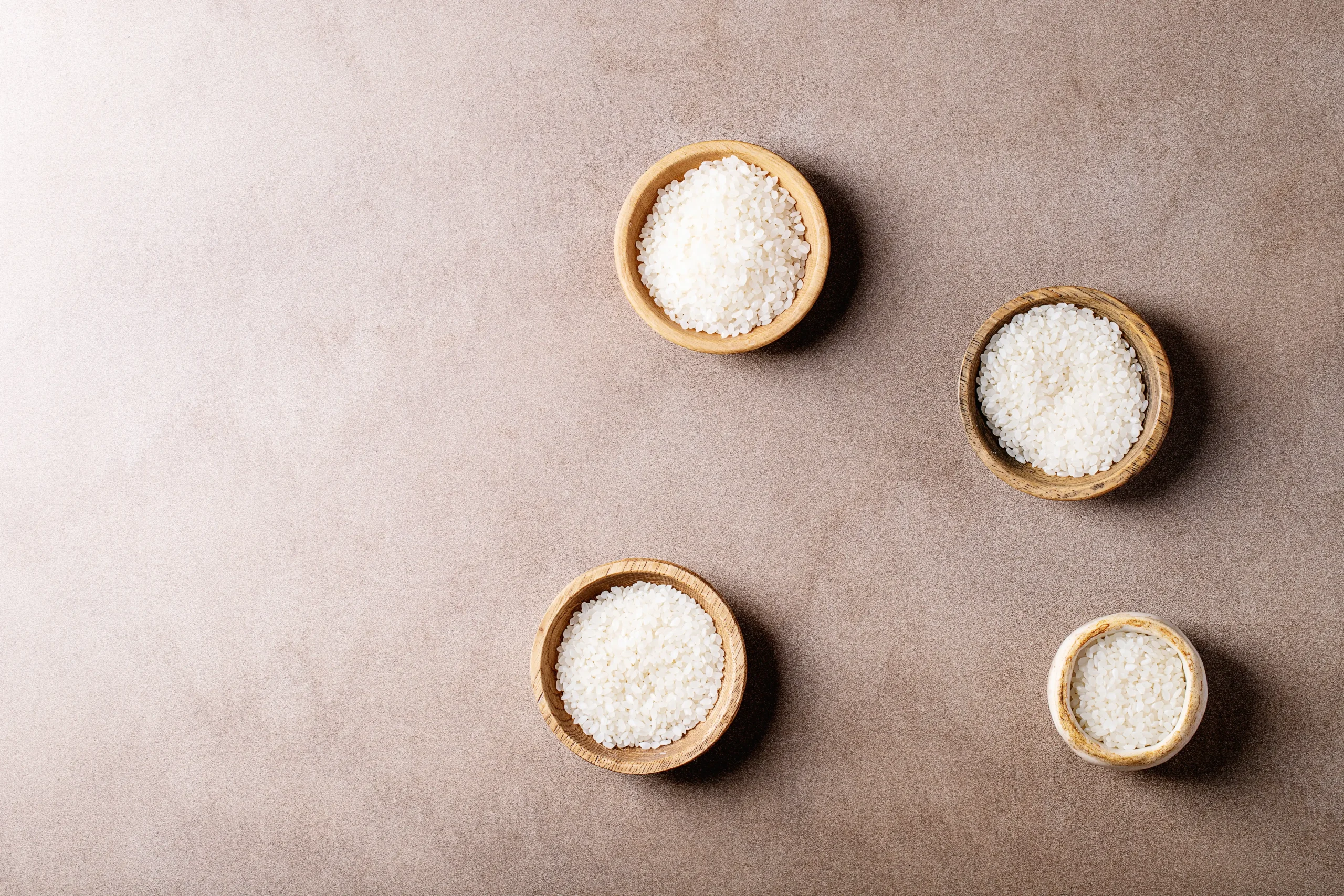
Short and middle grain rice, by contrast, is usually plumper, rounder, and more likely to stick together because of its structure. That makes short grain rice more common in recipes where a creamy, compact, or sticky texture is expected. It is used in dishes such as rice puddings, sushi-style preparations, and creamy rice recipes.
The difference can be understood more clearly through cooking behavior. Basmati rice is often rinsed to remove excess surface starch and may be soaked before cooking to support even grain expansion. These steps help the grains stay long, separate, and fluffy.
Key points to remember:
- Basmati rice belongs to the long grain rice category.
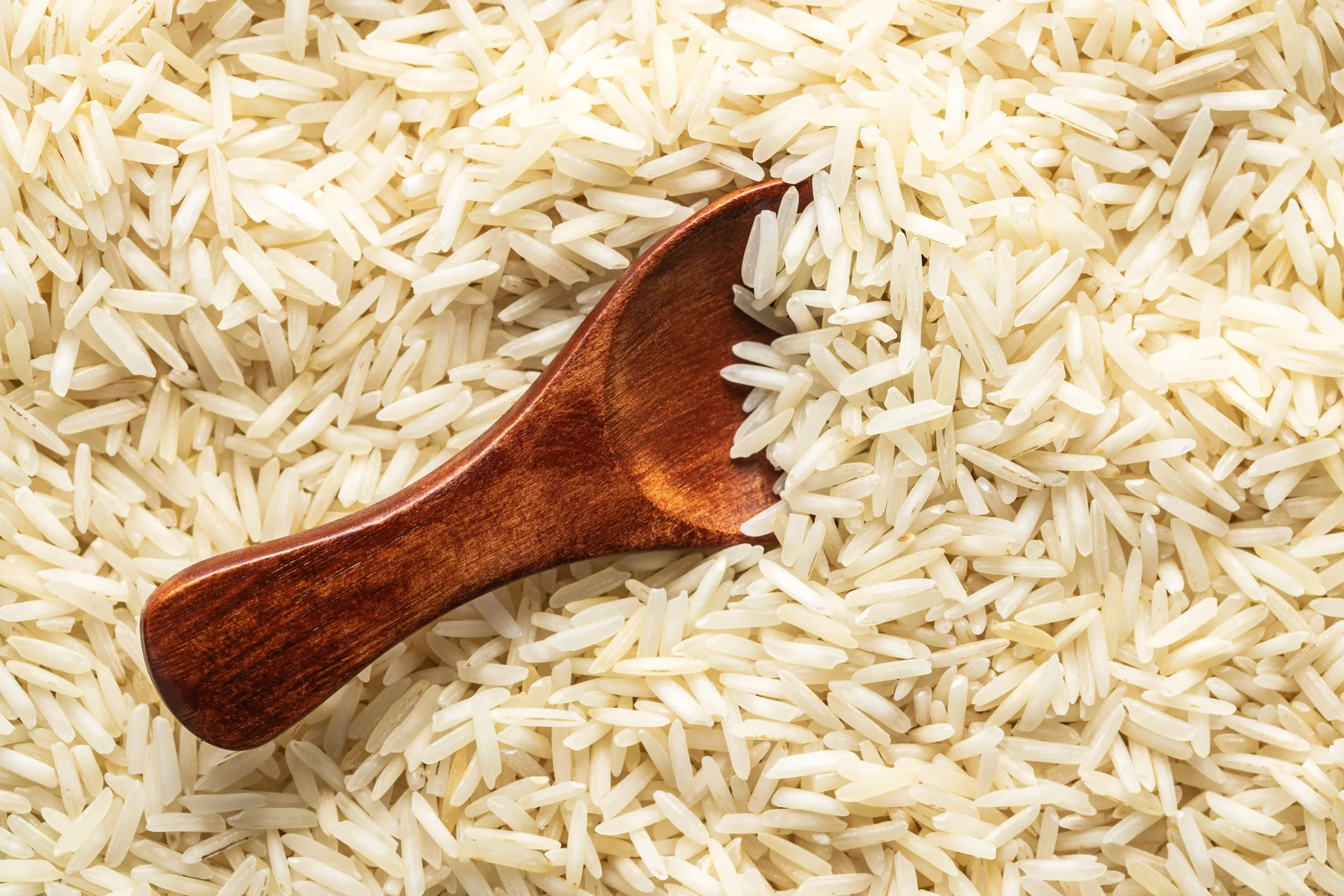
- It has a slender, elongated grain shape.
- It is known for aroma, lightness, and separate cooked grains.
- It is not the same as short grain rice, which is rounder and stickier.
- It works well in pilaf, biryani, spiced rice dishes, and elegant side plates.
For this reason, the phrase “basmati rice long grain” is accurate. Basmati should not be described as short grain because that would conflict with its natural grain structure and cooking characteristics.
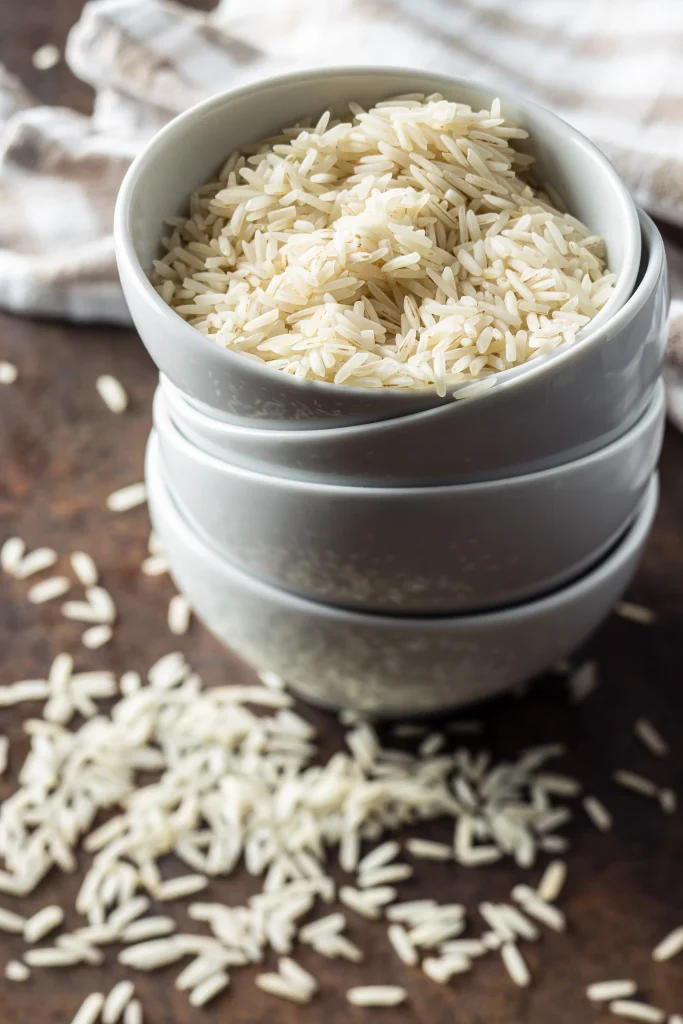
Is Extra Long Grain Rice the Same as Basmati
Extra long grain rice is not always the same as basmati, although some basmati rice varieties may be described as extra long grain. This distinction is important because “extra long grain” mainly refers to grain length, while “basmati” refers to a specific aromatic rice variety with recognizable cooking, texture, and fragrance characteristics. In other words, extra long grain describes physical size, but basmati describes both variety and eating quality. A rice may have very long grains, yet it may not have the aroma, slender structure, or cooking behavior associated with true basmati rice.
Basmati rice is appreciated not only because it is long, but also because it has a naturally fragrant character and tends to remain light and separate after cooking. Extra long grain rice can look similar before cooking, but appearance alone is not enough to define it as basmati. The grain may be long, but it may not offer the same aroma or the same lengthwise expansion during cooking. This is why product descriptions should be written carefully. Calling every extra long grain rice “basmati” would be misleading unless the rice actually belongs to a basmati variety.
The practical difference becomes clearer in recipes. Extra long grain rice may be preferred when visual length is the main expectation. Basmati rice, however, is better suited when the recipe needs both long grains and a distinct aromatic profile. For biryani, pilaf, spiced rice, and refined side dishes, basmati usually brings more character than a generic extra long grain rice.
In short, all basmati rice is long grain, and some basmati products may be extra long grain. However, not every extra long grain rice is basmati. The safest explanation is that basmati is a long-grain aromatic rice variety, while extra long grain is a size-based description.