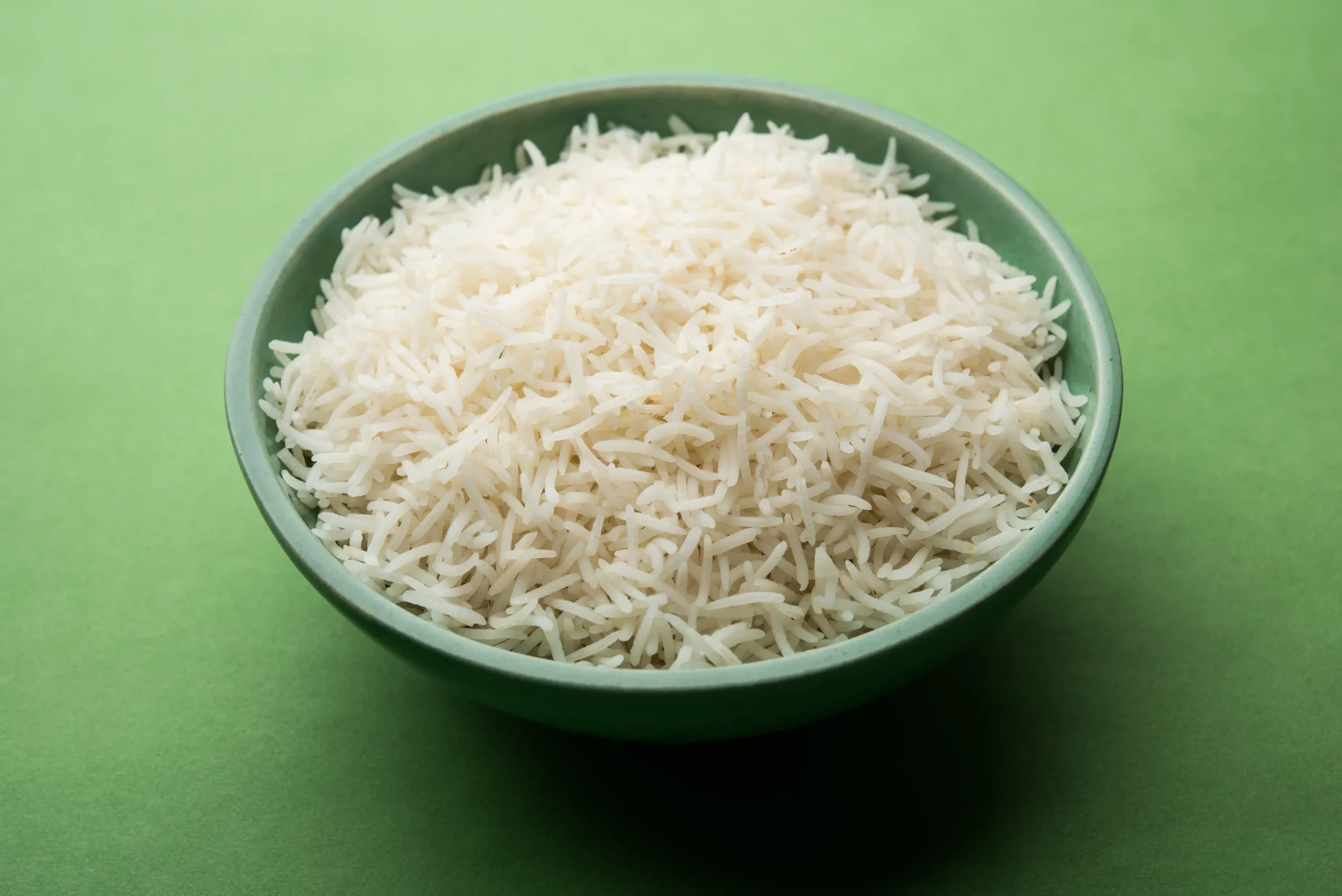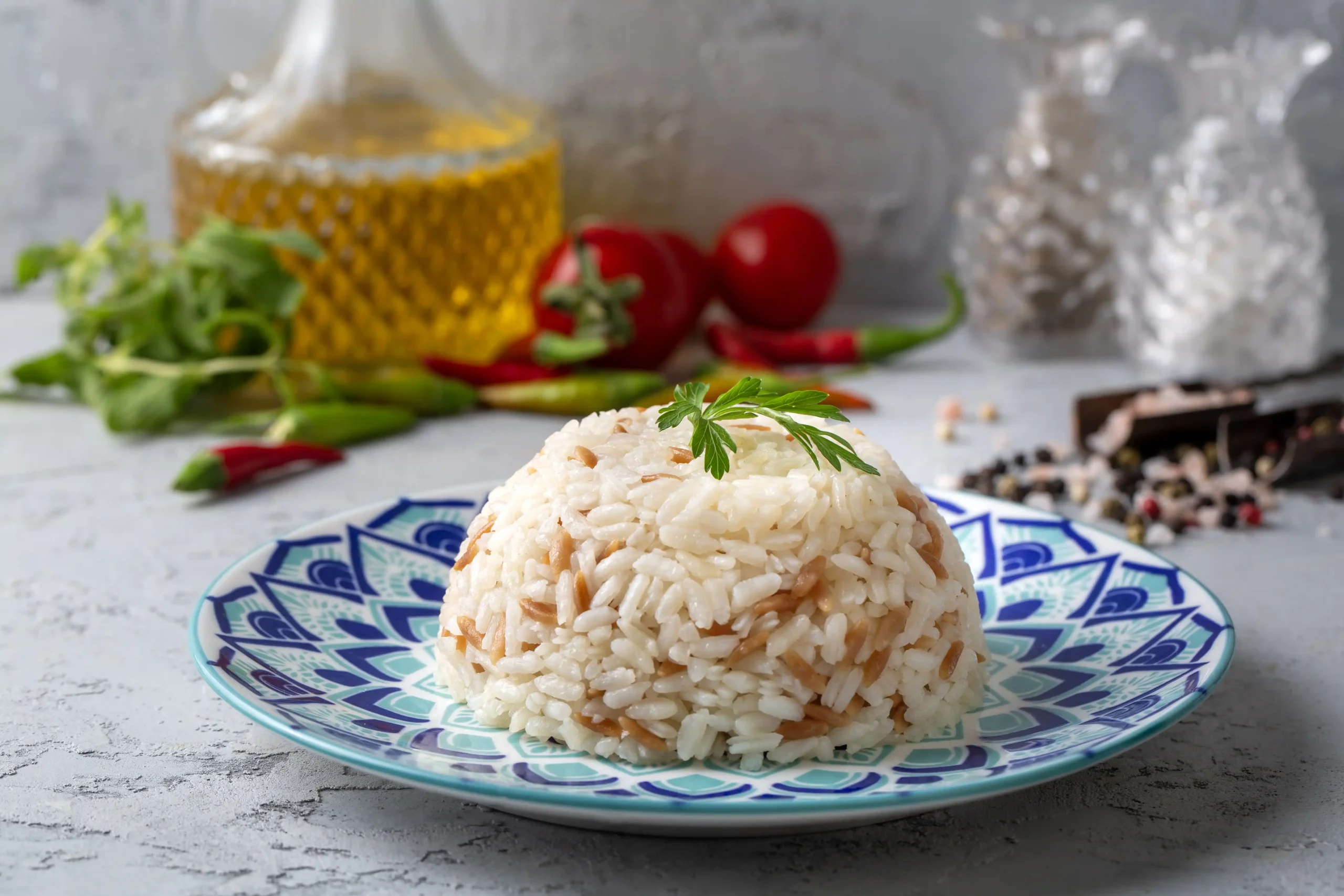
How to reheat frozen rice? Heat it from frozen using a microwave, saucepan, or steamer until piping hot throughout. Reheating frozen rice is the process of restoring moisture and separating grains through controlled heat and a small amount of water.
How to reheat frozen rice? The best method depends on portion size, available equipment, and whether the grains are plain, seasoned, or mixed with vegetables. Adding water, covering the container, and stirring halfway encourage even heating while preventing hard edges and cold centers. Safe storage, reheating temperature, steam retention, and serving time all influence texture, food safety, and overall quality.
Best Way to Reheat Rice
Moist heat is the most reliable approach for warming cooked grains without leaving them dry, hard, or unevenly heated. For most portions, add a little water, cover the container, and heat until the rice is steaming hot throughout. Choosing between microwave, stovetop, steamer, and oven methods depends on serving size, available time, and the texture you prefer.
Use these steps to match the reheating method with your meal:
- Microwave: Place the rice in a microwave-safe bowl, sprinkle water over it, cover loosely, and stir halfway through heating.
- Stovetop: Add the grains and a small amount of water to a pan, then warm gently while stirring occasionally.
- Steamer: Spread the portion in a heatproof dish and steam it until evenly hot, preserving a soft, separate texture.
- Oven: Cover a larger batch tightly with foil and warm gradually, making this method practical for family-sized servings.
- Fried rice: Transfer chilled grains directly to a hot pan, using oil and frequent stirring to distribute heat quickly.
The microwave is usually fastest for one serving, whereas the stovetop provides greater control when rice has become particularly dry. Compared with dry oven heating, both methods restore moisture more efficiently for everyday portions and reduce the likelihood of firm edges.
Only reheat rice that was cooled, ideally within one hour of cooking, and stored correctly. Warm only the amount you plan to eat, since reheating the same batch more than once can increase food safety risks and weaken its texture. Serve immediately so the grains remain tender and pleasantly separated.
How to Reheat White Rice?
Leftover white rice reheats best when gentle heat and added moisture soften the grains without turning them mushy. A microwave suits a single portion, while a covered saucepan gives greater control over dryness and texture. Before heating, loosen compacted grains with a fork so steam and moisture can move through the portion more evenly.
For soft, evenly warmed rice, follow these practical steps:
- Break apart refrigerated clumps before heating because dense sections can remain cold while exposed grains become dry.
- Add one or two tablespoons of water for each cup of cooked rice, adjusting slightly when the grains seem particularly dry.
- Cover the bowl or pan to trap steam, but leave a small opening when using a microwave.
- Stir halfway through heating and move rice from the outer edges toward the center.
- Check that the entire serving is steaming hot, then transfer it directly to the plate.
Compared with the microwave, stovetop reheating takes slightly longer but makes it easier to correct very dry rice gradually. Long-grain varieties usually need minimal stirring to remain separate, whereas short-grain rice tolerates slightly more moisture and gentler movement. If using an oven, cover the dish tightly and reserve this slower method for several portions rather than one small serving.
Reheat only rice that was cooled promptly and stored correctly after cooking. Warming the same portion repeatedly can reduce quality and increase food safety risks, so prepare only the amount you plan to eat. Serve it immediately while the grains remain moist, fluffy, and distinct.
From quick microwave portions to stovetop meals, properly reheated rice can make everyday cooking easier while preserving its texture. Explore the Mahmood Rice range to choose a suitable grain for recipes served fresh or carefully reheated.