




A premium Japonica rice variety distinguished by its full grains, bright appearance, and lightly creamy texture after cooking. Thanks to its high water absorption capacity, it reaches an ideal consistency during cooking and delivers a fluffy texture after resting. With its medium-grain structure, balanced cooking performance, and adaptability to different cuisines, it is an ideal choice.
Baldo Rice


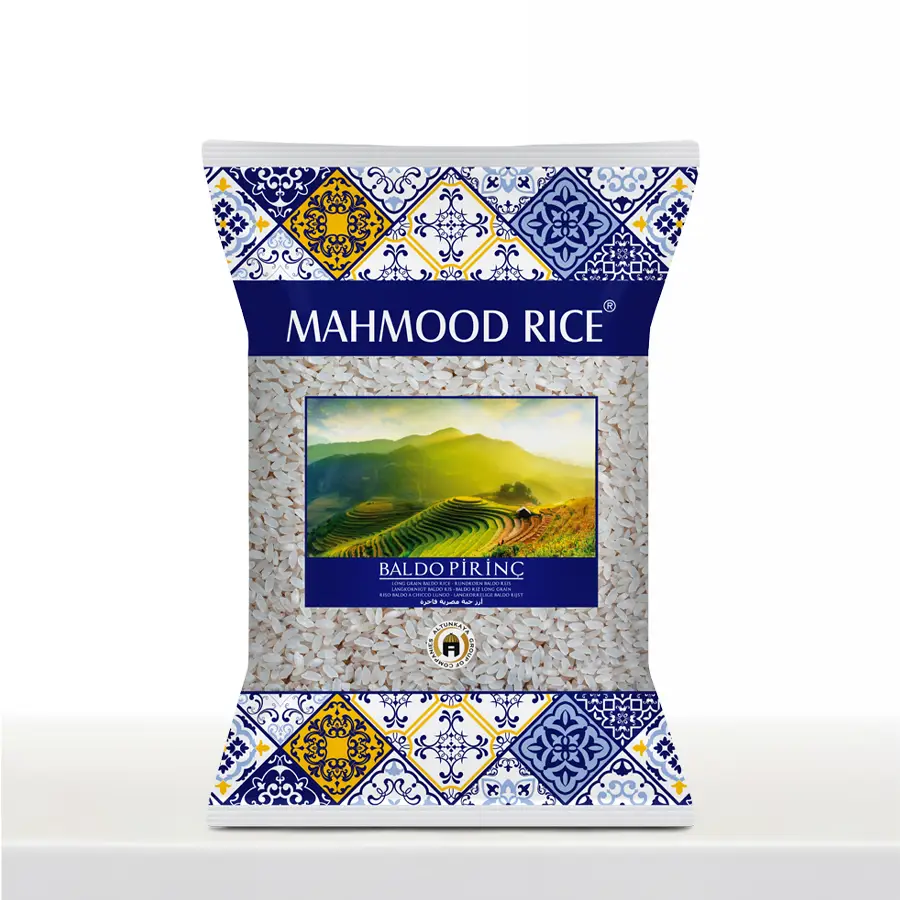
900 gr
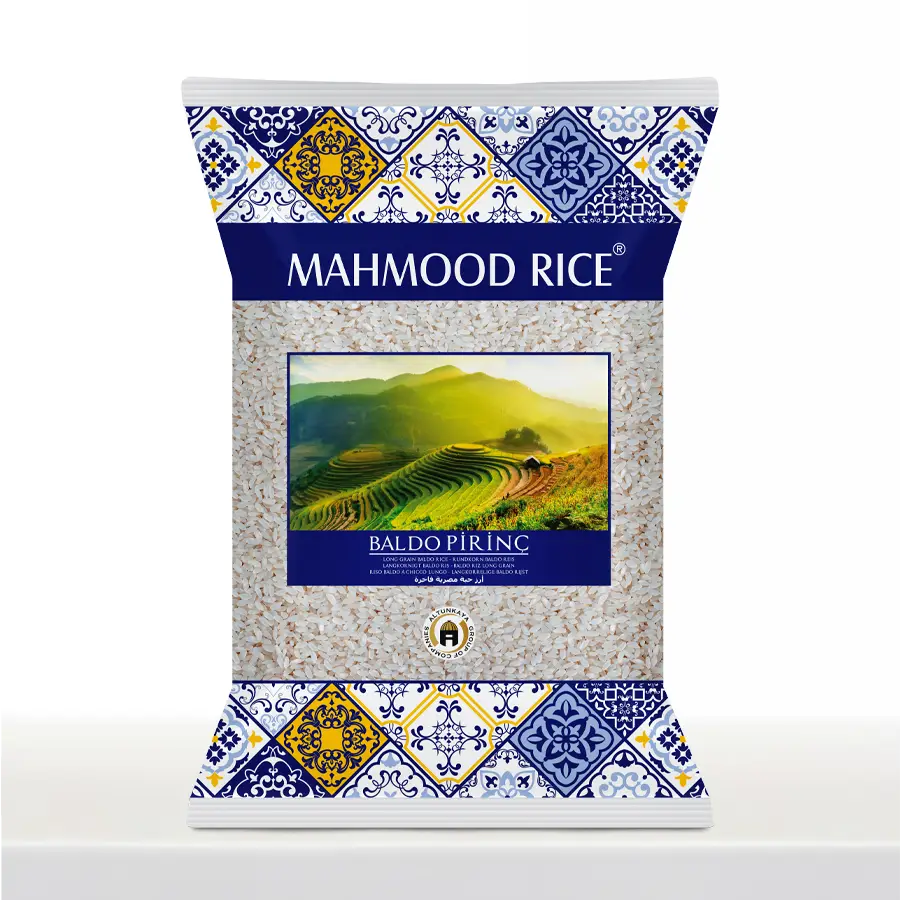
5 Kg
Baldo Rice Features
With its medium-grain structure and rich starch content, Mahmood Rice Baldo Rice delivers successful results in both appearance and flavor. Its ability to absorb butter, broth, and aromatic spices well gives rice dishes a rich and harmonious taste.
- Its medium-grain, full-bodied structure adapts well to a variety of recipes.
- It absorbs water well and develops a lightly creamy texture after cooking.
- Naturally gluten-free.
- Its rich starch content helps create well-textured results.
- Gives rice dishes a bright appearance and a full-bodied texture.
Baldo Rice Cooking Instructions
There are several ways to cook Baldo Rice:


1. Before cooking, soak the rice in cold water for 10 minutes, then drain.
2. Place the rice in a microwave-safe container with a lid, add water, and cook at 1000W for about 5 minutes.
3. Then reduce the power and continue cooking at 500W for another 20–25 minutes.
4. Once cooking is complete, let the rice rest for 10–15 minutes.
1. Before cooking, soak the rice in cold water for 10 minutes, then drain.
2. Place the rice in a pot, add fresh water, and cook over low heat with the lid on for 12–15 minutes.
3. After turning off the heat, let it rest for 10–15 minutes.
1. Before cooking, soak the rice in cold water for 10 minutes, then drain.
2. Add the rice and water to the rice cooker; use the white rice setting or automatic mode.
3. Once cooking is complete, let the rice rest for 10–15 minutes.
1. Before cooking, soak the rice in cold water for 10 minutes, then drain.
2. Preheat the oven to 400°F. Add water to an oven-safe dish with a lid and bring it to a boil.
3. Add the rice to the boiling water and cook with the lid on for 30 minutes.
4. Once cooking is complete, let the rice rest for 10–15 minutes.

Thanks to its natural composition, Baldo Rice is gluten-free and offers a practical, light option for everyday meals with its low fat and low salt content. Its high water absorption capacity helps it reach an ideal consistency, maintain its shape during cooking, and deliver successful results in a wide range of recipes. With the convenience it offers in the kitchen and its versatile use, Baldo Rice is a rice variety that can be chosen with confidence for different tables.
Known for its versatility, Baldo Rice delivers successful results in everyday cooking. Thanks to its high water absorption capacity, full grain structure, and ability to hold its shape during cooking, it can be used comfortably in many different dishes. Holding an important place especially in Turkish cuisine, Baldo Rice provides balanced results in recipes where texture and flavor matter.
Baldo Rice can be used in a wide variety of recipes, from classic plain rice pilaf to butter rice, from rice dishes with meat or chicken to fillings for stuffed grape leaves and vegetables. It also delivers successful results in baked dishes and meat stews by maintaining its structure. Thanks to its suitable consistency, it is also a versatile rice variety preferred in certain desserts such as Turkish rice pudding.
- Use 2 cups of water for every 1 cup of rice.
- Before cooking, soak the rice in cold water for 10 minutes, then drain.
- Place the rice in a pot and add fresh water.
- Cook over low heat with the lid on for 12–15 minutes.
- After removing it from the heat, let it rest for 10–15 minutes without opening the lid.
- Your rice is ready to serve.
Soaking helps the rice grains absorb water more evenly and in a more controlled way. As a result, the grains are less likely to break during cooking, develop a fuller appearance, and separate more easily.
When done for the proper amount of time, soaking improves the cooking result and helps the rice achieve a more balanced and successful texture.
The main difference between Baldo Rice and Basmati Rice lies in their grain structure, texture, and aroma. Thanks to its medium-grain structure, Baldo Rice delivers a creamier and fuller texture after cooking, while Basmati Rice, with its long-grain structure, offers a fluffier appearance. Baldo Rice has a more neutral and balanced flavor, whereas Basmati Rice stands out with its natural aroma. For this reason, Baldo Rice is preferred for dishes that call for a richer consistency, while Basmati Rice is better suited for lighter, fluffier, and more aromatic recipes.
The main difference between Baldo Rice and Calrose Rice can be seen in their texture, consistency, and uses after cooking. Although both belong to the Japonica group and have a medium-grain structure, Baldo Rice, when cooked properly, delivers a fluffier, more balanced, and lightly creamy result, while Calrose Rice develops a softer texture with grains that lightly cling together. For this reason, Baldo Rice stands out in pilaf, stuffed dishes, and classic recipes, while Calrose Rice is better suited for sushi, bowls, and recipes where the shape needs to hold. As a result, Baldo Rice is preferred for dishes that call for more defined grains and a balanced consistency, while Calrose Rice is favored for recipes that require a softer, more cohesive texture.