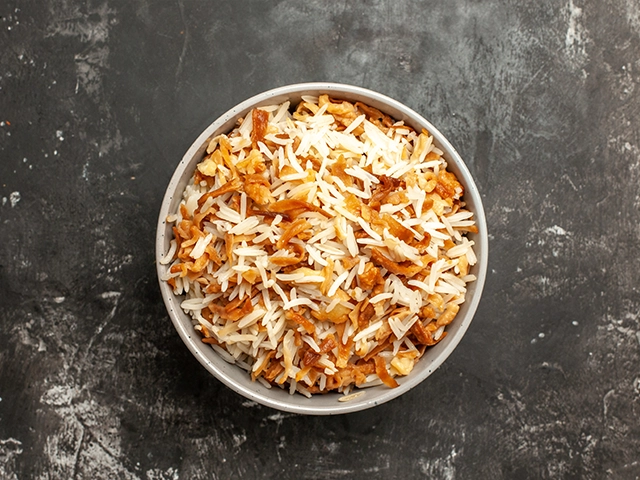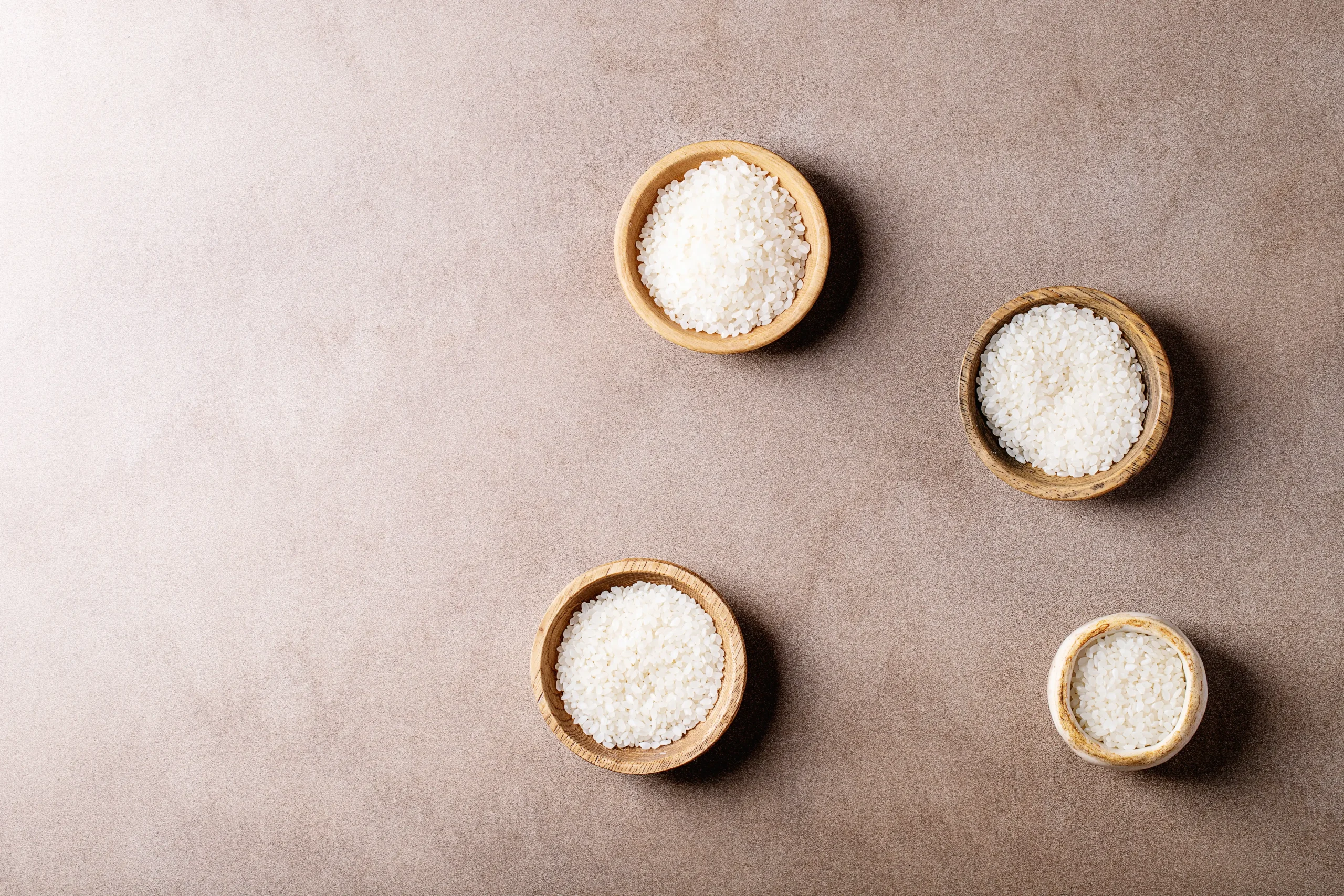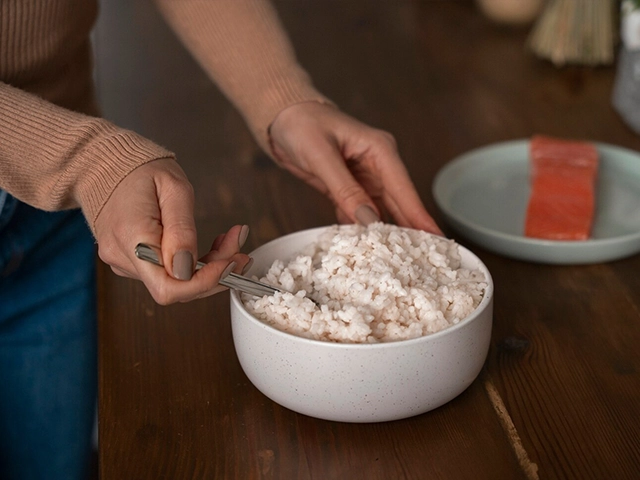
Rice recipes are preparation methods that turn grain varieties into complete meals, side dishes, desserts, or comforting one-pot dishes. They explain how ingredients, liquid ratios, seasonings, and cooking techniques work together to achieve the intended flavor and texture.
Rice recipes range from aromatic biryani to creamy rice pudding, varying by grain type, cuisine, preparation time, and serving purpose. Home cooks can explore stovetop, rice cooker, microwave, and oven cooking methods while learning how rinsing and resting affect consistency. Understanding water ratios, spice pairings, protein additions, and vegetable combinations also makes adapting everyday meals for different tastes and occasions easier.
Chicken and Rice
Combining tender poultry with seasoned grains creates a filling meal suited to busy evenings, family lunches, or planned leftovers. The dish can be cooked in one pot, baked, or prepared separately for greater control over texture.
One-pot versions absorb stock, spices, and cooking juices, producing a deeper flavor. By comparison, cooking each component separately keeps the rice lighter and allows more precise seasoning.
Choose the method and ingredients according to your schedule and preferred result:
- Use boneless thighs for richer flavor and better moisture retention during longer cooking.
- Choose chicken breast when you want leaner portions and a shorter preparation time.
- Soak the rice in water for approximately 30 minutes, then drain it to remove surface starch and help the grains remain separate and fluffy.
- Add peas, carrots, or peppers to bring color, texture, and variety to the plate.
- Rest the finished dish before serving so steam redistributes evenly.
For a quick weeknight version, sauté onions and poultry, stir in rinsed rice, then add warm stock and seasonings. Cover and cook gently until the liquid is absorbed, avoiding frequent stirring that could make the mixture sticky.
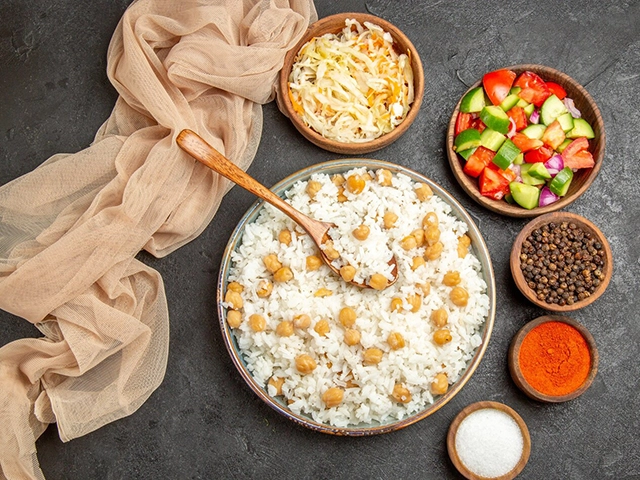
Cumin and coriander create warm notes, while lemon, garlic, and herbs produce a lighter profile. Tomato, paprika, and peppers suit Mediterranean-style meals, whereas curry spices deliver a stronger aromatic character.
Among simple rice recipes for dinner, this combination is especially adaptable because vegetables, portions, and seasonings can change without altering the basic technique. It also reheats well when cooled promptly and stored correctly, making it practical for preparing lunches or dinners ahead.
Korean Ground Beef
This Korean-inspired dish combines minced beef with a savory-sweet sauce made from soy sauce, garlic, ginger, sesame oil, and brown sugar. It is usually served over steamed rice, offering a quick alternative to traditional bulgogi when marinating and slicing meat feels impractical.
Unlike bulgogi, which commonly uses thin slices of marinated beef, this version relies on ground meat and cooks within minutes. Among rice recipes with meat, this version is especially practical for weeknight bowls, meal preparation, or lunches made with leftovers.
To prepare a balanced beef and rice bowl, follow these simple steps:
- Brown the meat over medium-high heat, breaking it into small pieces as it cooks.
- Drain excessive fat when necessary, leaving enough moisture to carry the seasoning.
- Add garlic and ginger briefly, preventing them from burning or becoming bitter.
- Stir in soy sauce, sesame oil, sugar, and chili flakes until evenly distributed.
- Serve over warm rice with scallions, sesame seeds, and vegetables for contrast.
White basmati rice gives the bowl a light, separate texture, while jasmine rice creates a softer and slightly more cohesive base. Brown rice provides a firmer bite, although it requires a longer cooking time than either white variety.
Korean ground beef can be adjusted easily for different preferences. Use less sugar for a more savory profile or add gochujang for deeper heat. Cucumbers, carrots, spinach, or steamed broccoli introduce freshness and prevent the richness of the meat from dominating every bite.
Shrimp and Rice Recipes
Pairing shrimp with rice creates quick, adaptable meals ranging from skillet dinners and seafood pilaf to spicy bowls and creamy dishes. Most versions cook within 30 minutes when rice is prepared beforehand, making them suitable for weeknights, lunches, or using leftovers.
The best method depends on whether you prefer separate grains, a saucy texture, or a one-pan meal with minimal cleanup. Shrimp cooks faster than poultry or beef, so adding it near the end helps prevent a dry, rubbery texture.
Popular preparation styles include:
- Prepare shrimp fried rice with chilled grains, eggs, vegetables, soy sauce, and sesame oil for a fast skillet meal.
- Simmer tomatoes, peppers, stock, and rice together, then add shrimp during the final minutes.
- Build a Mediterranean bowl with lemon, garlic, herbs, cucumber, and lightly sautéed seafood.
- Combine coconut milk, curry spices, and vegetables for a creamy dish with gentle heat.
- Serve grilled shrimp over seasoned rice when you want clearer textures and individually controlled portions.
Rice selection changes the final result. Basmati remains light and separate, making it suitable for pilaf-style recipes or bowls with sauces. Jasmine rice has a softer texture in which the grains cling together, complementing Asian-inspired seasonings, while brown rice adds firmness and a nuttier flavor.
Seasoning should support rather than overpower the seafood. Garlic, lemon, paprika, chili, parsley, and ginger offer distinct directions without requiring complicated techniques. Serve the dish immediately after cooking so the rice retains its texture and the shrimp remain tender.
Rice Bowl Recipes
Layering cooked grains with vegetables, protein, sauce, and garnishes creates a complete meal that can be adapted to different tastes and schedules. These bowls work for quick dinners, packed lunches, or meal preparation because each component can be cooked, stored, and combined separately.
Unlike mixed rice dishes, bowl-style meals keep ingredients distinct, allowing diners to adjust flavor, texture, and portion size with every serving. A useful structure begins with a grain base, followed by vegetables, protein, dressing, and a crunchy or fresh finishing element.
For balanced combinations, consider these practical approaches:
- Pair basmati rice with grilled chicken, cucumber, tomato, herbs, and a lemon-based dressing.
- Combine jasmine rice, sautéed shrimp, shredded carrots, edamame, and sesame sauce for an Asian-inspired option.
- Use brown rice with roasted vegetables, chickpeas, avocado, and tahini for a fiber-rich plant-based meal.
- Top warm rice with seasoned beef, spinach, pickled vegetables, and a soft-cooked egg.
- Turn leftover grains into chilled bowls with tuna, corn, greens, and a light yogurt dressing.
The rice variety affects the character of the bowl. Basmati stays light and separate, while jasmine offers a softer texture and gentle aroma. Brown rice delivers a firmer bite, whereas short-grain varieties create a more cohesive base for toppings eaten with chopsticks.
Among simple rice bowl recipes, combinations using leftovers often require the least preparation. Reheated grains can be paired with roasted vegetables, cooked meat, or pantry ingredients, reducing waste without making the meal feel repetitive. Add sauces just before serving to protect crisp toppings and prevent sogginess.
Mahmood Rice shares a wide range of recipes, from one-pot dishes and fried rice to seafood meals and desserts. Visit the recipe section on the Mahmood Rice website to explore ideas for everyday meals and special menus.