




A special rice variety that brings together the deep-rooted heritage of traditional Basmati rice with modern food technology. Its golden color and texture make it easy to distinguish from other basmati varieties. Only the longest and most durable grains are selected for the Golden category. With its strong structure, elegant appearance, and rich aroma, it stands out on refined tables.
Basmati Golden Sella Rice


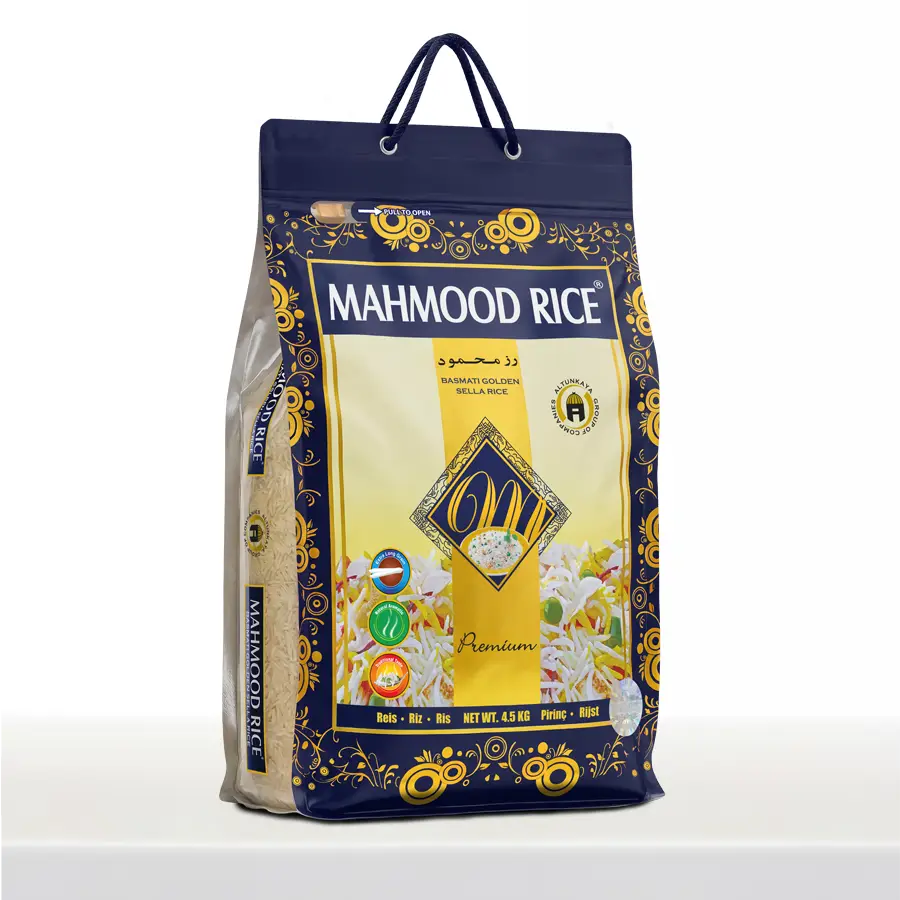
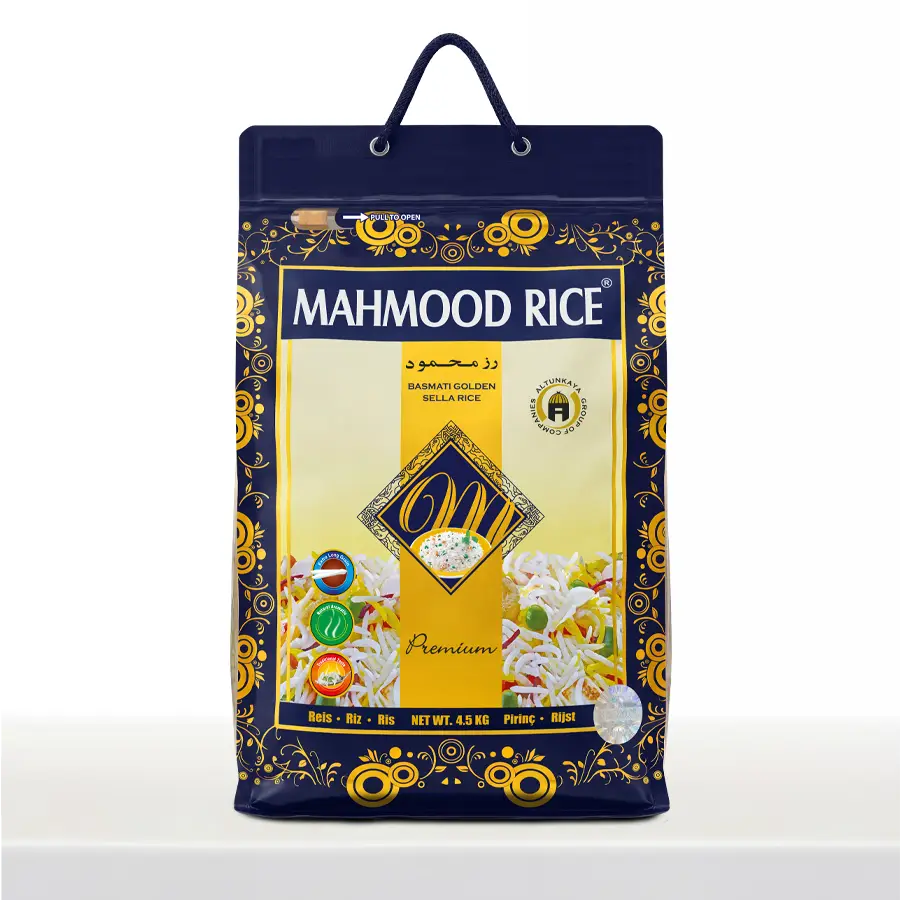
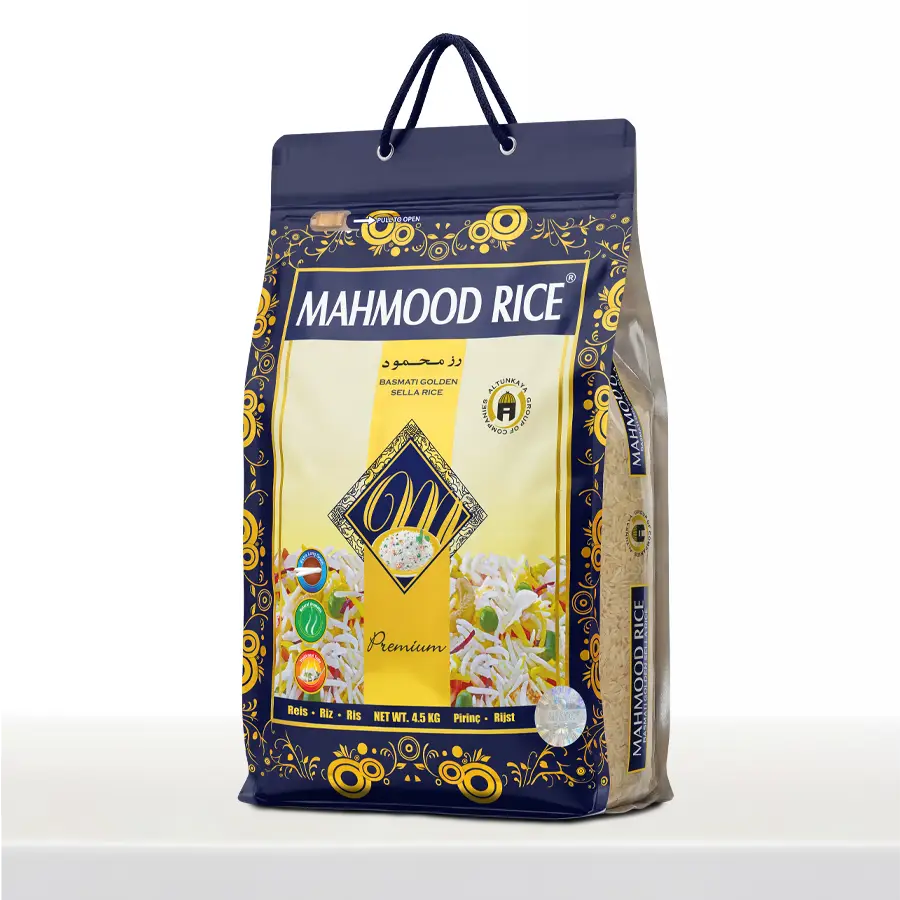
4,5 Kg
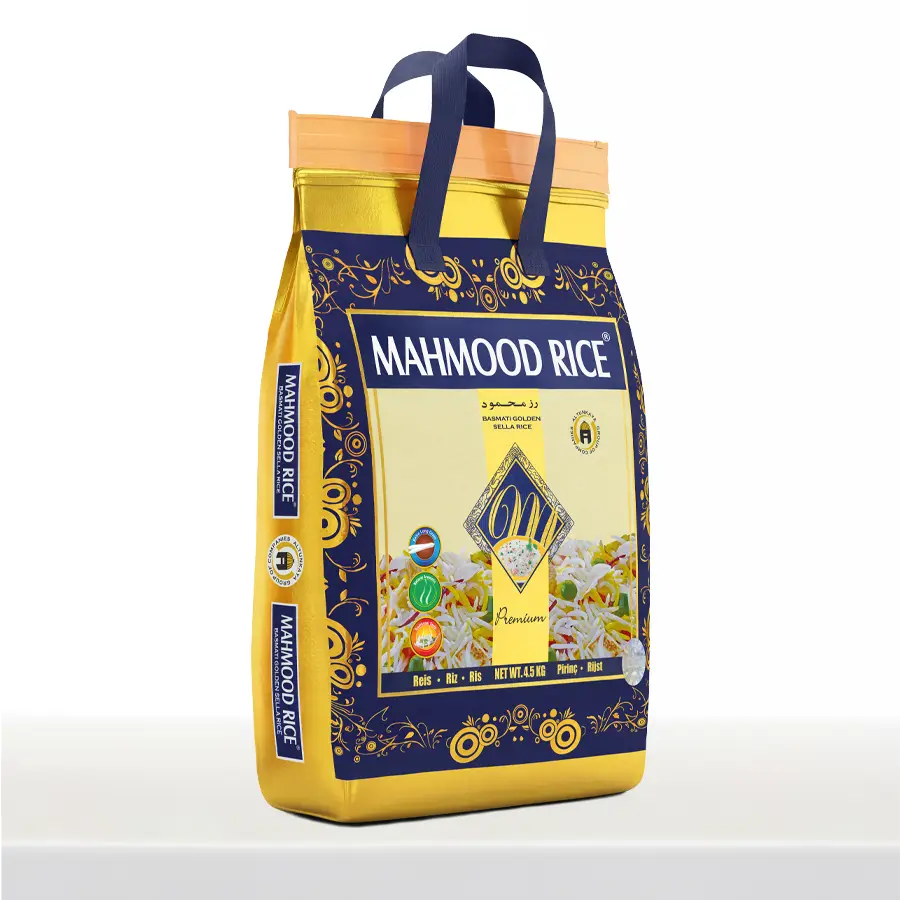
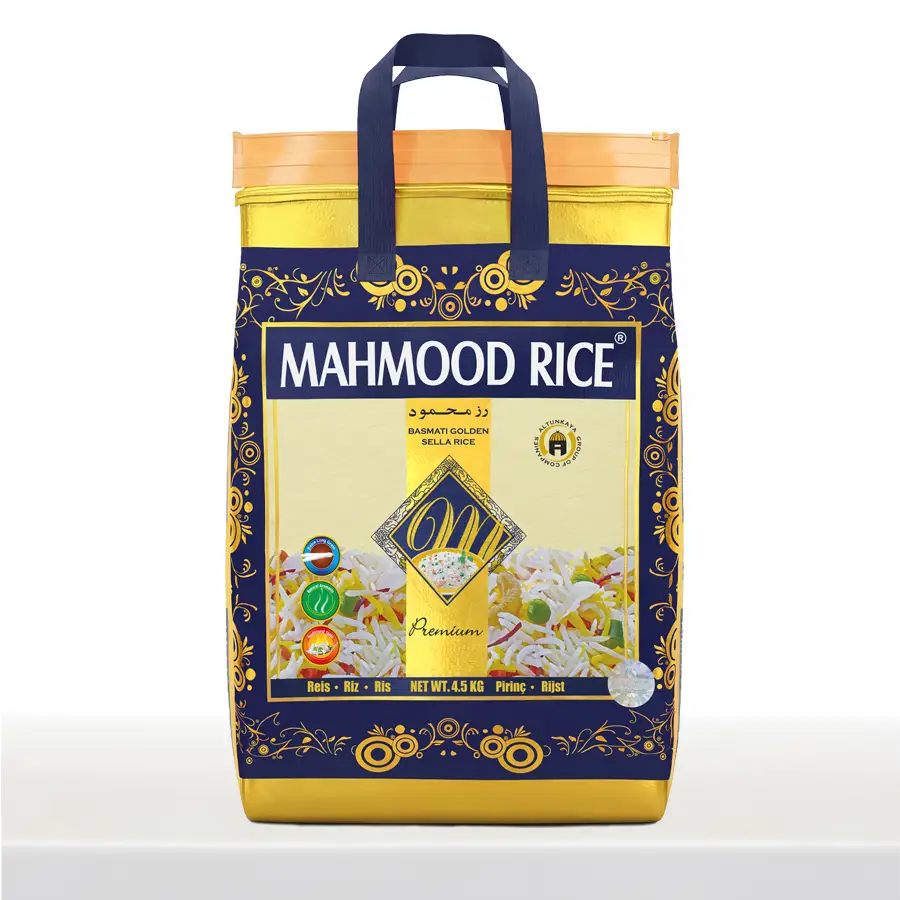
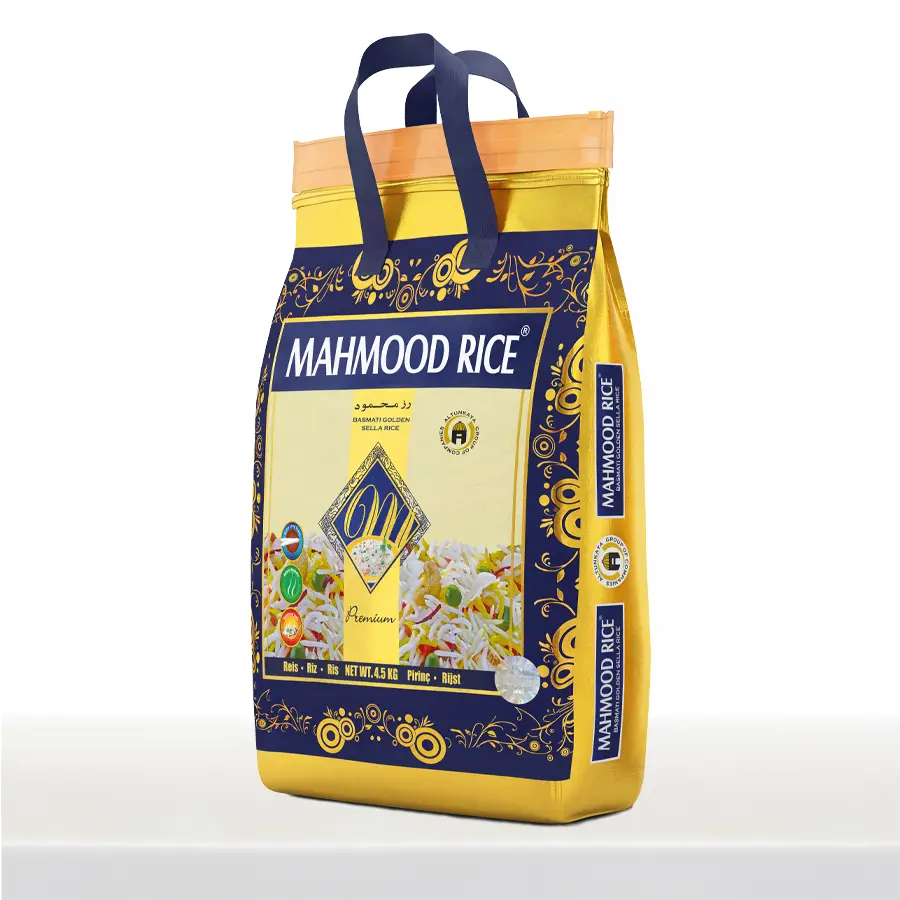
4,5 Kg
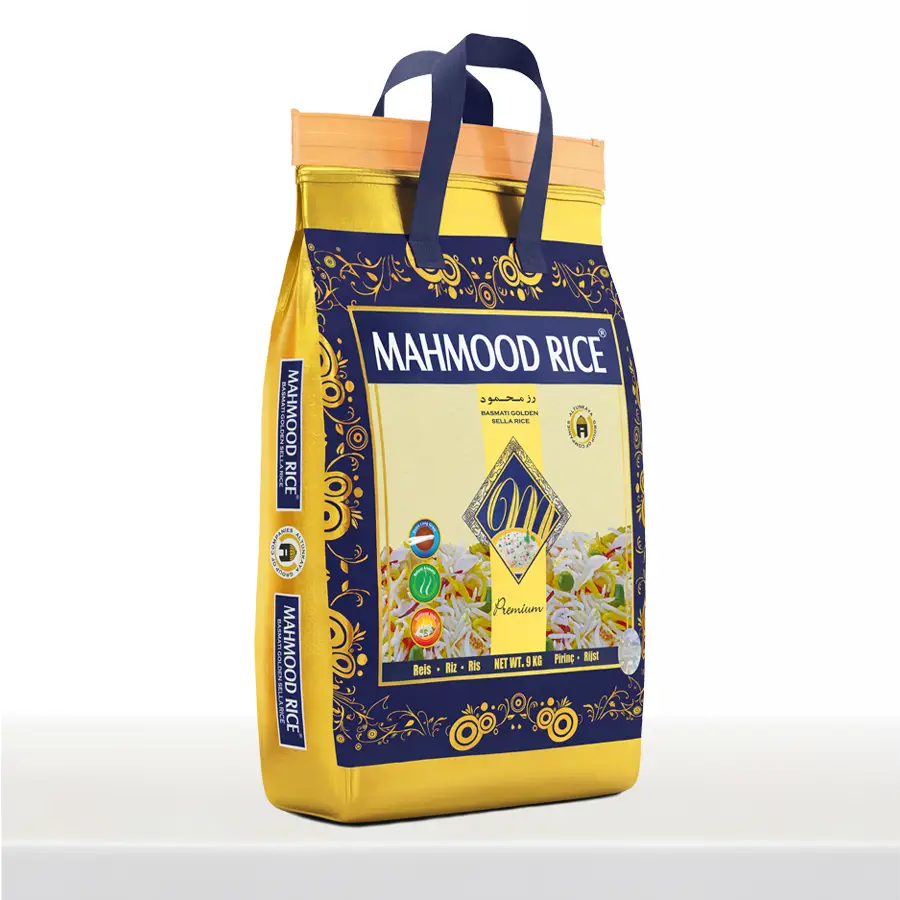
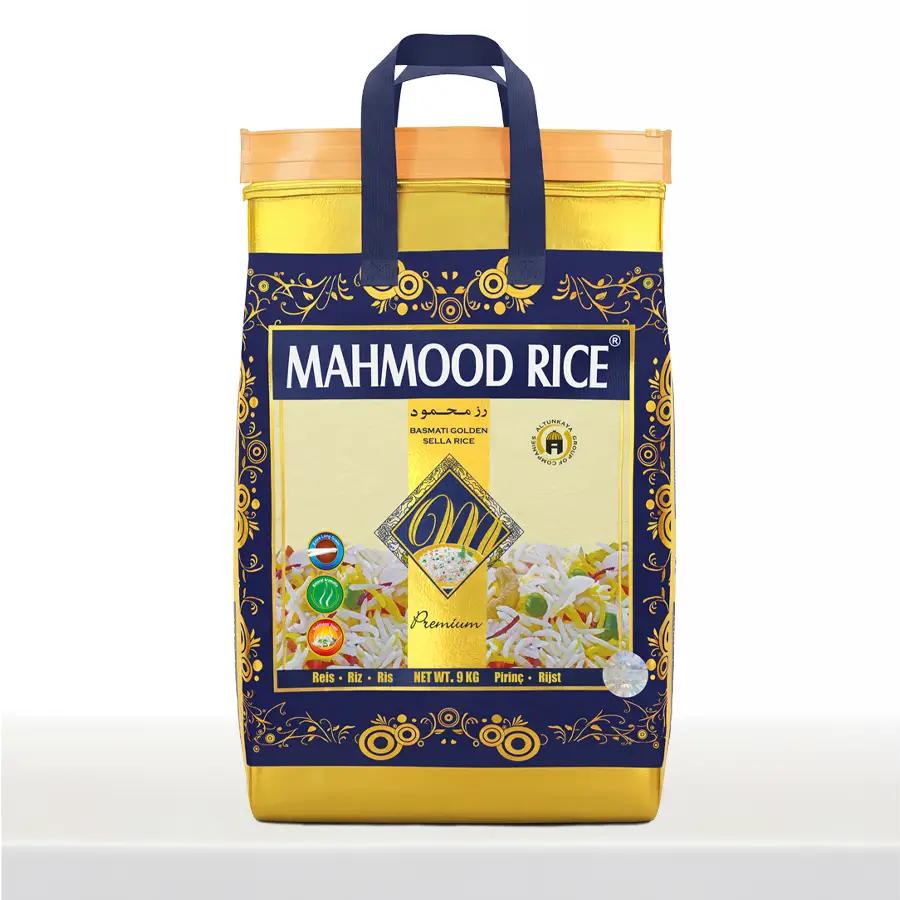
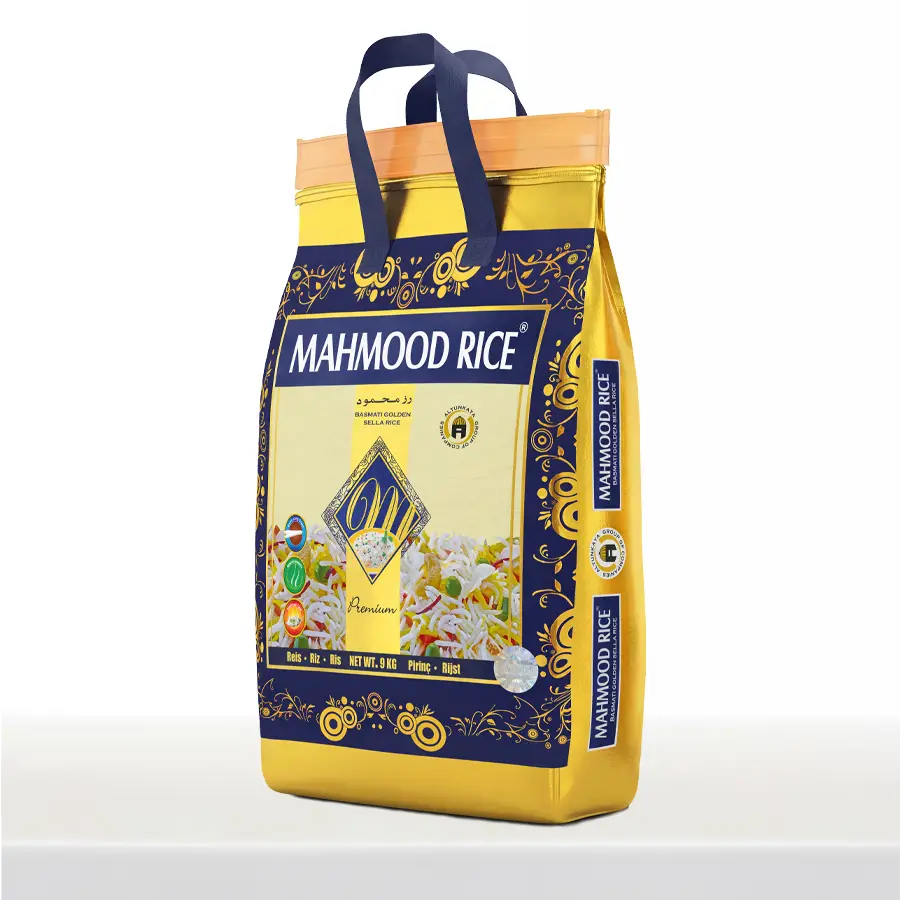
9 Kg
Basmati Golden Sella Rice Features
Thanks to the Sella process applied during production, followed by an intensive parboiling technique, the grains become more durable and develop a bright golden appearance.
- Naturally golden in color and contains no added coloring.
- Doubles in length when cooked and stands out with its rich aroma.
- Does not break apart and is suitable for holding warm for extended periods.
- Offers a visual advantage in professional presentations.
Basmati Golden Sella Rice Cooking Instructions
There are several ways to cook Basmati Golden Sella Rice:


1. Before cooking, soak the rice in warm water for 30 minutes, then drain.
2. Place the rice in a microwave-safe container with a lid, add water, and cook at 1000W for about 5 minutes.
3. Then reduce the power and continue cooking at 500W for another 10–12 minutes.
4. Once cooking is complete, let the rice rest for 5–10 minutes.
1. Before cooking, soak the rice in warm water for 30 minutes, then drain.
2. Place the rice in a pot, add fresh water, and cook over medium heat with the lid on for 8–9 minutes.
3. After turning off the heat, let it rest for 5–10 minutes.
1. Before cooking, soak the rice in warm water for 30 minutes, then drain.
2. Add the rice and water to the rice cooker; use the white rice setting or automatic mode.
3. Once cooking is complete, let the rice rest for 5–10 minutes.
1. Before cooking, soak the rice in warm water for 30 minutes, then drain.
2. Preheat the oven to 400°F. Add water to an oven-safe dish with a lid and bring it to a boil.
3. Add the rice to the boiling water and cook with the lid on for 20–25 minutes.
4. Once cooking is complete, let the rice rest for 5–10 minutes.

Thanks to its natural composition, Basmati Golden Sella Rice contains no saturated fat, sugar, or gluten. As a source of carbohydrates, it stands out for its low starch content. Its durable grain structure and naturally golden appearance make it distinctive. It holds its shape during cooking, remains fluffy, and does not stick. It is an ideal choice for those who value elegant and eye-catching presentations at the table.
With its long-grain structure and durable grains that hold their shape after cooking, it is one of the rice varieties that stands out for impressive and flavorful presentations. Widely preferred especially in Middle Eastern cuisine and the cuisine of the Indian subcontinent, Basmati Golden Sella Rice draws attention with its rich aroma and bright golden color.
Basmati Golden Sella Rice can be used in a wide variety of recipes, from rice pilafs to oven-baked dishes. It is an ideal choice especially for traditional recipes such as pilaf, biryani, and turmeric rice.
- Use 2 cups of water for every 1 cup of rice.
- Before cooking, soak the rice in warm water for 30 minutes, then drain.
- Place the rice in a pot and add fresh water.
- Cook over medium heat with the lid on for 8–9 minutes.
- After removing it from the heat, let it rest for 5–10 minutes without opening the lid.
- Your rice is ready to serve.
Soaking helps the rice grains absorb water more evenly. As a result, the grains expand more consistently during cooking, develop a longer appearance, and separate more easily.
When done for the proper amount of time, soaking improves cooking performance and helps the rice achieve a more balanced texture.
Basmati Golden Sella Rice differs from Sella Basmati Rice with its longer and more durable grains. Although both rice varieties go through similar production processes, the parboiling stage is applied more intensively in Basmati Golden Sella Rice. This difference in processing creates a noticeable variation in the color and texture of the grains.
Sella Basmati Rice and Steam Basmati Rice are two different varieties of the same basmati rice, each processed in a different way. Because Sella Basmati undergoes a more intensive pre-treatment, it delivers a firmer, more defined, and fluffier texture after cooking. Steam Basmati, on the other hand, is processed more lightly, so it retains a character that is closer to basmati’s natural white color and distinctive aroma.
In short, Sella Basmati stands out for those looking for stronger grain structure and a result that holds its shape better after cooking, while Steam Basmati is a good alternative for those who prefer a more natural appearance, a lighter texture, and a softer character.
The main difference between Basmati Rice and Baldo Rice lies in their grain structure, texture, and aroma. With its long-grain structure, Basmati Rice delivers a light, separate texture after cooking, while Baldo Rice, thanks to its medium-grain structure, offers a creamier consistency. Basmati Rice stands out with its natural aroma, whereas Baldo Rice has a more neutral flavor. For this reason, Basmati Rice is preferred for lighter, fluffier, and more aromatic dishes, while Baldo Rice is better suited for recipes that call for a richer, denser texture.