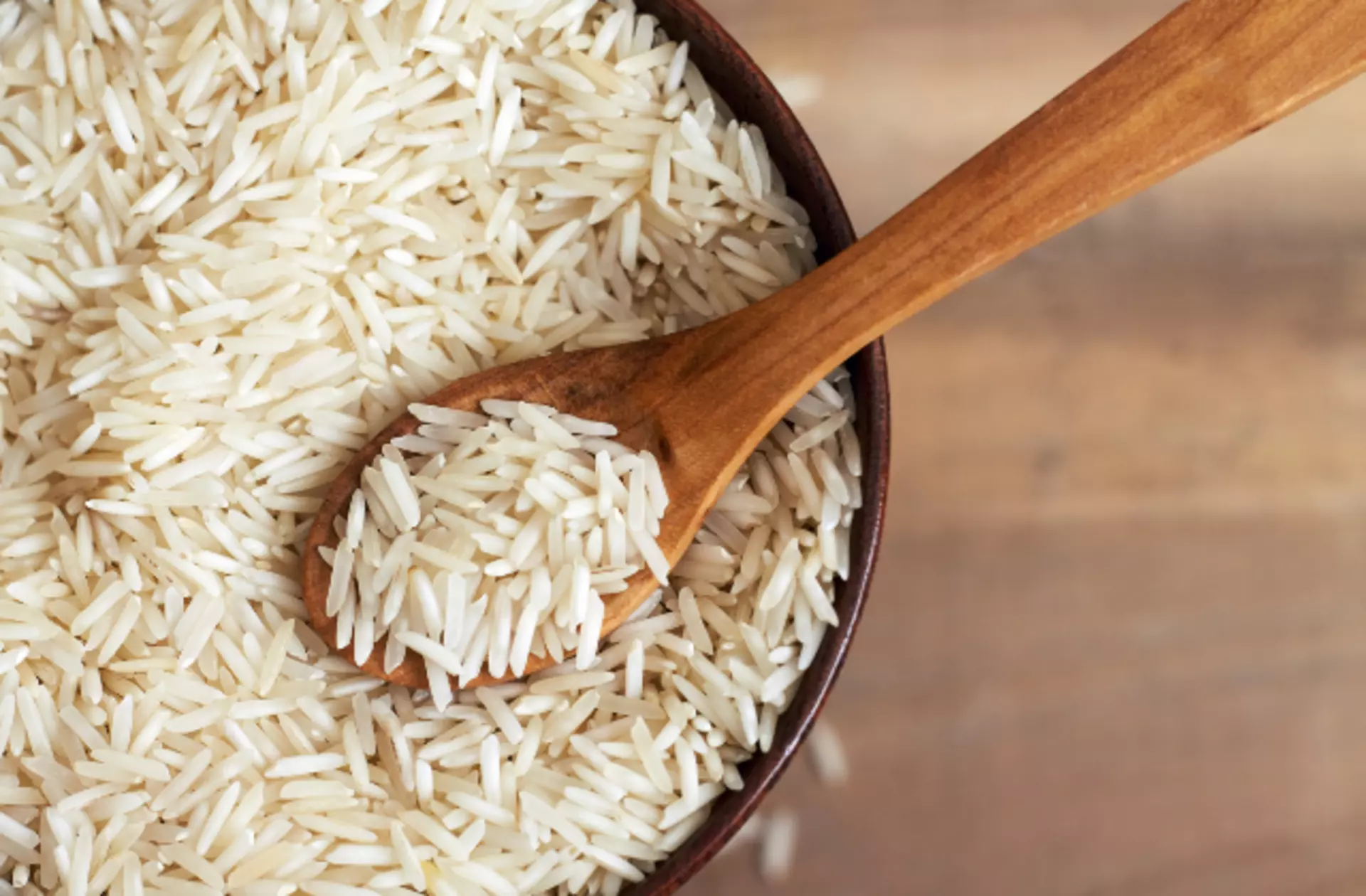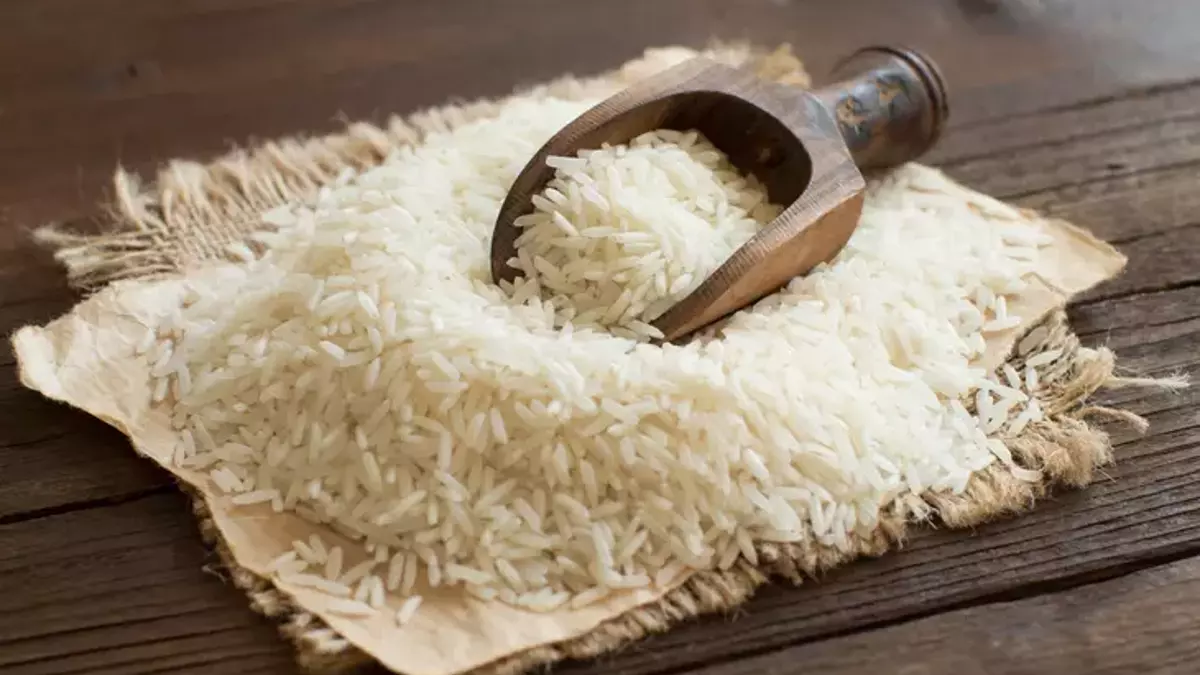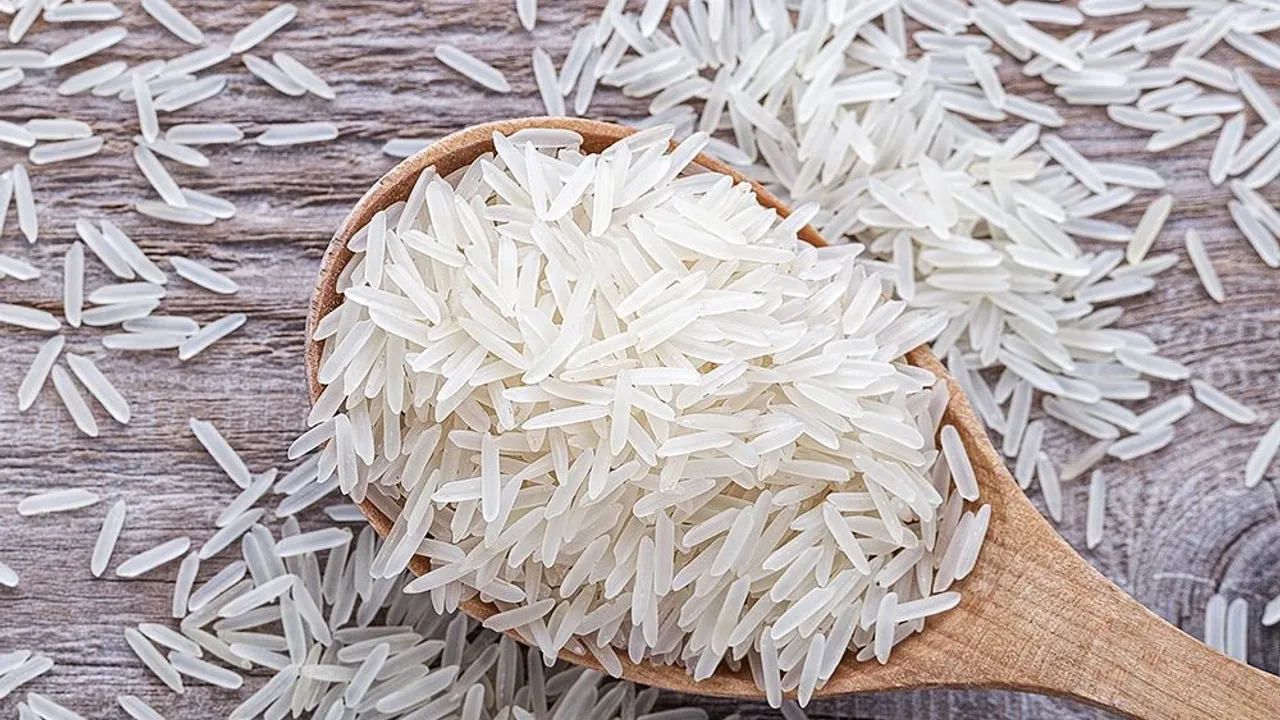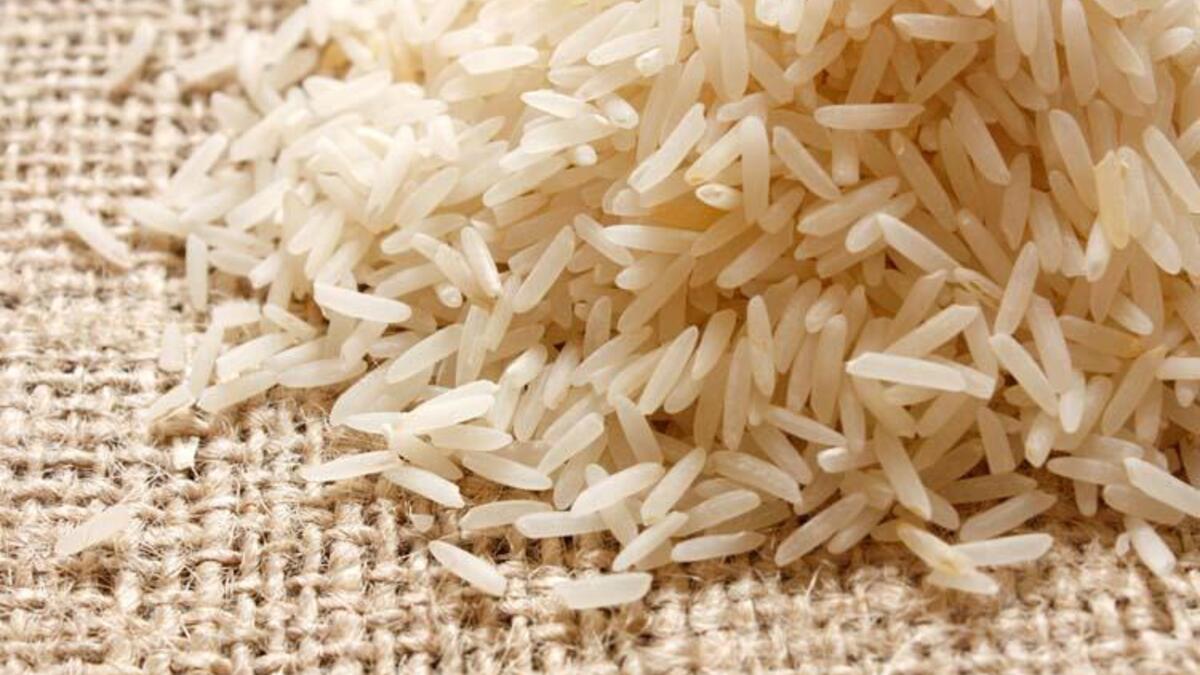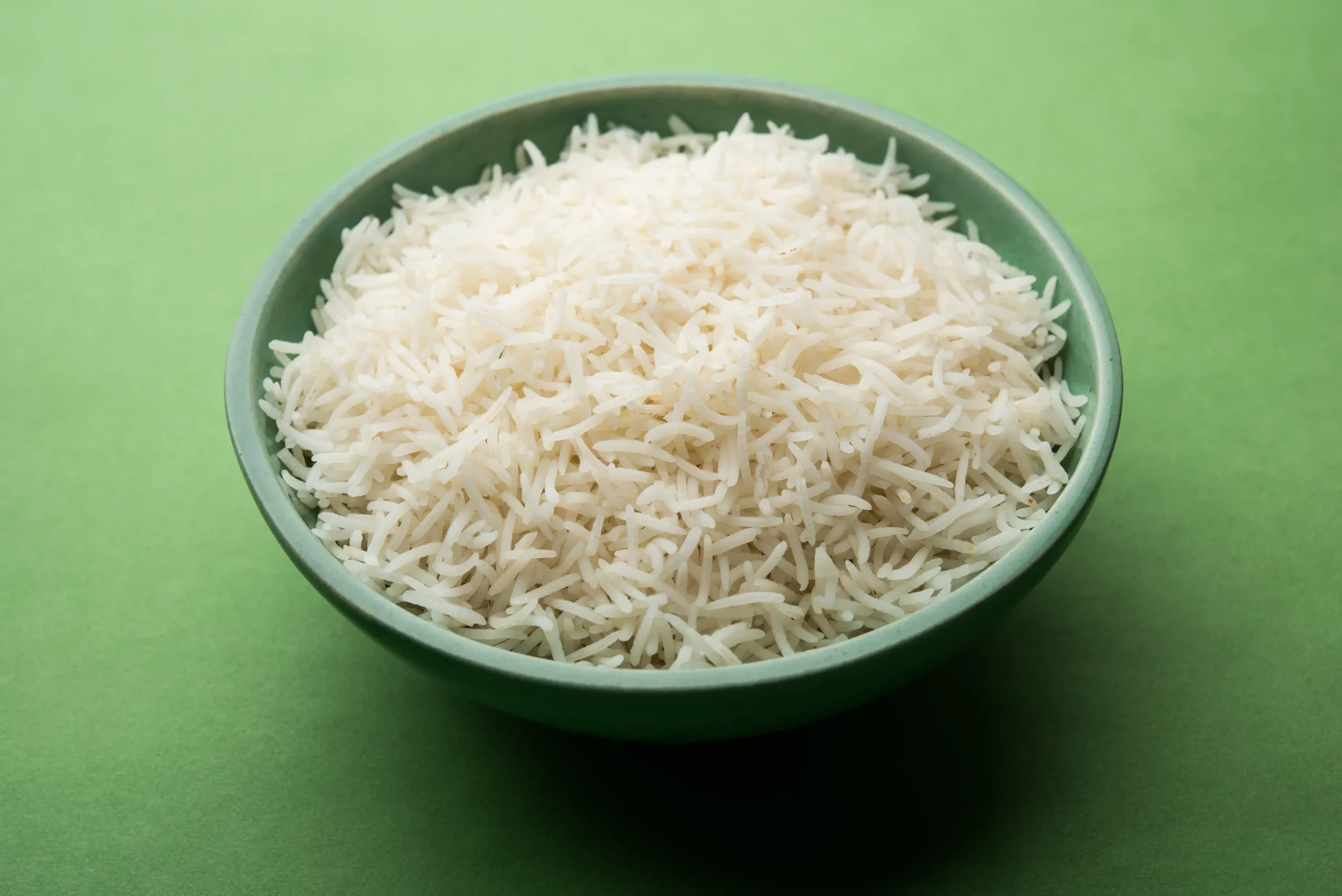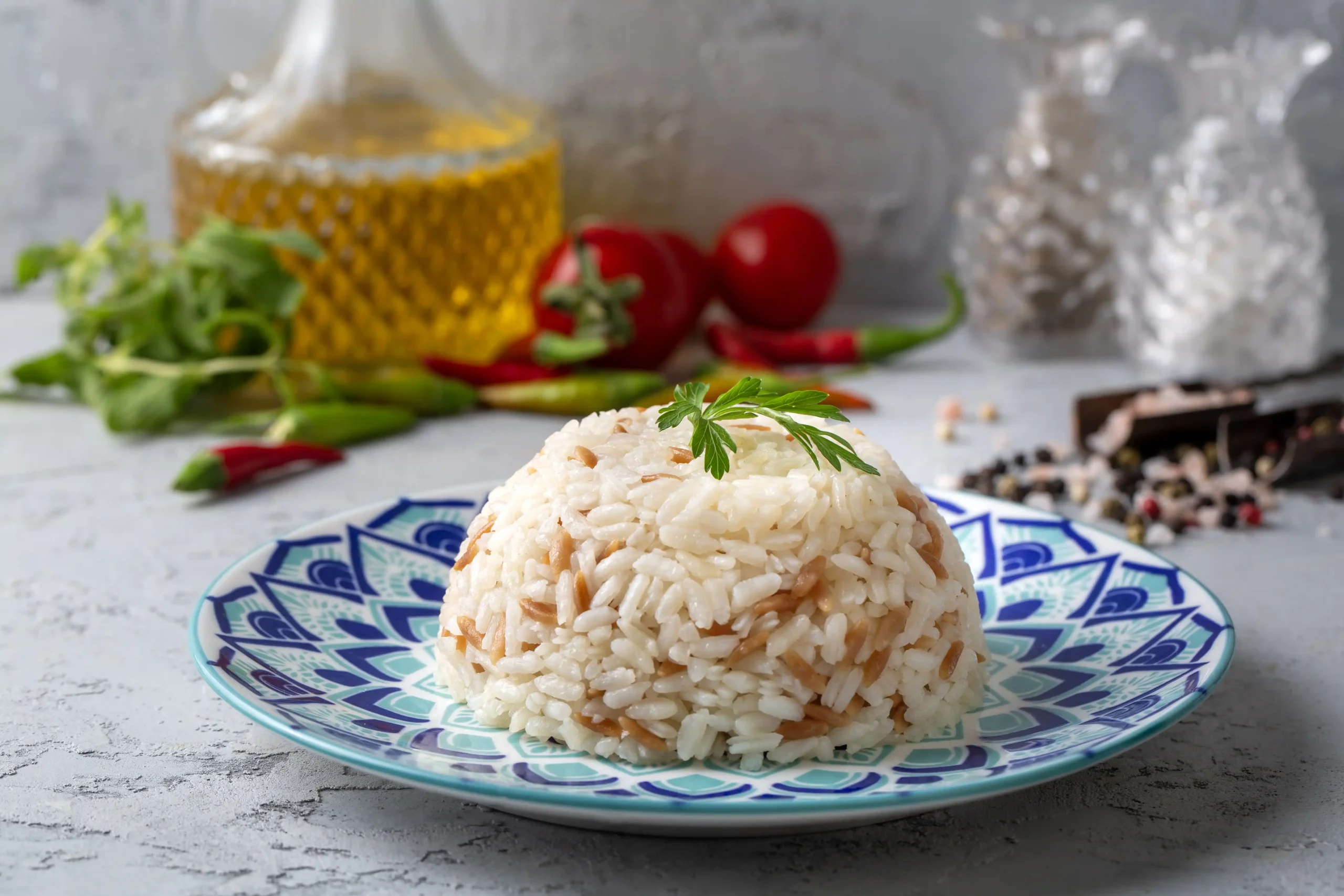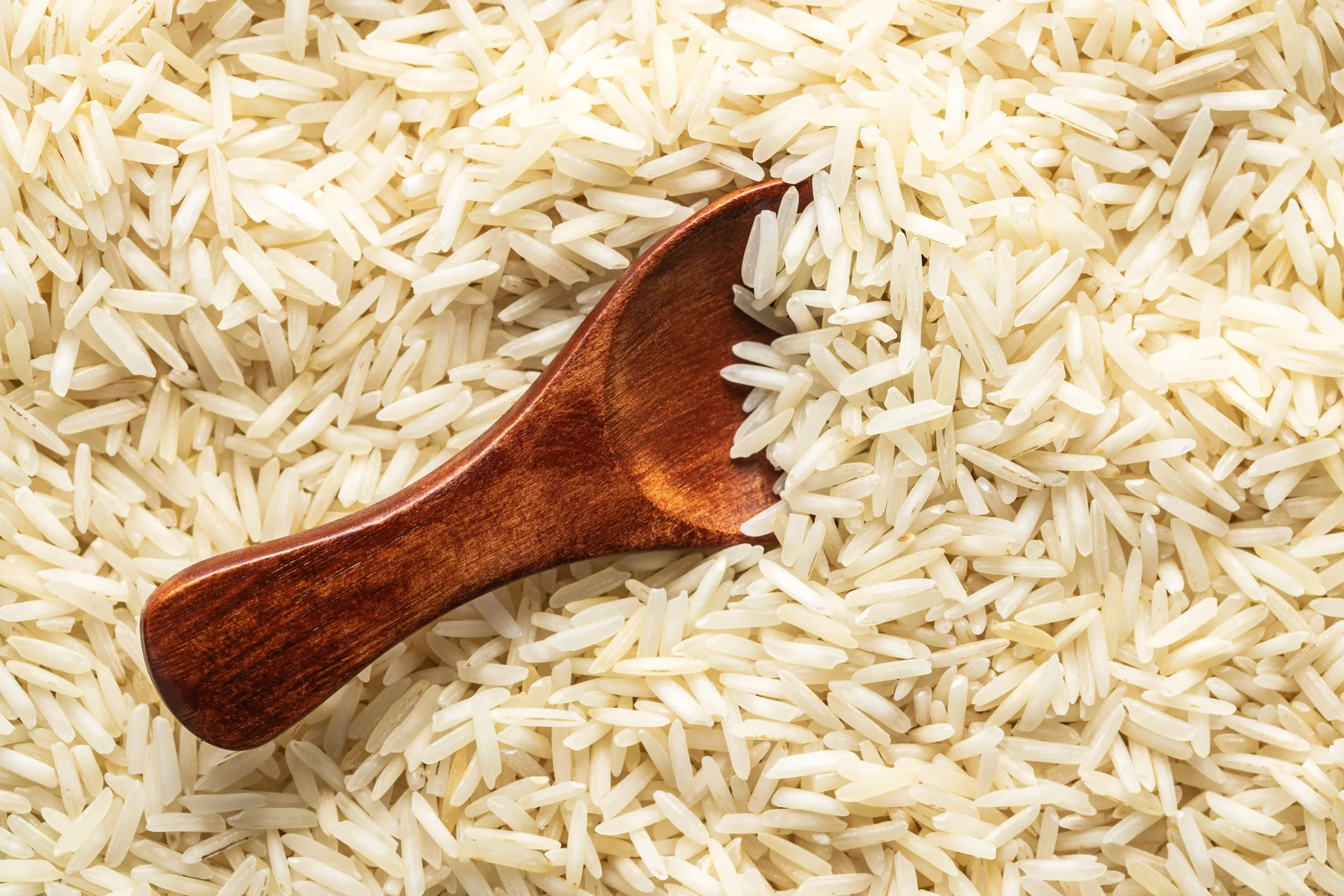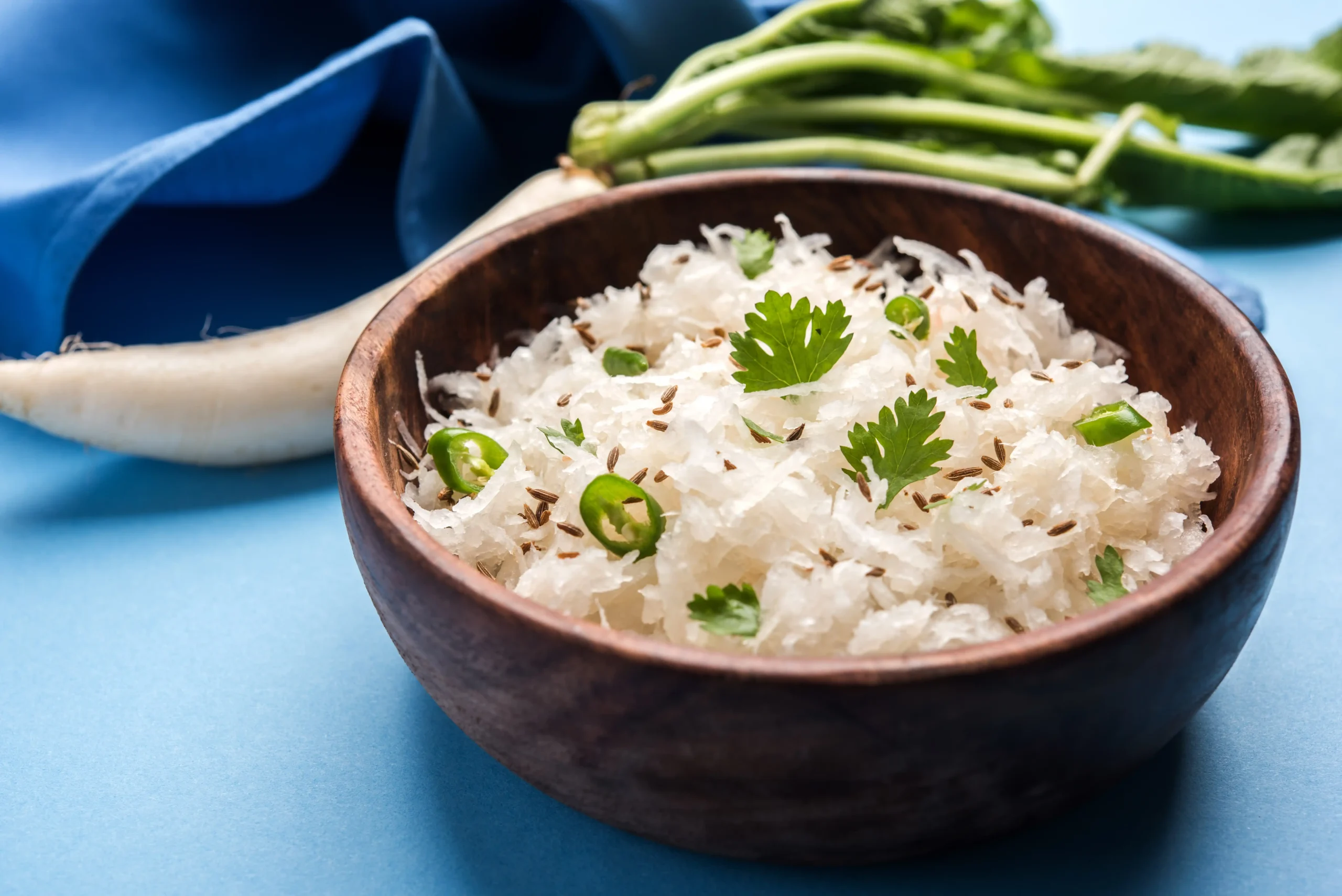
Baldo rice cooked properly has a soft yet structured texture, making it suitable for recipes that need rice grains to absorb flavor without completely losing their form. Baldo rice is generally known for its plump grain structure and noticeable starch content, which helps create
Baldo rice cooked with care can be used in both simple everyday meals and more detailed recipes. Since it absorbs liquid well, it works especially well in dishes where broth, butter, olive oil, vegetables, herbs, or spices are expected to blend into the rice. The final result should be tender but not overly mushy, with grains that remain enjoyable on the plate.
Perfectly Cooked Baldo Rice
Perfectly cooked Baldo rice depends on proper rinsing, controlled liquid use, gentle heat, and enough resting before serving. Because Baldo rice has a naturally plump structure, it can absorb flavor effectively, but it may become too soft when the cooking process is not controlled well. For this reason, each stage should support the texture of the grain rather than making it heavy or broken. Rinsing the riceHowever, this step should not be overdone, especially when a firmer texture is preferred.
The most important point is to adjust the liquid according to the recipe. A plain rice side dish may need a different approach than a creamy rice dish, stuffed vegetable filling, or broth-based preparation. Baldo rice should usually be cooked gently after the liquid begins to boil. This allows the grains to absorb moisture slowly and evenly. Once the cooking stage is complete, keeping the lid closed helps the texture settle and prevents a wet or broken result.
For better results, these points can be followed:
- Rinse the rice until the water becomes clearer.
- Add liquid with control instead of pouring it by eye.
- Cook gently after the first boil.
- Avoid stirring too much during cooking.
- Let the rice rest before serving.
When prepared this way, Baldo rice becomes soft, flavorful, and well-textured. It can hold sauces and seasonings well while still offering a satisfying grain structure.
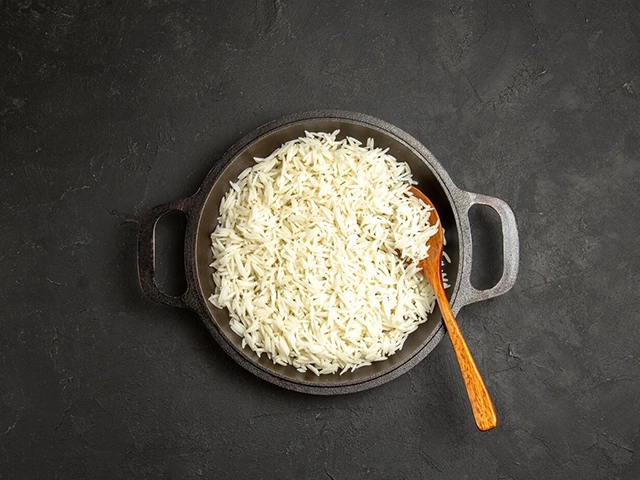
Dishes Made with Baldo Rice
Dishes made with Baldo rice are usually rich, filling, and well-textured because this rice variety absorbs liquid and flavor effectively. Its grain structure makes it suitable for recipes where the rice should become tender while still retaining some body. This is why Baldo rice is often preferred in pilaf-style dishes, stuffed vegetables, oven-baked rice recipes, soups, and creamy rice preparations. It can work with simple ingredients such as butter, olive oil, salt, and broth, while also adapting well to vegetables, meat, chicken, legumes, herbs, and spices.
One of the most common uses of Baldo rice is in pilaf. When cooked with butter or olive oil and a controlled amount of water or broth, it creates a satisfying side dish for meat, chicken, fish, and vegetable meals. Baldo rice can also be used in stuffed peppers, vine leaves, zucchini, or eggplant because it absorbs seasoning during cooking and contributes to a fuller texture. In these recipes, the rice should not be overcooked before filling, since it continues to soften inside the vegetable.
Baldo rice is also suitable for creamy dishes because of its starch content. It can be used in rice pudding, risotto-style recipes, or soft grain-based meals where a smoother finish is preferred. For soups, it adds body without overpowering the main ingredients. The cooking approach should be chosen according to the dish: pilaf benefits from more grain separation, while pudding or creamy recipes work better with a softer and more blended texture.