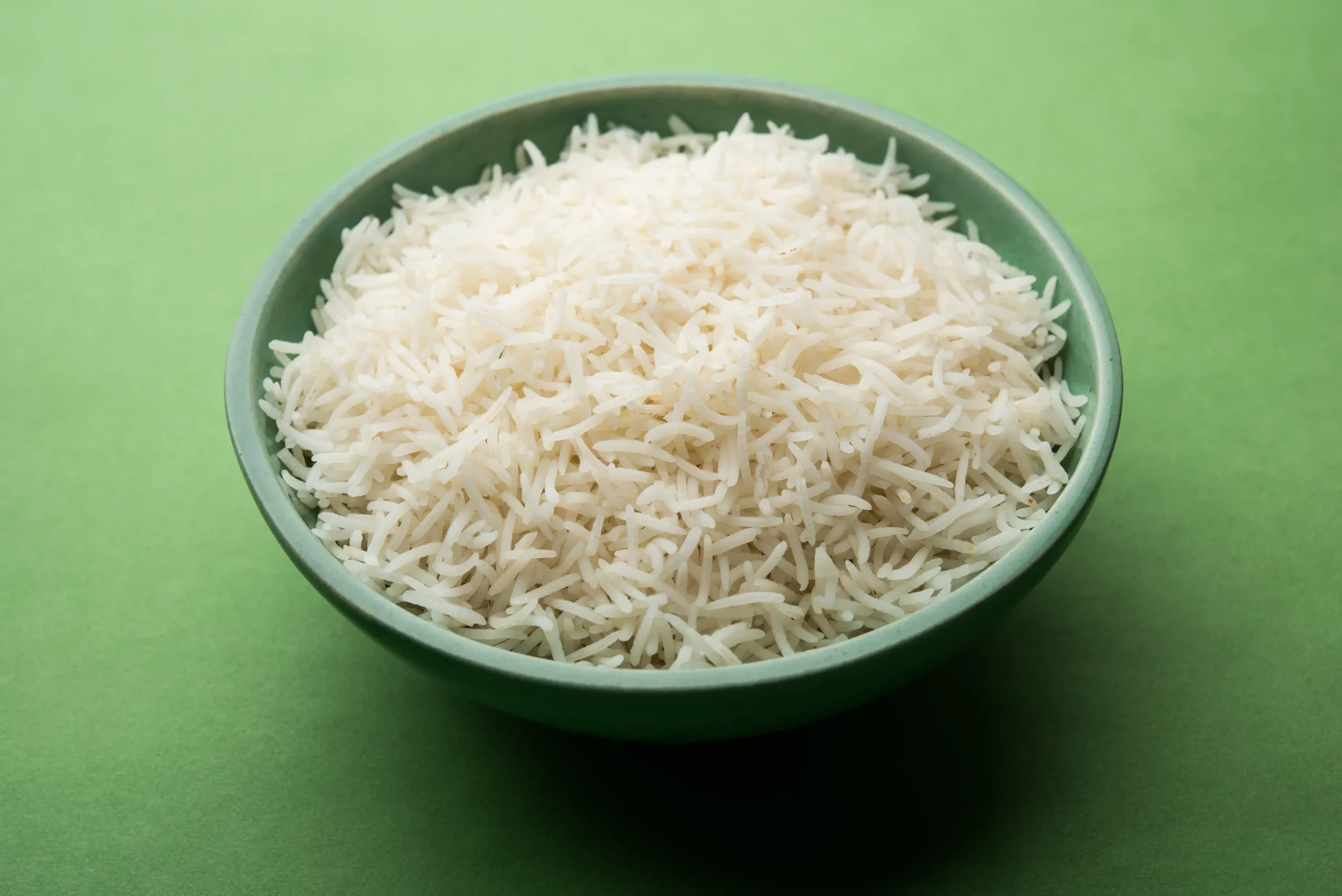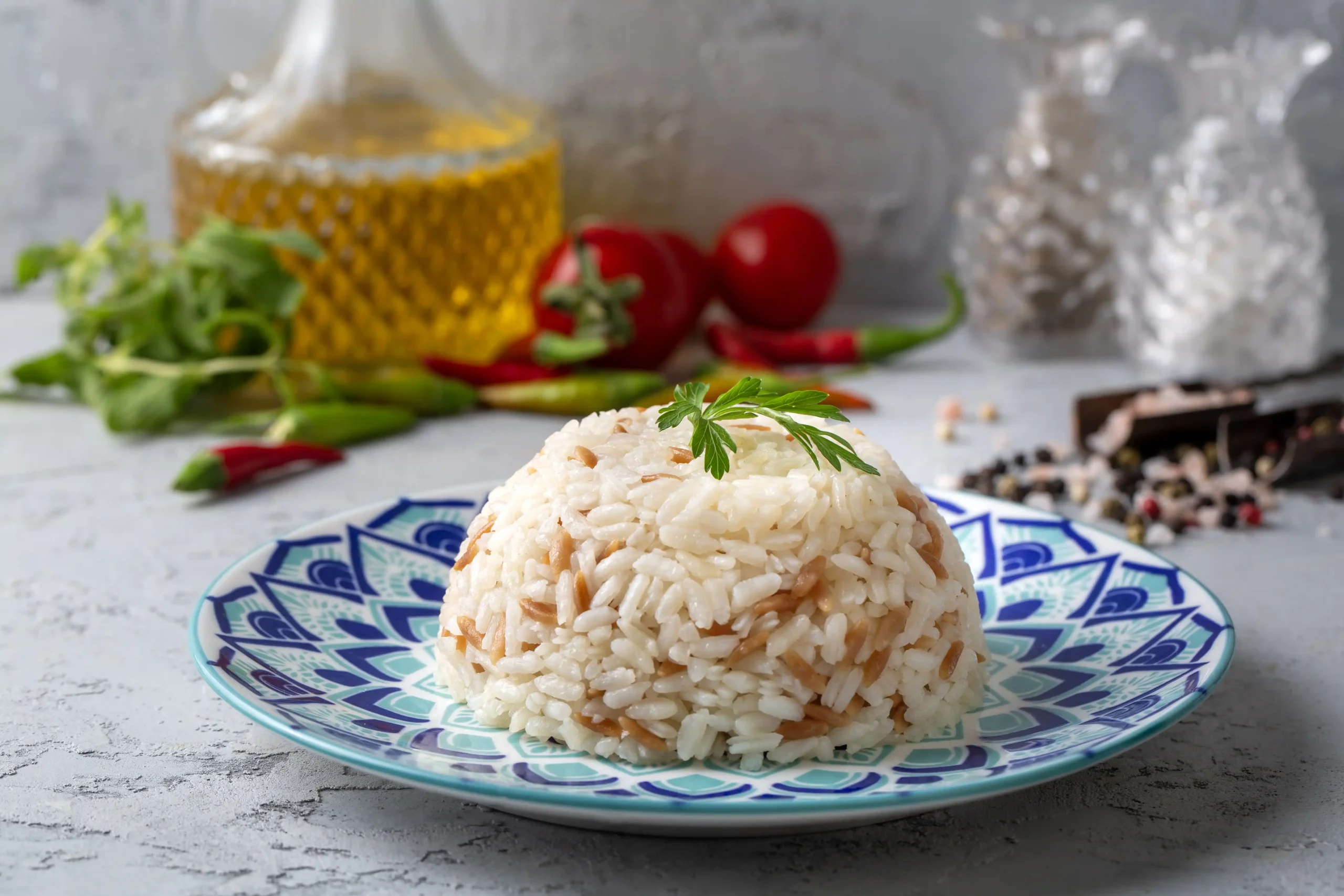
Cooking white rice requires careful preparation so the grains become soft, light, and separate enough to pair well with many different meals. Since white rice has had its outer bran layer removed, it usually cooks more easily than whole grain rice, but it can still become heavy or sticky when the preparation is rushed. Careful rinsing, steady heat, and resting before serving help the grains keep a more pleasant structure.
Cooking white rice also depends on how it will be served. For a plain side dish, the rice should feel mild and light on the plate; for meals with vegetables, meat, sauces, or spices, it should support the other ingredients without becoming too dense. This is why a calm cooking process matters as much as the rice itself: it helps the grains absorb moisture evenly and settle into a better texture before serving.
How to Cook White Rice?
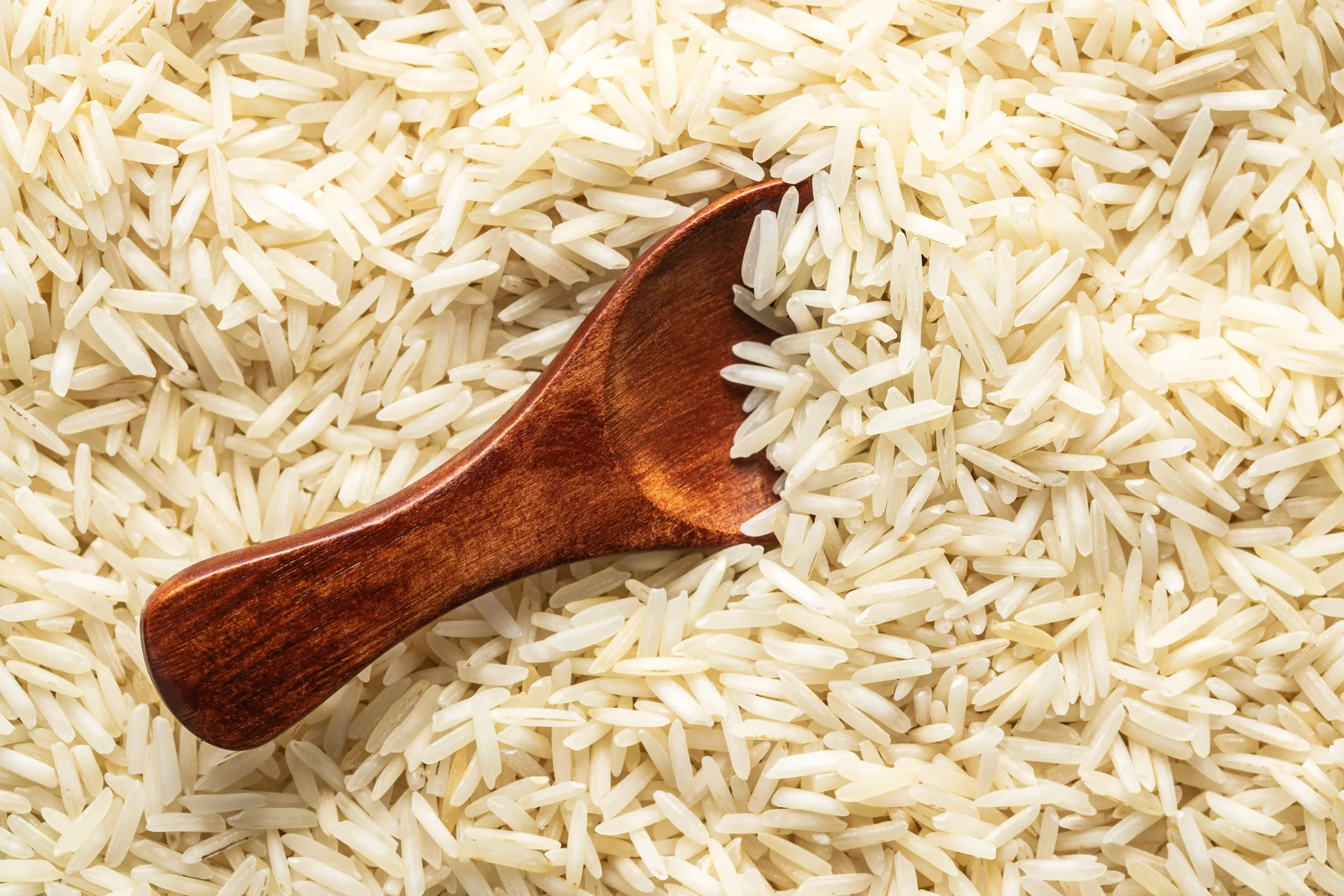
How to cook white rice depends on creating the right balance between softness and grain structure. The process usually begins with rinsing the rice to remove excess surface starch. This step helps reduce stickiness and allows the cooked grains to feel lighter. After rinsing, the rice should be placed in a suitable pot with clean water and cooked gently. Strong heat may cause uneven cooking, while a calmer process gives the grains time to soften properly.
During cooking, the lid should stay closed as much as possible because steam plays an important role in the final result. Opening the pot too often may release steam and affect consistency. Stirring too much can also break the grains and make the rice feel heavier than expected. Once the rice has absorbed the liquid and softened, it should be left covered before serving. This helps the remaining steam spread evenly through the grains.
For a better result, a few practical points matter:
- Rinse the rice before cooking.
- Keep the heat controlled rather than too strong.
- Avoid frequent stirring during cooking.
- Let the rice rest before serving.
- Fluff gently before placing it on the plate.
With these steps, white rice becomes smoother, lighter, and more suitable for daily meals. The goal is to prepare grains that feel soft, clean, and balanced alongside the main dish.
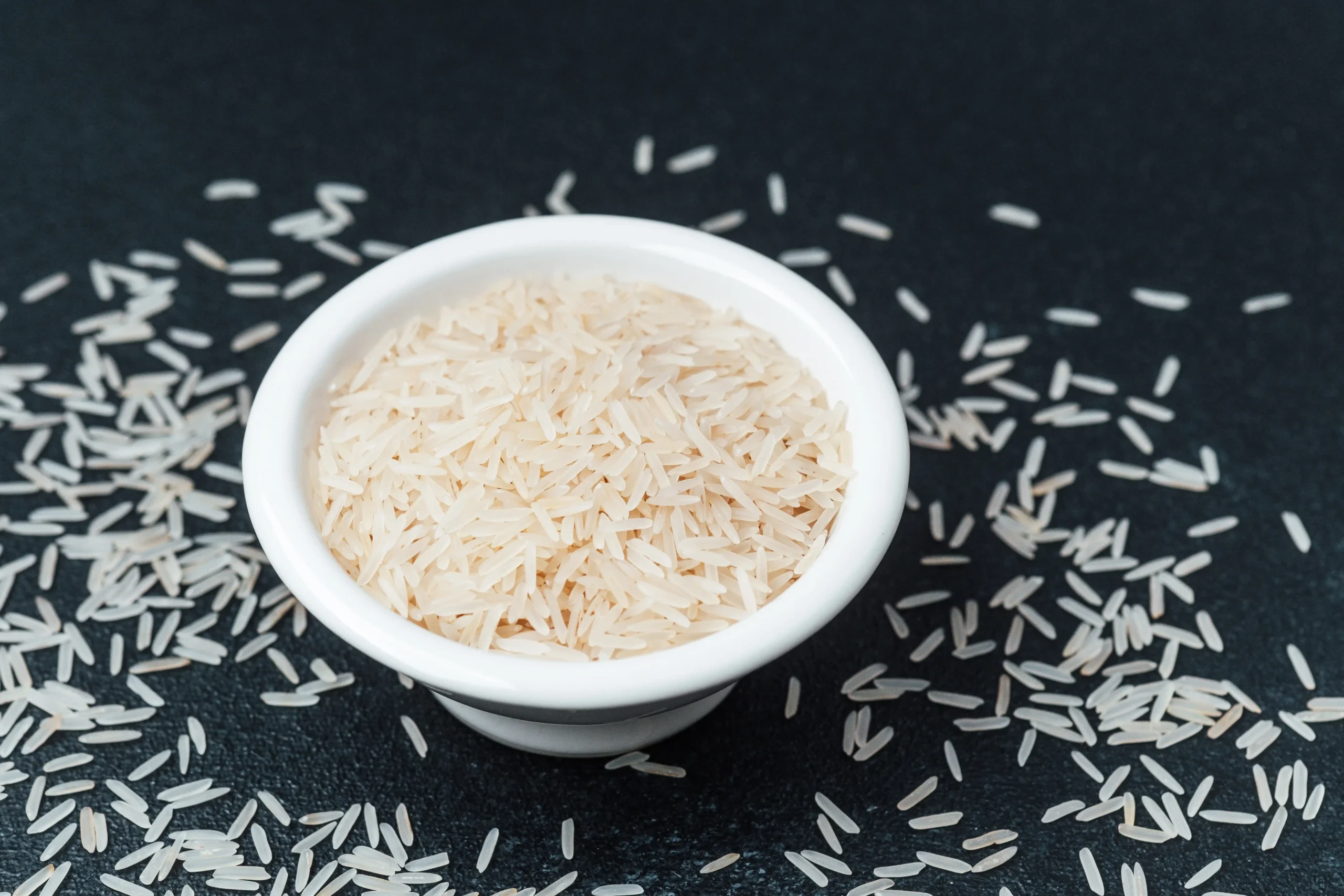
How Long to Cook White Rice?
How long to cook white rice can vary depending on the rice type, pot structure, heat level, and whether the rice has been rinsed or soaked before cooking. Instead of relying only on a fixed time, it is better to observe the rice during the process. White rice is generally ready when the grains have softened, the excess liquid has been absorbed, and the surface looks settled rather than wet. The rice should not feel hard in the center, but it should also not collapse into a sticky mass.
The cooking stage should be followed by a short covered rest, as this makes a noticeable difference in the final result. Even after the heat is turned off, the steam inside the pot continues to affect the grains. This helps the rice finish gently and prevents a sharp difference between the surface and the bottom layer. Serving the rice immediately after cooking may make it seem wetter or heavier than it actually is.
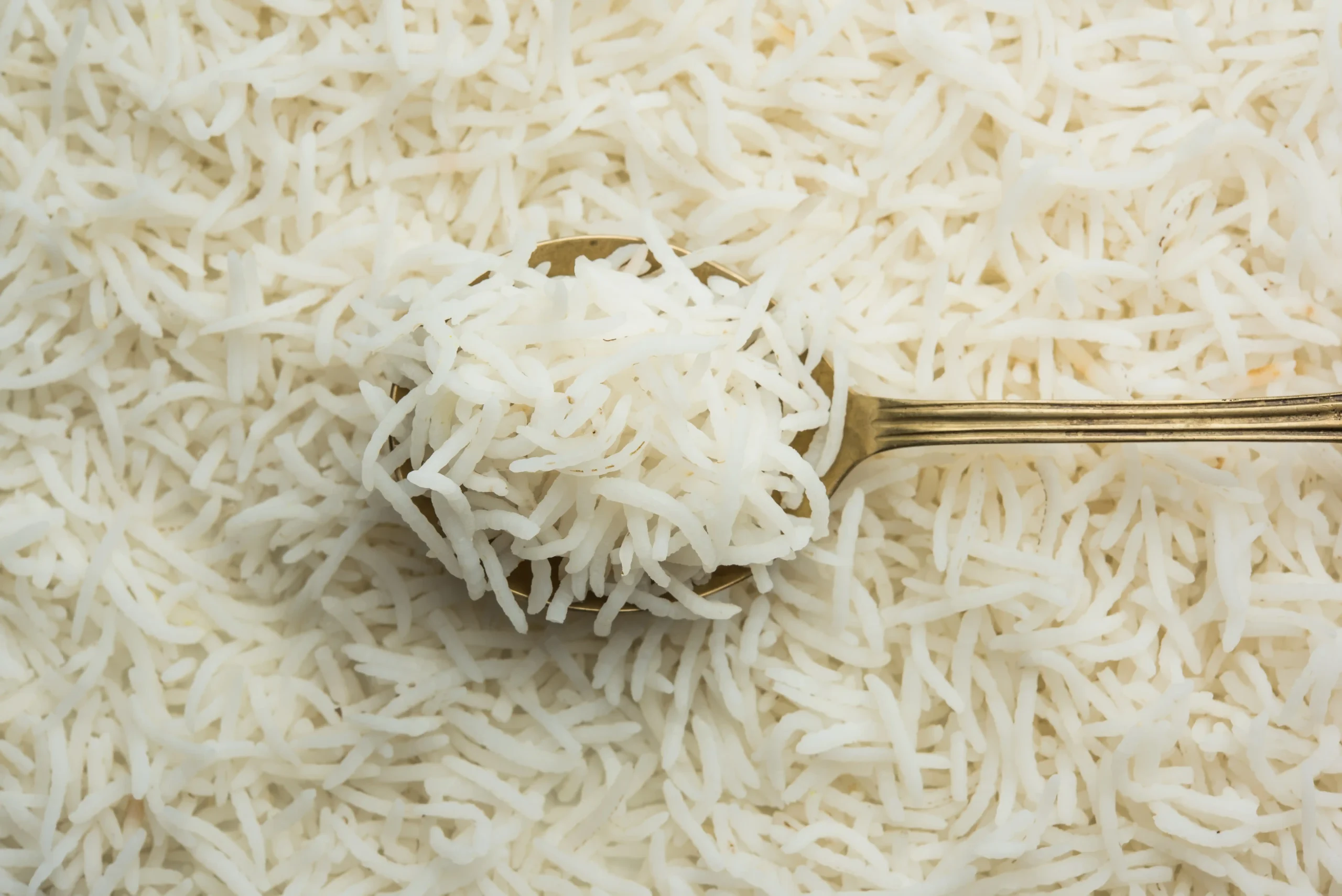
The best way to understand whether white rice is cooked well is to look at its structure. The grains should be tender, the pot should not contain visible excess water, and the rice should separate easily when fluffed. If the rice still feels firm, it needs more gentle cooking. If it looks too soft, the heat may have been too strong or the process may have continued longer than necessary.
A well-cooked white rice should feel soft, settled, and light enough to match the meal. The right result comes from observing the grains, controlling the heat, and letting the rice finish with its own steam.