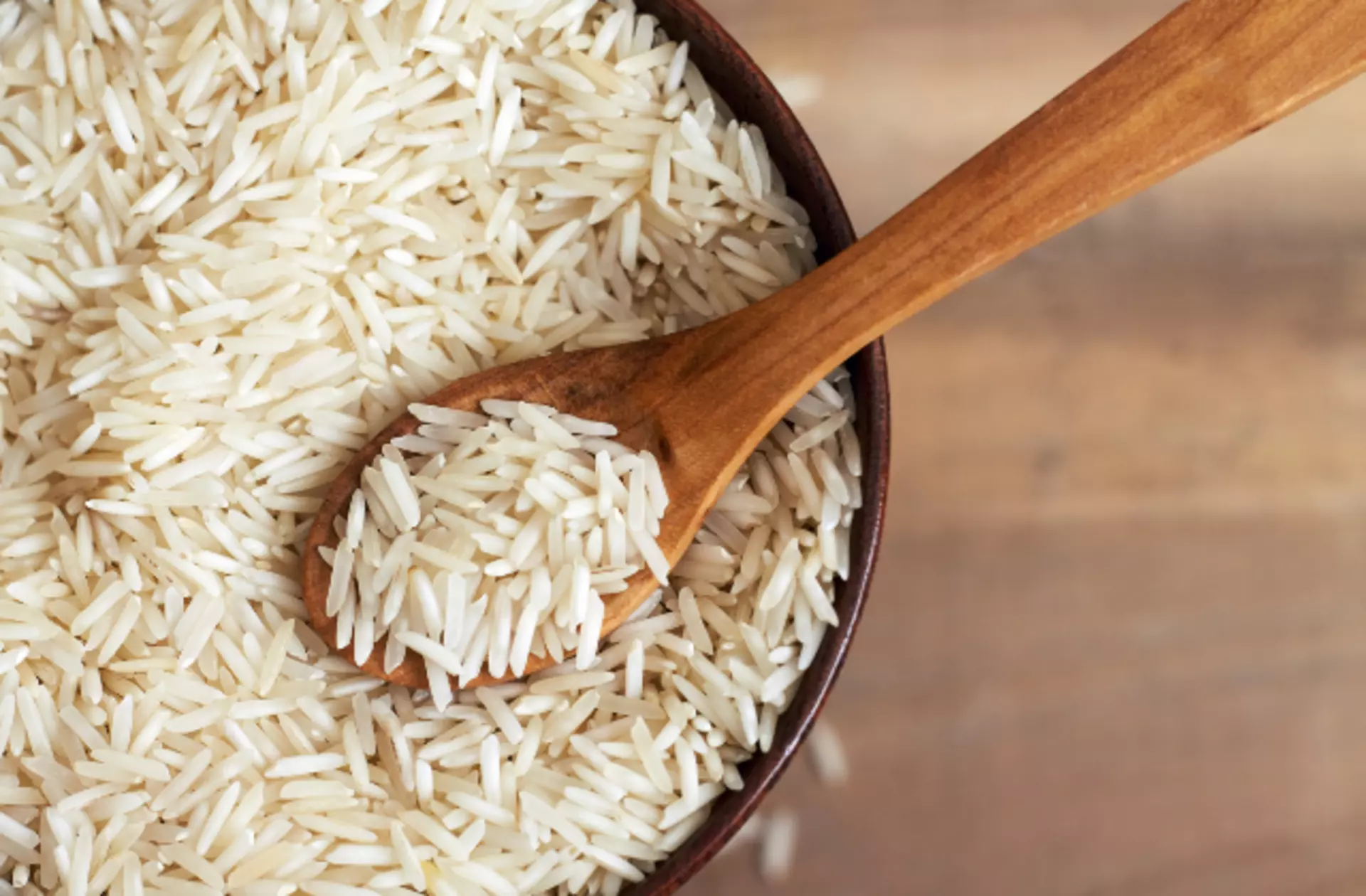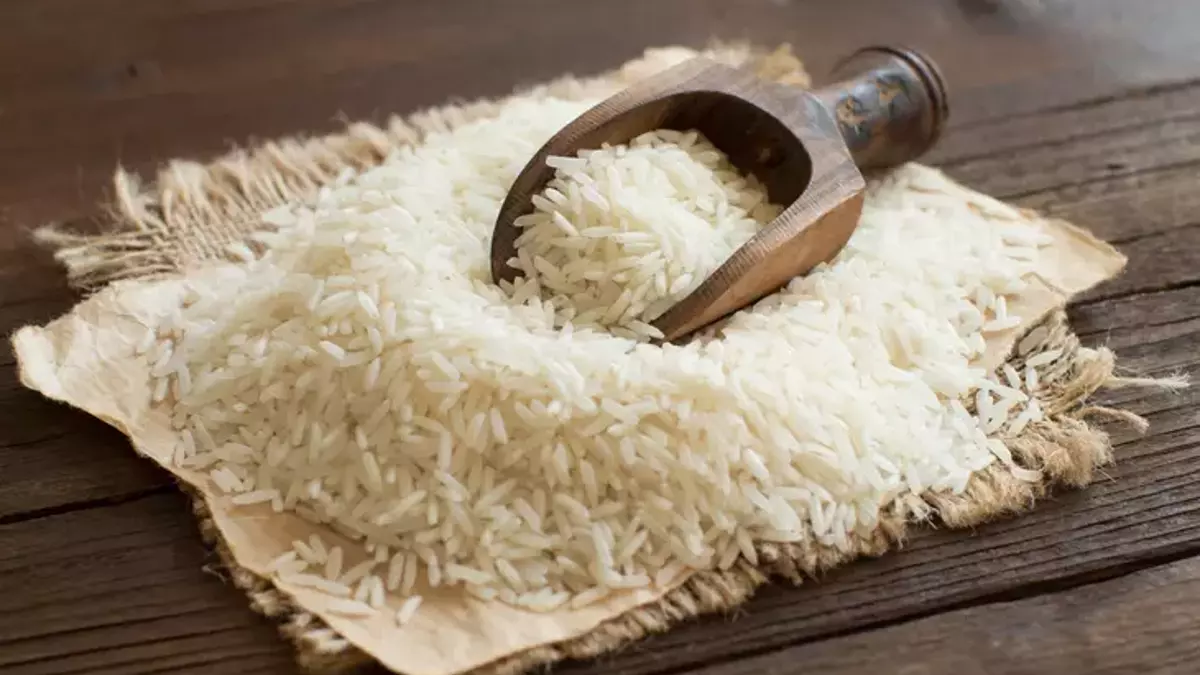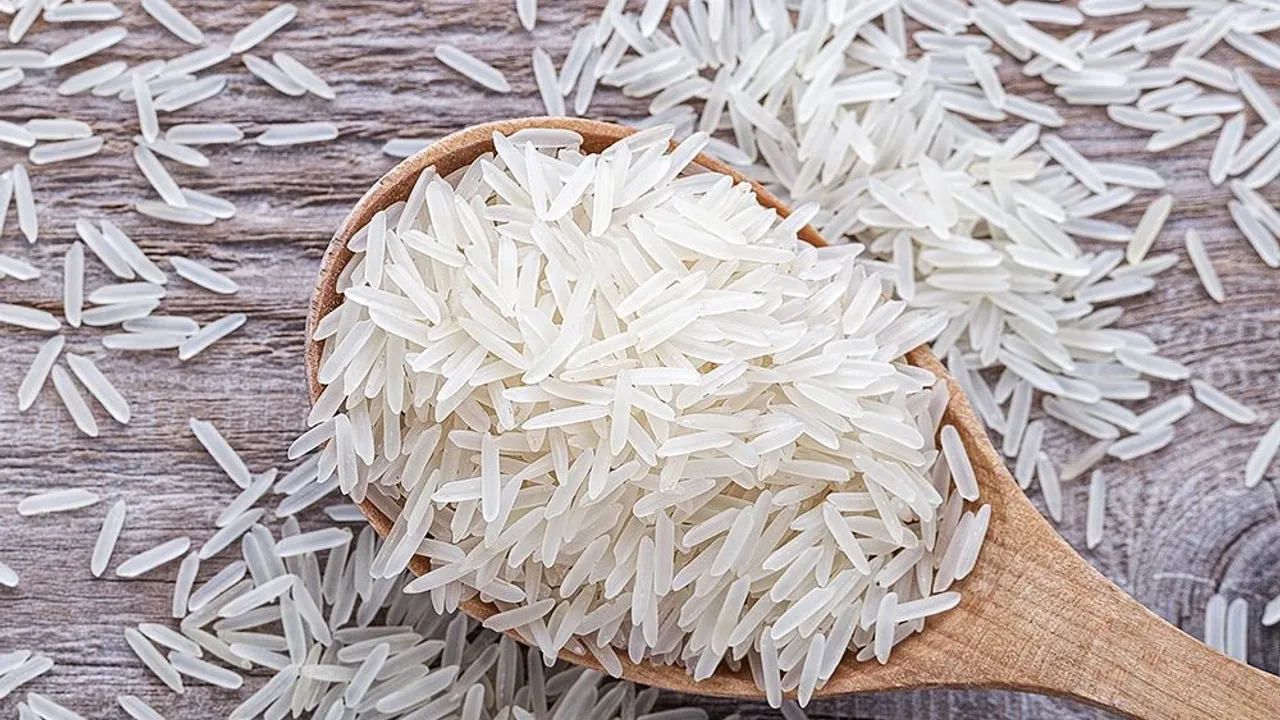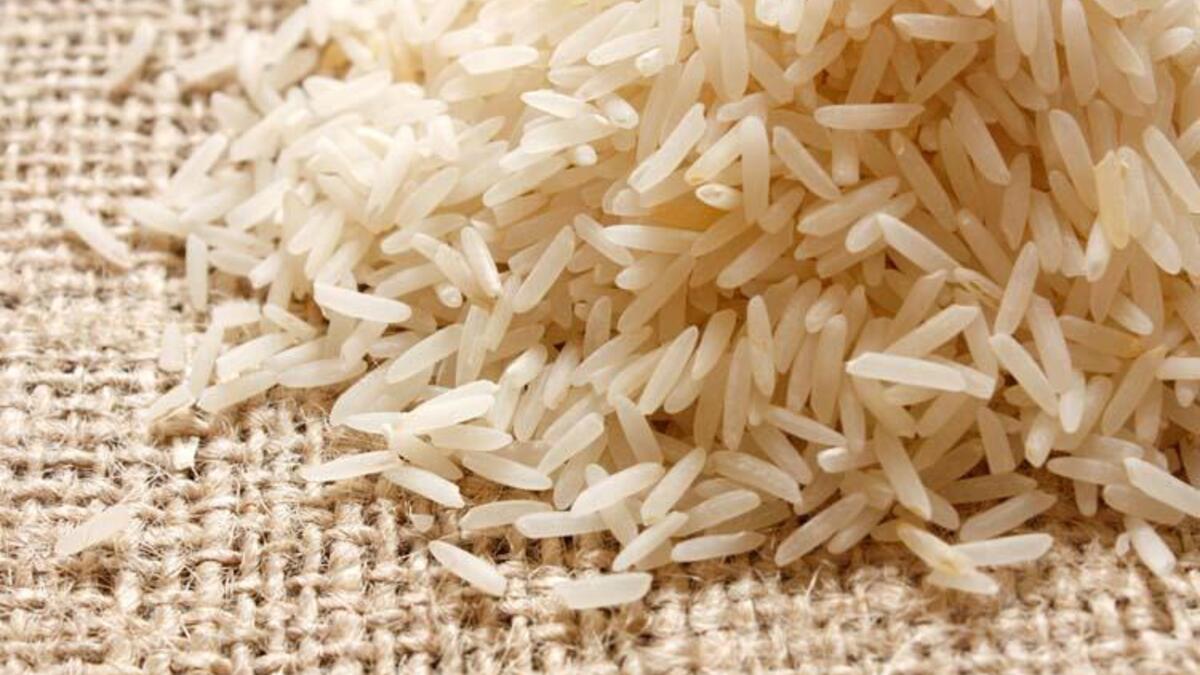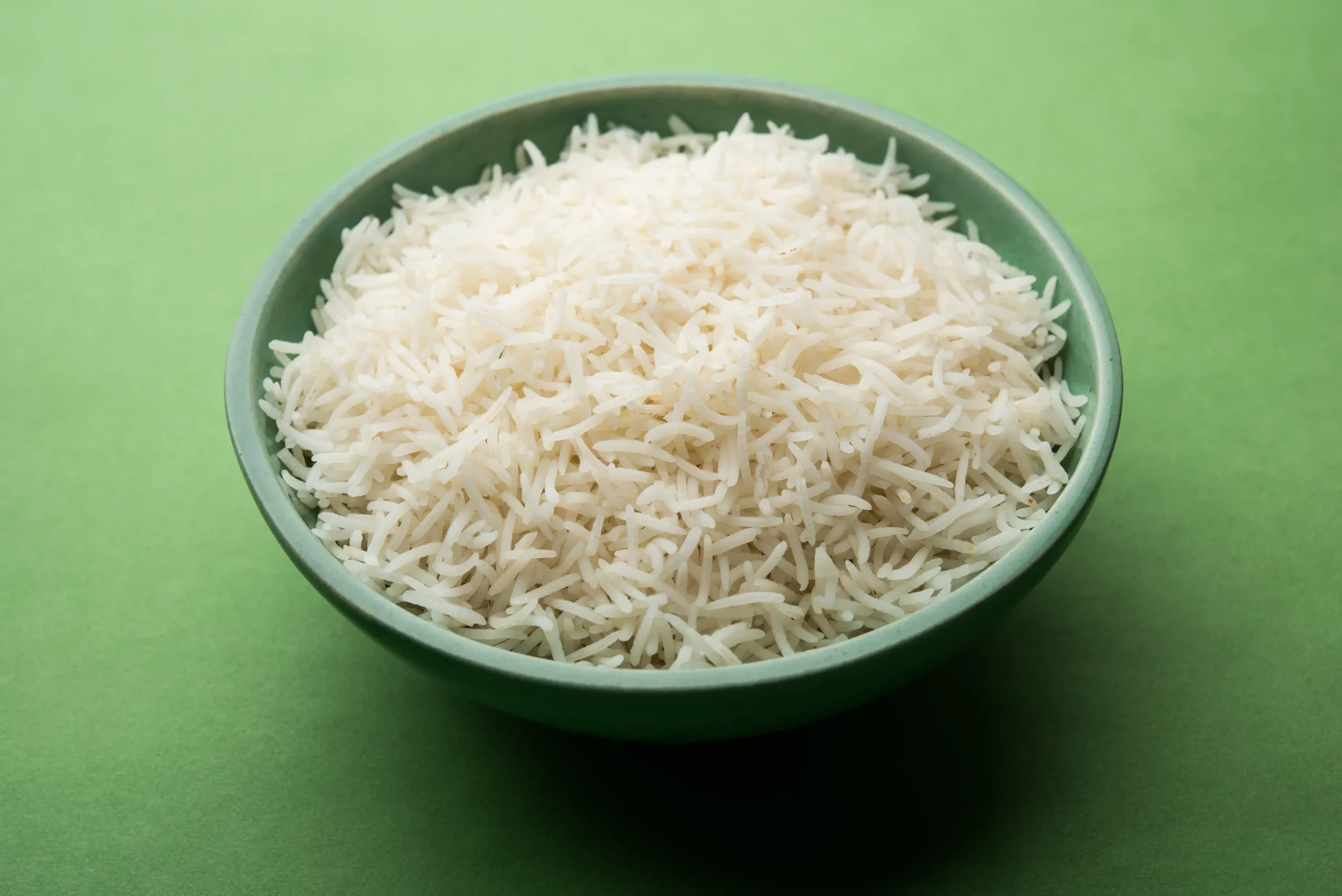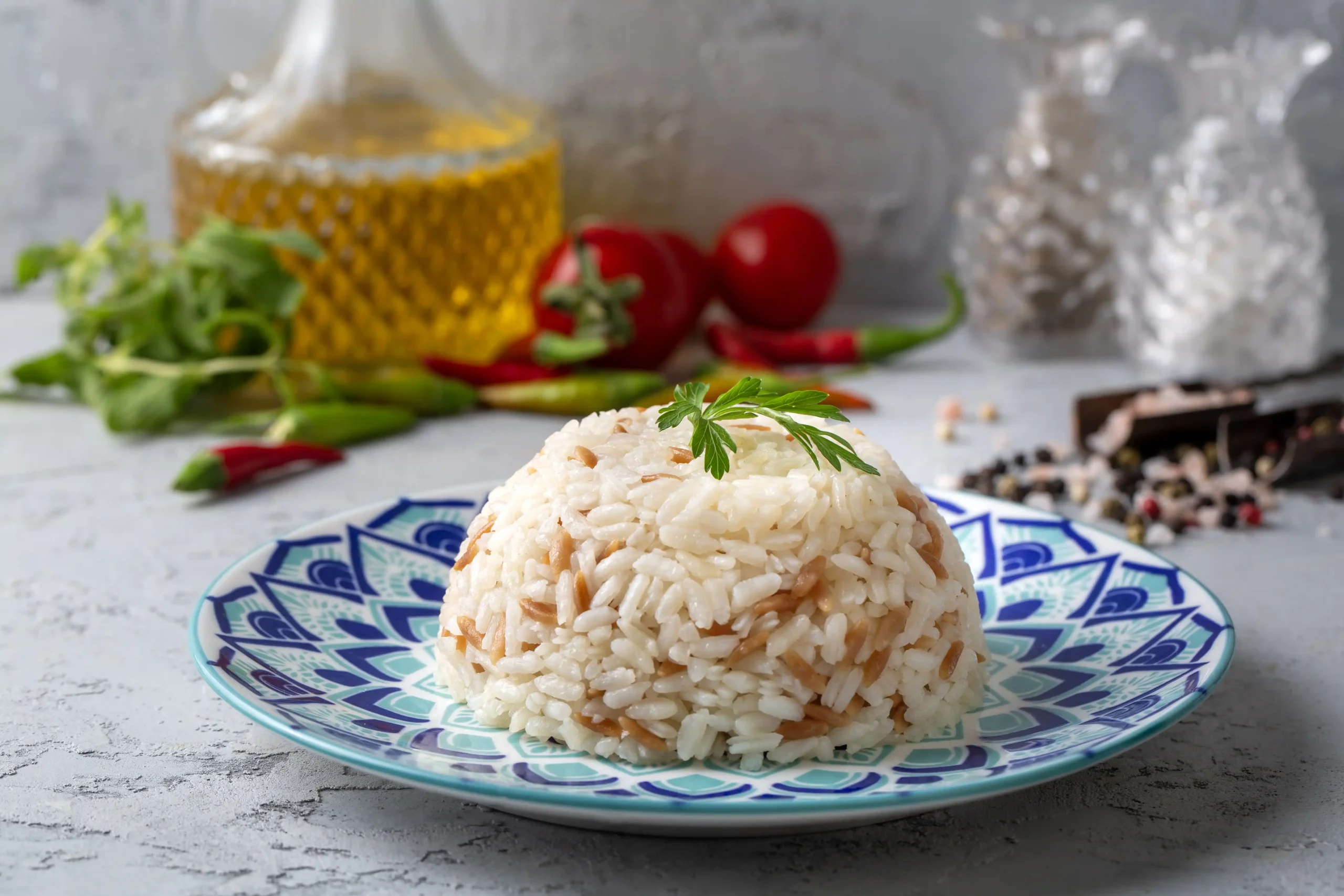
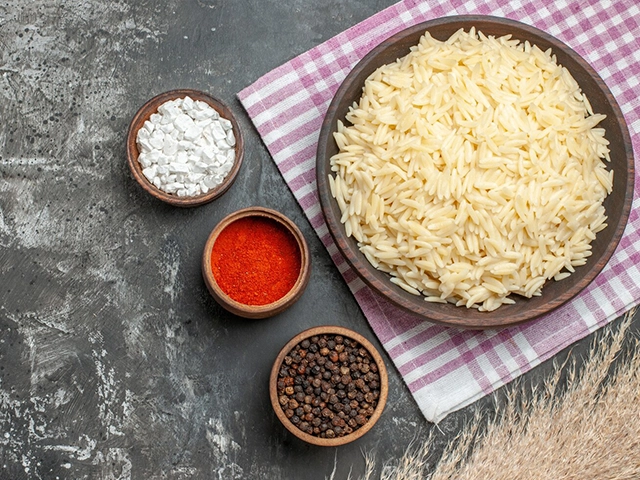
Extra long grain basmati rice is known for its elegant appearance, delicate aroma, and naturally elongated grains. Compared with many other rice varieties, this rice type develops a distinctive texture when cooked. The grains tend to remain separate and light, which makes it particularly suitable for pilaf, biryani, and various aromatic rice dishes prepared in different cuisines.
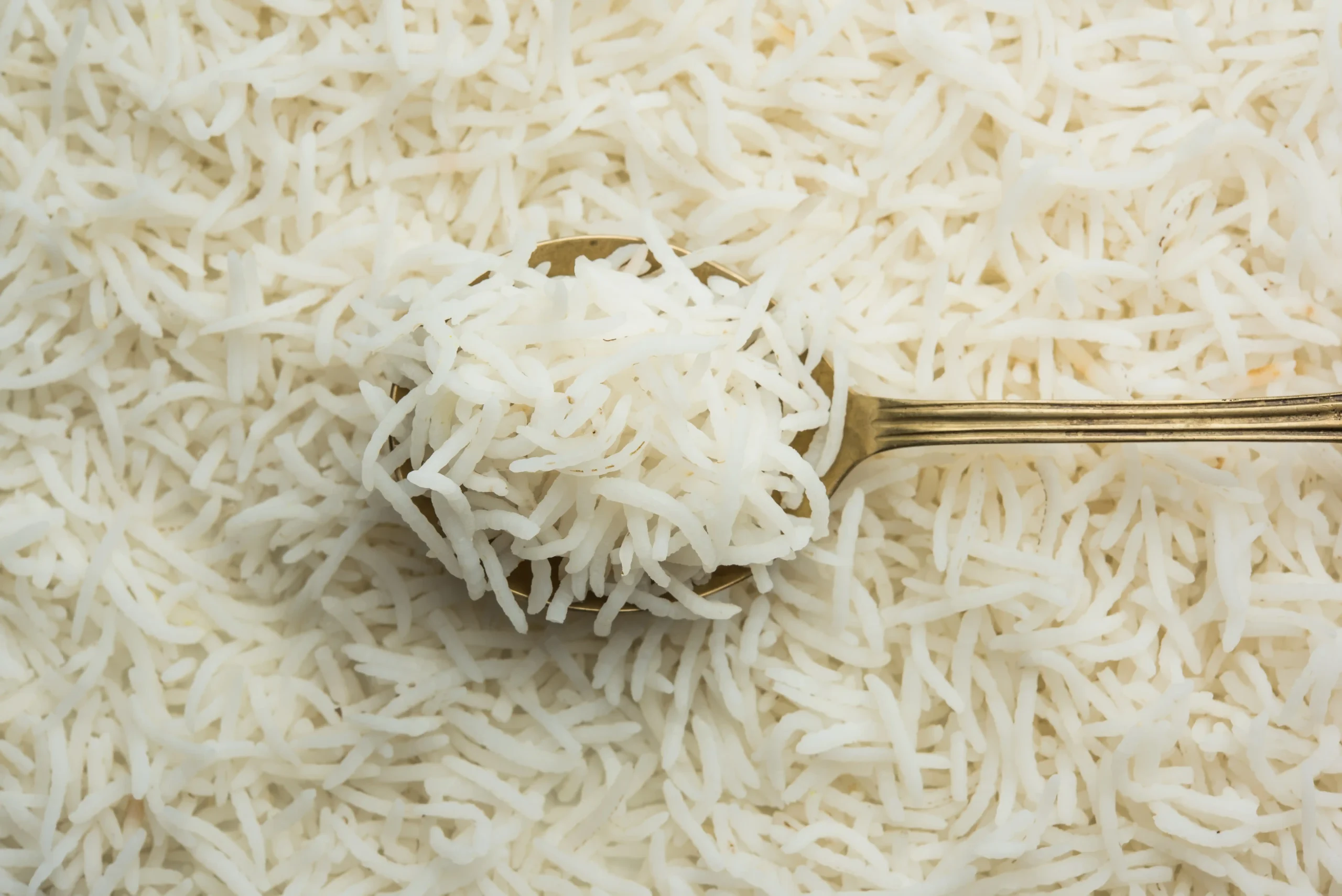
Extra long grain basmati rice is valued for the way its grains extend during cooking while preserving their slender structure. Proper rinsing and soaking are commonly recommended before cooking in order to remove excess surface starch and improve grain separation. When the correct water ratio is used, the rice cooks evenly and produces a fluffy texture that enhances both presentation and flavor in rice-based dishes.
Extra Long Basmati Rice
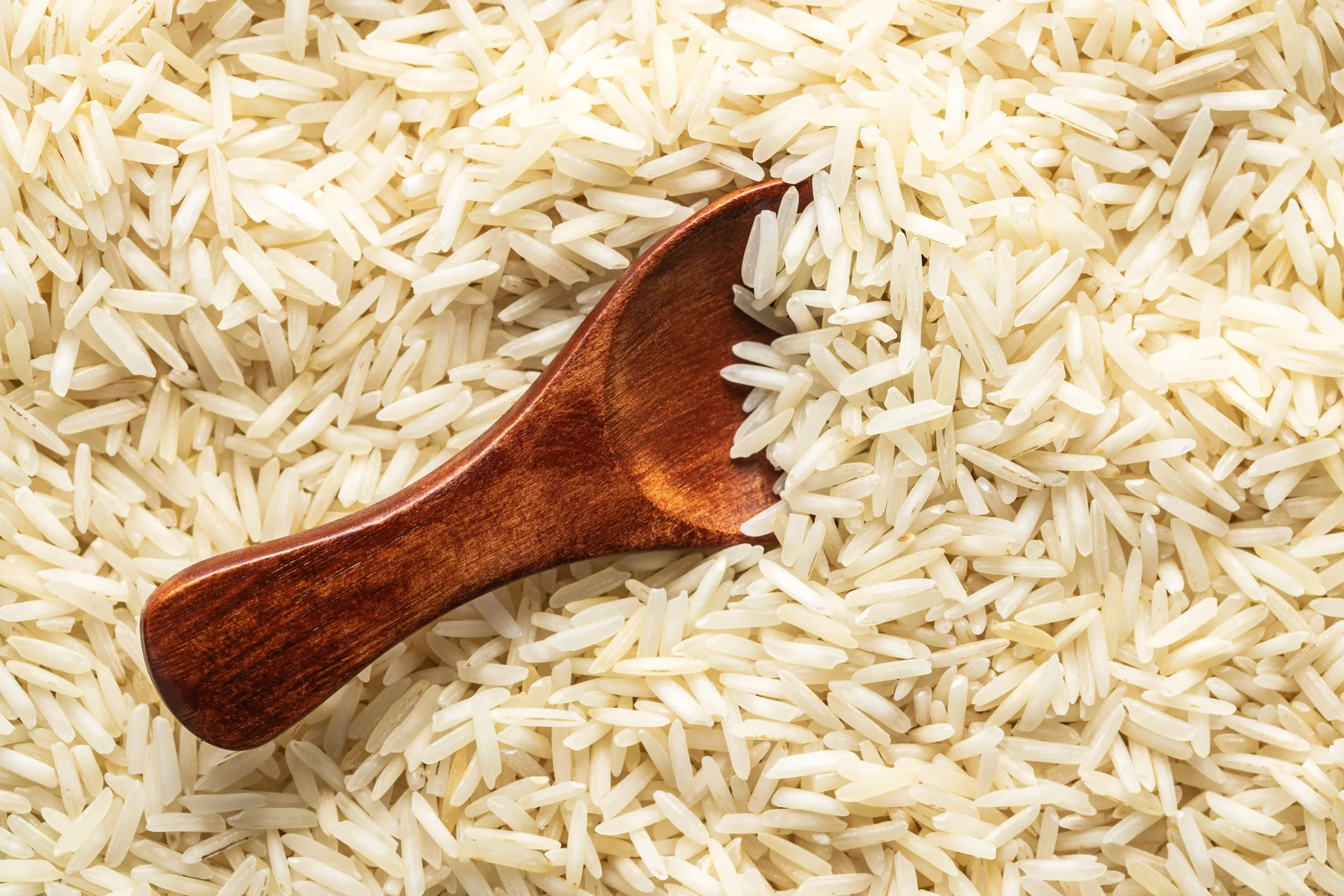
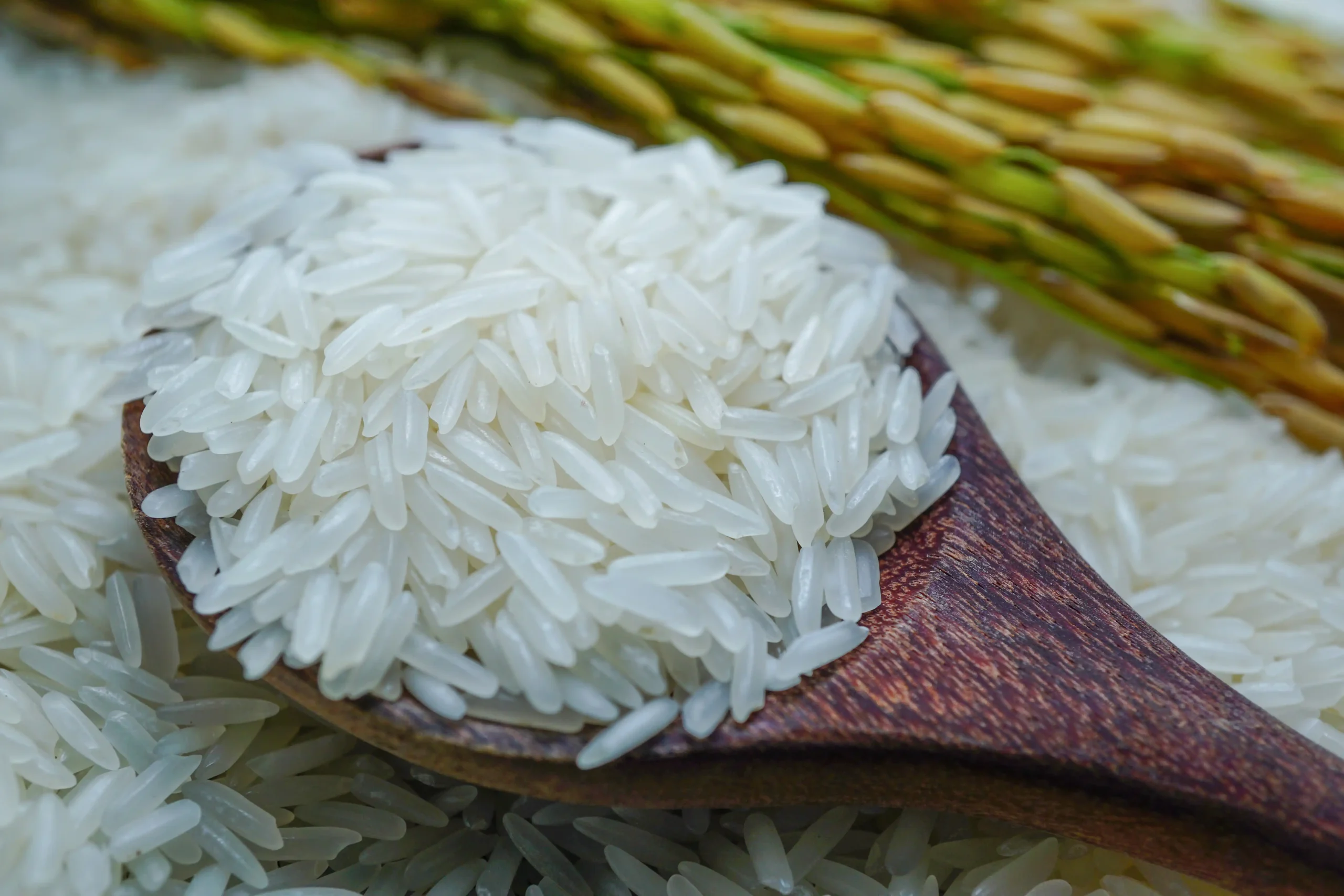
Extra long basmati rice refers to basmati varieties that have especially long and slender grains. These grains are typically more elongated than standard long-grain rice types, which contributes to a visually appealing result once the rice is cooked. The grain length and delicate structure are key factors that distinguish this rice from many other varieties.
When selecting extra long basmati rice, several qualities are generally considered important:
- Long, thin grains with minimal broken pieces
- Consistent grain size and uniform appearance
- Natural aroma associated with authentic basmati varieties
- Good grain separation after cooking
- Firm yet light texture suitable for pilaf dishes
Extra long basmati rice is widely used in recipes where presentation and texture play an important role. Because the grains expand primarily in length during cooking, the final dish often appears more refined and structured compared with other rice types.
Basmati vs Long Grain Rice
Basmati rice is frequently compared with other long grain rice varieties because they share a similar elongated grain shape. However, basmati rice possesses several characteristics that differentiate it from many standard long grain rice types.
Some of the main differences between basmati rice and typical long grain rice include:
- Grain Structure: Basmati rice grains are generally longer and more slender.
- Aroma: Basmati rice has a naturally aromatic fragrance that many other rice varieties do not possess.
- Cooking Expansion: Basmati grains expand mainly in length during cooking rather than swelling in width.
- Texture: Cooked basmati rice tends to be lighter and more separated.
- Culinary Role: Basmati rice is commonly used in dishes where aroma and grain separation are especially important.
Standard long grain rice varieties may have a more neutral aroma and slightly softer texture. These types of rice are often used in everyday cooking, while basmati rice is typically chosen when a more distinctive fragrance and presentation are desired.
Is Basmati Long Grain Rice?
Basmati rice is classified as a long grain rice, but it represents a specific variety within this category. Rice types are commonly divided into three groups according to grain length: short grain, medium grain, and long grain. Basmati belongs to the long grain group because of its narrow and elongated grain structure.
Despite this classification, basmati rice has unique characteristics that set it apart from many other long grain rice varieties. Its natural aroma, long grain length, and cooking behavior make it distinctive among rice types.
In cooking, basmati rice tends to lengthen significantly while maintaining individual grains. This creates the fluffy texture that is often associated with basmati dishes. Because of these qualities, basmati rice is widely used in traditional rice recipes where both aroma and grain structure are considered essential elements of the final dish.