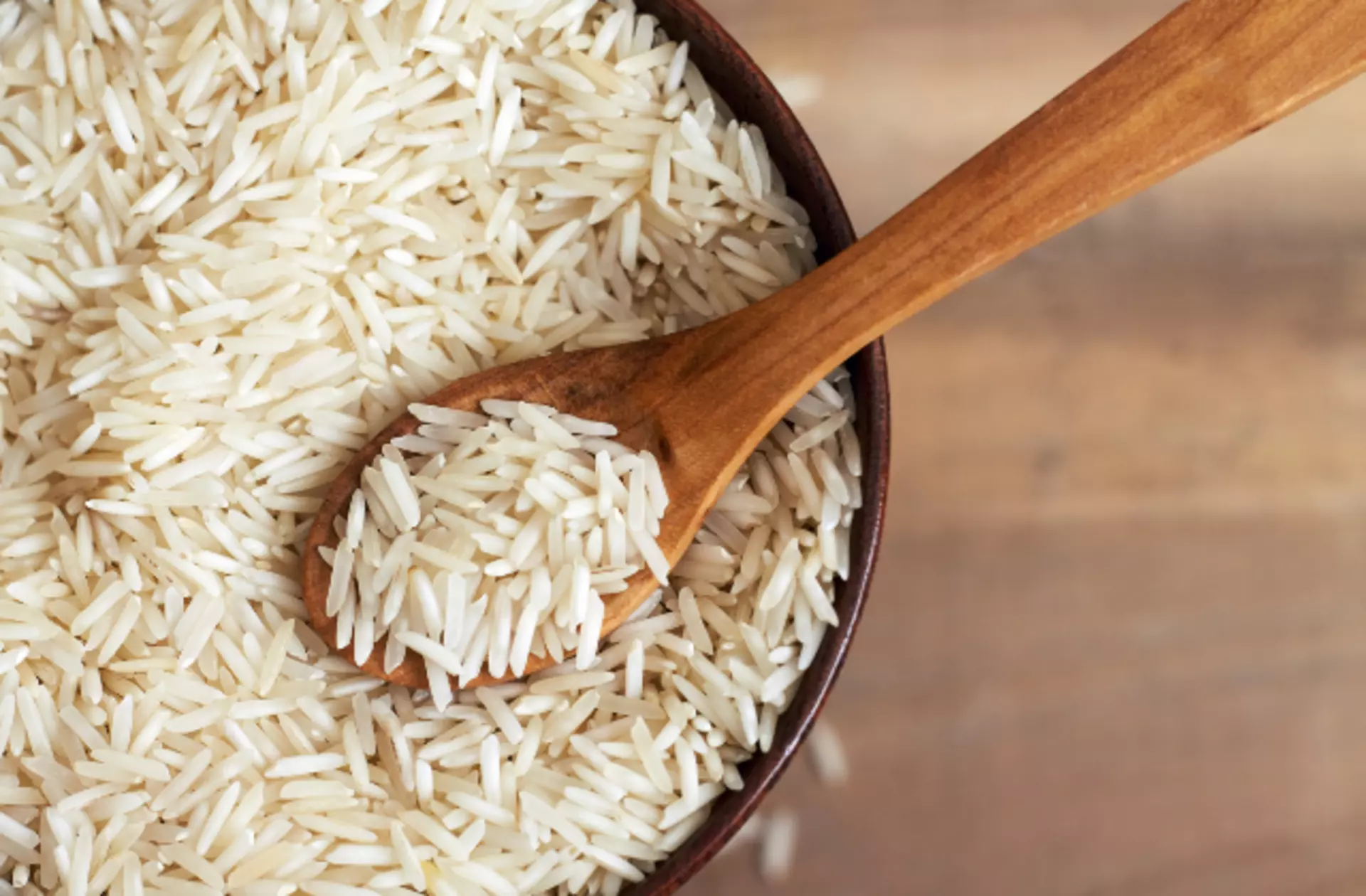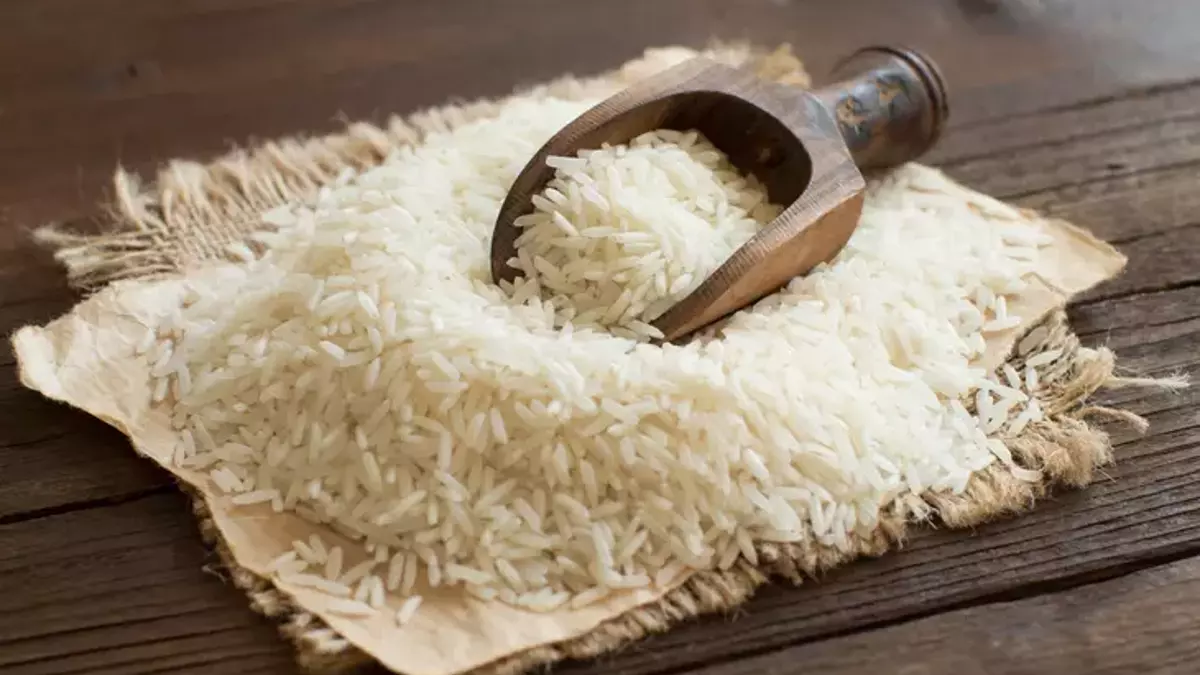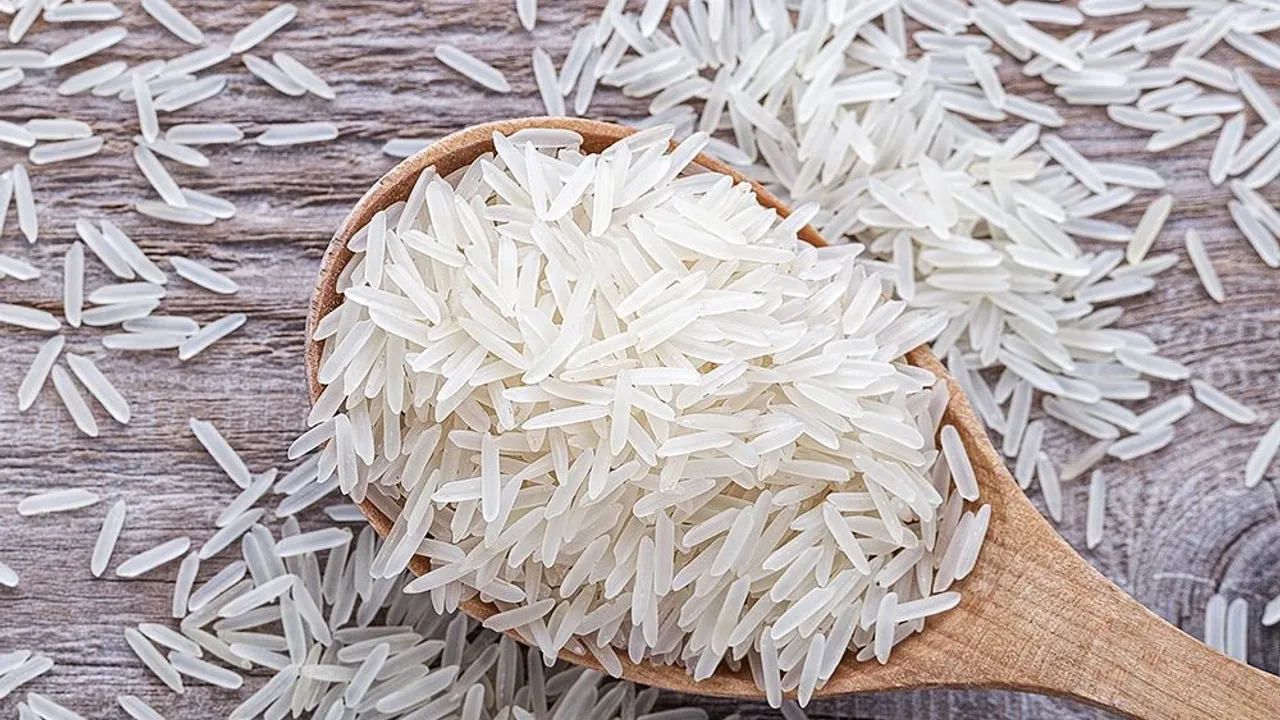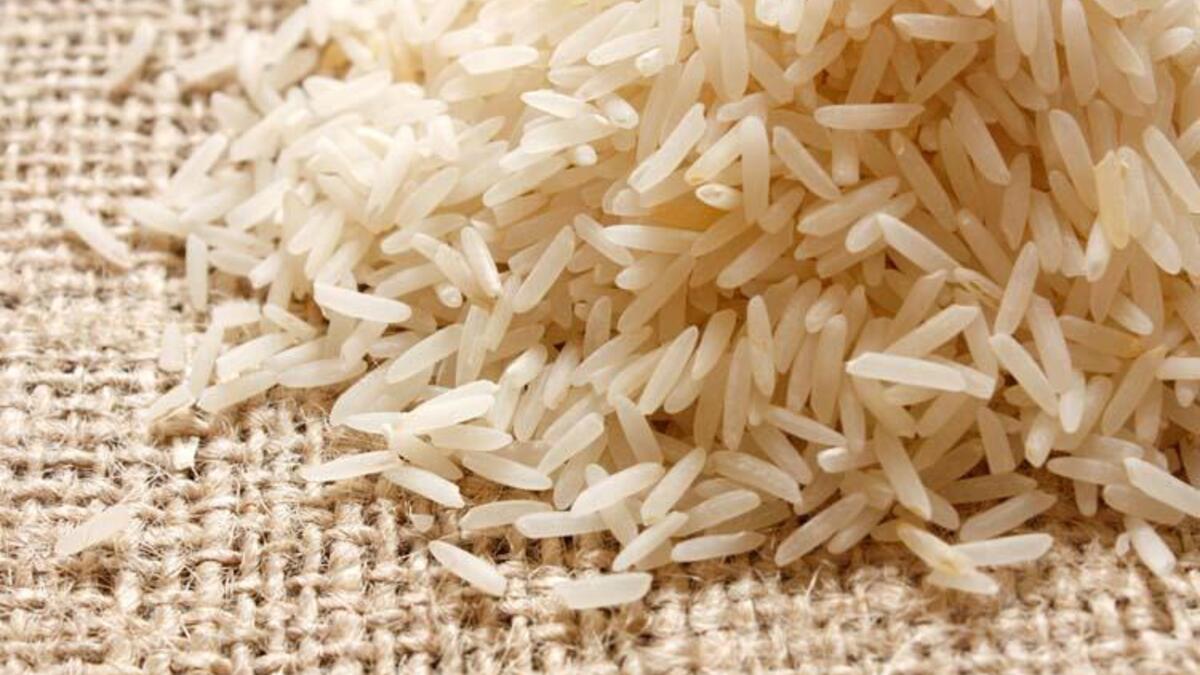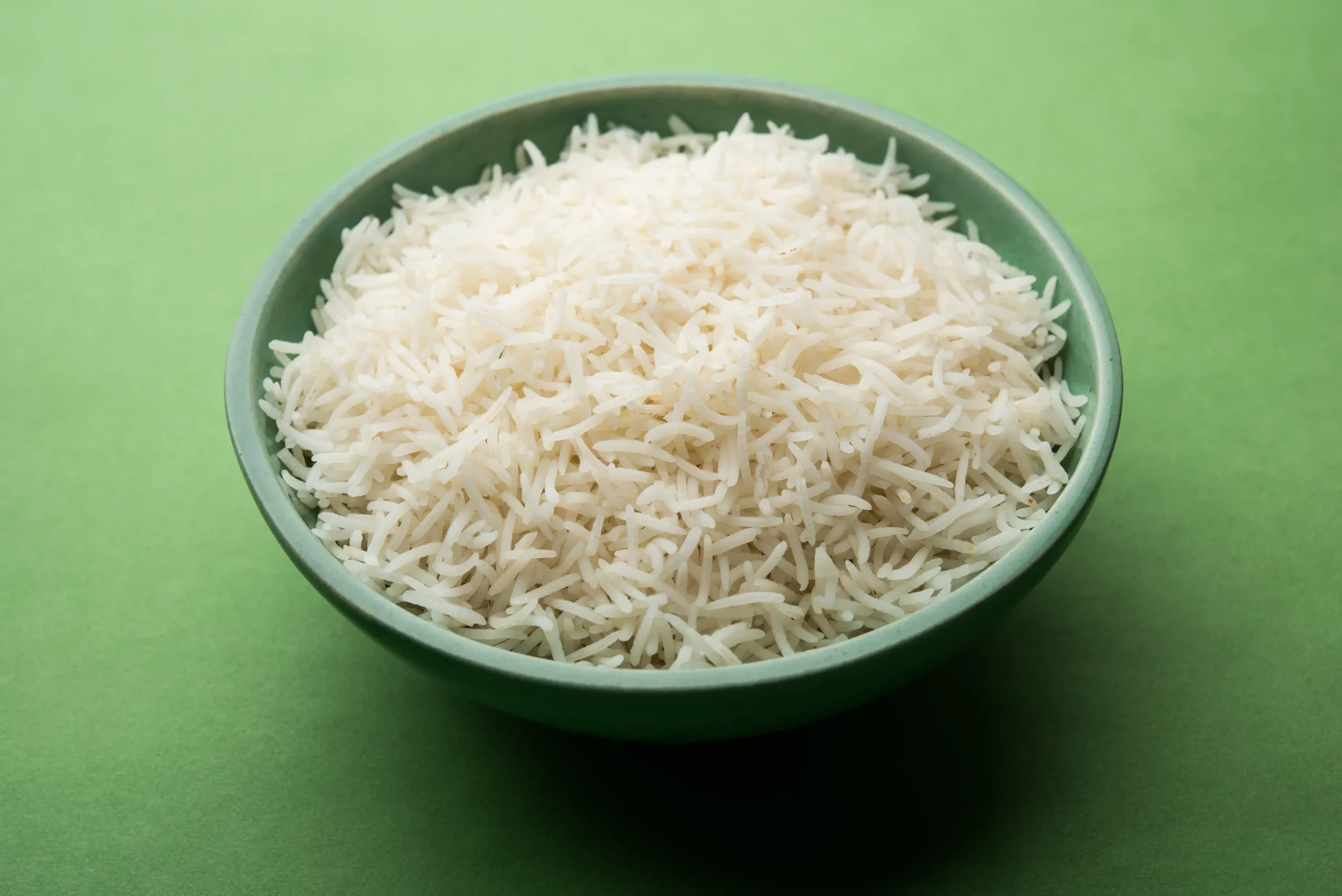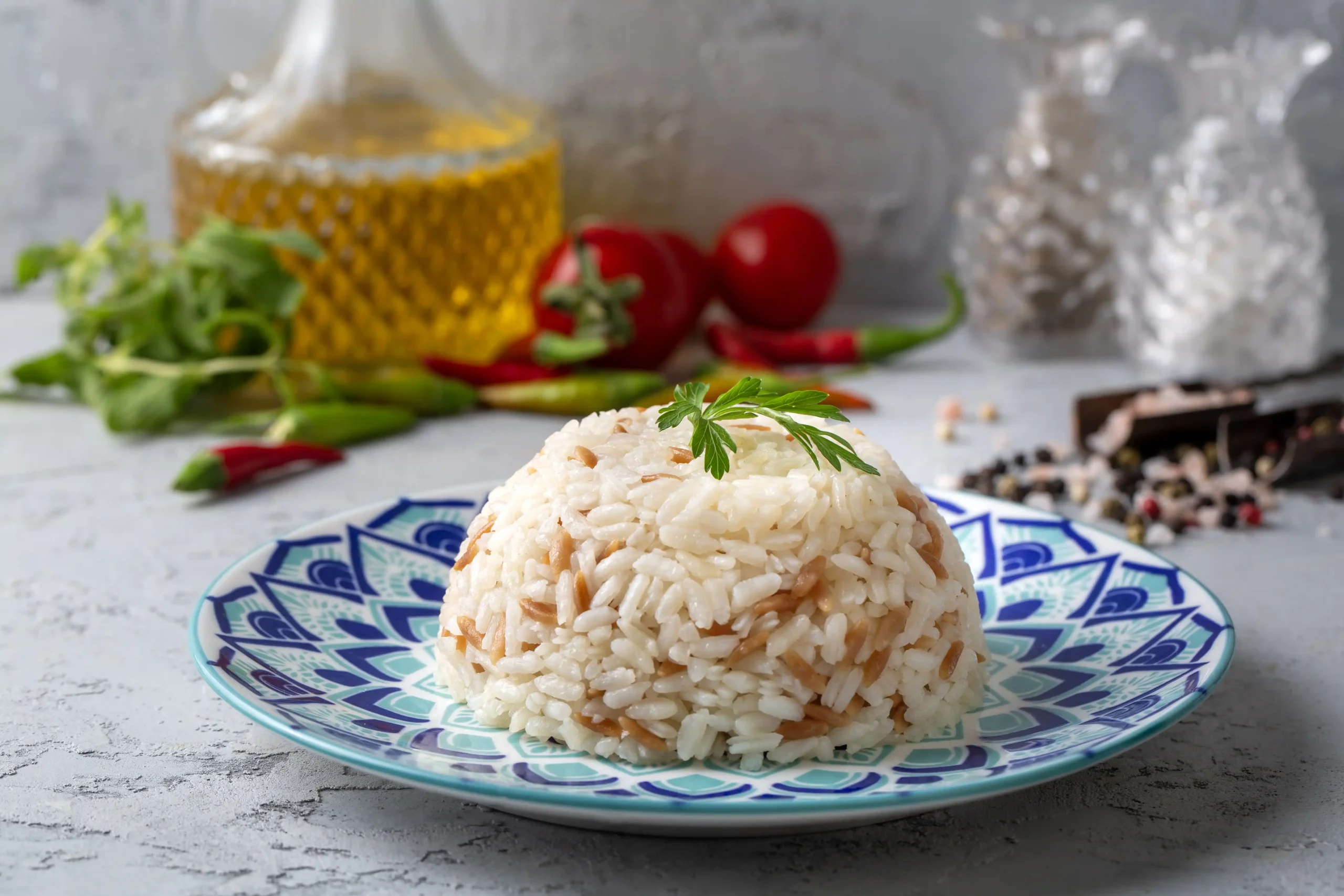
How to steam rice? This question is important for anyone who wants soft, separate, and evenly cooked grains without making the rice too wet or sticky. The process starts with choosing the right rice type, rinsing it well, and using a measured amount of water. Long-grain varieties such as basmati usually benefit from rinsing because this helps remove excess surface starch and supports a lighter texture after cooking.
How to steam rice? The basic method is to let the grains absorb steam slowly in a covered pot after the water reaches the right temperature. Depending on the rice type, a short soaking stage can also help the grains cook more evenly. After cooking, the rice should rest with the lid closed for a few minutes. This final step allows the remaining steam to settle through the grains and improves the overall texture before serving.
How Healthy Is Steamed Rice?
Steamed rice can be a healthy part of a balanced diet when it is prepared plainly and served in the right portion. Since steaming does not require frying or heavy sauces, the rice can remain light and simple. However, the overall nutritional value depends on the type of rice used, the serving size, and the foods served with it. White rice is mainly a source of carbohydrates, while whole grain options such as brown rice generally provide more fiber because they retain more of the grain’s natural layers.
Steamed rice becomes more balanced when it is paired with vegetables, legumes, lean protein, or healthy fats. For example, rice served with grilled chicken, beans, fish, lentils, or vegetable dishes can create a more complete meal than rice eaten alone. Portion control is also important because rice is energy-dense and can quickly increase the carbohydrate content of a meal.
For a healthier plate, these points can help:
- Use moderate portions instead of oversized servings.
- Pair rice with protein and vegetables.
- Avoid adding too much butter, salt, or oil.
- Choose whole grain rice when a higher fiber option is desired.
- Let rice rest after cooking for better texture without extra fat.
In short, steamed rice is not automatically unhealthy. It can be a clean and practical carbohydrate source when cooked simply and served as part of a varied meal.
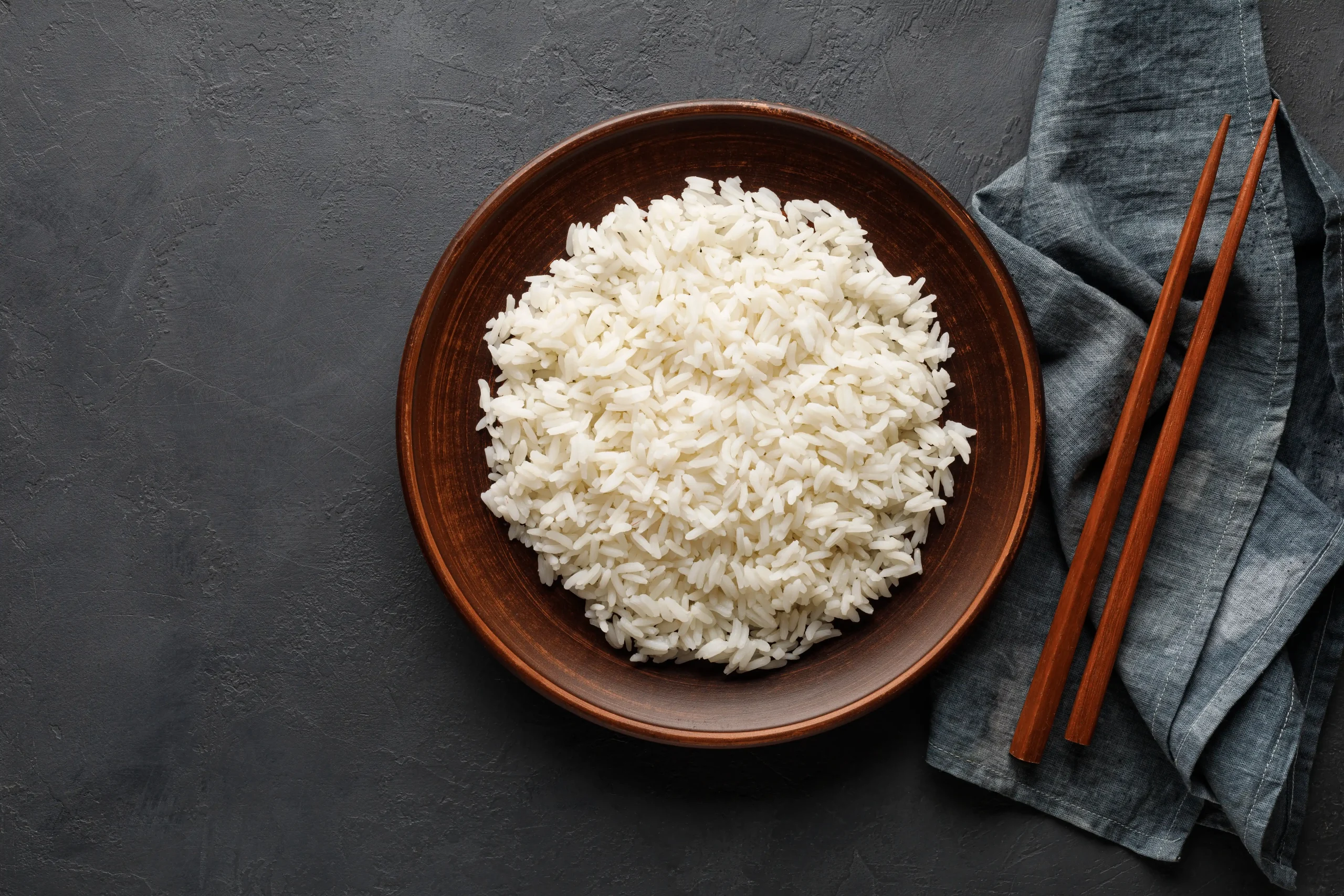
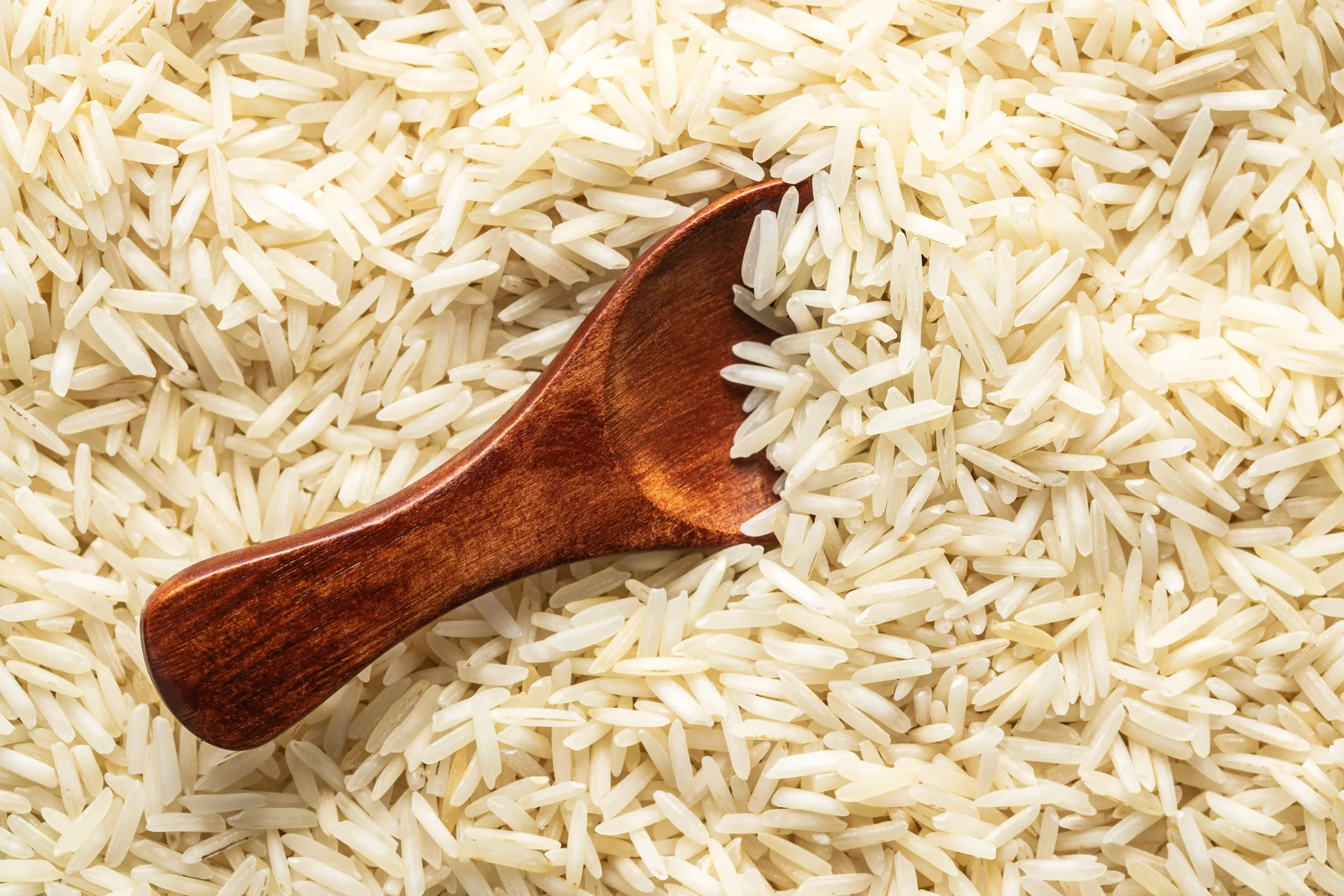
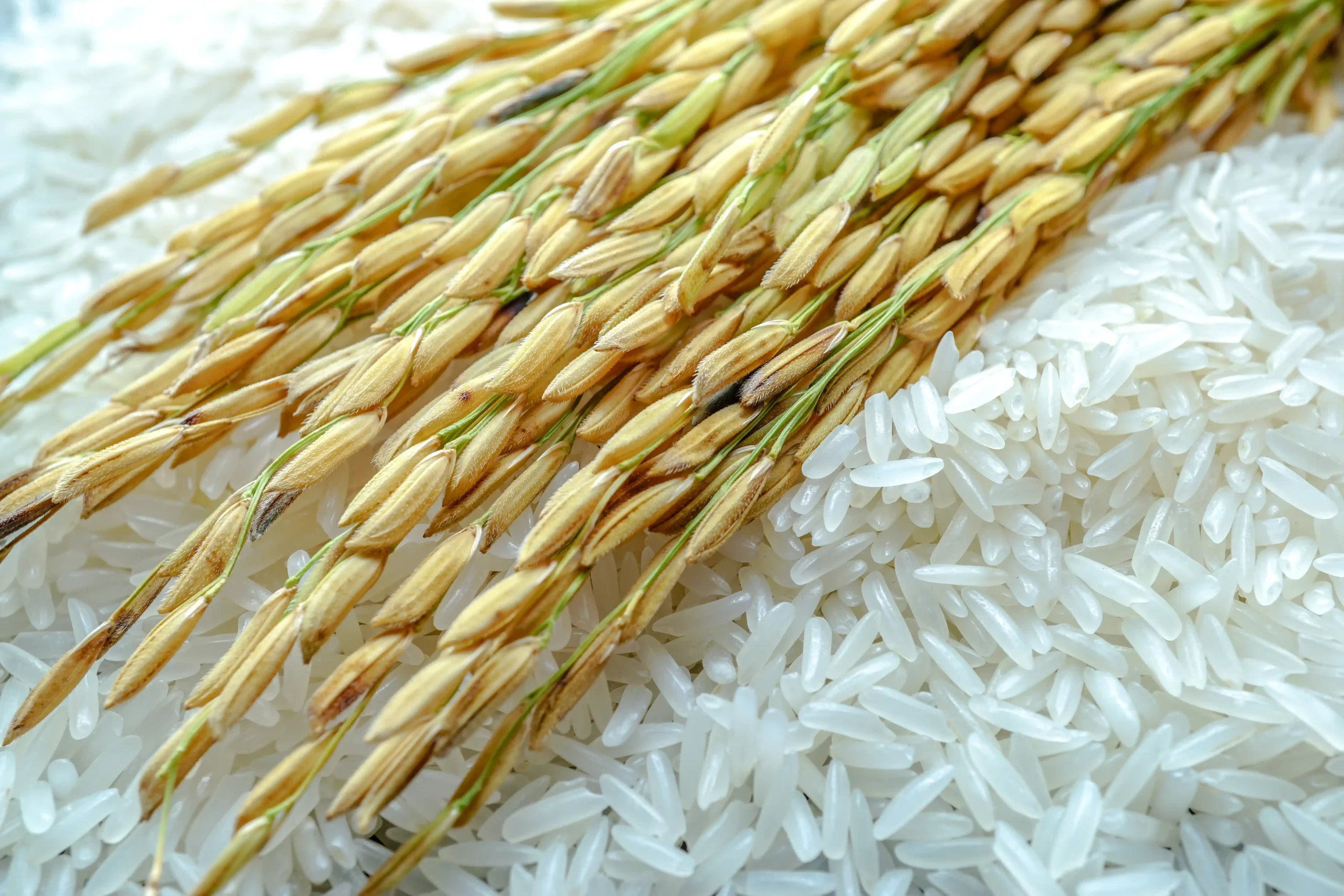
Mahmood Rice Steam Basmati is produced with a gentle steam-treated process that helps the grains keep their natural white color and light aroma. During this process, paddy rice is steamed, firmed, dried, and milled in a way that creates a softer texture than Sella-style rice. This gives the rice a balanced cooking character while preserving the long-grain structure expected from basmati.
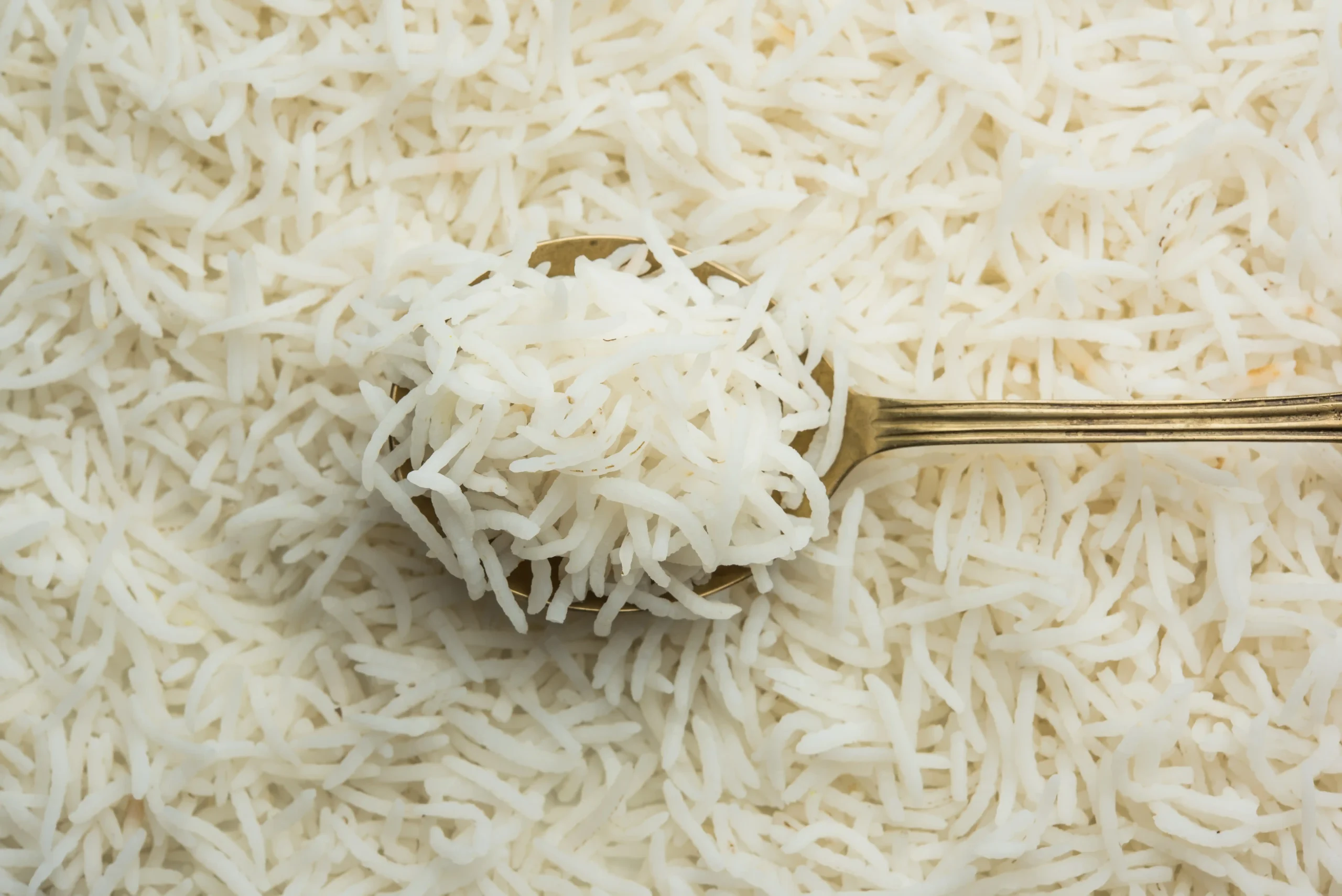
Its long and separate grains make it suitable for everyday white rice recipes, pot dishes, and rice-based meals served with toppings. The brighter appearance and lower chalkiness also support a cleaner look on the plate, especially in recipes where grain shape and presentation matter. Since it has a softer texture, it can work well for users who want aromatic basmati rice without a firmer Sella-style bite.
When cooked with care, this rice can create a light, separate, and pleasant result for daily meals. Its natural aroma, long-grain form, and versatile use make Mahmood Steam Rice a practical option for simple rice dishes, topped rice plates, and recipes that need a soft but structured basmati texture.