




A premium Japonica rice variety distinguished by its medium-grain structure, soft texture, and grains that lightly cling together. After cooking, the grains hold their shape while offering a balanced consistency with a slight stickiness. This makes it ideal for sushi, poke bowls, skillet rice dishes, and a variety of Asian-inspired recipes. Its neutral aroma allows sauces and seasonings to stand out, while its ability to stay intact on the plate and its versatility make it an excellent choice for different cuisines.
Calrose Rice


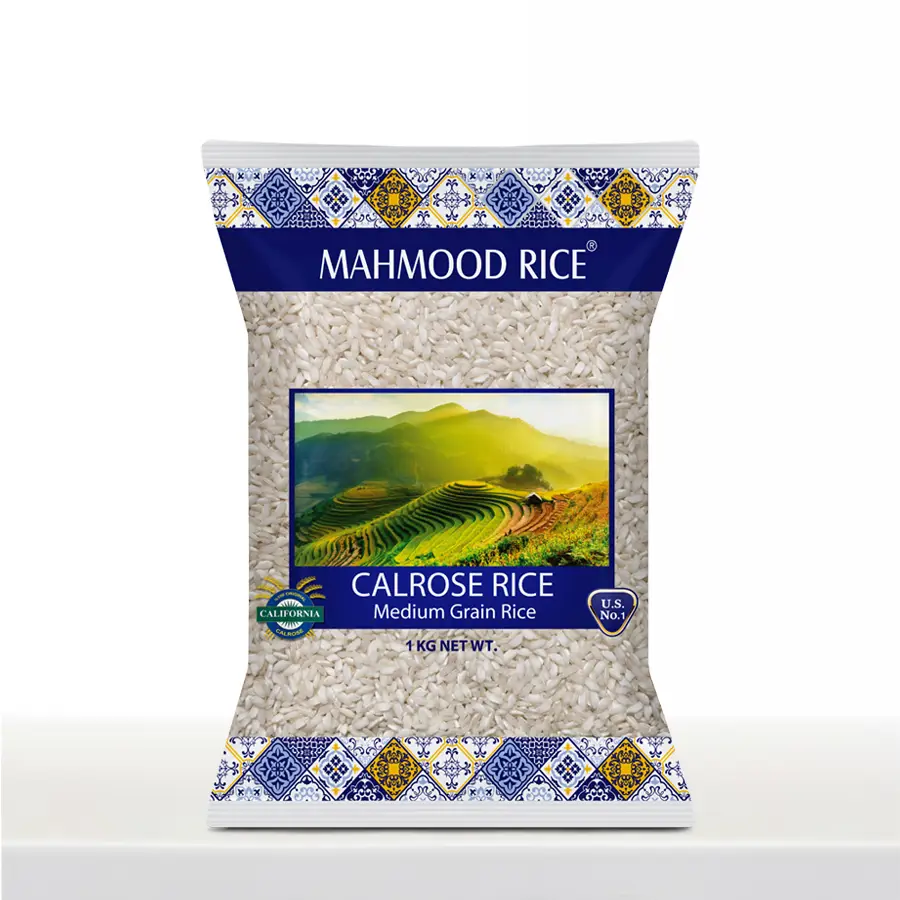
1 Kg
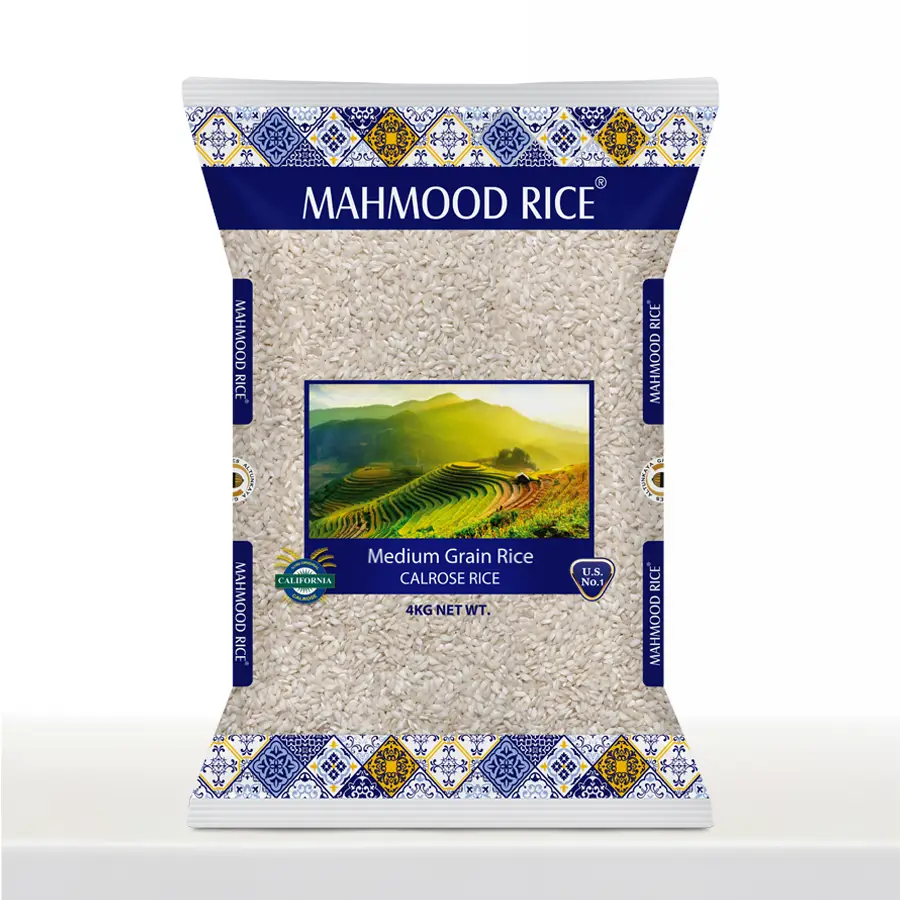
4 Kg
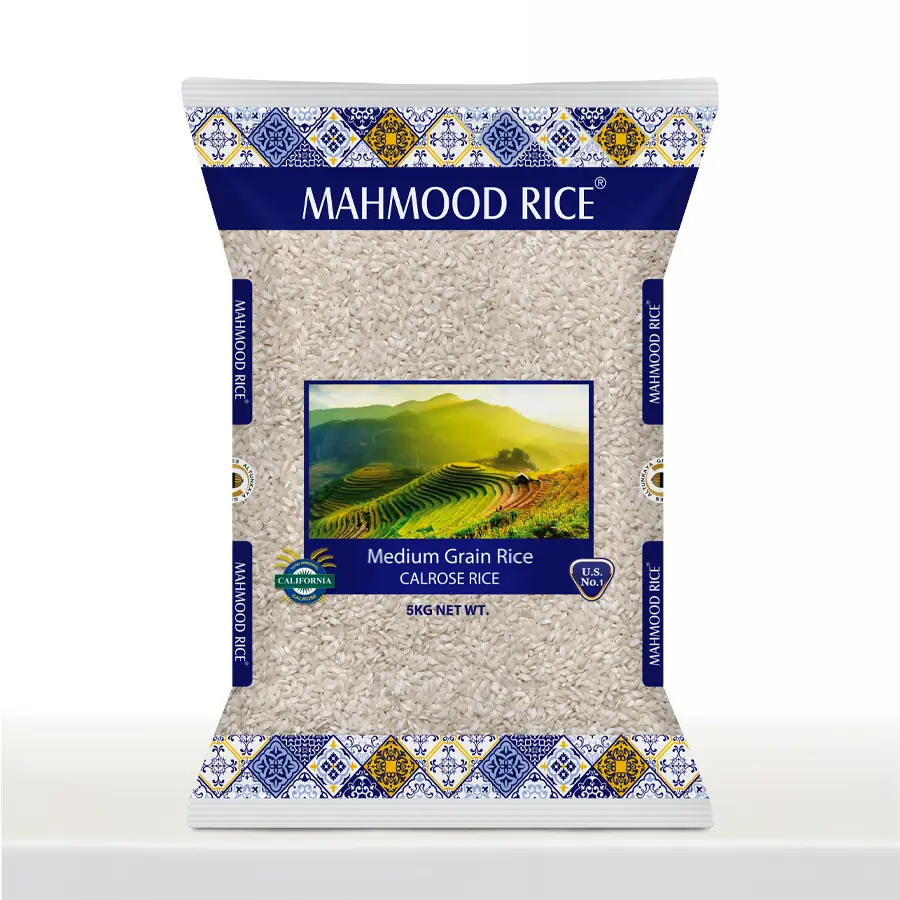
5 Kg
Calrose Rice Features
Calrose Rice is a medium-grain rice variety that belongs to the Japonica group and is grown in the United States, especially in the state of California.
- Has a neutral aroma profile.
- Its slightly clingy grains are ideal for shaped rice dishes.
- Absorbs water and sauces quickly and evenly, helping carry flavor well.
- Creates the ideal texture for sushi, poke, skillet rice dishes, and Asian-style presentations.
Calrose Rice Cooking Instructions
There are several ways to cook Calrose Rice:


1. Before cooking, soak the rice in warm water for 15–20 minutes, then drain.
2. Place the rice in a microwave-safe container with a lid, add water, and cook at 1000W for about 5 minutes.
3. Then reduce the power and continue cooking at 500W for another 20–25 minutes.
4. Once cooking is complete, let the rice rest for 10–15 minutes.
1. Before cooking, soak the rice in warm water for 15–20 minutes, then drain.
2. Place the rice in a pot, add fresh water, and cook over low heat with the lid on for 17–20 minutes.
3. After turning off the heat, let it rest for 10–15 minutes.
1. Before cooking, soak the rice in warm water for 15–20 minutes, then drain.
2. Add the rice and water to the rice cooker; use the white rice setting or automatic mode.
3. Once cooking is complete, let the rice rest for 10–15 minutes.
1. Before cooking, soak the rice in warm water for 15–20 minutes, then drain.
2. Preheat the oven to 400°F. Add water to an oven-safe dish with a lid and bring it to a boil.
3. Add the rice to the boiling water and cook with the lid on for 30 minutes.
4. Once cooking is complete, let the rice rest for 10–15 minutes.
Calrose Rice offers practical advantages in the kitchen thanks to its soft texture and grains that lightly cling together after cooking. Its ability to absorb water and sauces well helps carry flavor effectively, making it especially well suited for sushi, bowls, and sauce-based recipes. Its neutral flavor profile adapts easily to different cuisines, while its soft texture can also make it a suitable option for children and for those who need softer foods. With its ability to maintain grain integrity, balanced texture, and versatile use, Calrose Rice is a distinctive rice variety that can be confidently chosen for a wide range of recipes.
Known for its versatility, Calrose Rice delivers excellent results in both Asian cuisine and modern presentations. Its medium-grain structure and slightly clingy texture after cooking help maintain shape while providing a balanced consistency. Especially favored in sushi, poke bowls, and Asian-style rice dishes, Calrose Rice blends easily with different flavors thanks to its ability to carry sauces and its adaptable character.
Calrose Rice can be used in a wide variety of dishes, from sushi and sushi bowls to poke bowl varieties, Asian-style rice dishes, and hand-shaped rice recipes. It pairs well with flavors such as teriyaki, soy sauce, and sesame oil, while its shape-holding structure also makes it ideal for recipes similar to onigiri. With its ease of use, balanced texture, and compatibility with different recipes, it can be confidently preferred in both professional kitchens and at home.
- Use 2 cups of water for every 1 cup of rice.
- Before cooking, soak the rice in warm water for 15–20 minutes, then drain.
- Place the rice in a pot and add fresh water.
- Cook over low heat with the lid on for 17–20 minutes.
- After removing it from the heat, let it rest for 10–15 minutes.
- Your rice is ready to serve.
Soaking helps the rice grains absorb water more evenly and in a more controlled way. As a result, it reduces grain breakage during cooking and contributes to a more controlled and balanced texture after cooking.
When done for the proper amount of time, soaking improves the cooking result and helps the rice achieve a more balanced and successful texture.
The main difference between Calrose Rice and Basmati Rice lies in their grain structure, texture, and cooking characteristics. With its medium-grain structure and slightly clingy texture after cooking, Calrose Rice offers a softer and more balanced consistency, while Basmati Rice, with its long, slender grains, delivers a fluffier, lighter, and more separate appearance. Calrose Rice has a neutral flavor profile that allows sauces and seasonings to stand out, whereas Basmati Rice contributes its own character with its natural aroma. For this reason, Calrose Rice stands out in sushi, bowls, and Asian-inspired dishes, while Basmati Rice is preferred for meals that call for a more aromatic, fluffy, and visually striking presentation.
The main difference between Calrose Rice and Baldo Rice can be seen in their texture, consistency, and areas of use after cooking. Although both belong to the Japonica group and have a medium-grain structure, Calrose Rice develops a softer texture with grains that lightly cling together, while Baldo Rice, when cooked properly, offers a fluffier, more balanced, and lightly creamy result. For this reason, Calrose Rice stands out in sushi, bowls, and recipes where shape retention is important, while Baldo Rice is better suited for pilaf, stuffed dishes, and classic recipes. As a result, Calrose Rice is preferred for dishes that call for a softer, more cohesive texture, while Baldo Rice is favored for recipes that require more defined grains and a balanced consistency.