




A premium Japonica rice variety distinguished by its medium-grain structure, soft texture, and grains that lightly cling together. After cooking, the grains hold their shape while offering a balanced consistency with a slight stickiness. This makes it ideal for sushi, poke bowls, skillet rice dishes, and a variety of Asian-inspired recipes. Its neutral aroma allows sauces and seasonings to stand out, while its ability to stay intact on the plate and its versatility make it an excellent choice for different cuisines.
Calrose Rice


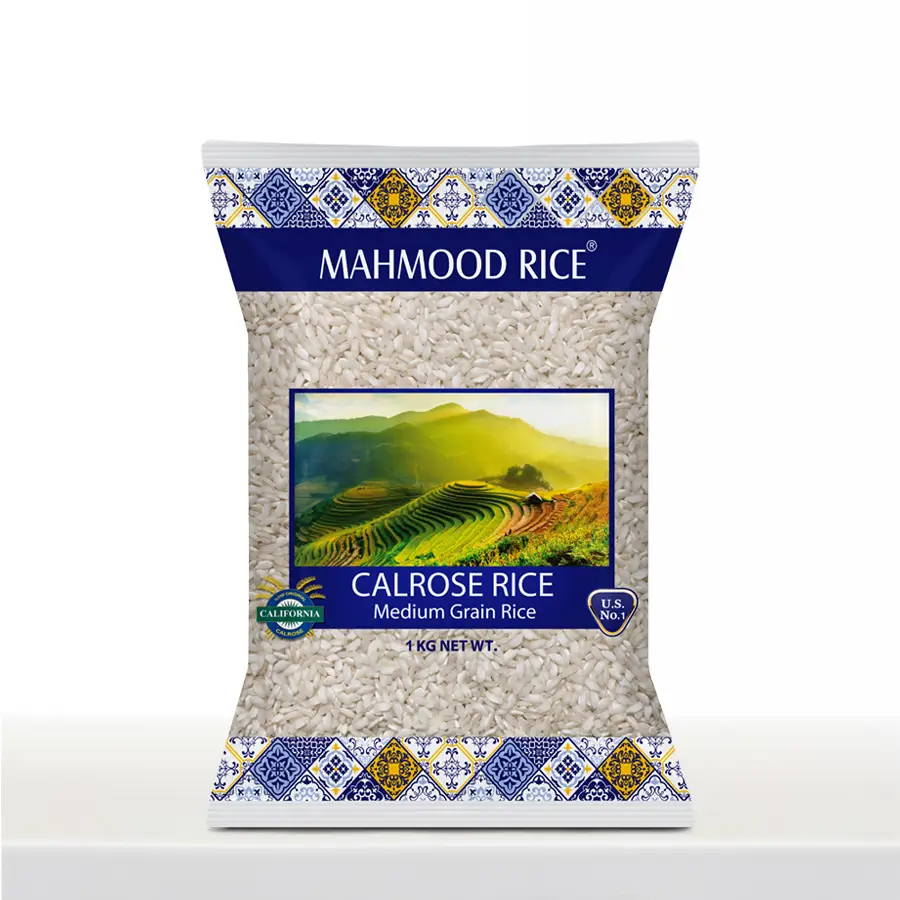
1 Kg
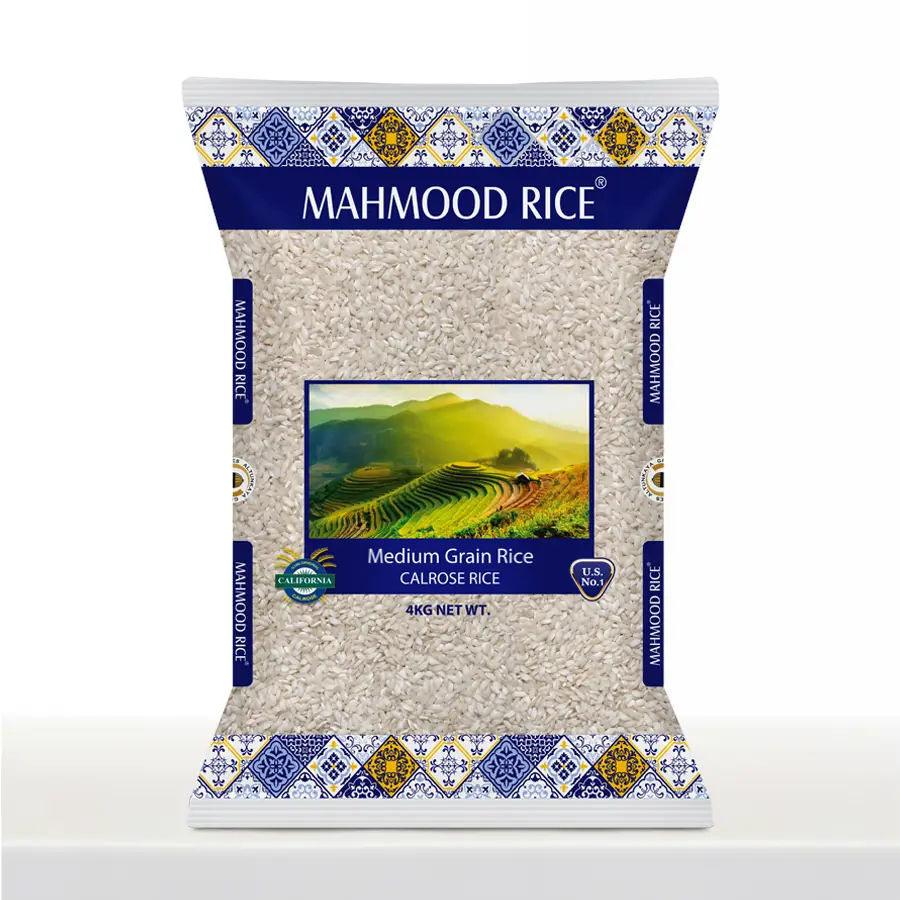
4 Kg
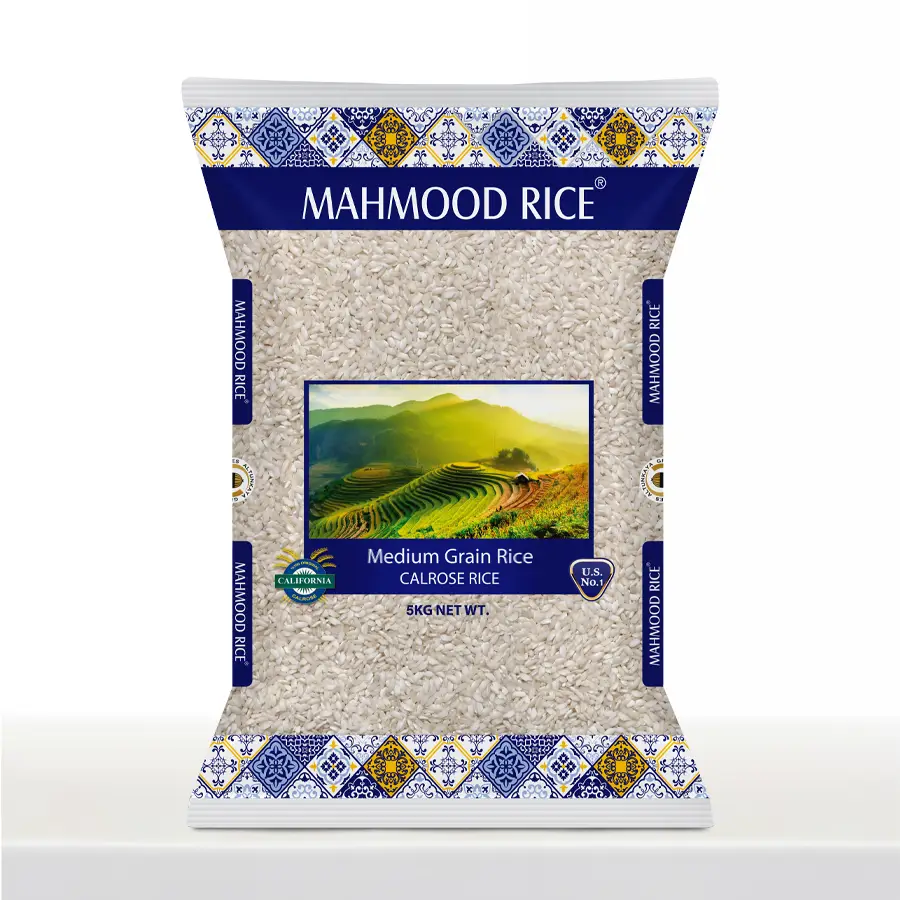
5 Kg
Calrose Rice Features
Calrose Rice is a medium-grain rice variety that belongs to the Japonica group and is grown in the United States, especially in the state of California.
- Has a neutral aroma profile.
- Its slightly clingy grains are ideal for shaped rice dishes.
- Absorbs water and sauces quickly and evenly, helping carry flavor well.
- Creates the ideal texture for sushi, poke, skillet rice dishes, and Asian-style presentations.
Calrose Rice Cooking Instructions
There are several ways to cook Calrose Rice:


1. Before cooking, soak the rice in warm water for 15–20 minutes, then drain.
2. Place the rice in a microwave-safe container with a lid, add water, and cook at 1000W for about 5 minutes.
3. Then reduce the power and continue cooking at 500W for another 20–25 minutes.
4. Once cooking is complete, let the rice rest for 10–15 minutes.
1. Before cooking, soak the rice in warm water for 15–20 minutes, then drain.
2. Place the rice in a pot, add fresh water, and cook over low heat with the lid on for 17–20 minutes.
3. After turning off the heat, let it rest for 10–15 minutes.
1. Before cooking, soak the rice in warm water for 15–20 minutes, then drain.
2. Add the rice and water to the rice cooker; use the white rice setting or automatic mode.
3. Once cooking is complete, let the rice rest for 10–15 minutes.
1. Before cooking, soak the rice in warm water for 15–20 minutes, then drain.
2. Preheat the oven to 400°F. Add water to an oven-safe dish with a lid and bring it to a boil.
3. Add the rice to the boiling water and cook with the lid on for 30 minutes.
4. Once cooking is complete, let the rice rest for 10–15 minutes.
Calrose Rice offers practical advantages in the kitchen thanks to its soft texture and grains that lightly cling together after cooking. Its ability to absorb water and sauces well helps carry flavor effectively, making it especially well suited for sushi, bowls, and sauce-based recipes. Its neutral flavor profile adapts easily to different cuisines, while its soft texture can also make it a suitable option for children and for those who need softer foods. With its ability to maintain grain integrity, balanced texture, and versatile use, Calrose Rice is a distinctive rice variety that can be confidently chosen for a wide range of recipes.
Known for its versatility, Calrose Rice delivers excellent results in both Asian cuisine and modern presentations. Its medium-grain structure and slightly clingy texture after cooking help maintain shape while providing a balanced consistency. Especially favored in sushi, poke bowls, and Asian-style rice dishes, Calrose Rice blends easily with different flavors thanks to its ability to carry sauces and its adaptable character.
Calrose Rice can be used in a wide variety of dishes, from sushi and sushi bowls to poke bowl varieties, Asian-style rice dishes, and hand-shaped rice recipes. It pairs well with flavors such as teriyaki, soy sauce, and sesame oil, while its shape-holding structure also makes it ideal for recipes similar to onigiri. With its ease of use, balanced texture, and compatibility with different recipes, it can be confidently preferred in both professional kitchens and at home.
- Use 2 cups of water for every 1 cup of rice.
- Before cooking, soak the rice in warm water for 15–20 minutes, then drain.
- Place the rice in a pot and add fresh water.
- Cook over low heat with the lid on for 17–20 minutes.
- After removing it from the heat, let it rest for 10–15 minutes.
- Your rice is ready to serve.
Soaking helps the rice grains absorb water more evenly and in a more controlled way. As a result, it reduces grain breakage during cooking and contributes to a more controlled and balanced texture after cooking.
When done for the proper amount of time, soaking improves the cooking result and helps the rice achieve a more balanced and successful texture.
The main difference between Calrose Rice and Basmati Rice lies in their grain structure, texture, and cooking characteristics. With its medium-grain structure and slightly clingy texture after cooking, Calrose Rice offers a softer and more balanced consistency, while Basmati Rice, with its long, slender grains, delivers a fluffier, lighter, and more separate appearance. Calrose Rice has a neutral flavor profile that allows sauces and seasonings to stand out, whereas Basmati Rice contributes its own character with its natural aroma. For this reason, Calrose Rice stands out in sushi, bowls, and Asian-inspired dishes, while Basmati Rice is preferred for meals that call for a more aromatic, fluffy, and visually striking presentation.
The main difference between Calrose Rice and Baldo Rice can be seen in their texture, consistency, and areas of use after cooking. Although both belong to the Japonica group and have a medium-grain structure, Calrose Rice develops a softer texture with grains that lightly cling together, while Baldo Rice, when cooked properly, offers a fluffier, more balanced, and lightly creamy result. For this reason, Calrose Rice stands out in sushi, bowls, and recipes where shape retention is important, while Baldo Rice is better suited for pilaf, stuffed dishes, and classic recipes. As a result, Calrose Rice is preferred for dishes that call for a softer, more cohesive texture, while Baldo Rice is favored for recipes that require more defined grains and a balanced consistency.
Calrose Rice is a premium medium-grain Japonica variety with a soft texture, neutral aroma, and gently cohesive grains. Its balanced consistency helps the rice hold its shape after cooking while maintaining a slightly sticky finish.
Calrose Rice offers a pleasant taste and balanced texture, making it suitable for a wide range of rice dishes. Its neutral profile lets sauces, seasonings, vegetables, seafood, and toppings shape the final taste without overpowering the recipe. The soft, moist texture makes it an appealing choice for sushi, poke bowls, skillet rice dishes, and Asian-inspired meals where versatility matters most.
What Is Calrose Rice?
Calrose Rice is a medium-grain Japonica rice that works well when you want cooked grains to stay soft, moist, and gently connected, creating a cohesive texture that suits a variety of dishes. If your meal includes sushi, poke, a rice bowl, or a stir-fried dish, that texture can make the rice easier to shape, combine with toppings, and carry sauces through each bite.
Compared with basmati and other long-grain varieties, Calrose produces a more cohesive texture, while long-grain rice is generally preferred when the grains are expected to remain more distinct after cooking. California Rice (Calrose) is therefore a practical choice for meals where the rice needs to combine naturally with other ingredients. Its neutral aroma also makes it adaptable to recipes where sauces, seasonings, vegetables, seafood, or toppings shape the main flavor profile.
If you are asking what is Calrose Rice used for, consider the finished plate you want:
- Choose it for sushi or poke when gentle grain adhesion matters.
- Use it in rice bowls where toppings and sauces should combine easily.
- Consider it for stir-fried or Asian-style dishes when a soft, cohesive texture suits the recipe.
This balance between softness, moisture, and shape makes Calrose a versatile option for everyday meals.
Is Calrose Rice Sushi Rice?
Calrose Rice can be used for sushi, but Calrose and “sushi rice” are not always the same thing. Calrose is a medium-grain Japonica rice, while sushi rice often refers to rice prepared for sushi or to short-grain and medium-grain Japonica varieties marketed for that purpose. If you want rice that stays soft, moist, and gently cohesive after cooking, Calrose Rice for sushi can provide the structure needed to hold rolls, nigiri, or bowls together without becoming excessively dense.
The practical difference appears in the texture you want on the plate. Traditional Japanese short-grain rice is typically plumper and more adhesive, while Calrose offers a soft, moist texture with grains that gently hold together, making it suitable for sushi-style preparation. Once cooked and seasoned appropriately, Calrose can therefore fit naturally into homemade sushi meals.
When comparing Calrose Rice with sushi rice, the main distinctions become clearer in grain type, cooked texture, and intended use.
Calrose Rice vs Sushi Rice
| Feature | Calrose Rice | Sushi Rice |
|---|---|---|
| Grain type | Medium-grain Japonica | Commonly short-grain or medium-grain Japonica |
| Cooked texture | Soft, moist, gently cohesive | Plump, tender, and more adhesive |
| Typical use | Sushi, poke, bowls, stir-fried dishes | Sushi rolls, nigiri, onigiri, Japanese-style meals |
| Best choice when | You want versatility beyond sushi | You want a more traditional sushi-style texture |
Calrose Rice vs Jasmine Rice
Calrose and jasmine rice can suit similar meals, but they create different results. Calrose is a medium-grain Japonica rice with a soft, moist, slightly sticky texture and a neutral aroma. Jasmine rice, by contrast, is a long-grain aromatic variety that cooks softer than many other long-grain types while the cooked grains remain more distinct.
For poke bowls, sushi-style plates, or saucy stir-fries, Calrose works well when you want the grains to hold together and carry sauces easily. Jasmine rice may suit dishes where fragrance and grains that remain more distinct after cooking are preferred.
If you are also comparing Calrose Rice vs arborio, Arborio is more closely associated with creamy risotto, while Calrose suits cohesive rice dishes. In Calrose Rice vs brown rice, the difference is shaped more by processing, texture, and cooking style than by one specific cuisine.
The main differences between Calrose and jasmine rice become clearer when grain, aroma, texture, and common uses are compared:
Calrose Rice vs Jasmine Rice
| Feature | Calrose Rice | Jasmine Rice |
|---|---|---|
| Grain | Medium-grain | Long-grain |
| Aroma | Neutral | Fragrant |
| Cooked texture | Soft, neutral, slightly sticky | Soft, aromatic, with separate grains |
| Common uses | Sushi, poke, stir-fries, saucy bowls | Curries, fragrant sides, rice-based meals |
Is Calrose Rice Sticky Rice?
Calrose Rice develops a soft, moist, slightly sticky texture after cooking, but it is not the same as sticky rice. Its grains gently hold together, which makes Calrose suitable when you want rice that can support toppings, sauces, or shaped preparations without creating the characteristically dense texture associated with sticky rice.
People also ask, is Calrose Rice short grain? Calrose is actually a medium-grain Japonica rice. Its cooked texture can sometimes make it seem similar to short-grain varieties, yet its grain classification and culinary uses are distinct. This matters when choosing rice for a recipe because “sticky” can describe a cooked texture as well as a specific rice category.
For an easier choice:
- Choose Calrose for sushi, poke bowls, rice bowls, and stir-fried dishes where a soft, cohesive texture works well.
- Choose sticky rice when a recipe specifically calls for it and depends on its characteristic texture.
- Choose Calrose when you need versatility across several meals rather than rice intended mainly for sticky-rice preparations.
So, Calrose can be slightly sticky when cooked, but it should not be treated as a direct substitute for every type of sticky rice.
Calrose Rice Water Ratio?
The Calrose Rice water ratio remains consistent across the cooking methods, while the preparation steps change depending on the appliance. Using 1 cup of rice with 2 cups of water provides the recommended starting ratio for microwave, pot, oven, and rice cooker preparation.
For the best results, use the following ratio and preparation guidance:
- Microwave: Before cooking, soak the rice in warm water for 15–20 minutes, then drain. Use 1 cup of Calrose Rice with 2 cups of water. Place in a microwave-safe container with a lid, add water, and cook at 1000 W for approximately 5 minutes. Then, reduce the power and cook at 500 W for another 20–25 minutes. Once cooking is complete, let the rice rest for 10–15 minutes.
- Cooking in a Pot: Soak the rice in warm water for 15–20 minutes, then drain. Add 1 cup of rice and 2 cups of fresh water. Place the rice in the pot, add water again, and cook over low heat with the lid closed for 17–20 minutes. After cooking, let it rest for 10–15 minutes.
- Oven: Soak the rice in warm water for 15–20 minutes, then drain. Preheat the oven to 200 °C. Add water to an oven-safe dish with a lid and bring it to a boil. Add the rice to the boiling water and cook with the lid on for 30 minutes. Once cooking is complete, let the rice rest for 10–15 minutes.
- Rice Cooker: Before cooking, soak the rice in warm water for 15–20 minutes, then drain. Add the rice and water to the rice cooker; use the white rice setting or automatic mode. Once cooking is complete, let the rice rest for 10–15 minutes.
For Calrose Rice instant pot preparation, follow the appliance manufacturer’s instructions rather than applying rice-cooker settings directly.
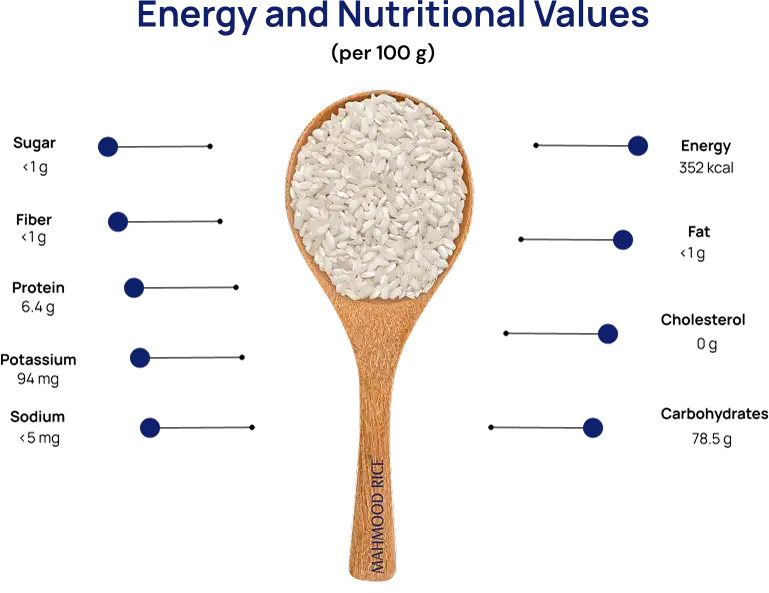
Calrose Rice Nutrition
Calrose Rice can fit into a balanced meal as a source of carbohydrates, with its nutritional contribution depending on portion size, preparation, and the foods served alongside it. If you are checking Calrose Rice calories, use the nutrition information on the specific package and measure your serving, since total calorie intake changes with portion size and added ingredients.
If you are asking is Calrose Rice healthy, consider the complete meal rather than rice alone. Pairing Calrose with vegetables, fish, lean meat, legumes, or other nutrient-dense ingredients can create a more balanced plate. Cooking sauces, oils, and toppings can also change the final nutritional profile considerably.
A few points can help when comparing options:
- The Calrose Rice glycemic index can vary depending on factors such as preparation and serving context, so it is better evaluated as part of the overall meal rather than as a single fixed number.
- If you need a Calrose Rice substitute, choose according to the recipe. Short-grain or other medium-grain Japonica rice may suit dishes that require a cohesive texture, while long-grain varieties provide a different result.
- Portion size and preparation method remain important when Calrose is included in everyday meals.
This makes Calrose easier to evaluate according to your recipe and overall eating pattern rather than a single nutritional number.