




A premium variety of basmati rice distinguished by its long, elegant grains, natural aroma, and durable structure. It remains separate during cooking, does not stick, and retains its soft texture. With its natural aroma, bright appearance, and high cooking performance, it is an ideal choice for both special tables and professional kitchens. Compared to classic rice varieties, its more durable structure helps preserve its shape and flavor for a longer time.
Sella Basmati Rice


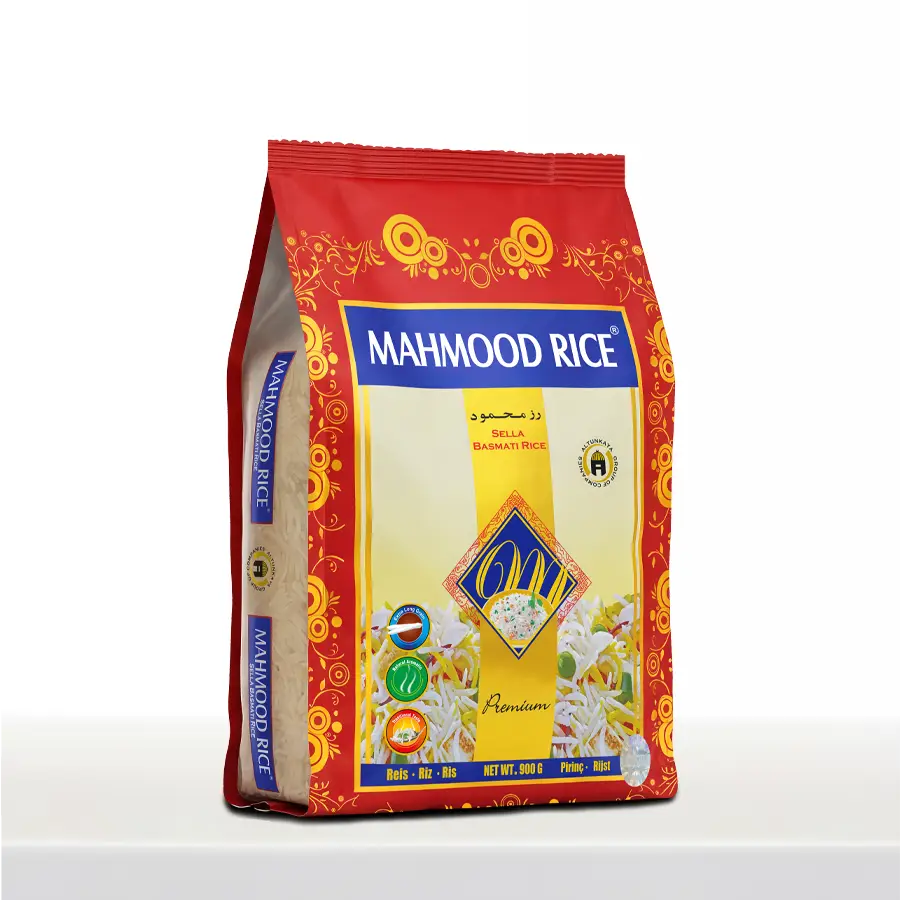
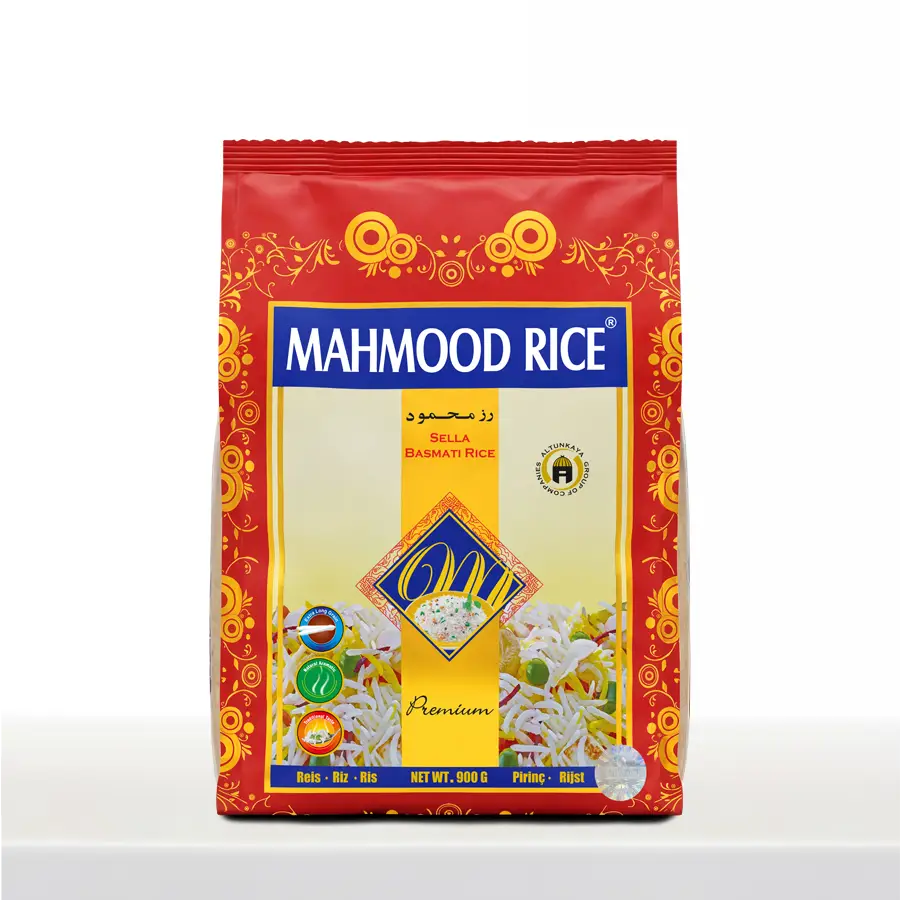
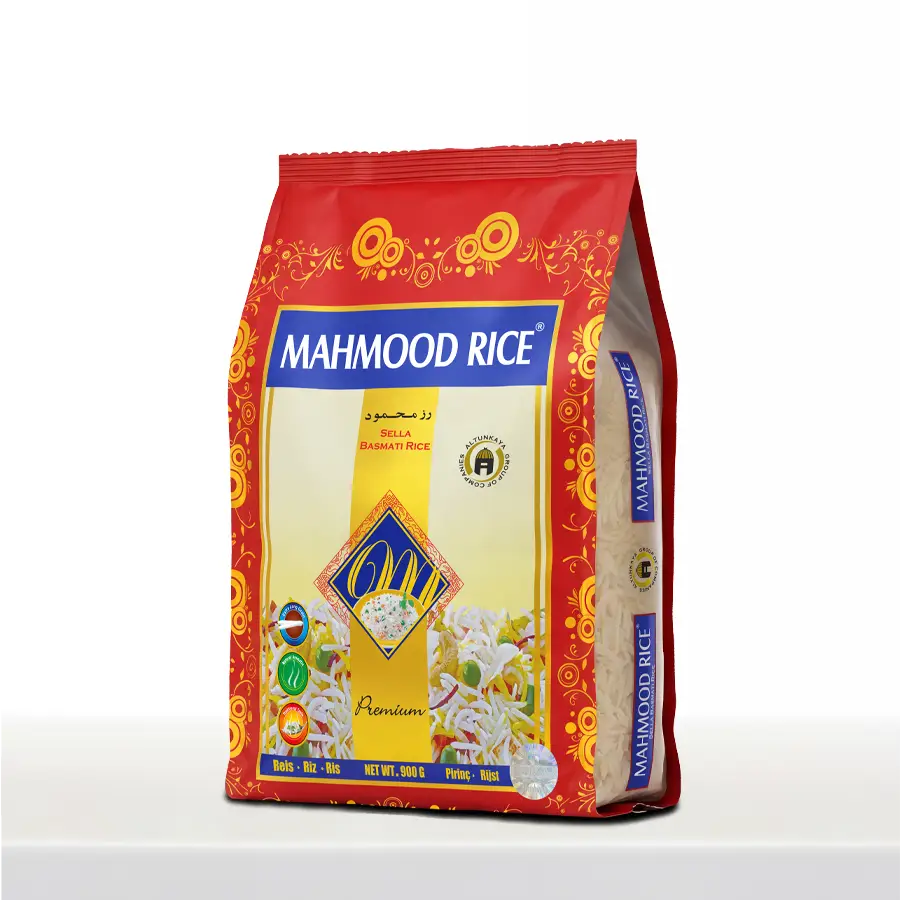
900 gr
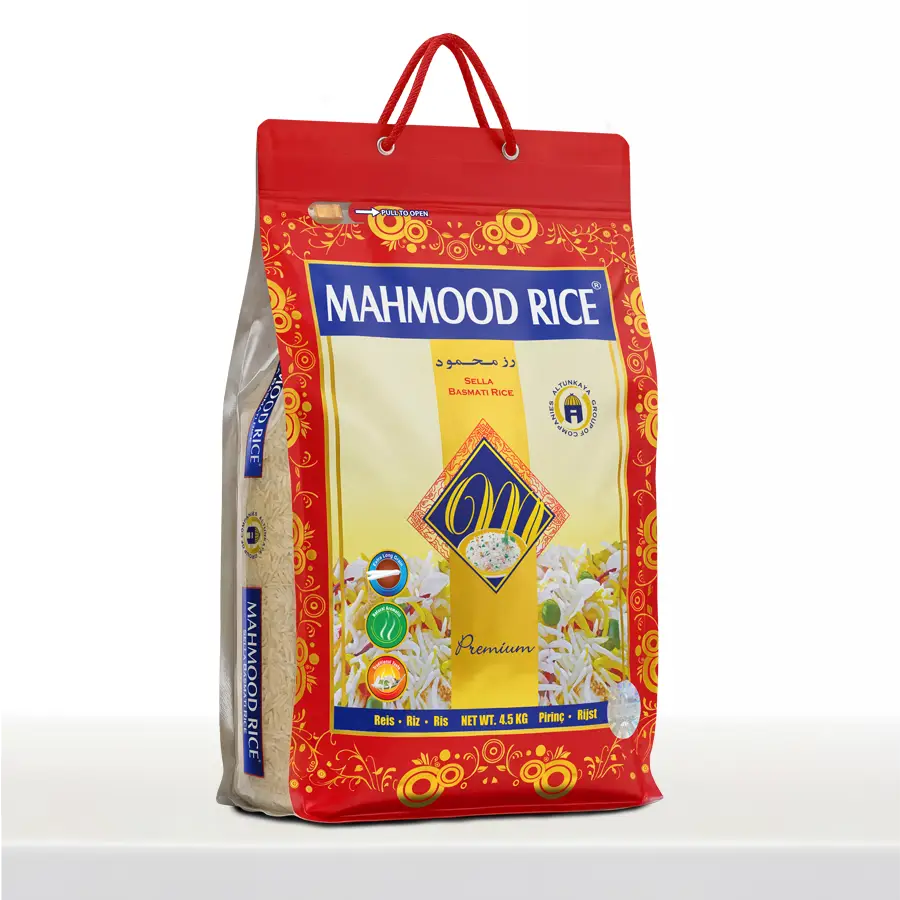
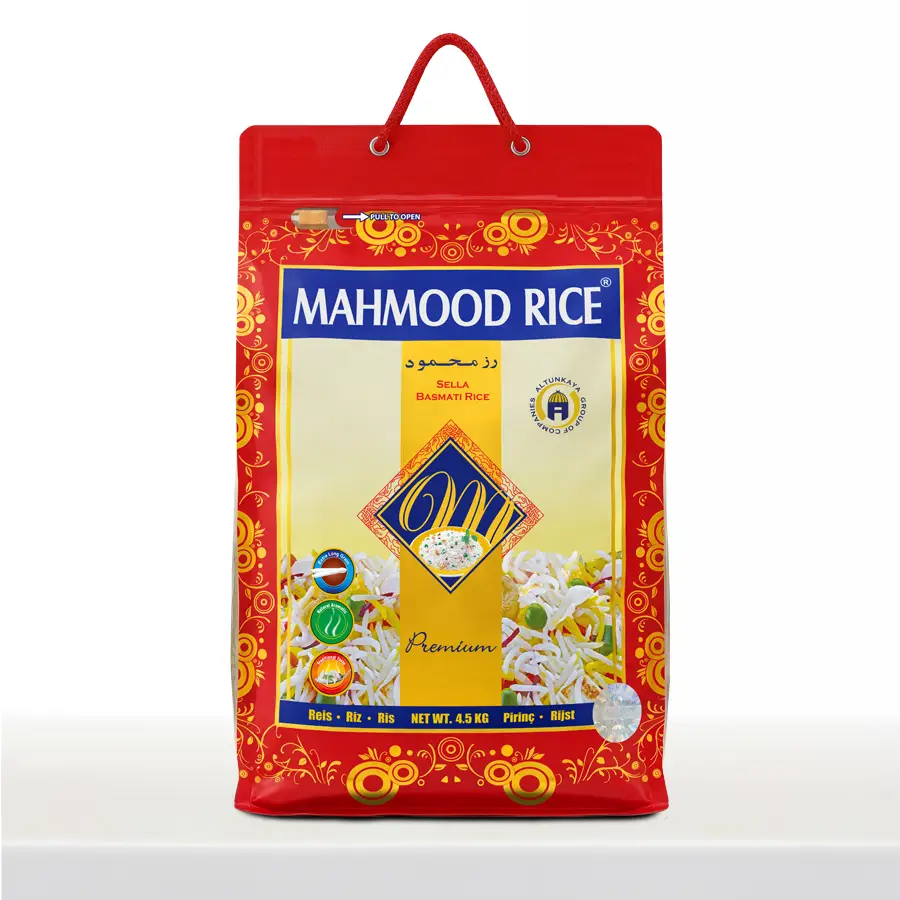
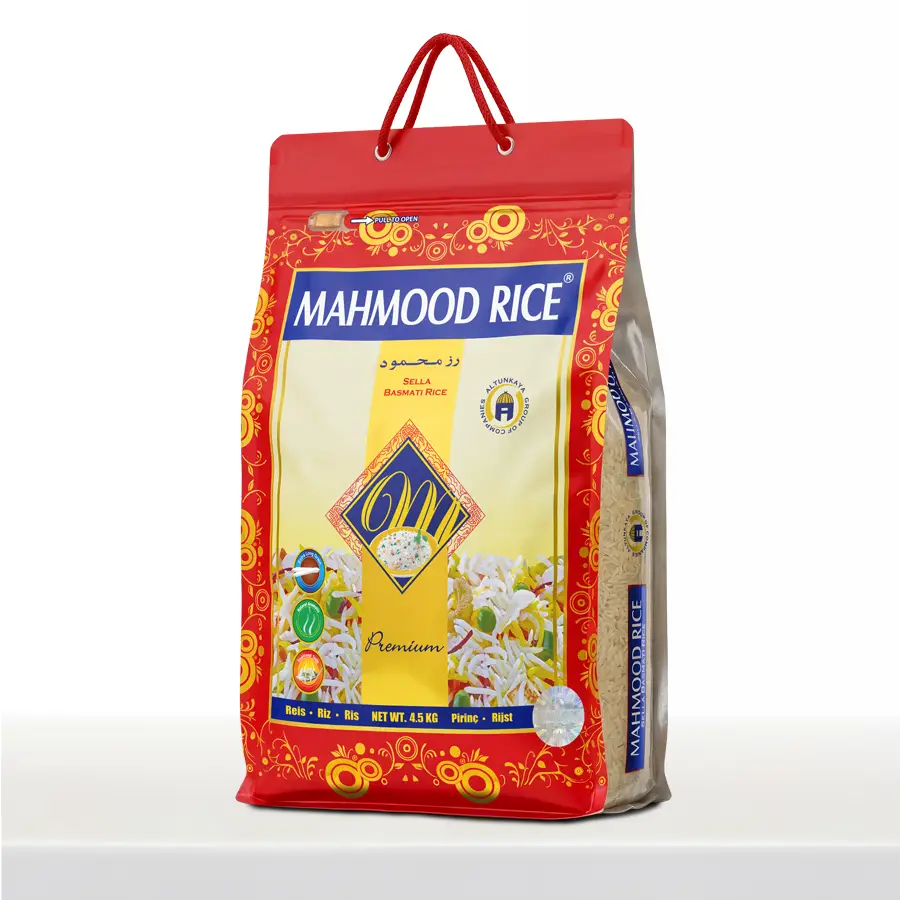
4,5 Kg
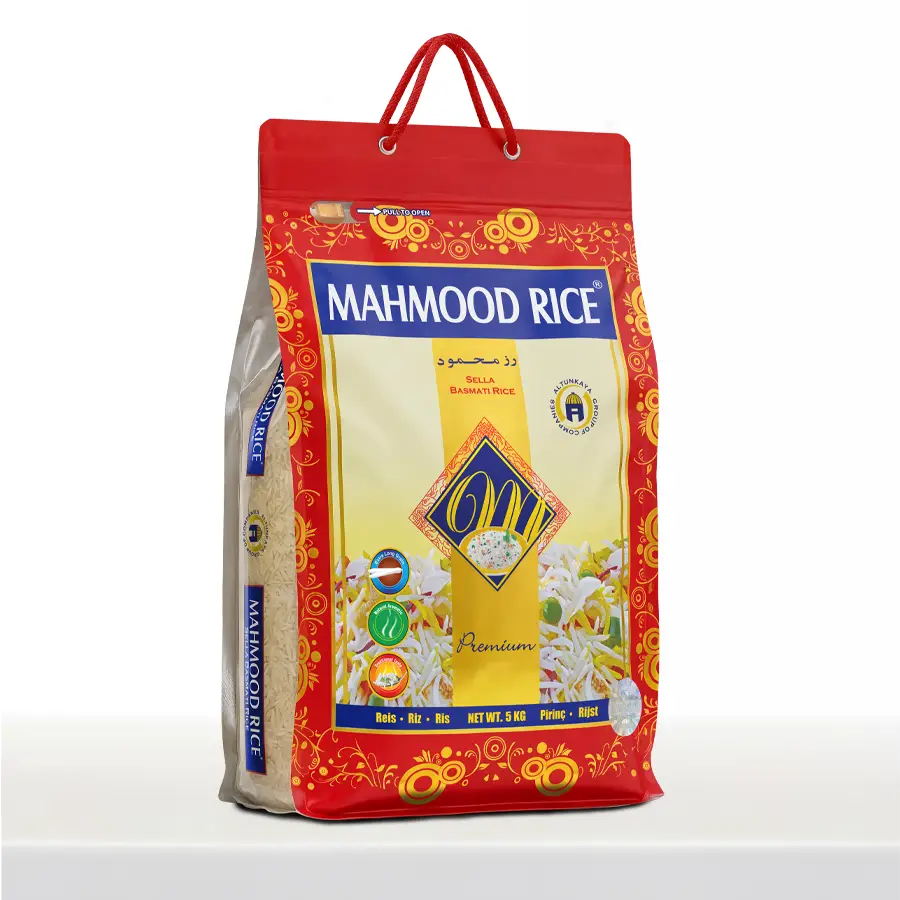
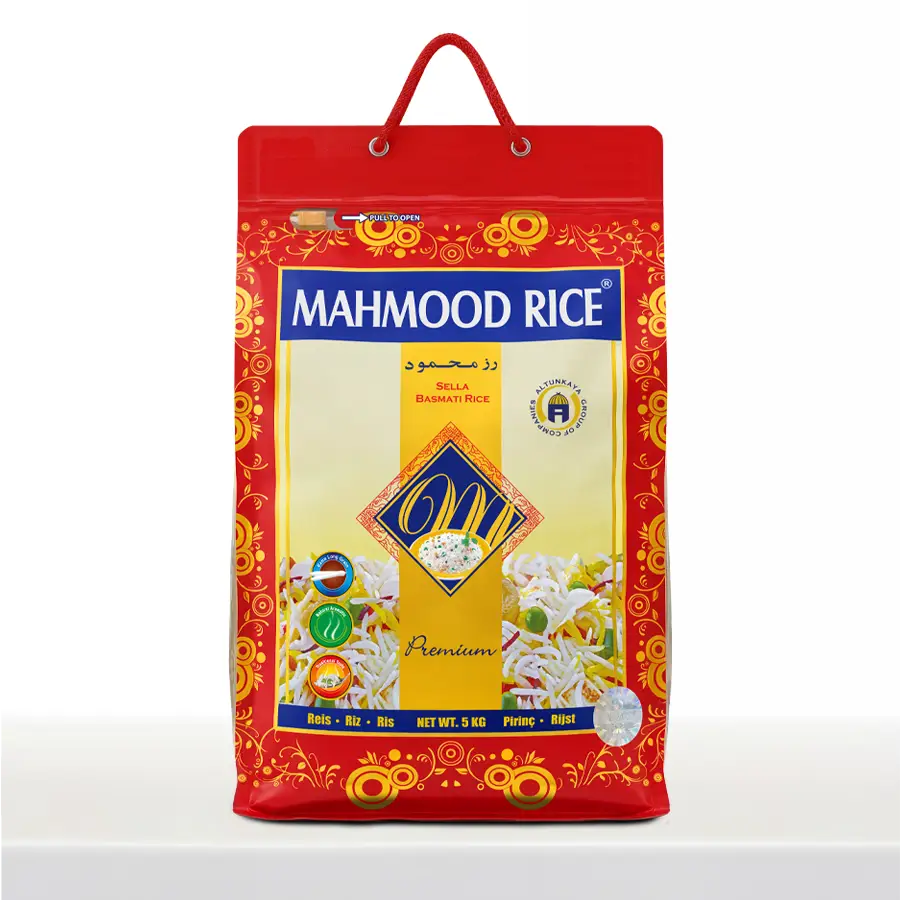
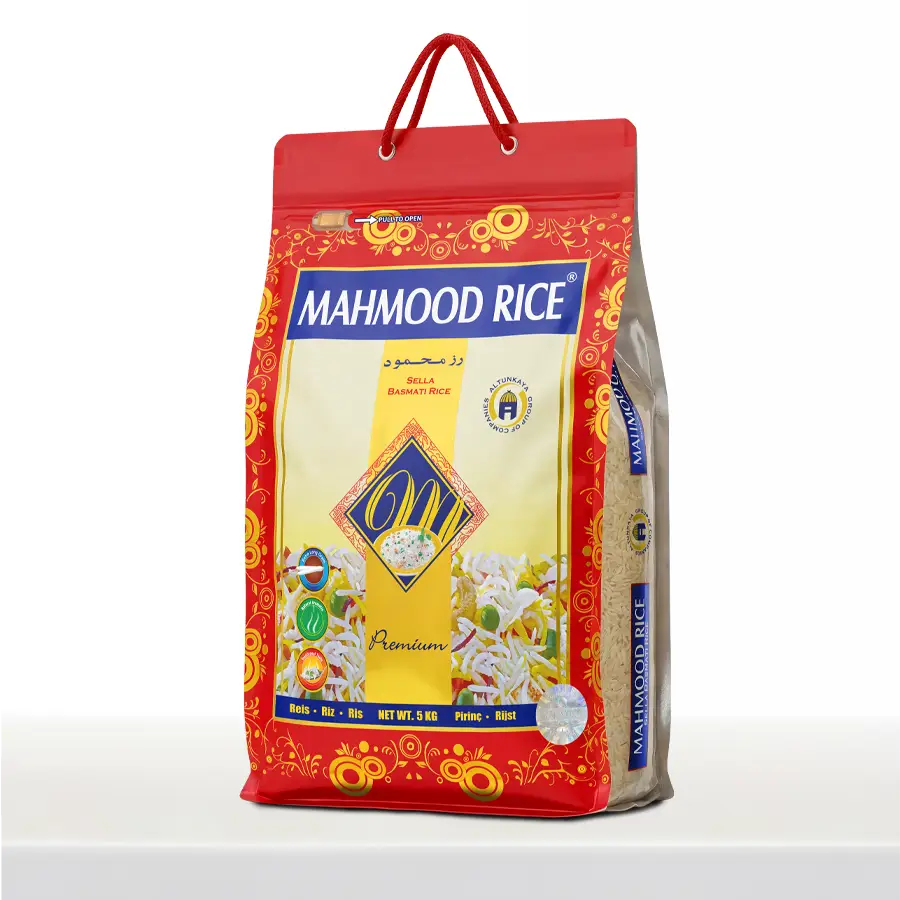
5 Kg
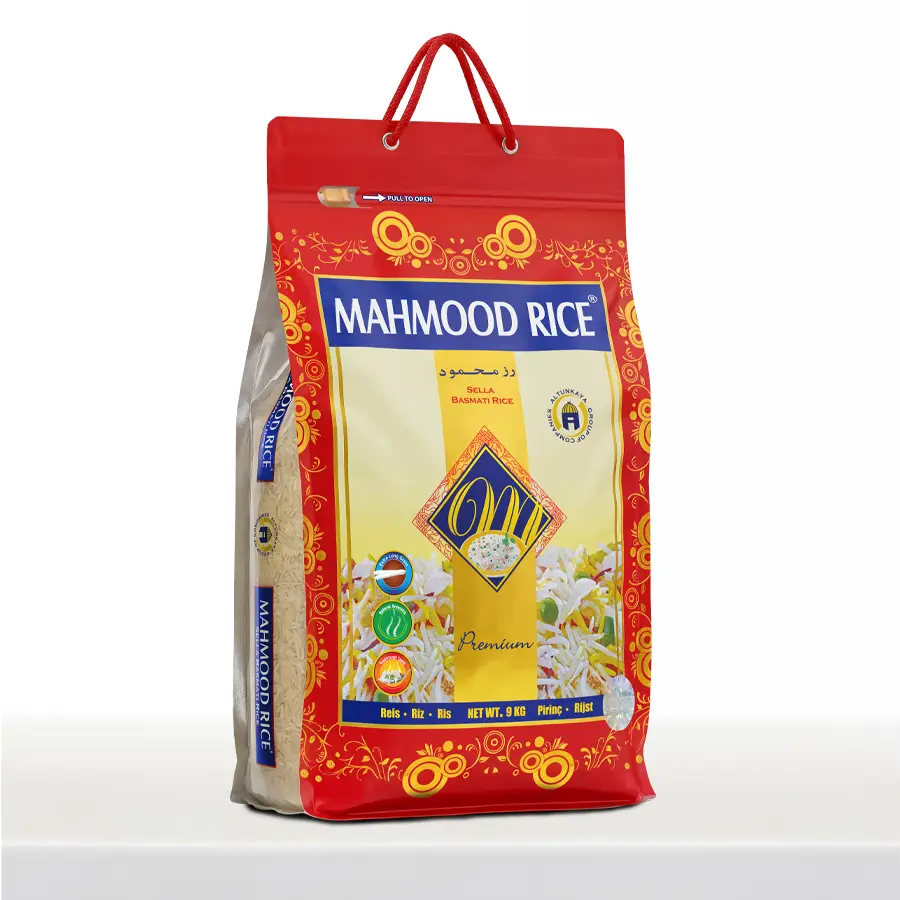
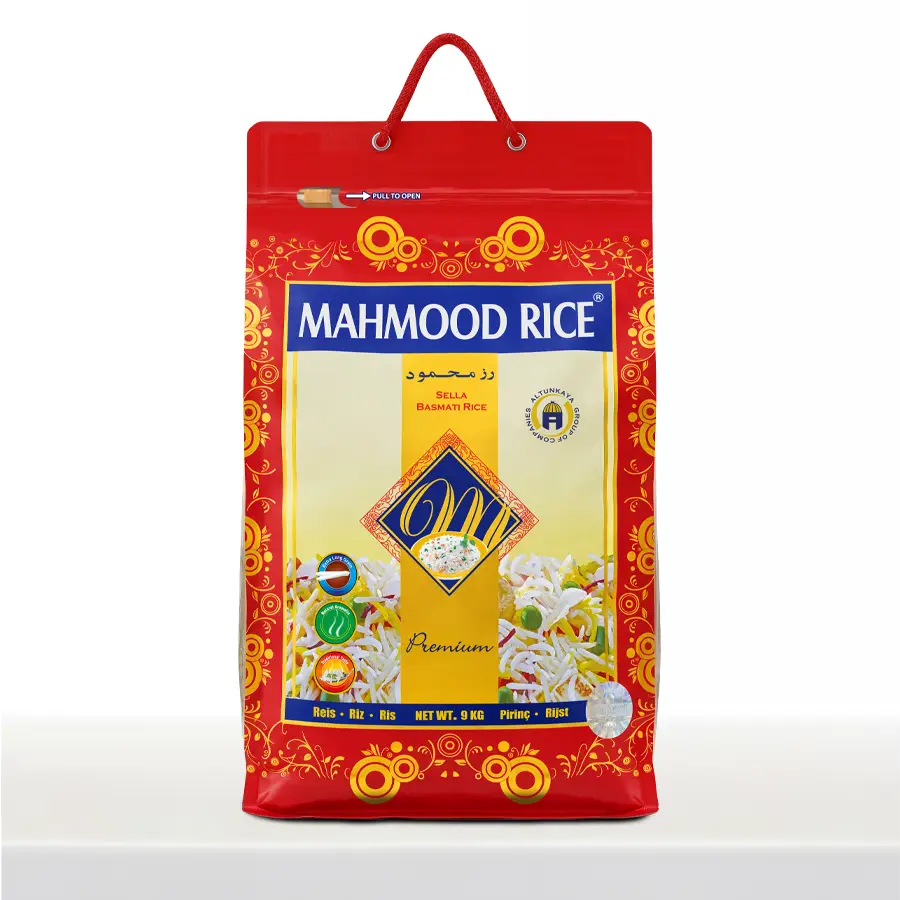
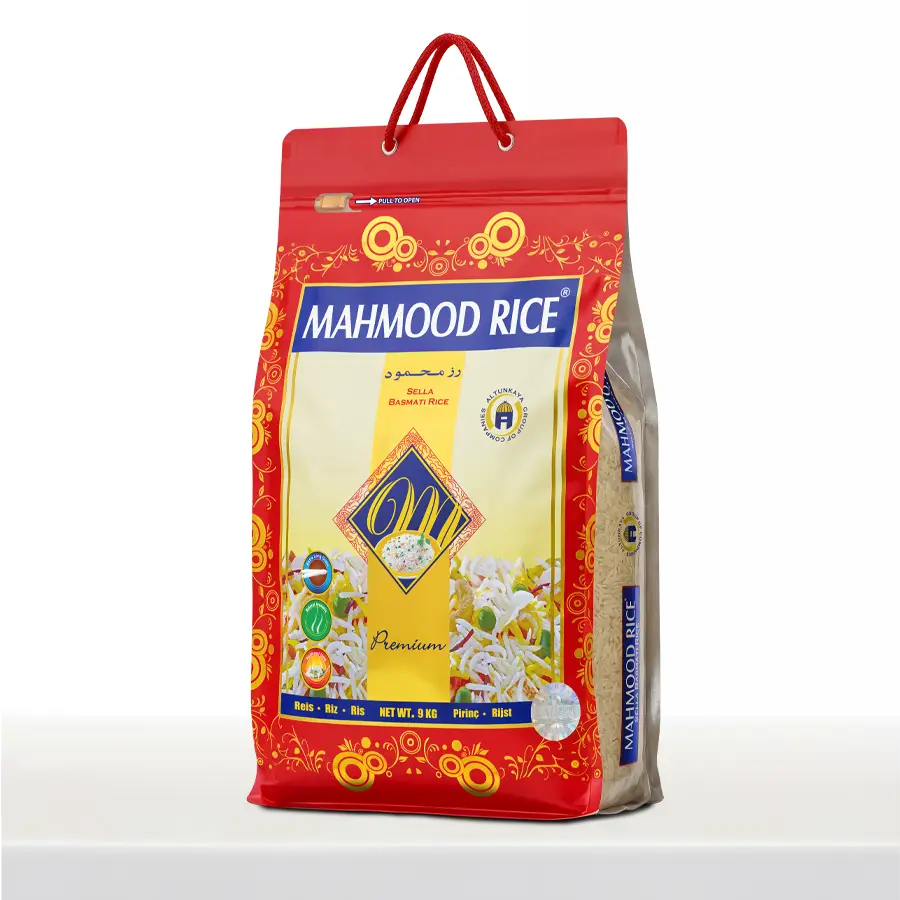
9 Kg
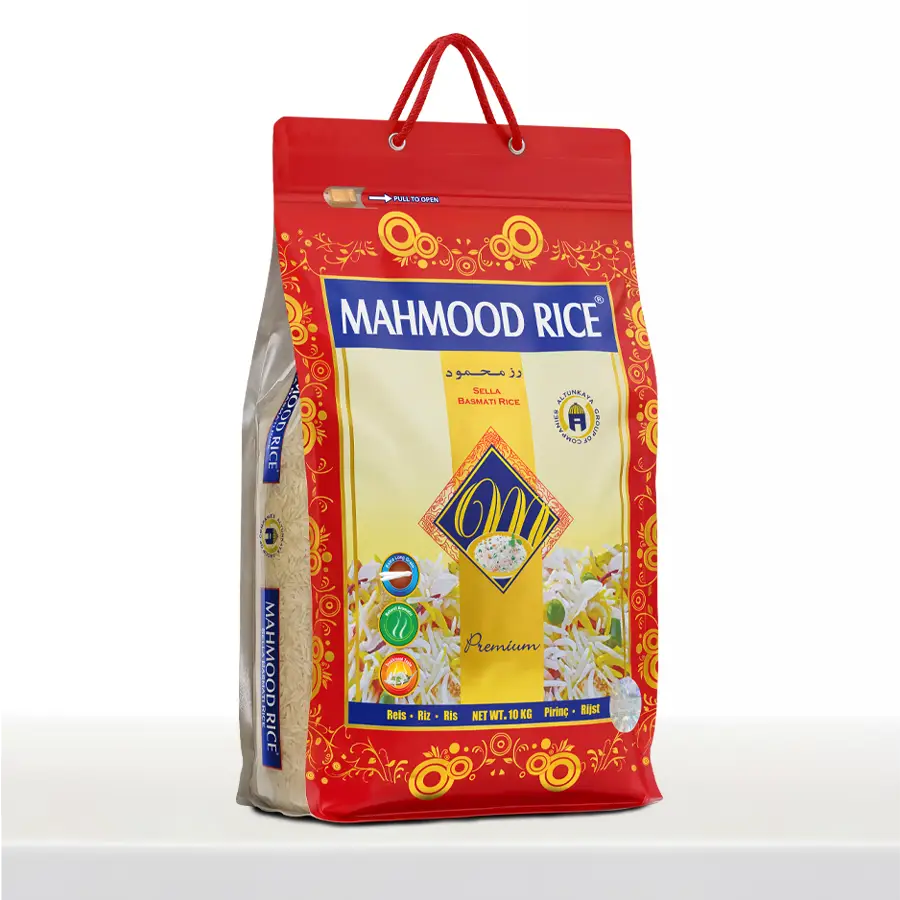
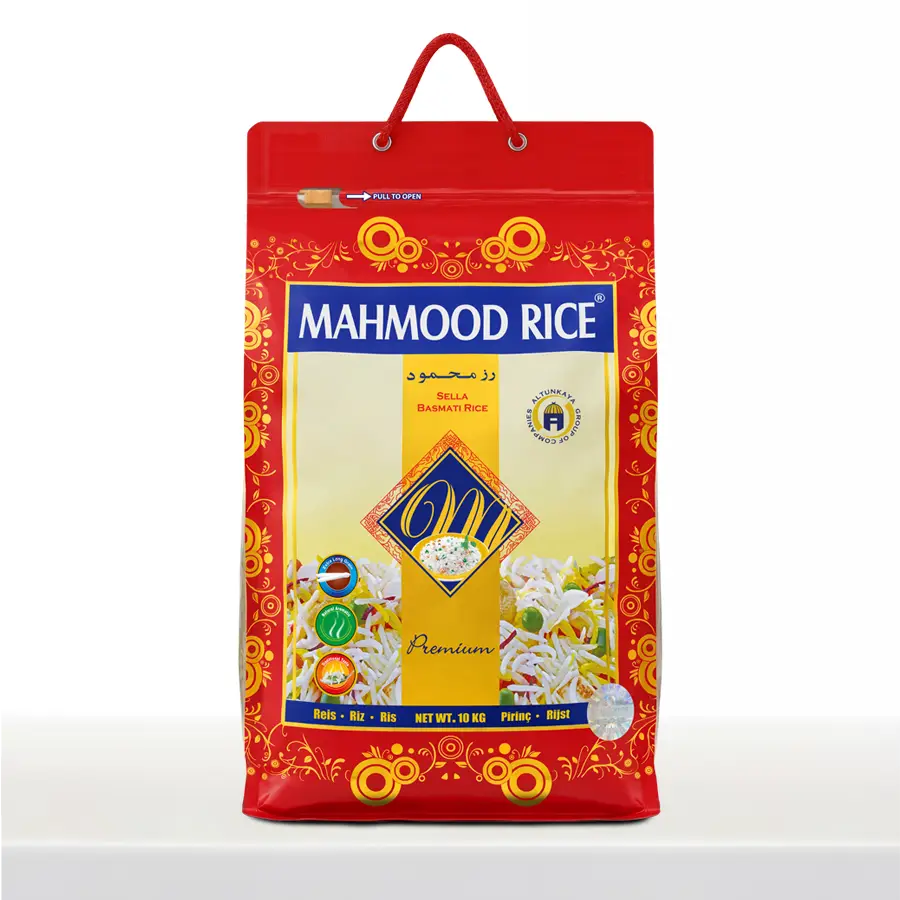
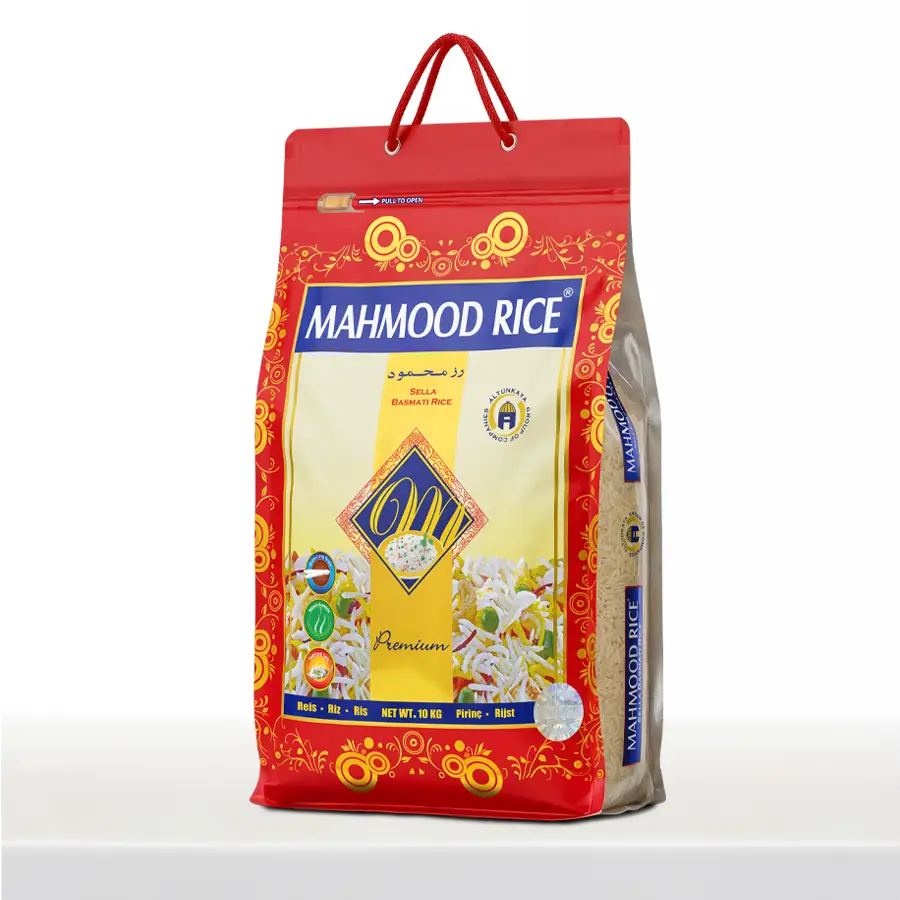
10 Kg
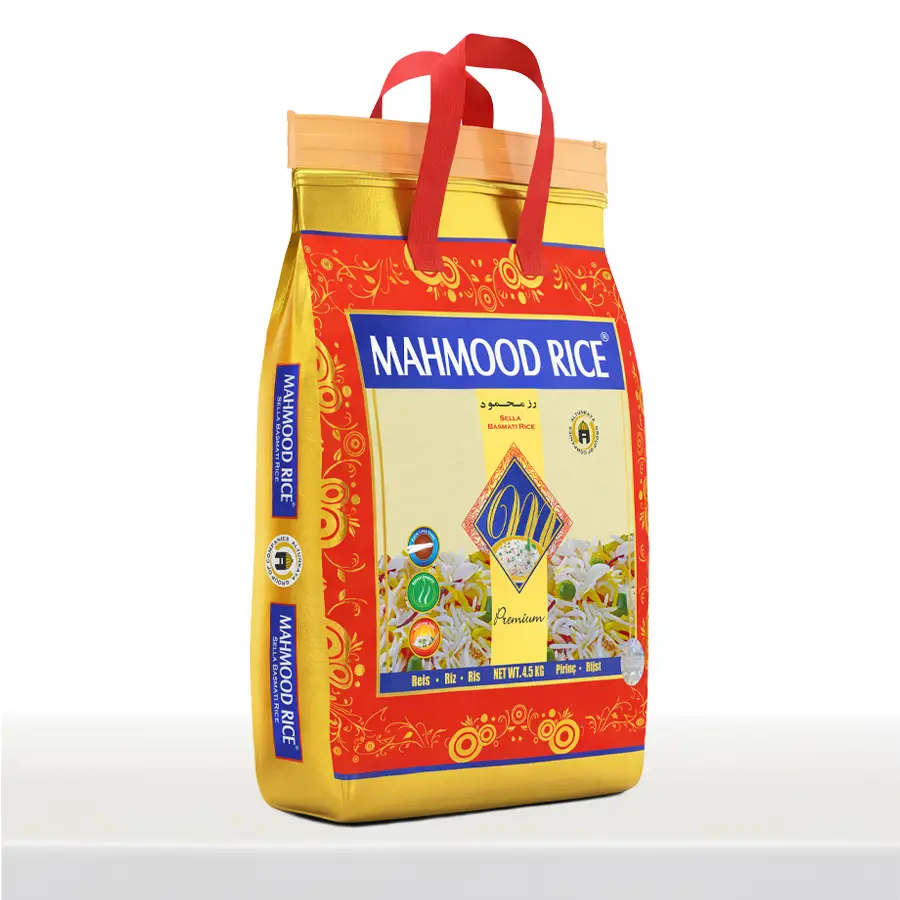
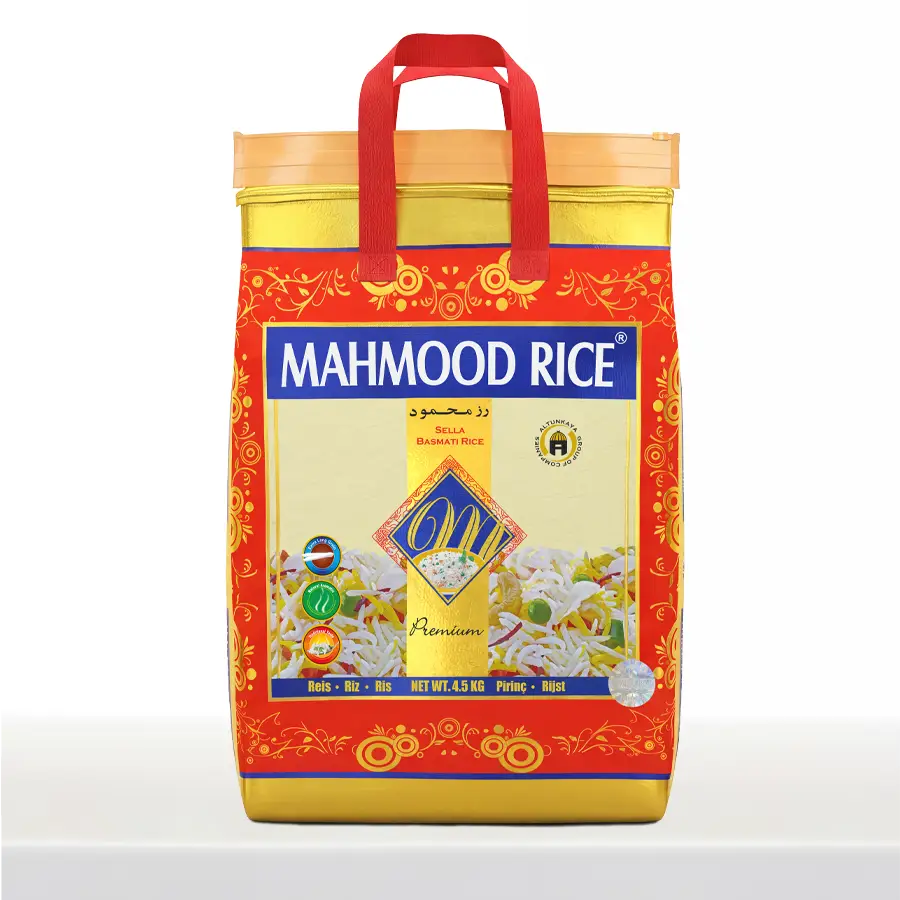
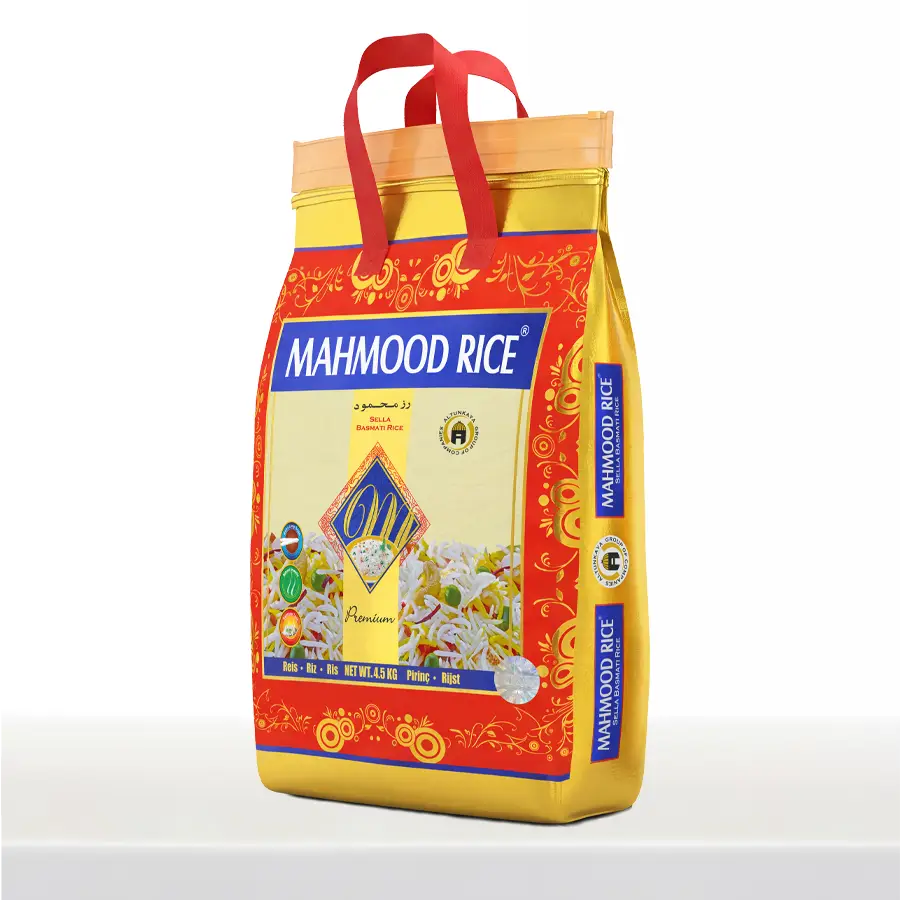
4,5 Kg
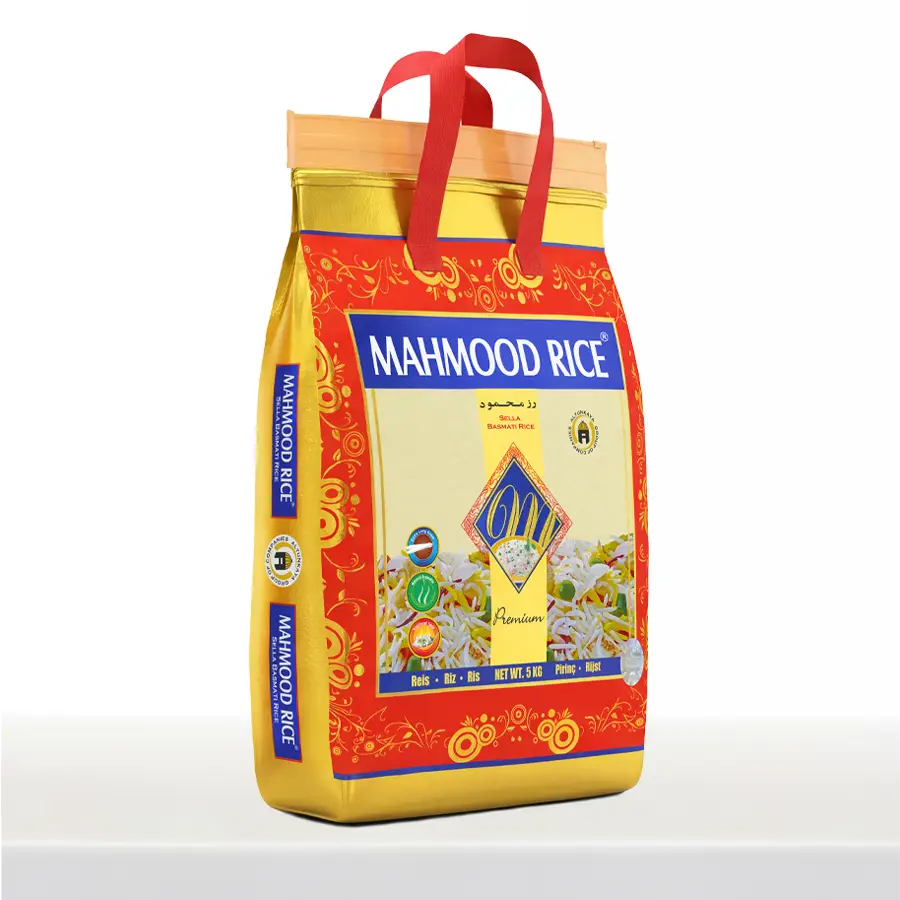
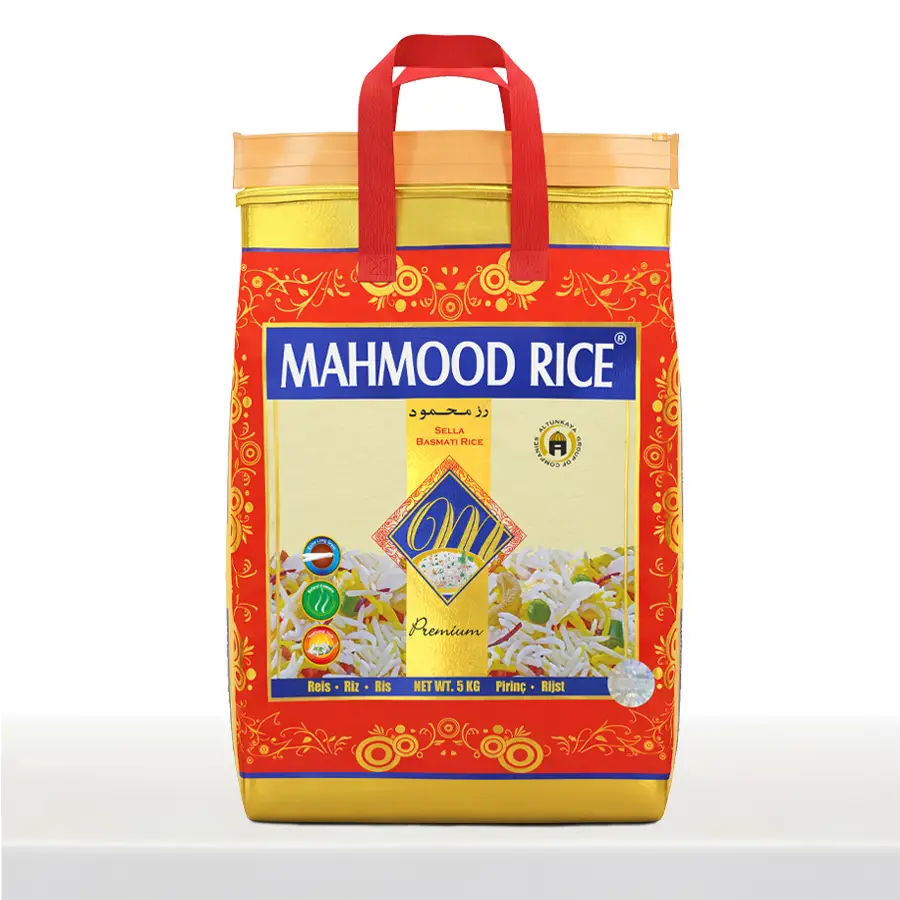
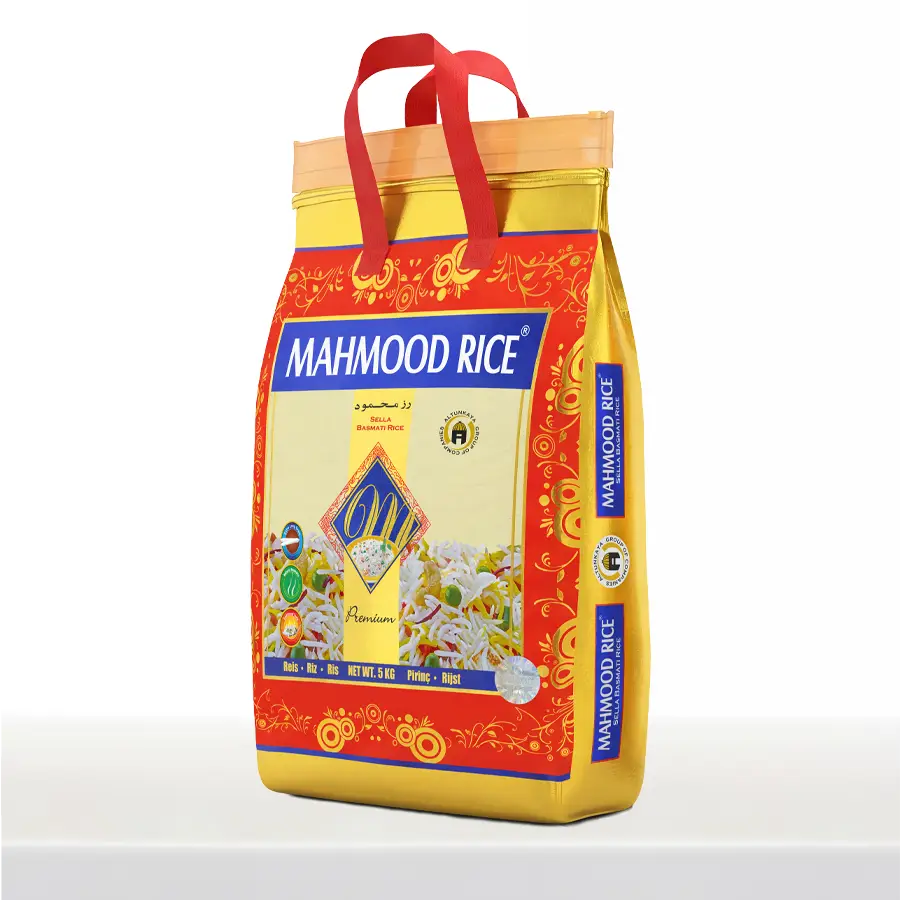
5 Kg
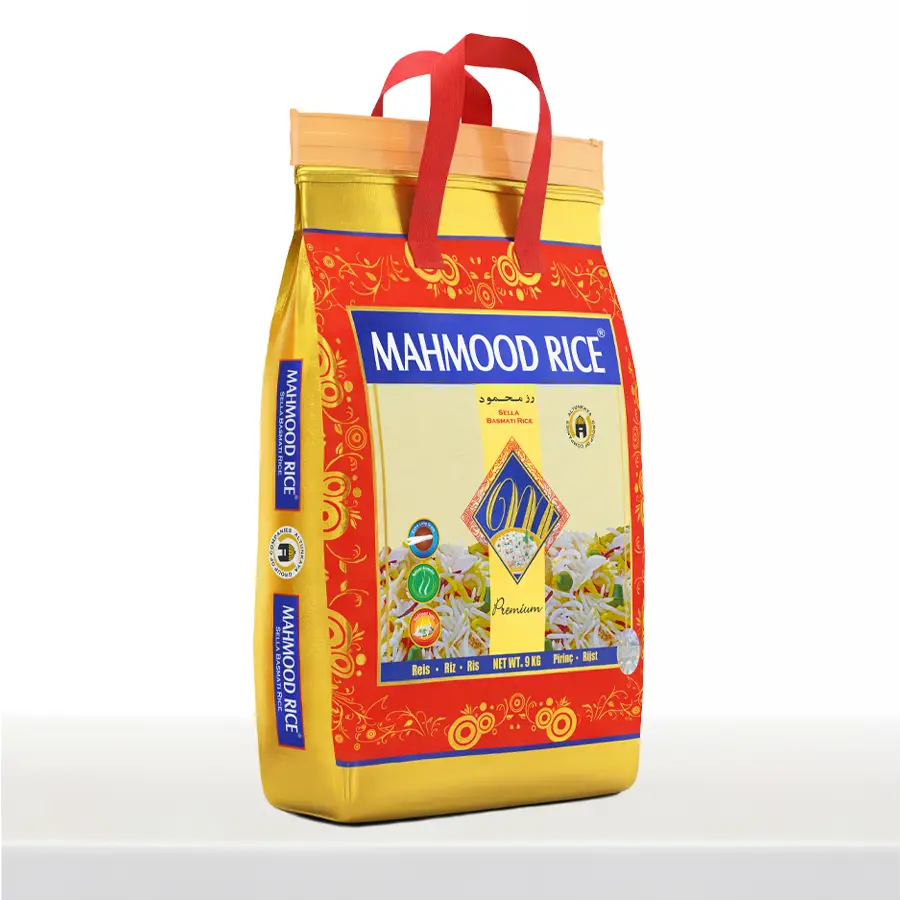
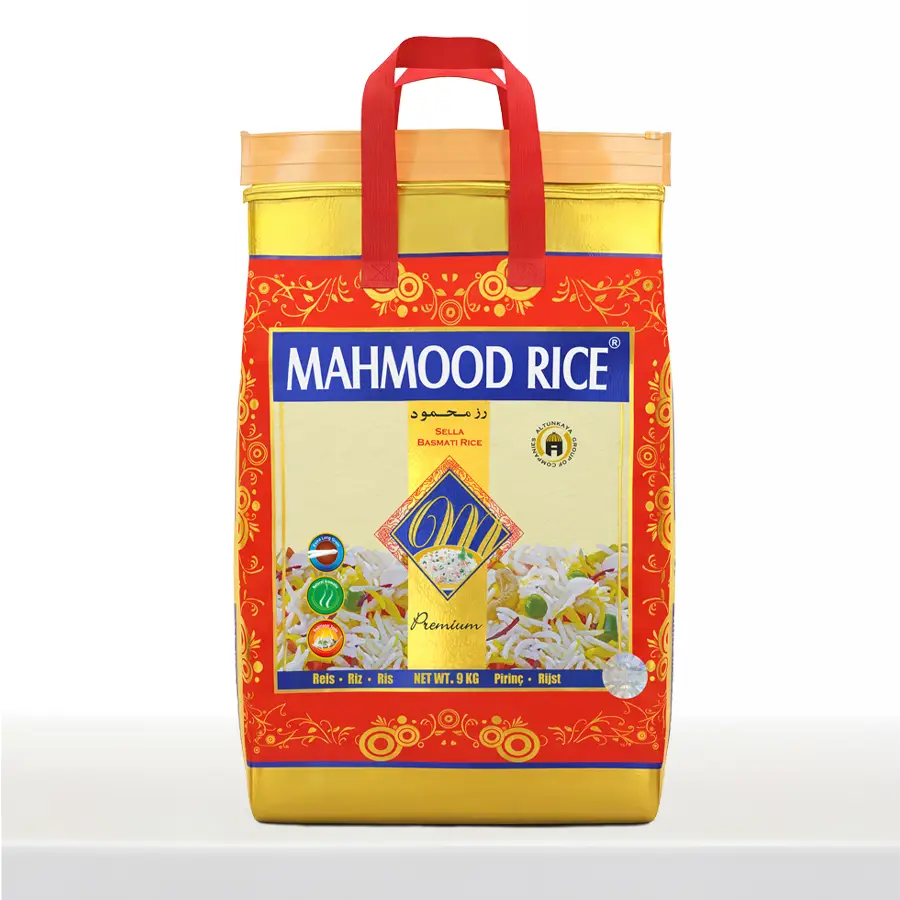
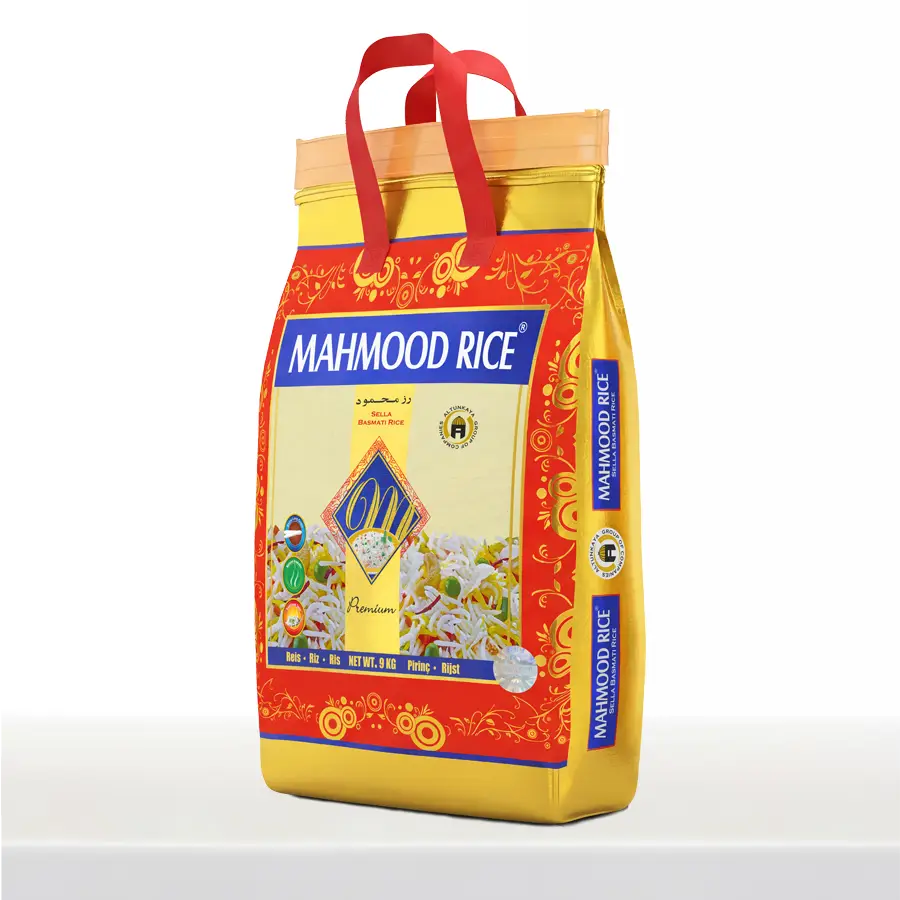
9 Kg
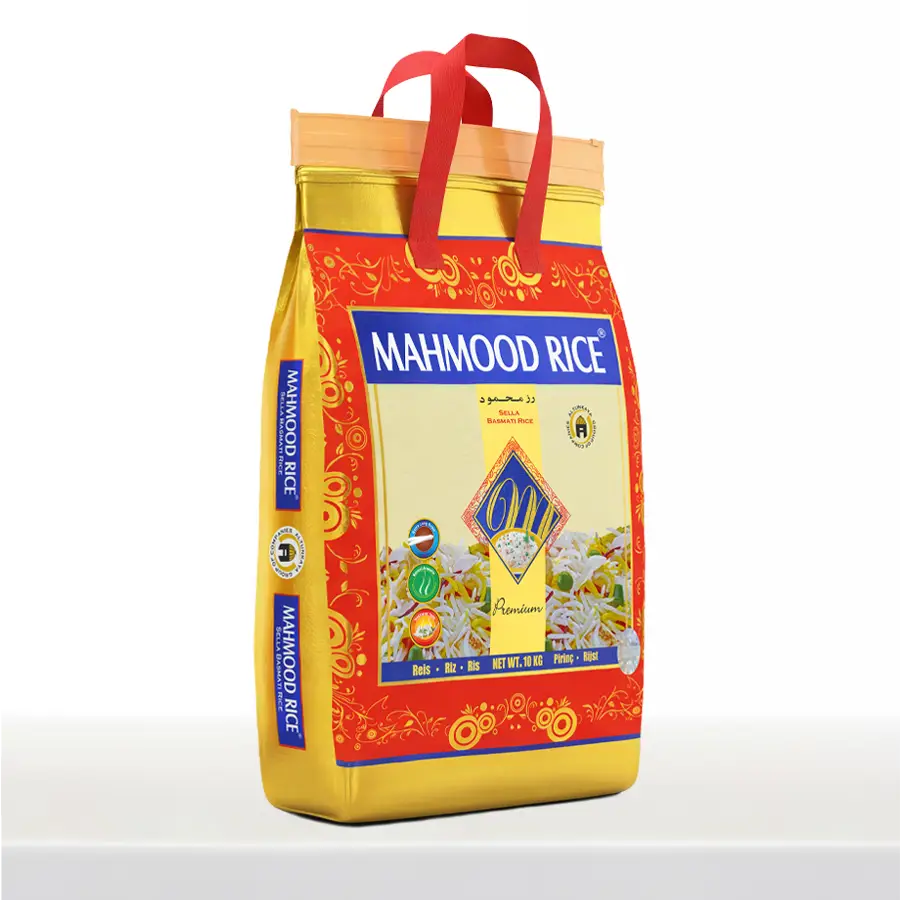
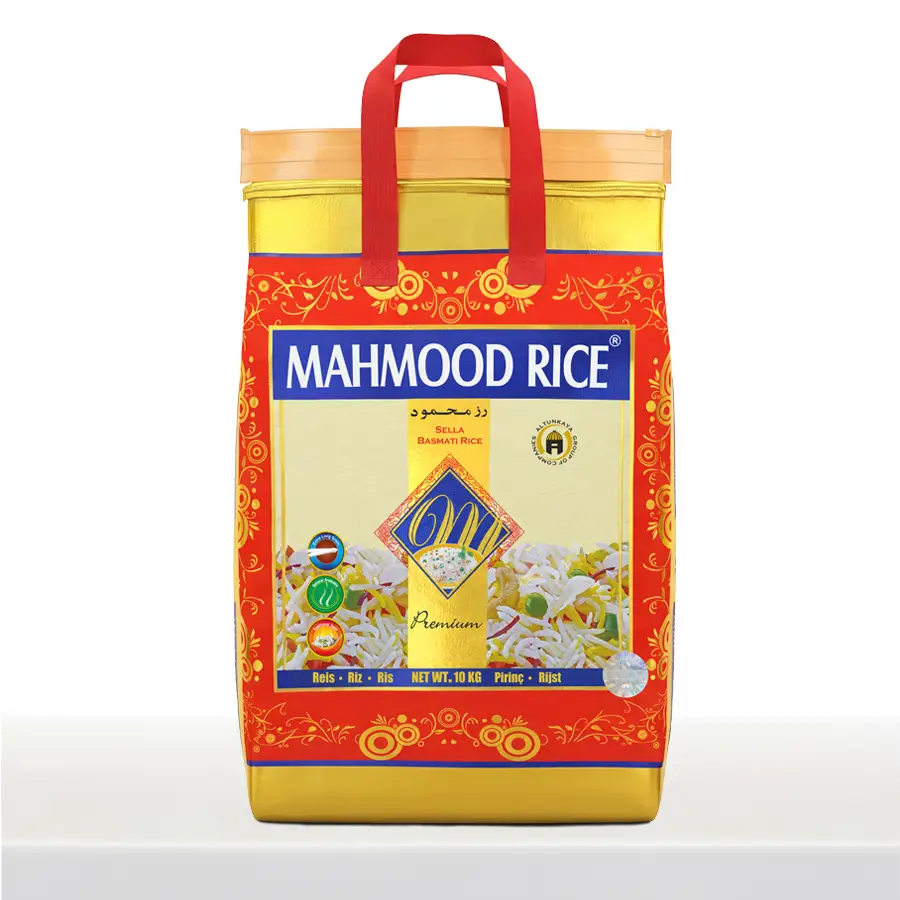
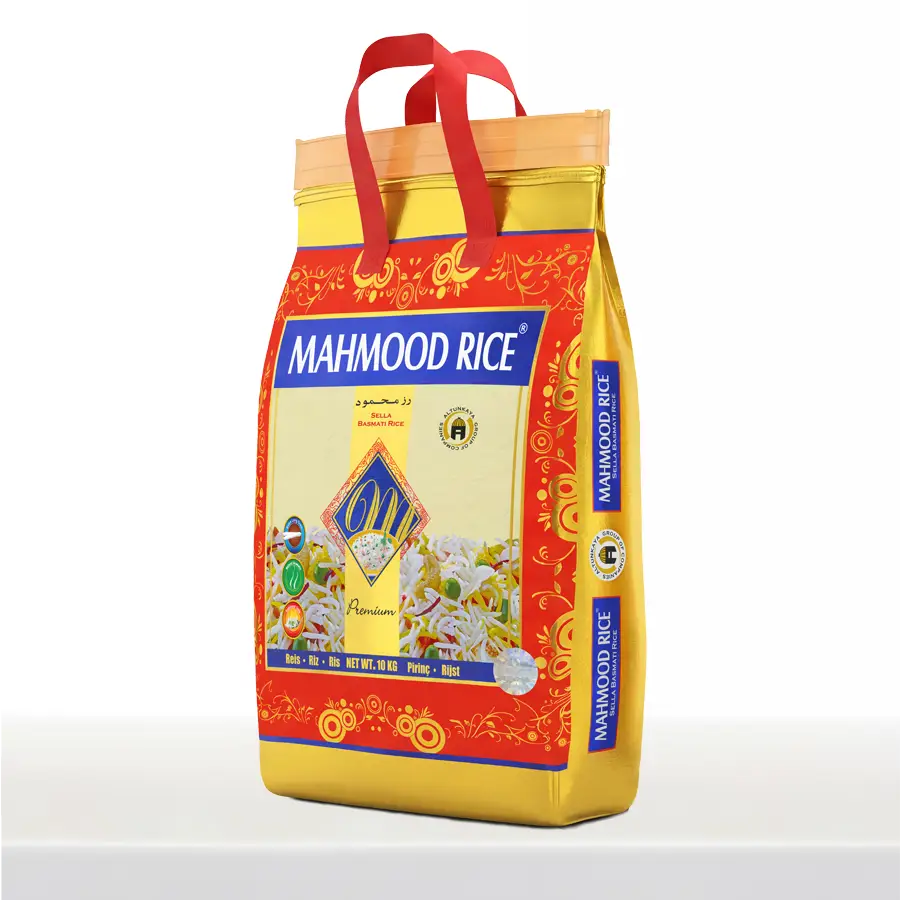
10 Kg
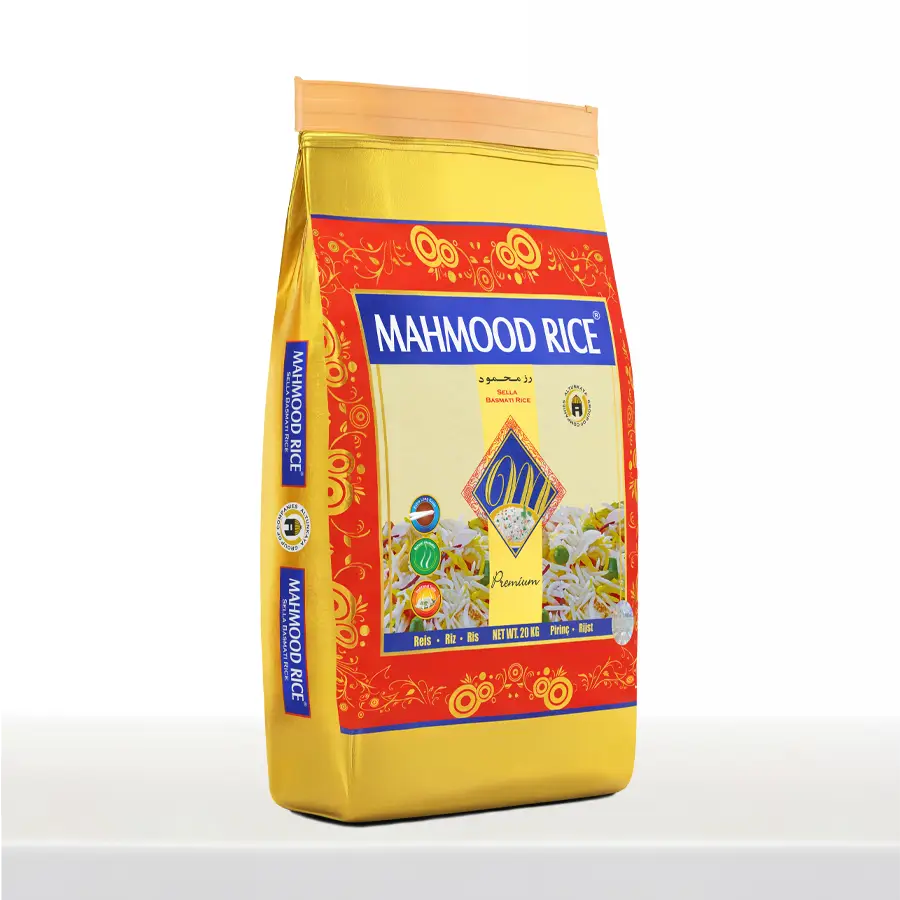
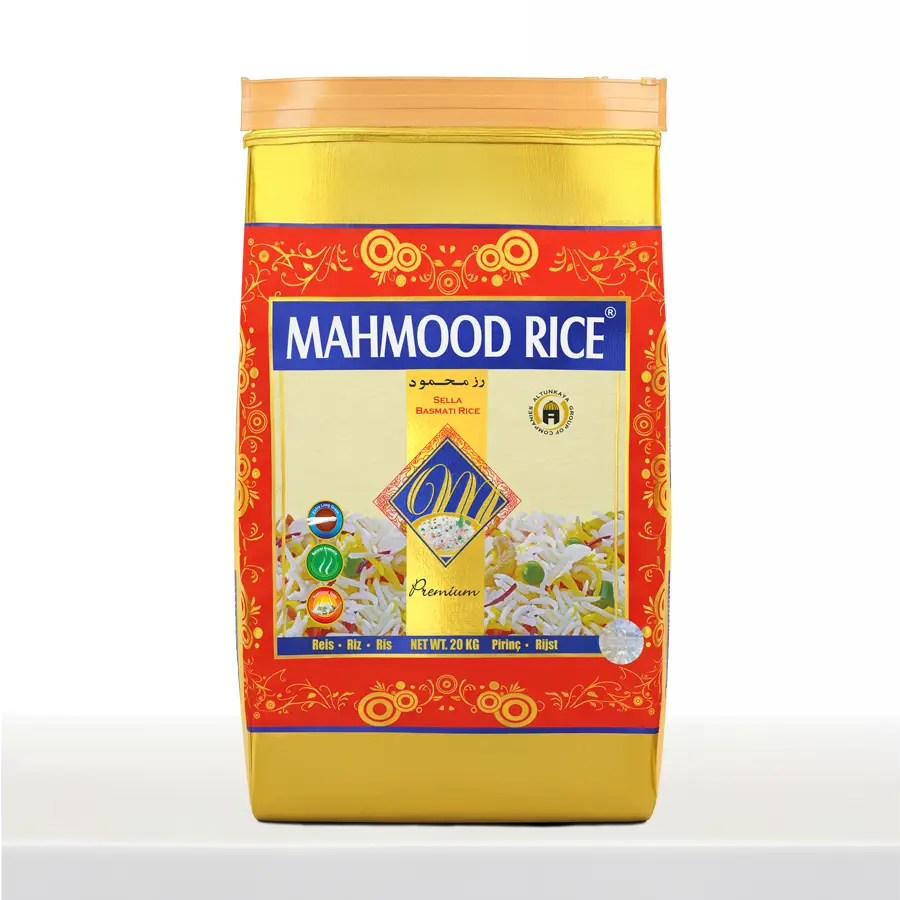
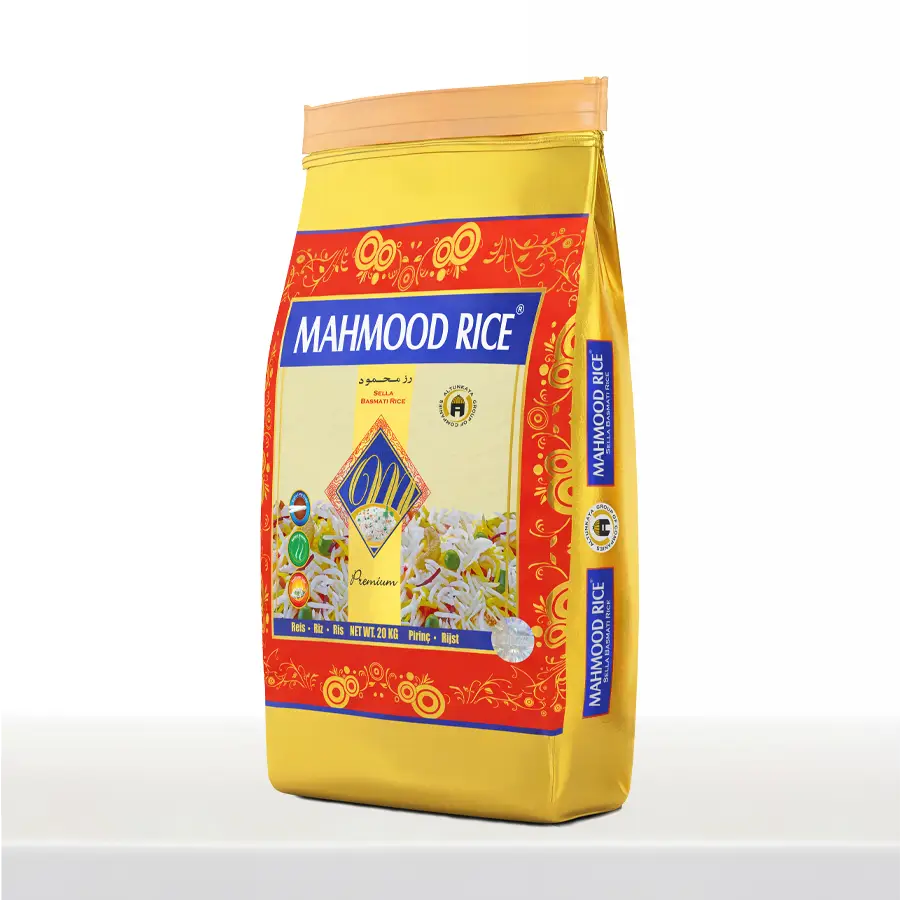
20 Kg
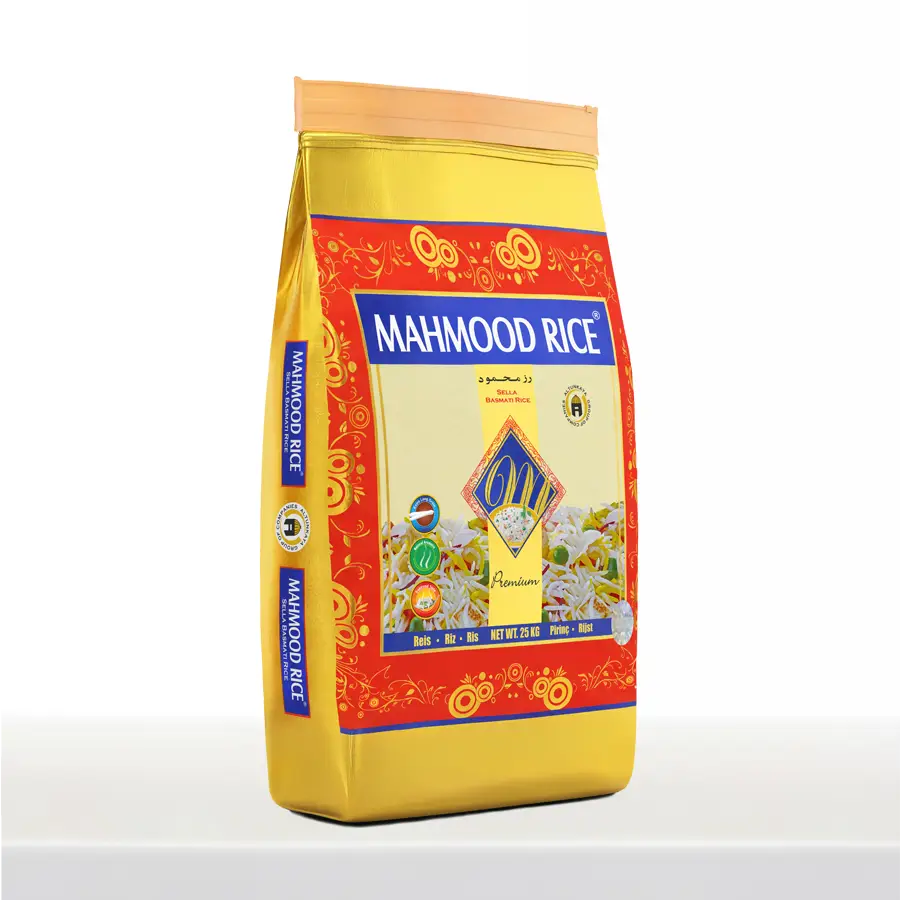
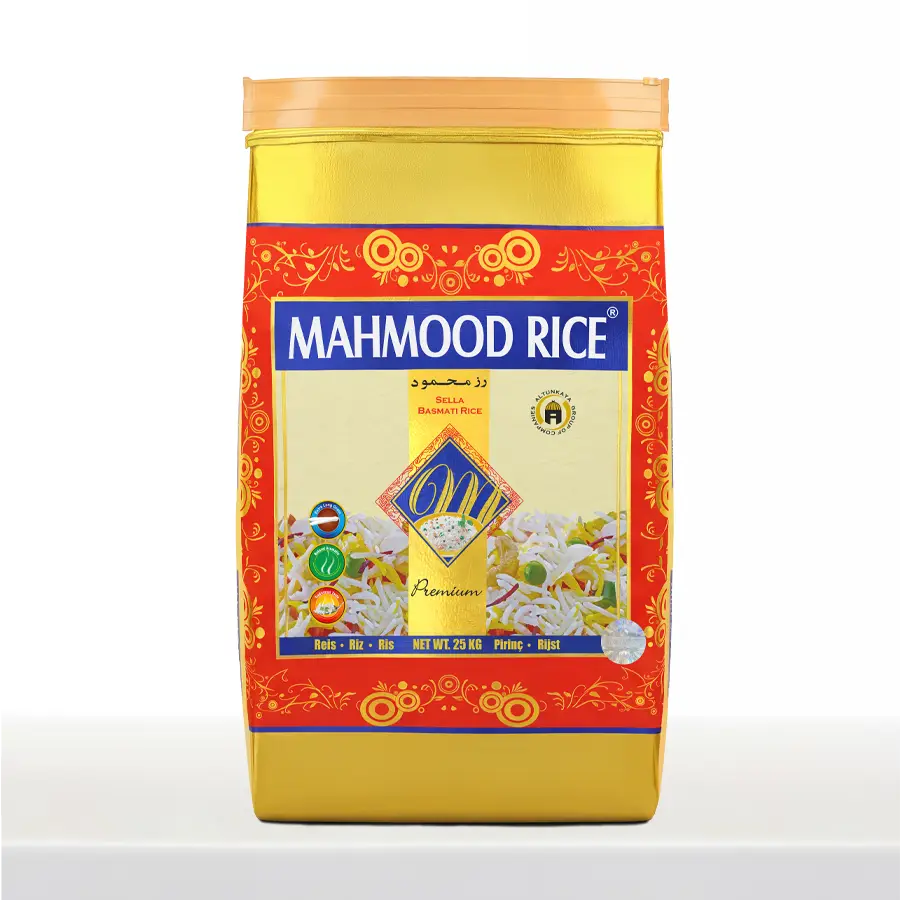
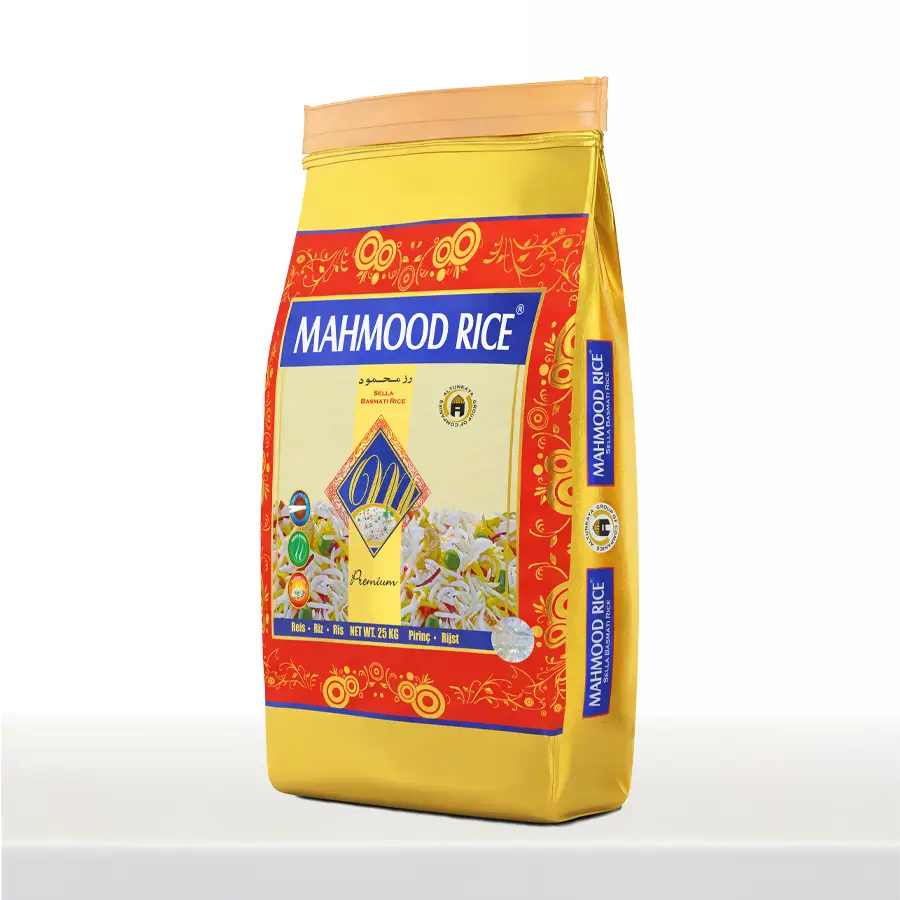
25 Kg
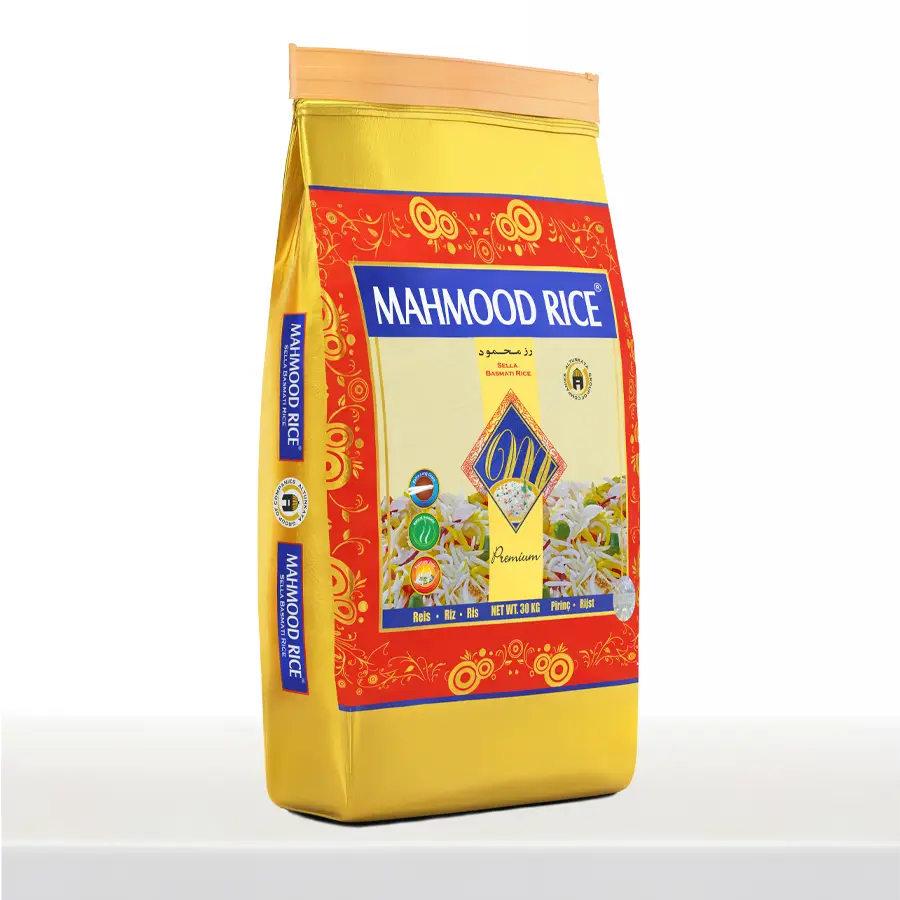
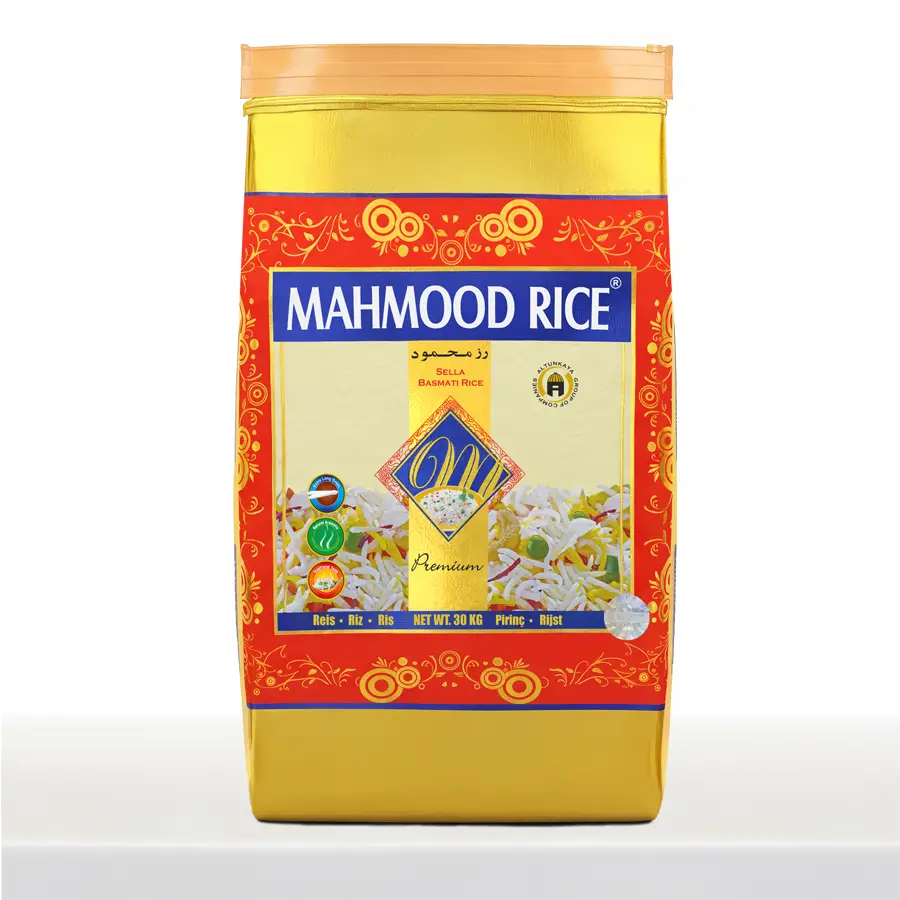
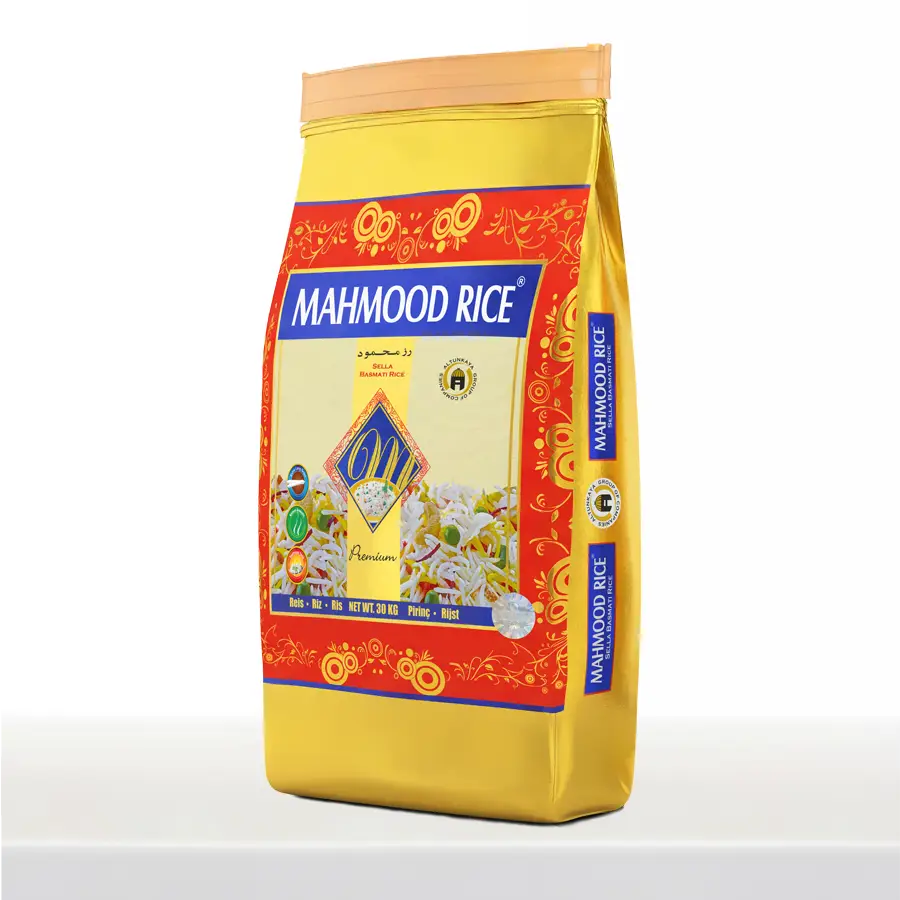
30 Kg
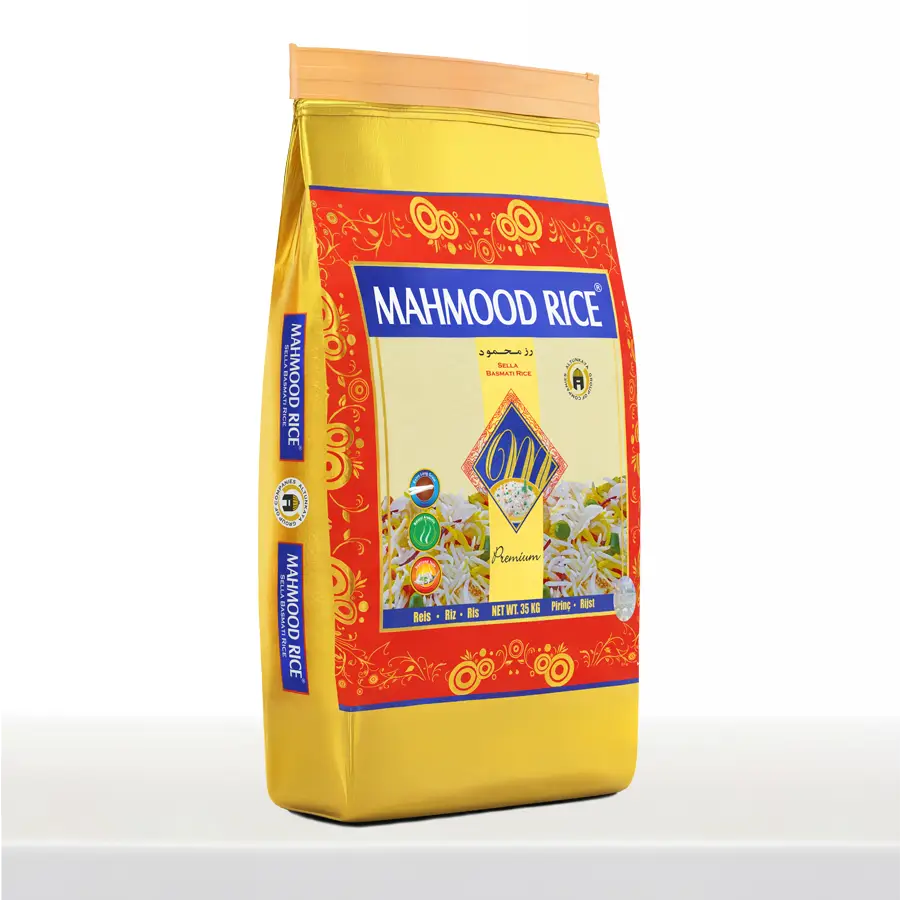
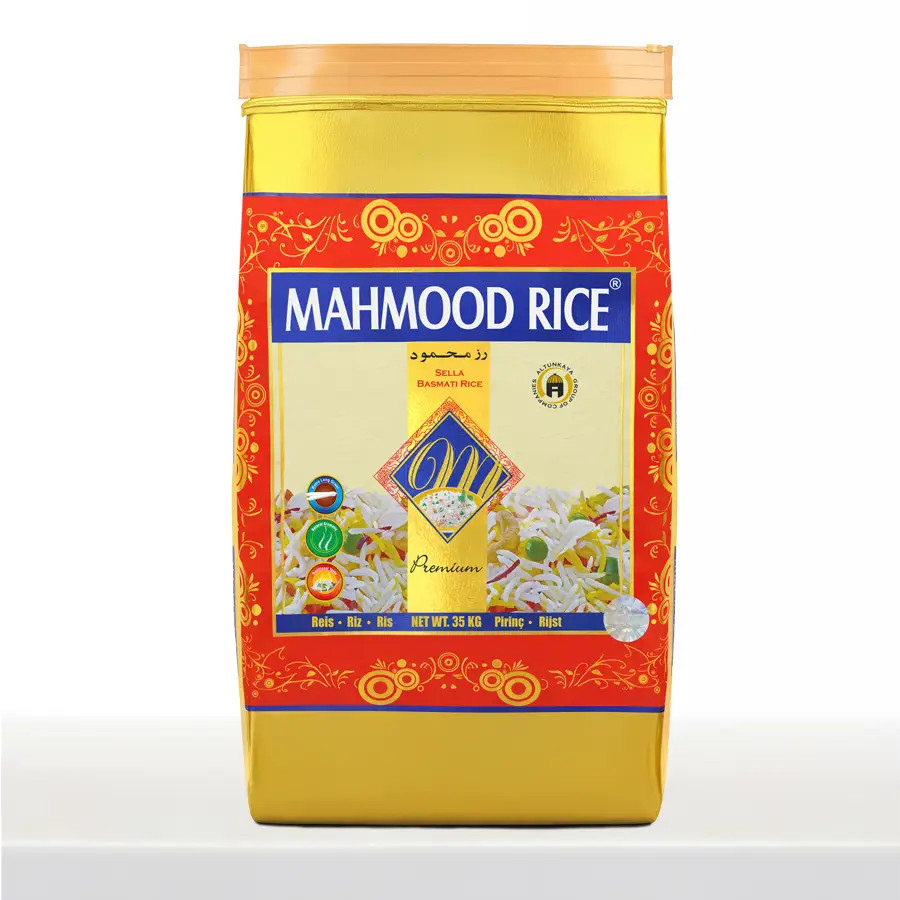
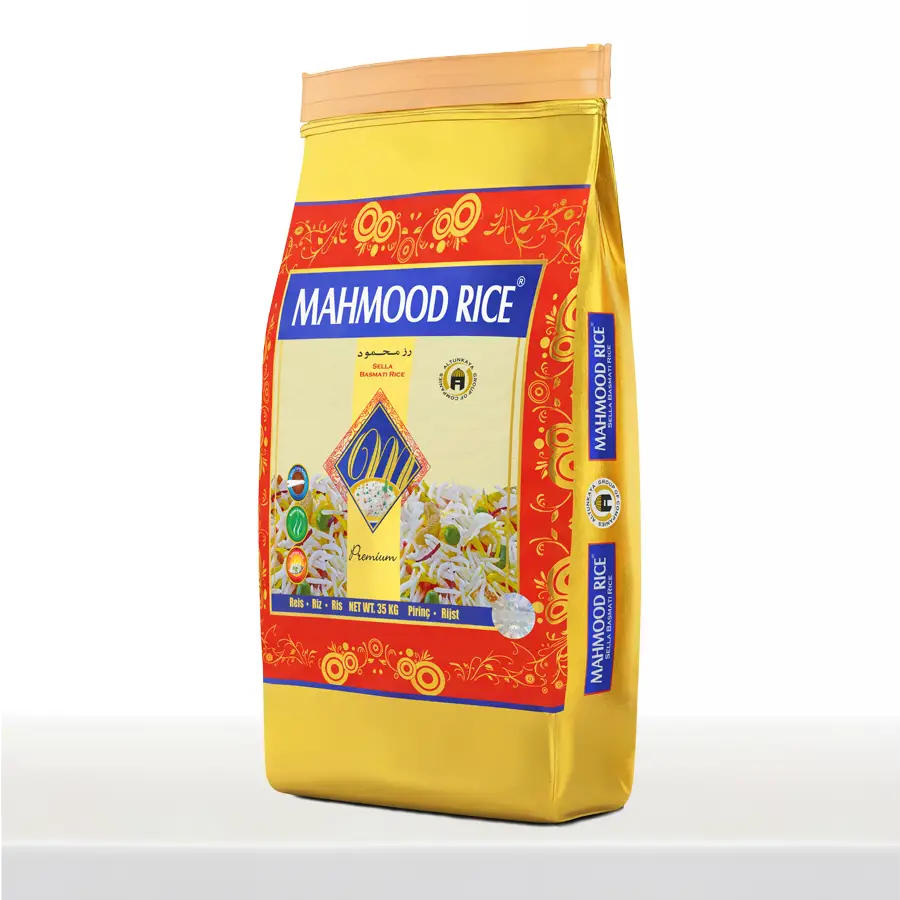
35 Kg
Sella Basmati Rice Features
Sella Basmati Rice is a special variety of basmati rice that undergoes a parboiling process. Thanks to this process, the grains retain their durability and deliver a separate, fluffy texture after cooking.
- When cooked, it becomes approximately twice as long.
- It cooks without sticking, and the grains separate easily.
- Its long, slender grains create elegant and appetizing presentations.
- With its natural aroma and light texture, it brings traditional flavor to modern tables.
Sella Basmati Rice Cooking Instructions
There are several ways to cook Sella Basmati Rice:


1. Before cooking, soak the rice in warm water for 30 minutes, then drain.
2. Place the rice in a microwave-safe container with a lid, add water, and cook at 1000W for about 5 minutes.
3. Then reduce the power and continue cooking at 500W for another 10–12 minutes.
4. Once cooking is complete, let the rice rest for 5–10 minutes.
1. Before cooking, soak the rice in warm water for 30 minutes, then drain.
2. Place the rice in a pot, add fresh water, and cook over medium heat with the lid on for 8–9 minutes.
3. After turning off the heat, let it rest for 5–10 minutes.
1. Before cooking, soak the rice in warm water for 30 minutes, then drain.
2. Add the rice and water to the rice cooker; use the white rice setting or automatic mode.
3. Once cooking is complete, let the rice rest for 5–10 minutes.
1. Before cooking, soak the rice in warm water for 30 minutes, then drain.
2. Preheat the oven to 400°F. Add water to an oven-safe dish with a lid and bring it to a boil.
3. Add the rice to the boiling water and cook with the lid on for 20–25 minutes.
4. Once cooking is complete, let the rice rest for 5–10 minutes.
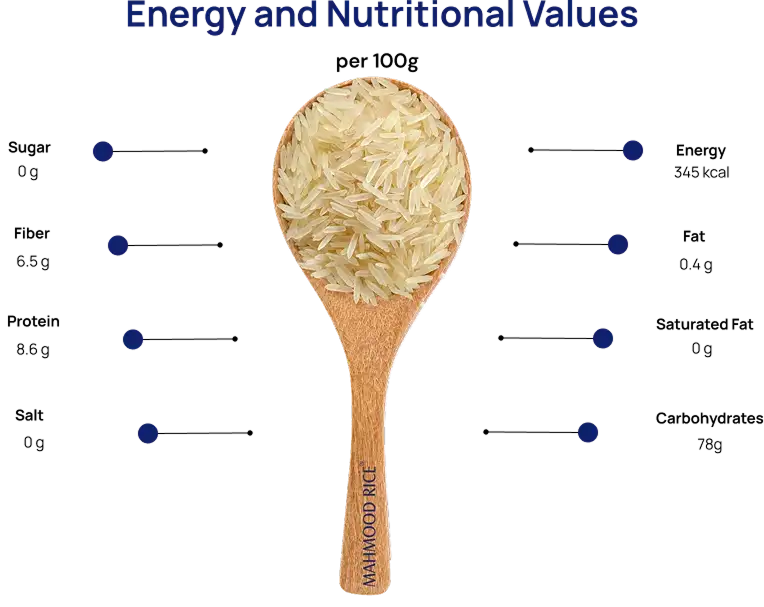
Thanks to its natural composition, Sella Basmati Rice contains no saturated fat, sugar, or gluten. As a source of carbohydrates, it stands out with its low starch content. It can be included in balanced meal plans and offers a practical option for everyday eating. With its light texture, it is an ideal choice especially for those who exercise, those who prioritize healthy eating, and those who prefer lighter meals.
Known for its versatility, Sella Basmati Rice delivers excellent results in both traditional recipes and international cuisine. Thanks to its long-grain structure and firm texture after cooking, it helps create impressive and flavorful presentations. Holding an important place especially in Middle Eastern cuisine and the cuisine of the Indian subcontinent, Sella Basmati Rice stands out in many special recipes with its aromatic character and separate, fluffy texture.
Sella Basmati Rice can be used in a wide variety of dishes, from rice pilafs and stuffed vegetables to oven-baked dishes and cold salads. It pairs well with spiced dishes while also expressing its flavor in a balanced way in simpler recipes. It is especially an ideal choice for traditional and aromatic dishes such as biryani.
- Use 2 cups of water for every 1 cup of rice.
- Before cooking, soak the rice in warm water for 30 minutes, then drain.
- Place the rice in a pot and add fresh water.
- Cook over medium heat with the lid on for 8–9 minutes.
- After removing it from the heat, let it rest for 5–10 minutes without opening the lid.
- Your rice is ready to serve.
Soaking helps the rice grains absorb water more evenly. As a result, the grains expand more consistently during cooking, develop a longer appearance, and separate more easily.
When done for the proper amount of time, soaking improves cooking performance and helps the rice achieve a more balanced texture.
Compared to Basmati Golden Sella Rice, Sella Basmati Rice has shorter grains and undergoes a less intensive processing method. Although both rice varieties go through similar production processes, the parboiling stage is applied more intensively in Basmati Golden Sella Rice. This difference in processing creates a more pronounced character in the color, texture, and aroma of the grains.
Sella Basmati Rice and Steam Basmati Rice are two different varieties of the same basmati rice, each processed in a different way. Because Sella Basmati undergoes a more intensive pre-treatment, it delivers a firmer, more defined, and fluffier texture after cooking. Steam Basmati, on the other hand, is processed more lightly, so it retains a character that is closer to basmati’s natural white color and distinctive aroma.
In short, Sella Basmati stands out for those looking for stronger grain structure and a result that holds its shape better after cooking, while Steam Basmati is a good alternative for those who prefer a more natural appearance, a lighter texture, and a softer character.
The main difference between Basmati Rice and Baldo Rice lies in their grain structure, texture, and aroma. With its long-grain structure, Basmati Rice delivers a light, separate texture after cooking, while Baldo Rice, thanks to its medium-grain structure, offers a creamier consistency. Basmati Rice stands out with its natural aroma, whereas Baldo Rice has a more neutral flavor. For this reason, Basmati Rice is preferred for lighter, fluffier, and more aromatic dishes, while Baldo Rice is better suited for recipes that call for a richer, denser texture.
Sella Basmati Rice is a parboiled variety distinguished by its natural aroma, long grains, and durable structure. It remains separate and non-sticky after cooking, while its firm texture helps maintain a consistent appearance from preparation to serving.
Sella Basmati Rice combines natural basmati aroma, reliable grain definition, and strong cooking performance for a wide range of serving needs. Its firm grain structure helps the grains maintain their shape during cooking and serving. These qualities make it a practical choice for everyday meals, larger servings, and occasions where aroma, texture, and presentation all matter.
What Is Sella Basmati Rice?
Sella Basmati is a long-grain basmati rice that goes through a parboiling process before milling. During this process, the grains are steamed with their husks, then dried and milled. If you are searching for Sella Basmati Rice meaning, the key difference is this additional processing step, which gives the grains greater firmness and resistance to breaking while preserving the characteristic basmati aroma.
Compared with non-parboiled white basmati, Sella parboiled basmati rice is a practical choice when you want long, slender grains that remain separate and non-sticky after cooking. Its firmer structure also makes it suitable for dishes where the rice needs to maintain its shape through preparation and serving.
If you are asking what is Sella Basmati Rice used for, consider meals where grain definition and aroma are important:
- Choose it for biryani when spices, meat, and rice are cooked in layers.
- Use it for pilaf-style dishes where distinct grains contribute to the finished texture.
- Consider it for larger servings when consistent grain structure matters throughout the dish.
Sella Basmati is therefore well suited to recipes where long grains, natural aroma, and reliable cooking performance are central to the final result.
Sella Rice vs Basmati Rice
Sella rice and basmati rice are related, but they are not identical terms. Basmati describes an aromatic long-grain rice family, while Sella Basmati is basmati that has been parboiled before milling. The difference between Sella rice and basmati rice therefore comes mainly from processing and cooked texture.
The comparison below shows how Sella Basmati differs from the broader Basmati category in processing, cooked texture, and common use.
Sella Basmati Rice vs Basmati Rice
| Feature | Sella Basmati | Basmati Rice |
|---|---|---|
| Processing | Parboiled | Varies by type |
| Cooked result | Long, separate, firm grains | Depends on variety |
| Use | Biryani, pilaf, larger servings | Broad rice dishes |
If you ask is Sella rice better than basmati, the answer depends on your recipe. Sella is useful when grain definition, resistance to breakage, and consistency matter.
For a more direct product comparison, Sella Basmati and white basmati can be distinguished by processing method, texture, and aroma.
Sella Basmati Rice vs White Basmati Rice
| Feature | Sella Basmati | White Basmati |
|---|---|---|
| Processing | Parboiled | Not parboiled |
| Texture | Firmer, separate grains | Delicate, separate grains |
| Aroma | Naturally aromatic | Lighter aromatic |
For is Sella Basmati Rice healthier than basmati, avoid treating one as universally superior. Parboiling allows some vitamins and minerals from the bran to move into the grain, but the overall choice should still consider portion size, preparation, and the complete meal.
Sella Basmati Rice Benefits
Sella Basmati offers practical benefits that come from its parboiling process rather than from aroma alone. The grains are steamed with their husks before drying and milling, which helps them become firmer, more resistant to breakage, and better able to remain long, separate, and non-sticky after cooking. Some vitamins and minerals from the bran also move into the grain during processing.
If you are comparing Sella with other rice options, its main advantages include:
- Cooking stability: The grains hold their structure well, which is useful for biryani, pilaf, and larger servings.
- Nutrient retention: Parboiling can help retain some nutrients within the grain, but Sella Basmati Rice nutrition facts should be checked on the package.
- Energy intake: Sella Basmati Rice calories depend on serving size and preparation, so portioning matters more than relying on one universal number.
- Blood glucose context: The Sella Basmati Rice glycemic index can vary with processing, cooking, and serving conditions.
For anyone asking is Sella Basmati Rice good for diabetics, it should not be treated as automatically suitable for every person. Portion size, total carbohydrate intake, meal composition, and individual glucose response remain important, and personal dietary guidance should take priority.
Extra Long Sella Basmati Rice
Extra long Sella Basmati Rice is a practical choice when grain appearance and definition matter alongside aroma and flavor. The parboiling process strengthens the grain before milling, helping it resist breakage and maintain its long, slender form during cooking. This makes long grain Sella Basmati Rice suitable for biryani, pilaf, and rice dishes where a consistent presentation is important.
Unlike rice varieties that develop a softer or more cohesive texture, Sella Basmati remains separate and non-sticky after cooking. The Sella Basmati Rice grains elongate to approximately twice their original length while retaining their structure, helping the finished dish maintain clear grain definition.
For Extra Long Sella Basmati, use 2 cups of water for every 1 cup of rice. Before cooking, soak the rice in warm water for 30 minutes, then drain. The drained rice can then be prepared in a pot, rice cooker, microwave, or oven using the appropriate cooking method for each. This flexibility also makes it practical for varied kitchen routines.
Combined with its intense natural aroma, the elongated grain structure makes Sella Basmati well suited to dishes where aroma, grain definition, and presentation are important.