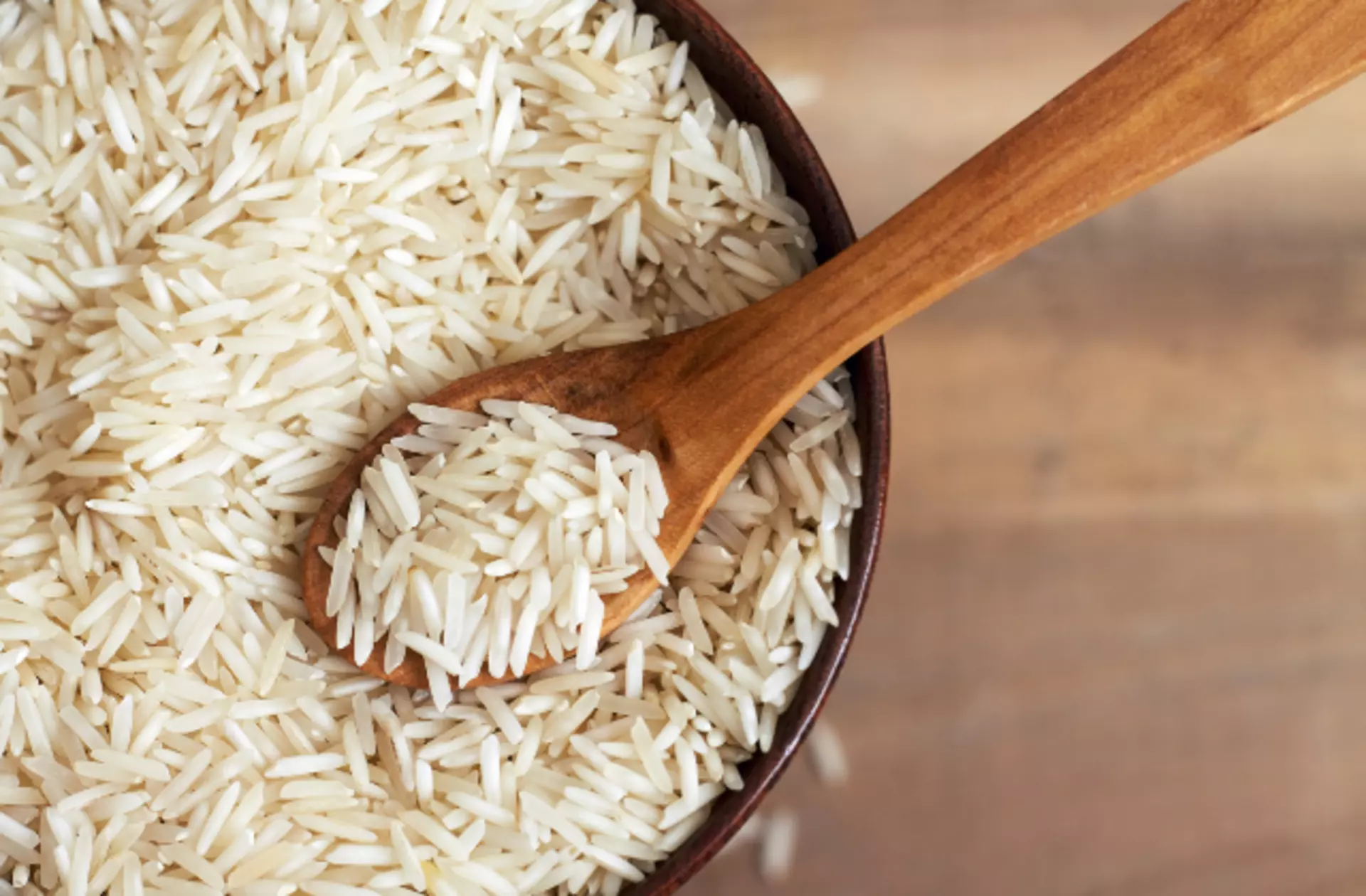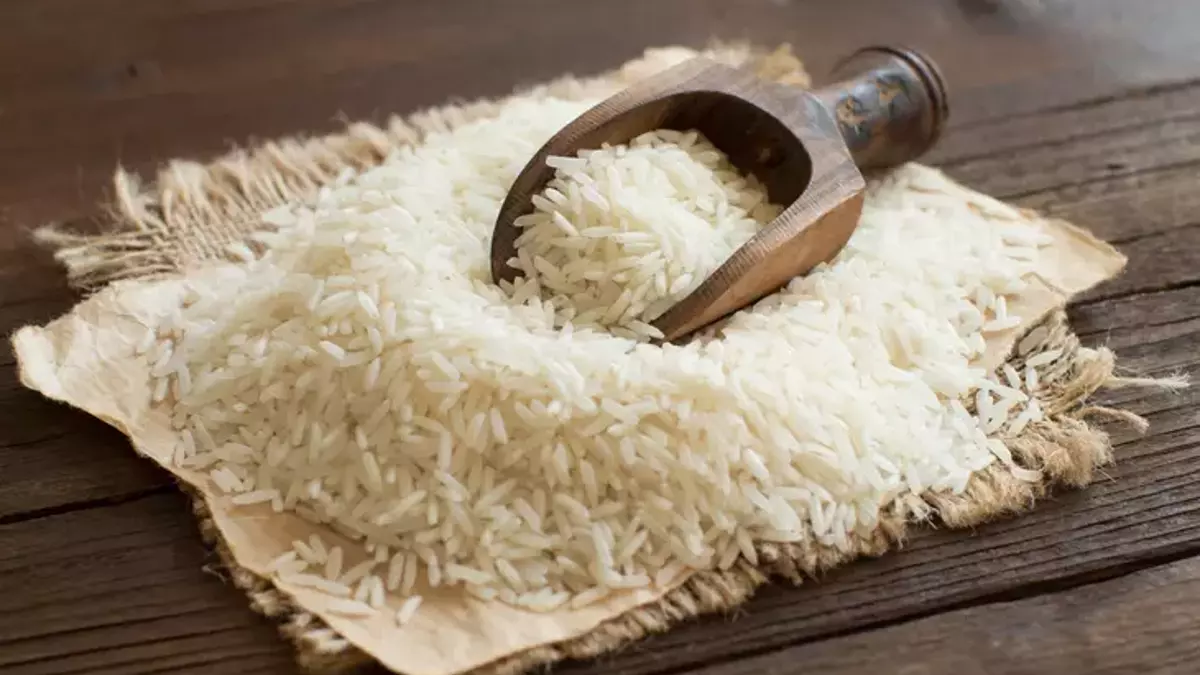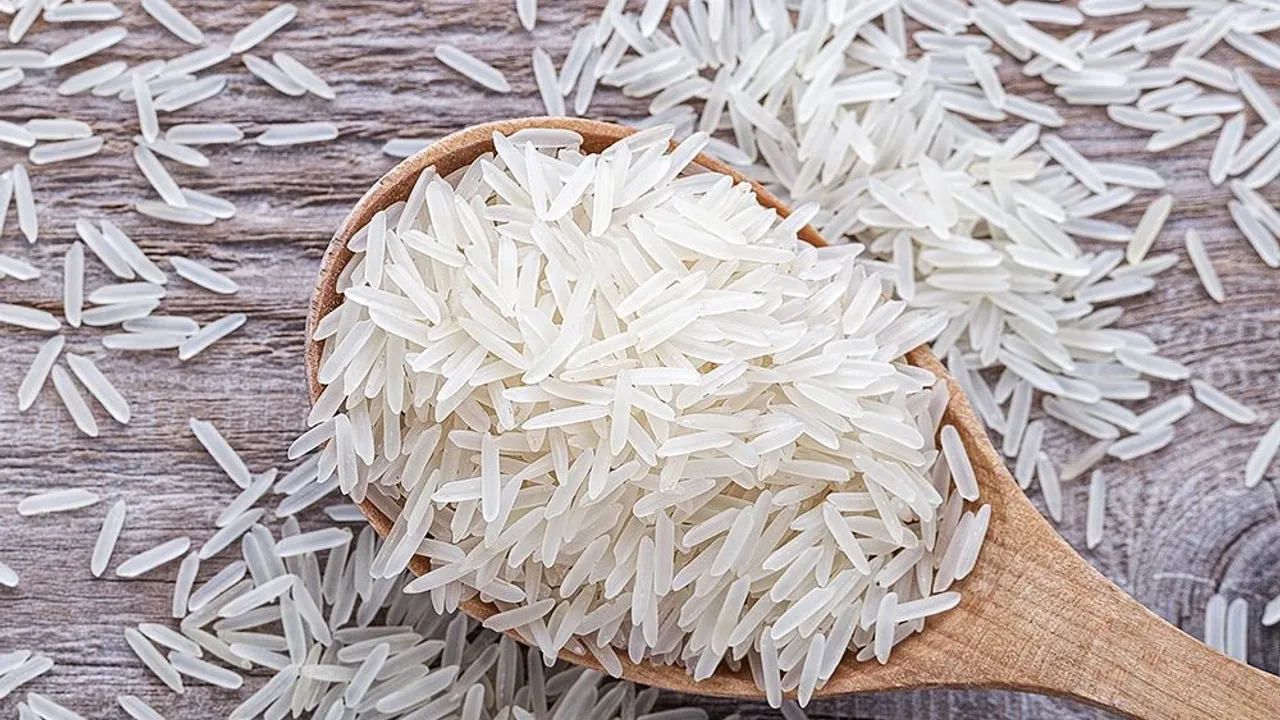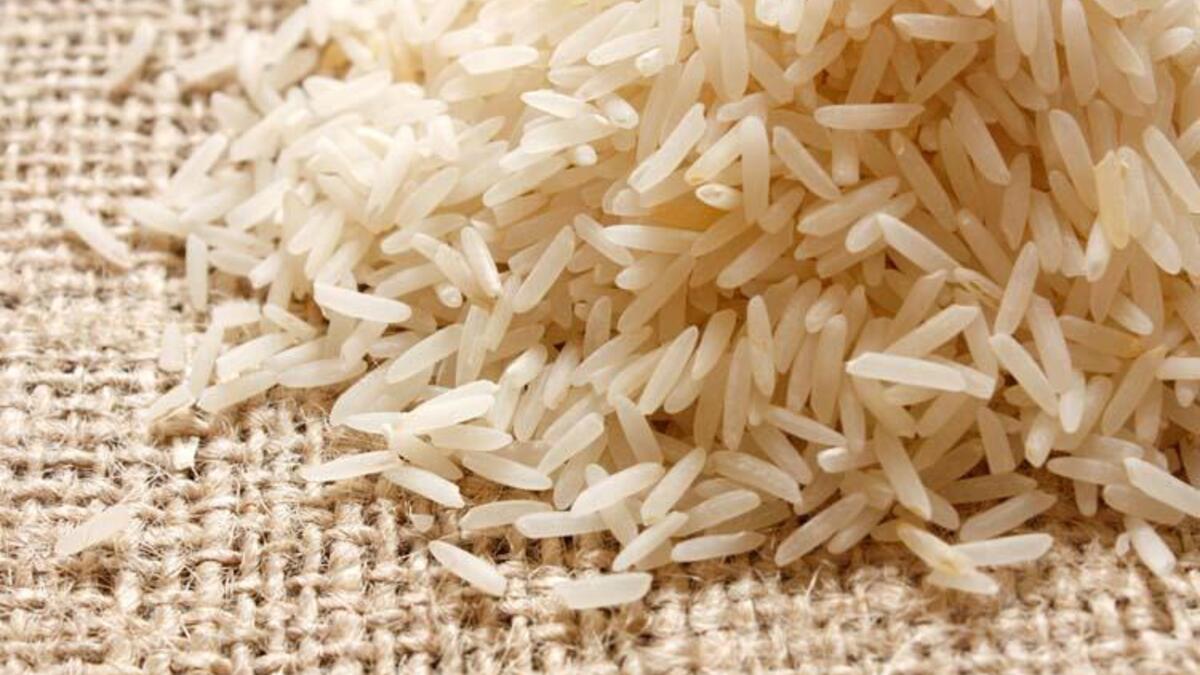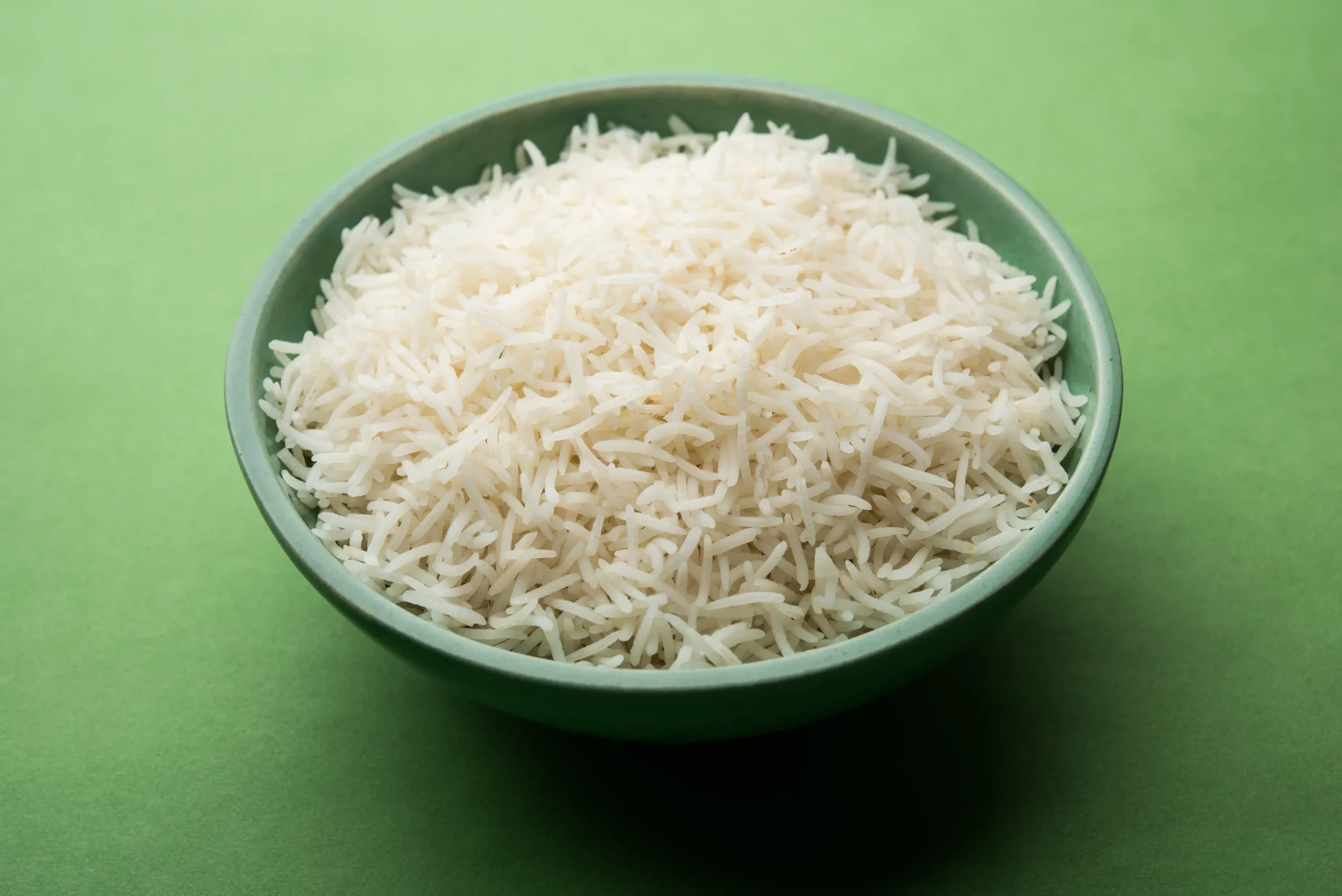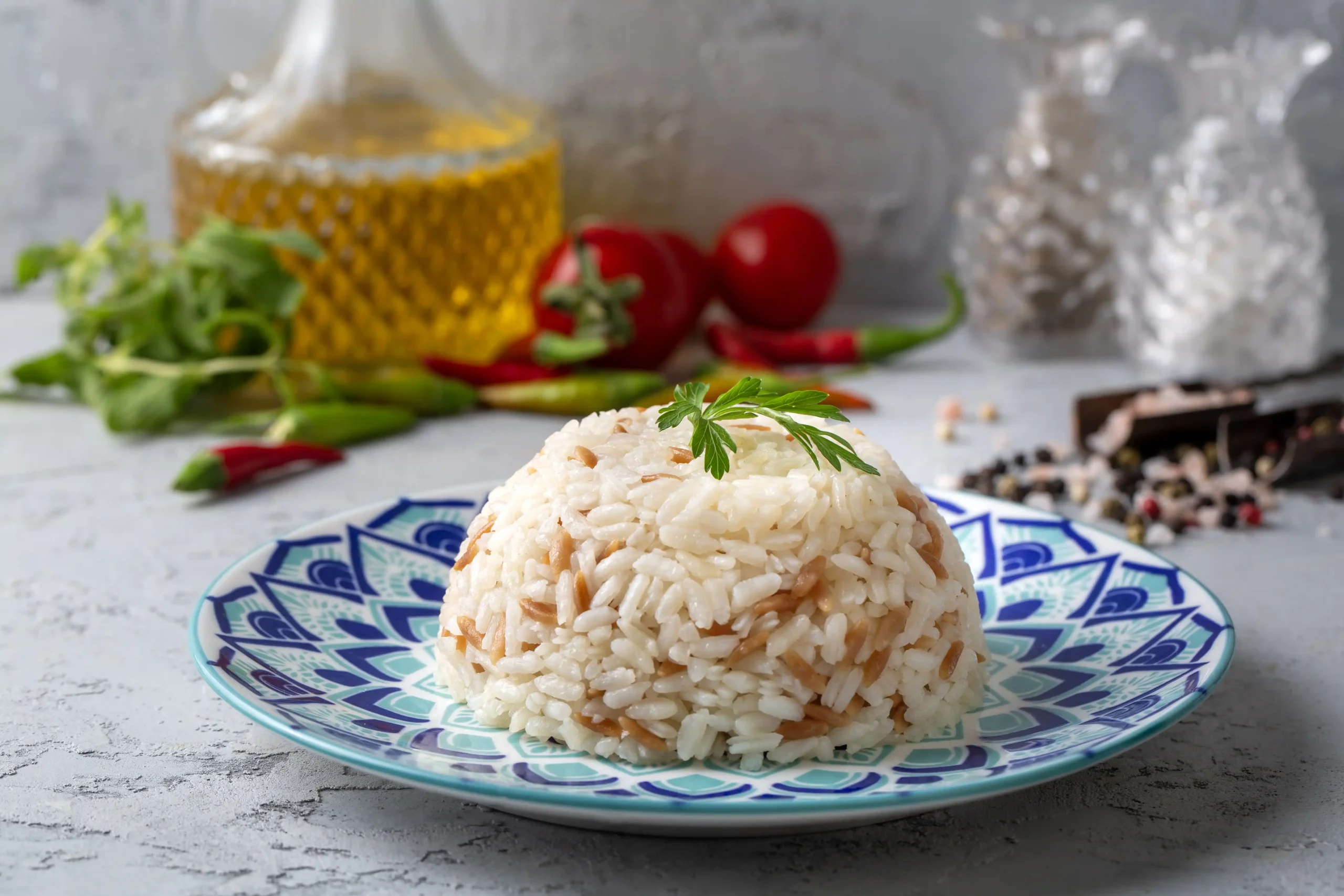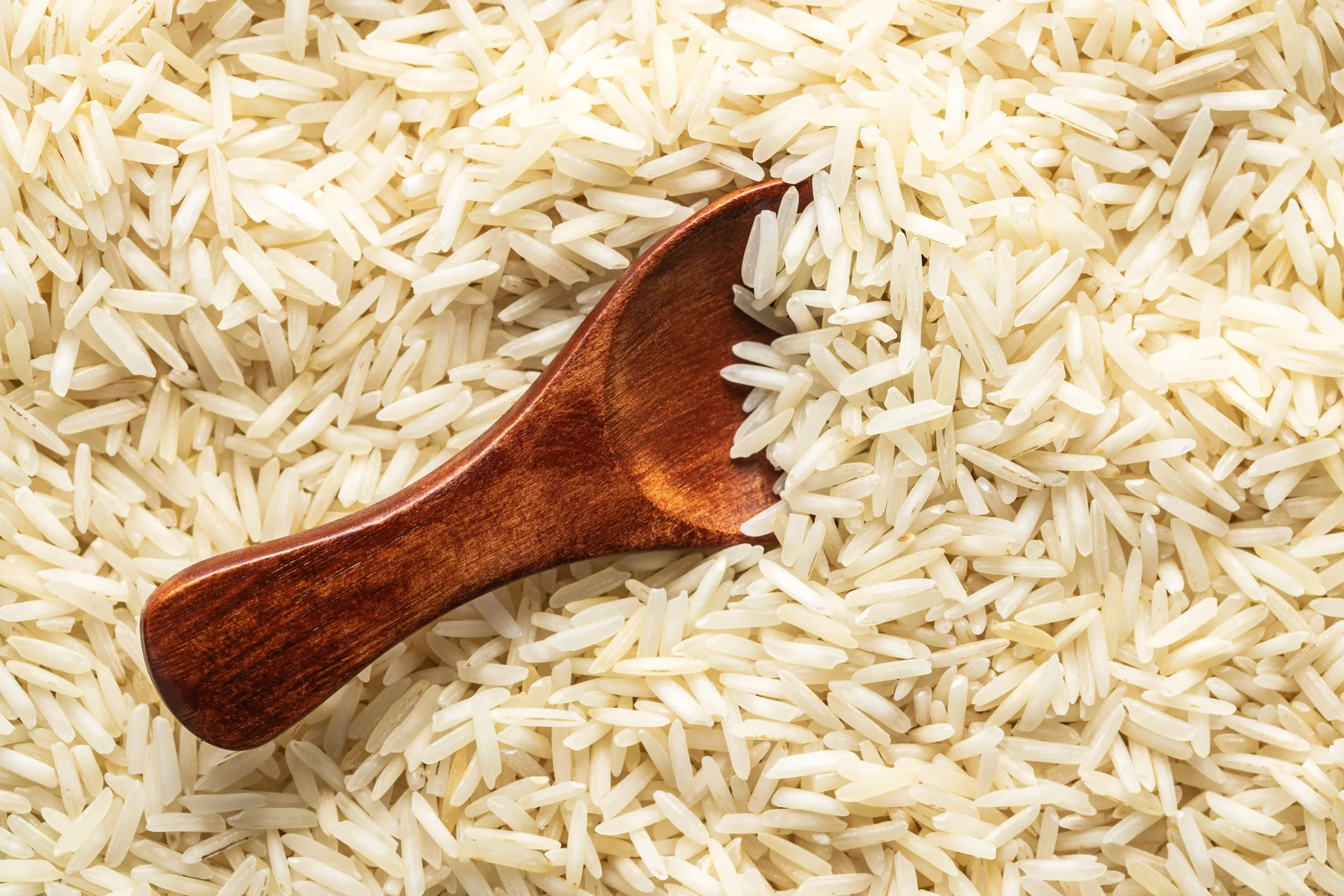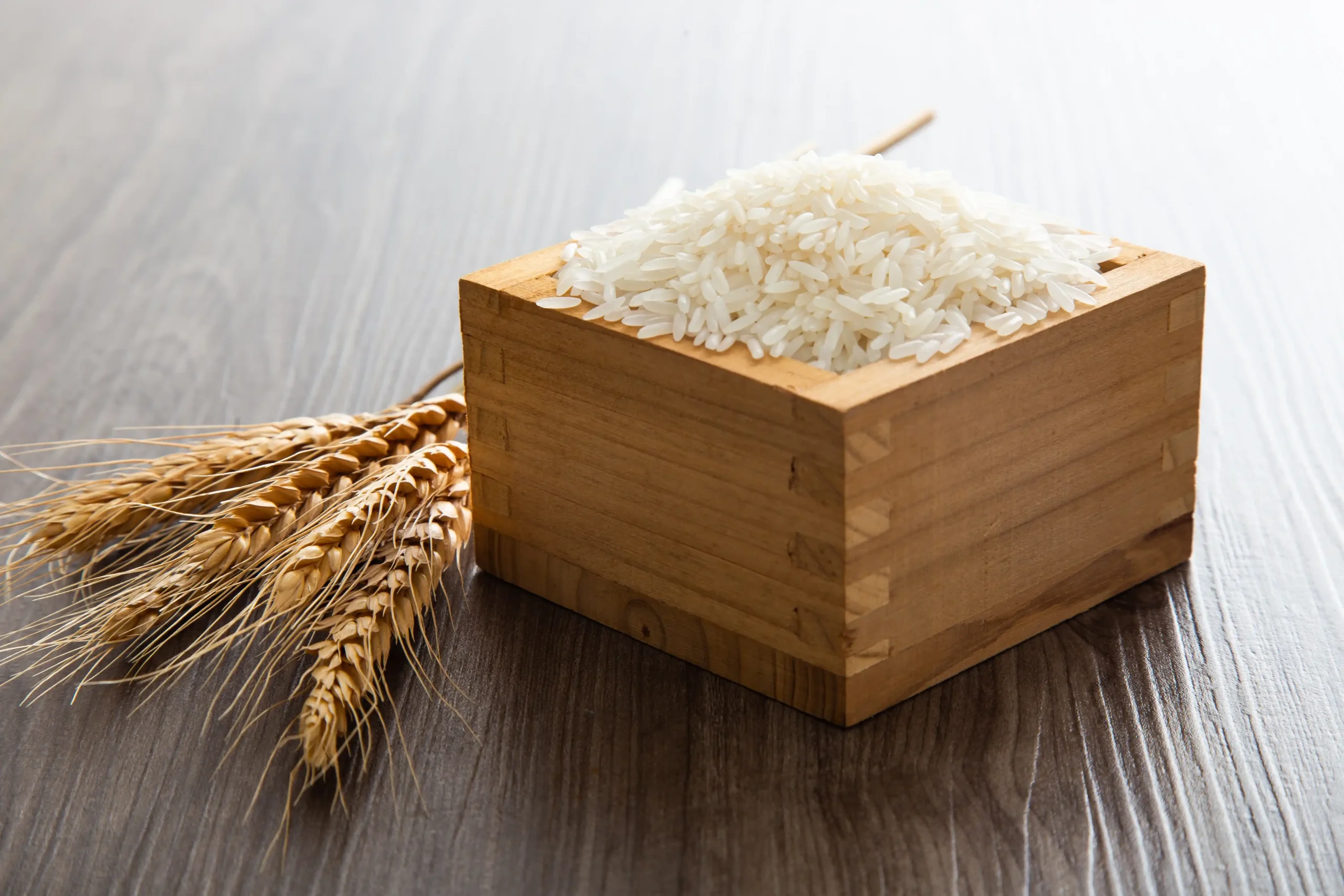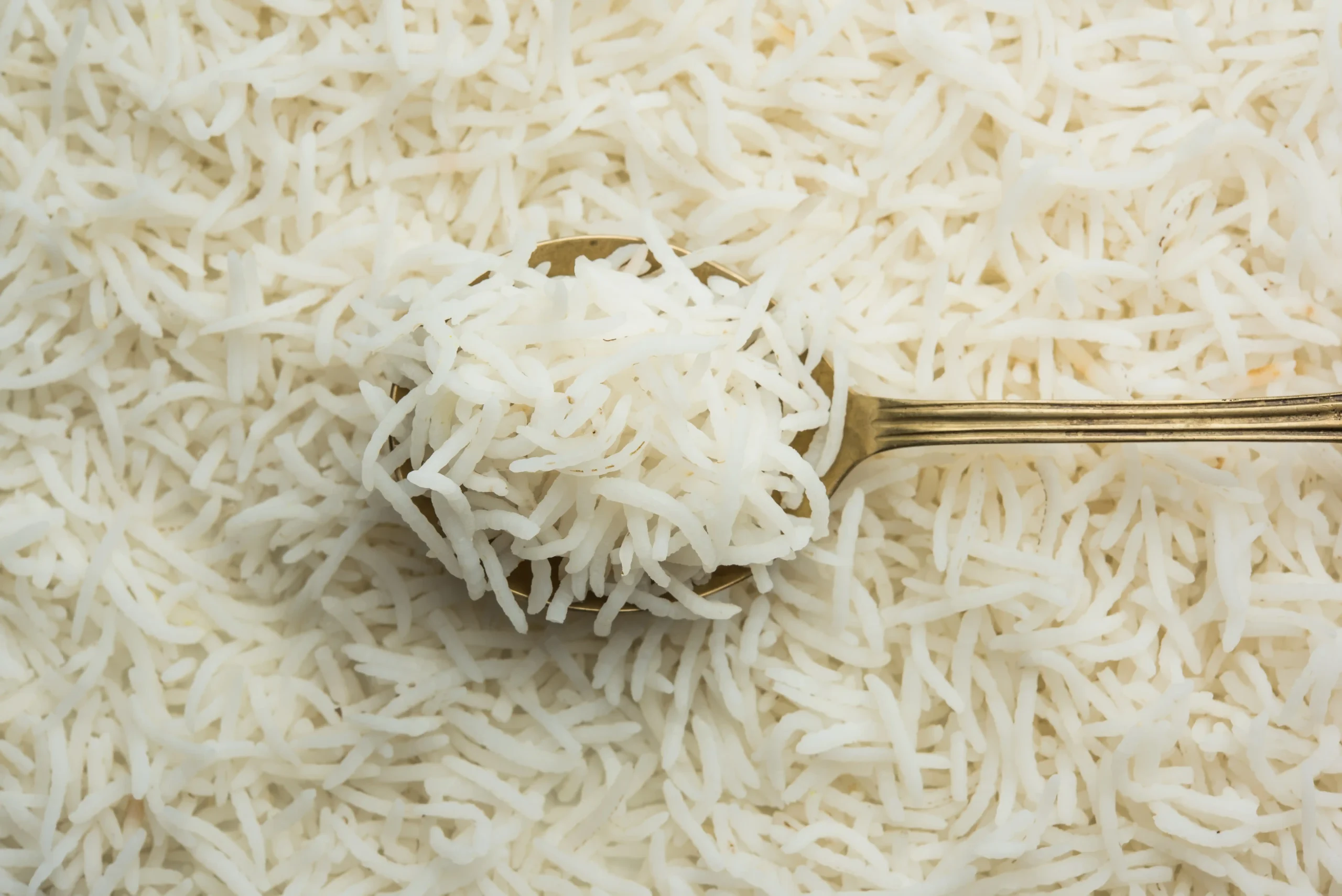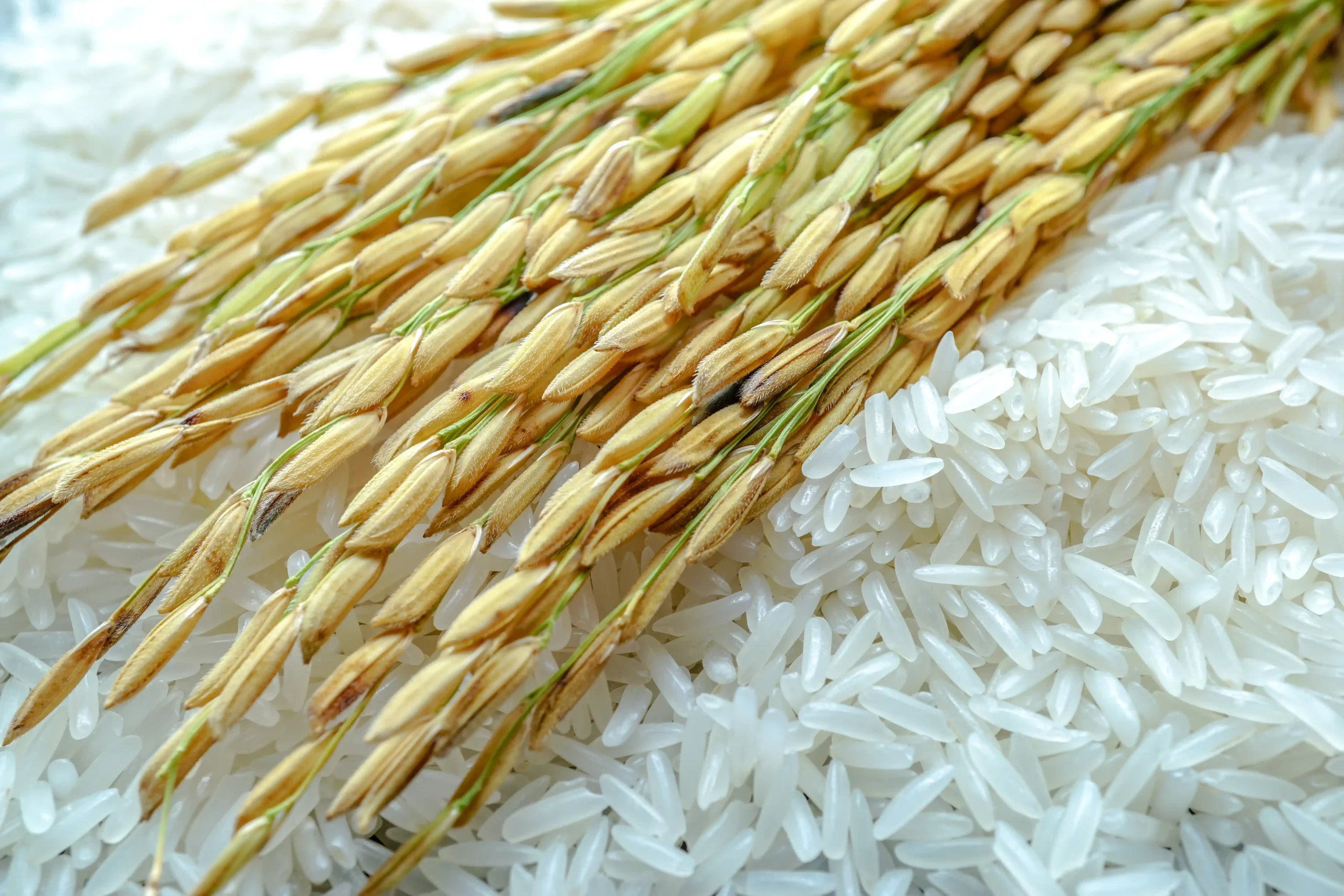
Turkish rice recipe often brings to mind a simple yet deeply satisfying pilaf that balances aroma, texture, and comfort in a single pot. In many Turkish kitchens, rice is gently sautéed before simmering, a step that helps the grains stay separate and gives the final dish a subtle, nutty depth. The goal is not stickiness but a soft, fluffy structure where each grain holds its shape. A proper Turkish rice recipe is typically served alongside stews, grilled meats, vegetable dishes, or legumes, acting as a neutral yet flavorful base that carries sauces beautifully. Once cooked, the rice is left to rest briefly, allowing steam to settle and texture to stabilize, which is considered just as important as the cooking stage itself.
Turkish rice recipe traditions also reflect hospitality and everyday practicality at the same time. The method is designed to produce consistent results whether the rice accompanies a weekday family dinner or a larger gathering table. Rinsing the grains beforehand helps remove excess surface starch, contributing to the clean, distinct texture that defines the dish. Gentle heat and controlled simmering ensure even hydration, while patience during resting prevents clumping. Beyond its technical aspects, a Turkish rice recipe represents balance: it supports bold main courses without overpowering them and adapts easily to seasonal ingredients. From simple home cooking to festive spreads, this style of rice remains a foundational element of Turkish cuisine, appreciated for both its reliability and its refined simplicity.
Turkish Rice Pilaf Recipe
Turkish rice pilaf recipe is built on technique, patience, and the right grain selection. In traditional Turkish kitchens, pilaf is never rushed; it is treated as a foundational element of the meal rather than a simple side dish. The rice is carefully rinsed to remove excess starch, helping achieve the signature fluffy and separate texture that defines a well-made Turkish pilaf. One of the most important steps is sautéing the rice gently in butter or oil before adding hot water. This brief roasting stage lightly coats each grain and enhances its structure, allowing it to cook evenly without becoming sticky.
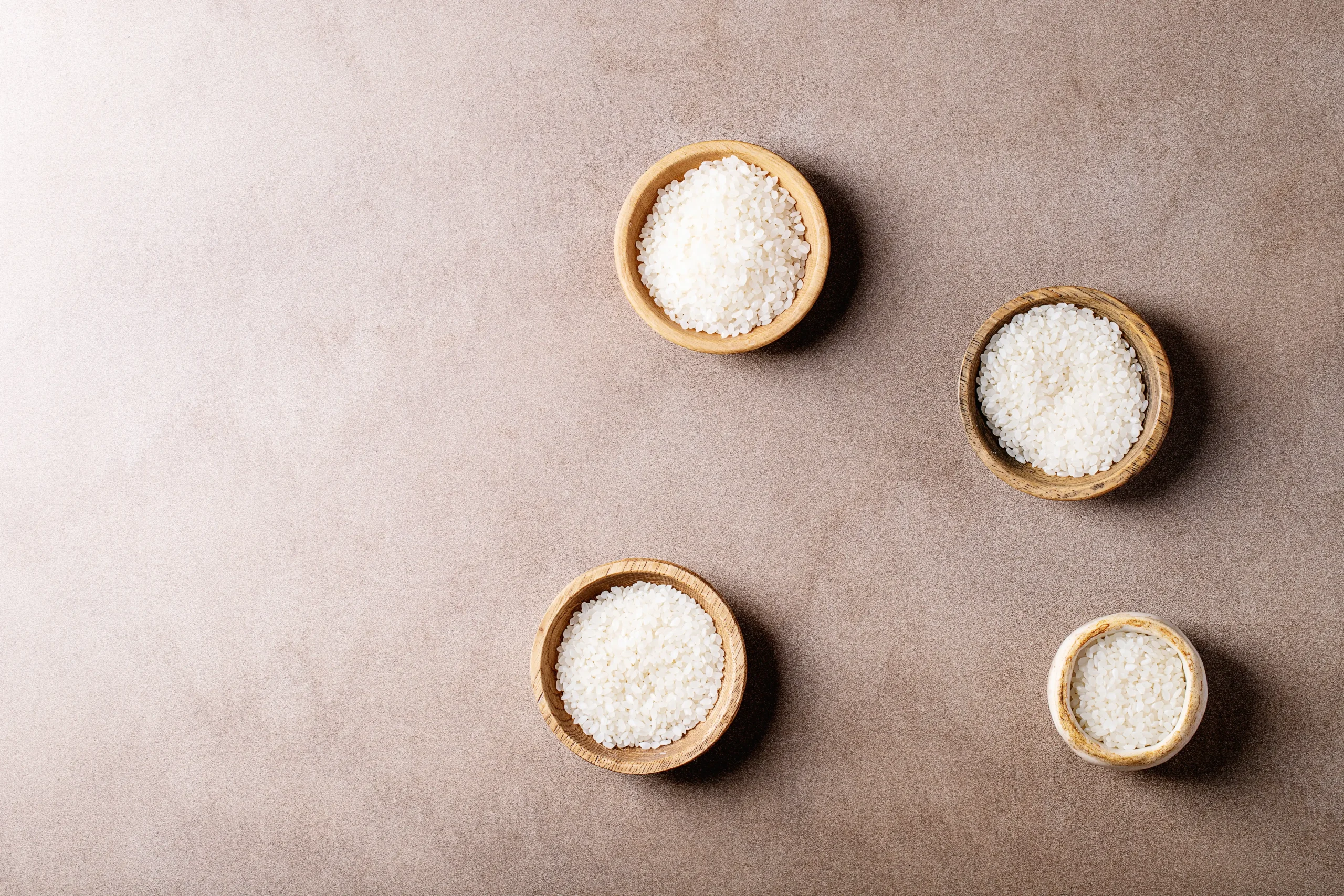
Baldo rice is widely appreciated in Turkish cuisine because of its short, plump grains and high starch balance, which create a soft yet distinct bite when cooked correctly. A successful pilaf typically follows several key principles:
- Rinse the rice until the water runs clear to reduce surface starch.
- Allow the rice to sauté briefly in fat to strengthen grain structure.
- Add hot broth or water and cook on low heat without stirring.
- Let the pilaf rest covered after cooking to stabilize texture.
When prepared with care, Turkish rice pilaf complements grilled meats, vegetable dishes, legumes, and stews while maintaining its own delicate flavor profile. The result is a balanced dish where texture and aroma work together harmoniously.
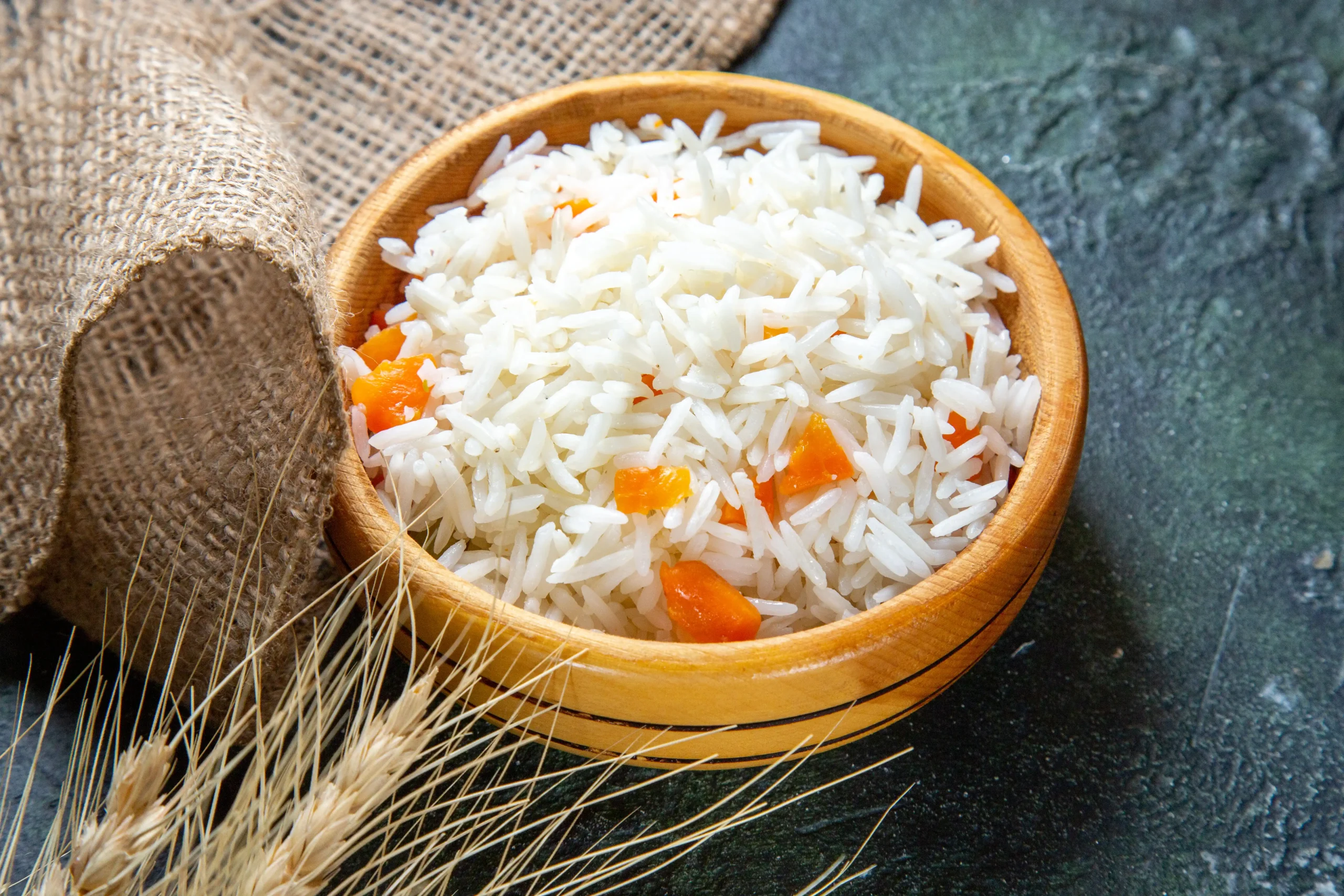
Authentic Turkish Rice Recipe
An authentic Turkish pilaf recipe reflects both culinary tradition and ingredient quality. While the method appears simple, consistency depends heavily on choosing a rice variety that can absorb flavor without losing its shape. In Turkey, Baldo rice is often preferred because its rounded grains expand beautifully during cooking and remain tender without turning mushy. Its structure allows it to absorb butter or broth while still delivering a clean, separated finish on the plate.
Authenticity also lies in respecting the cooking stages. Rather than stirring frequently, the rice is left undisturbed to steam gently, allowing moisture to distribute evenly. This method creates the recognizable light, fluffy texture served in homes and restaurants across Turkey. The essential elements of this approach include:
- Selecting a high-quality, medium-grain rice known for balanced starch content
- Using controlled heat to prevent rapid boiling
- Allowing sufficient resting time after cooking
Toward the premium end of the spectrum, Mahmood Rice Baldo stands out for its polished appearance and reliable cooking performance. Its grain structure aligns well with traditional Turkish techniques, making it a suitable choice for those seeking consistent results in authentic preparations. When quality rice meets careful technique, the outcome is a refined yet comforting staple that defines Turkish dining culture.