




A premium basmati rice variety distinguished by its extra-long, slender grains, bright white appearance, and distinctive aroma. It remains fluffy during cooking, does not fall apart, and preserves its elegant texture. With its refined appearance and balanced cooking performance, it is an ideal choice for both everyday meals and carefully prepared presentations.
XXL White Basmati Rice


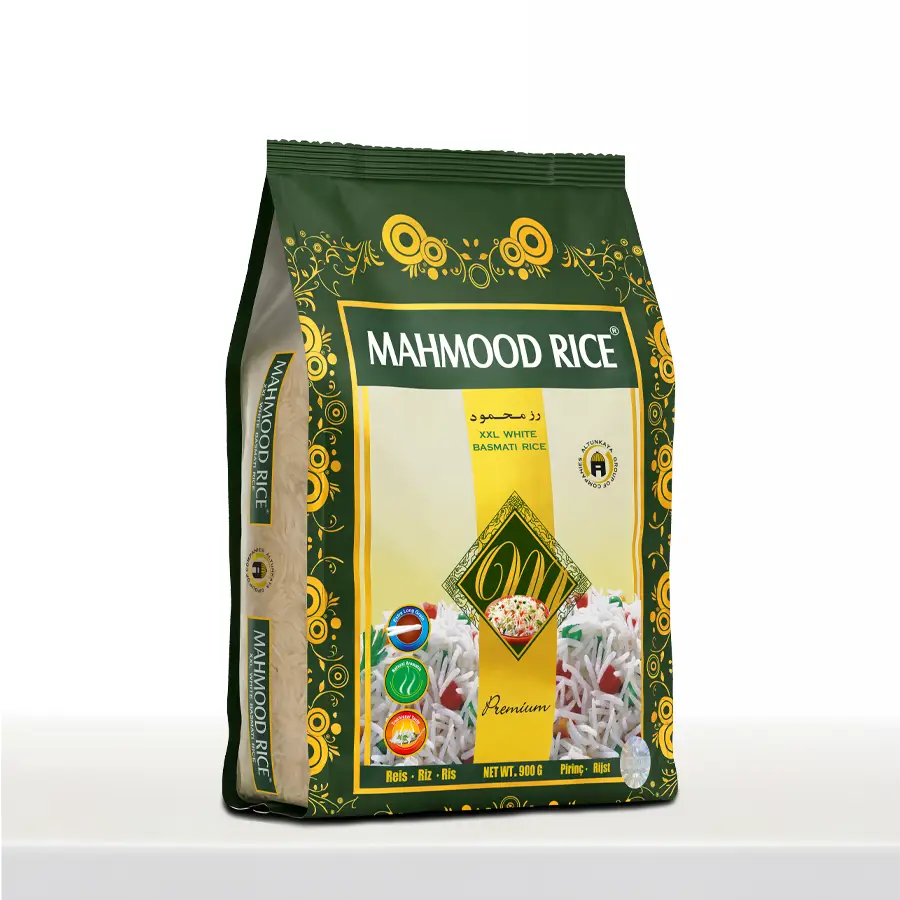
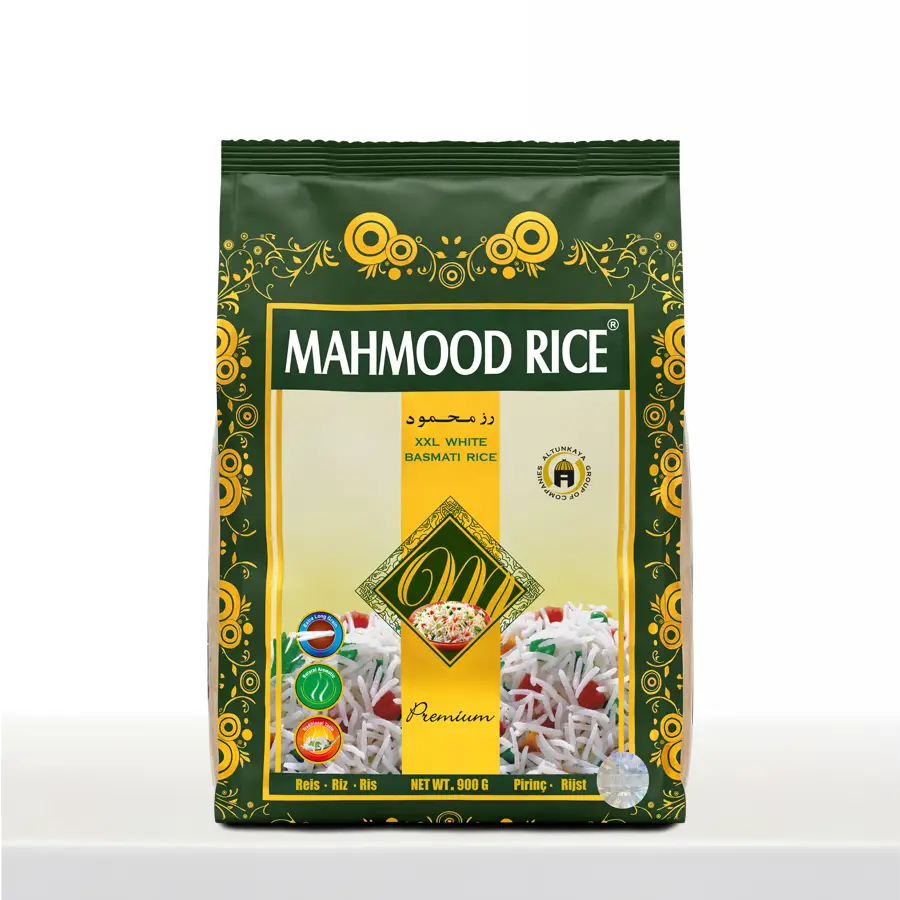
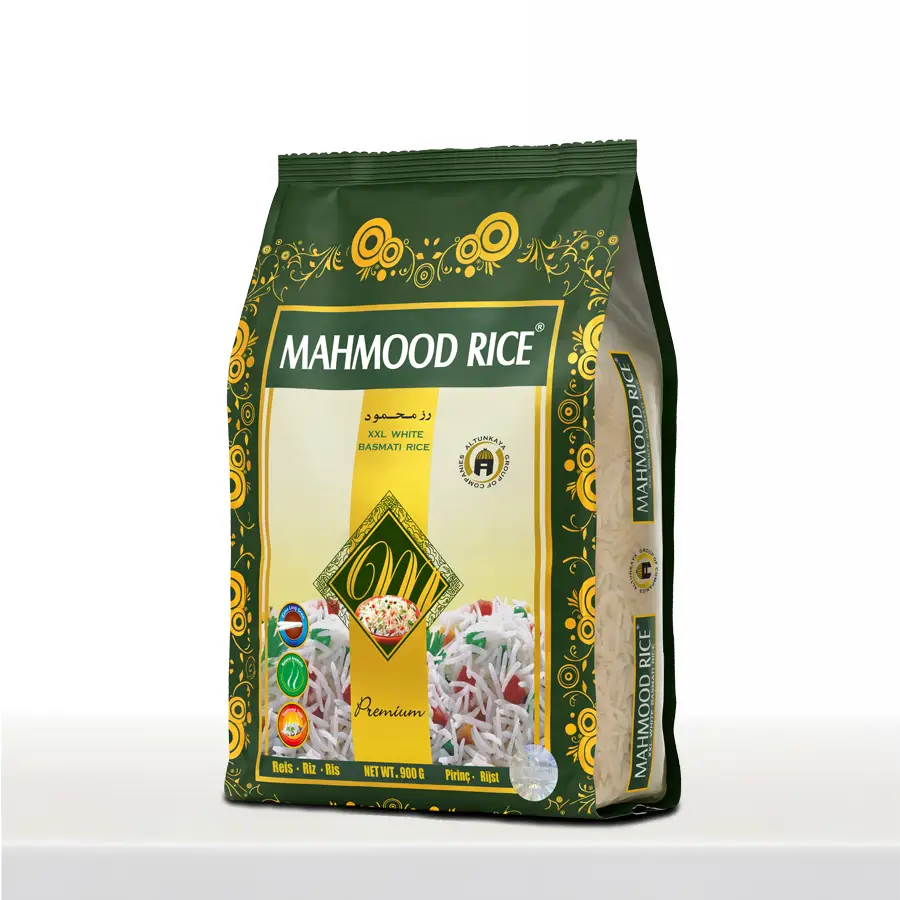
900 gr
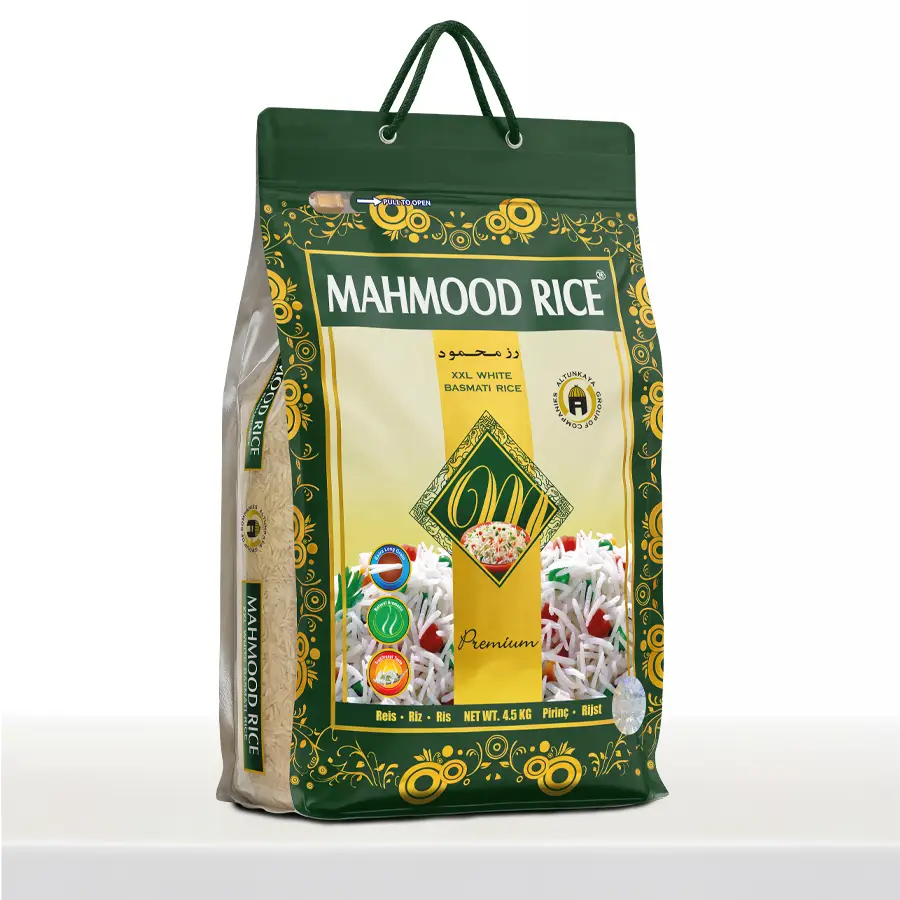
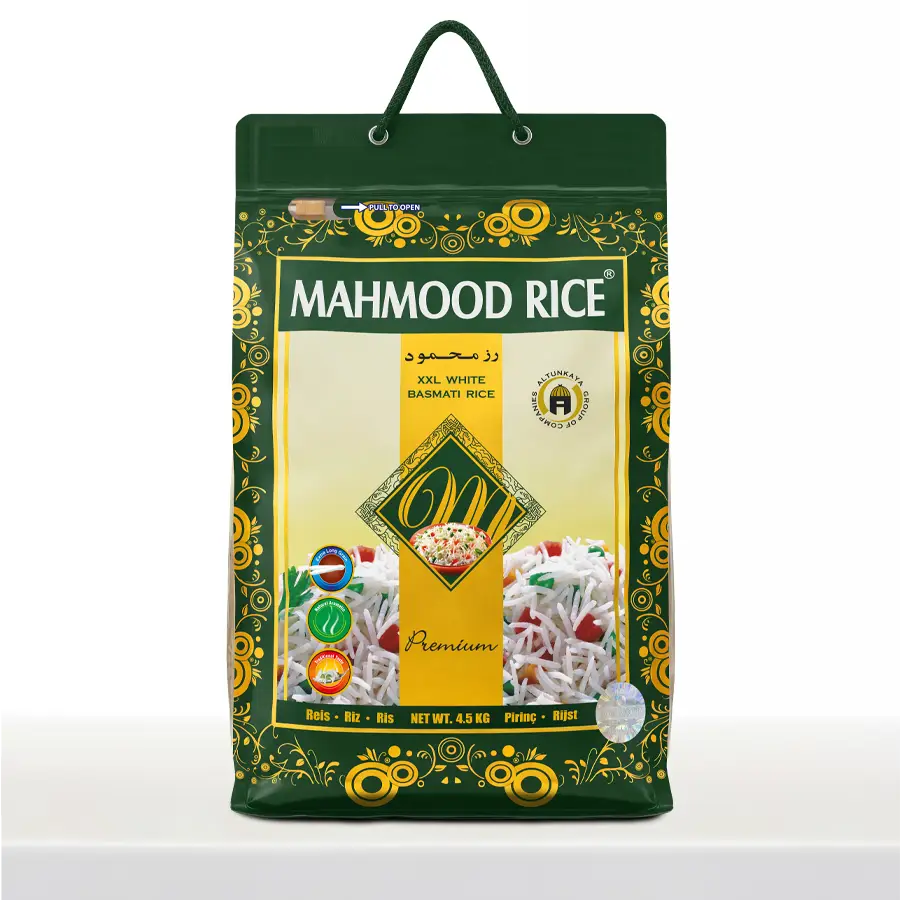
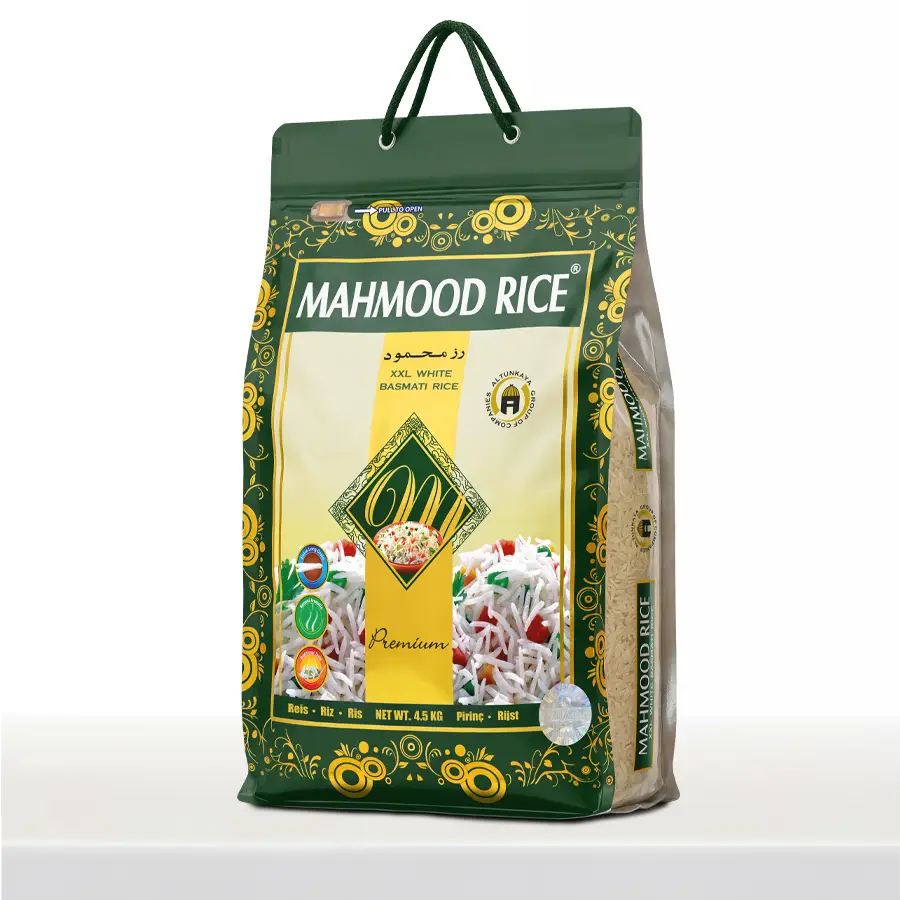
4,5 Kg
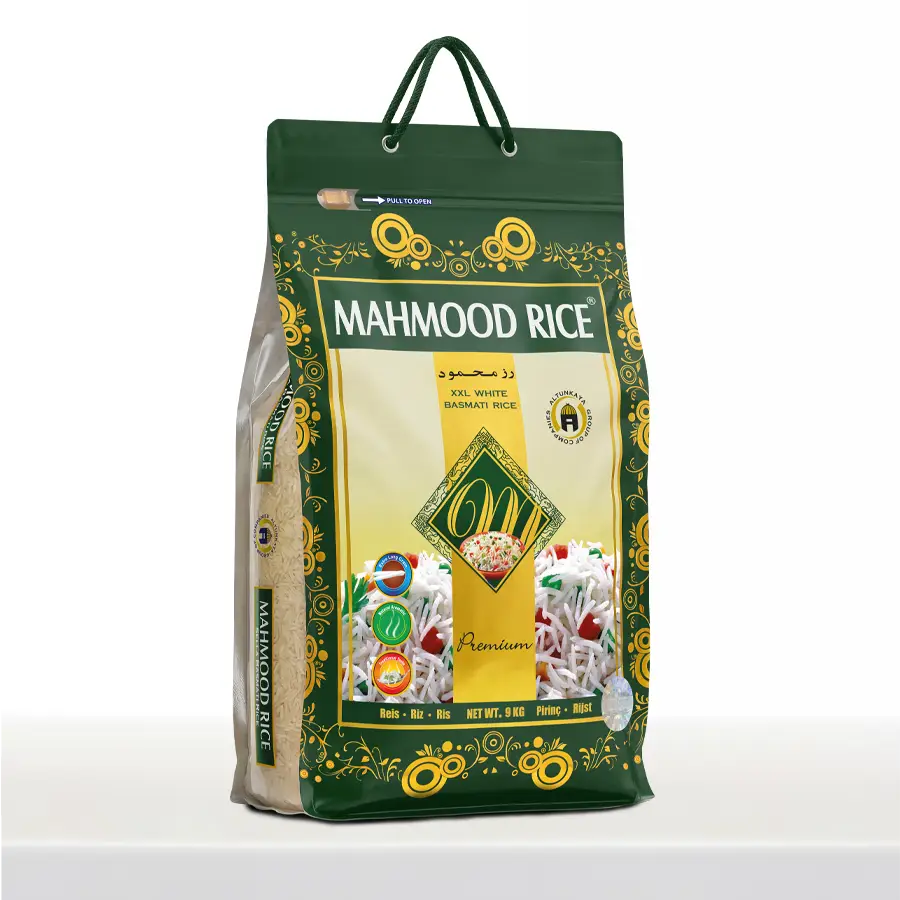
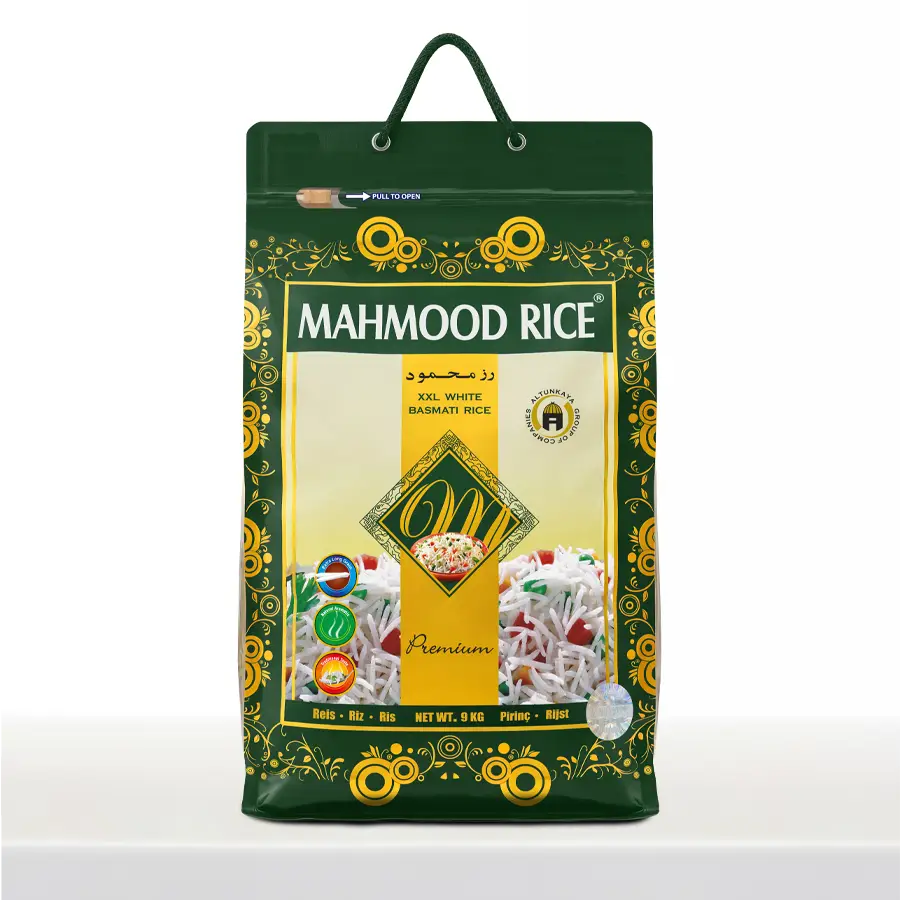
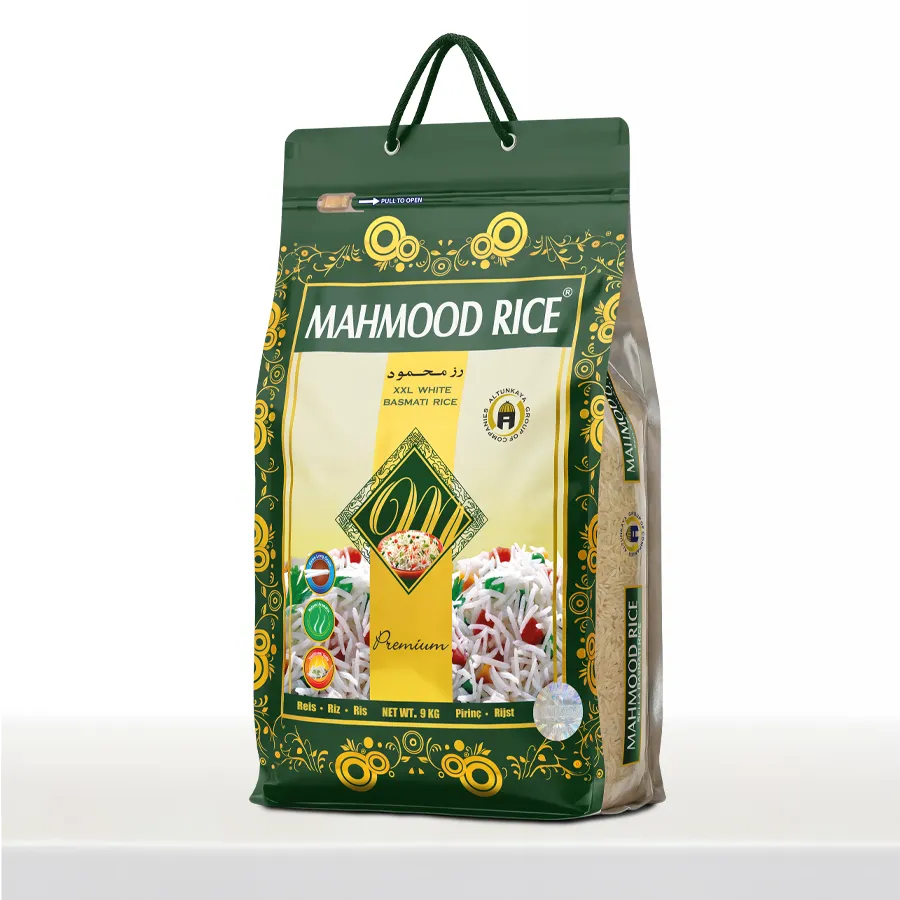
9 Kg
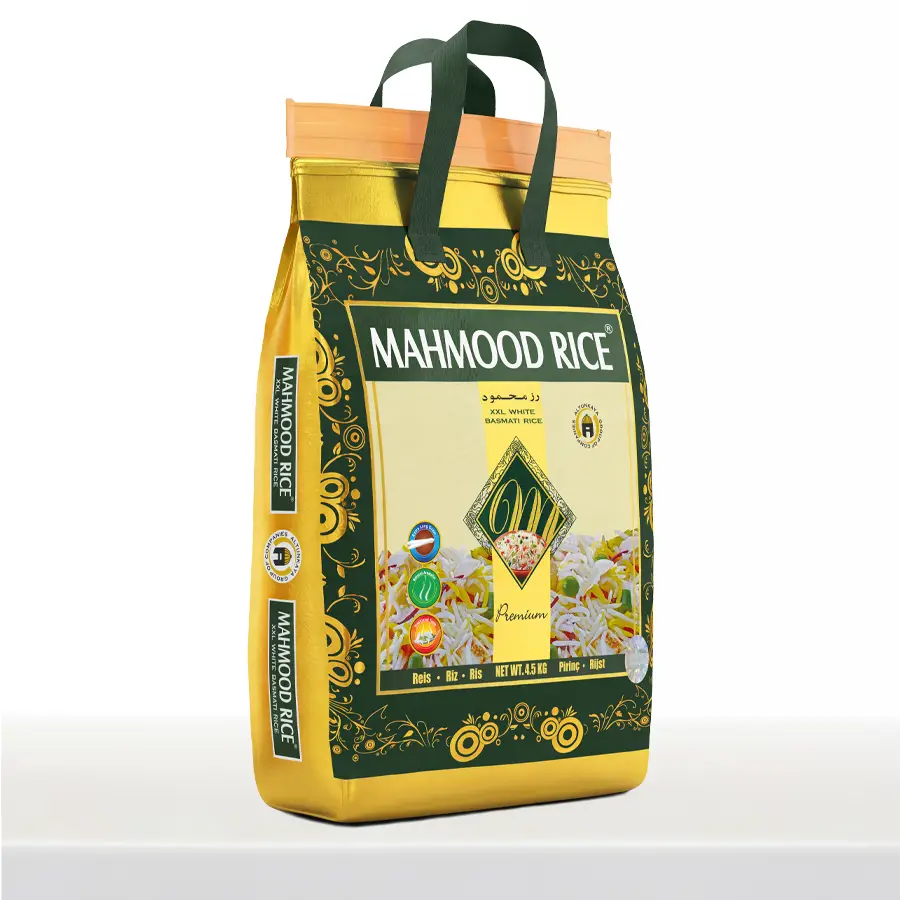
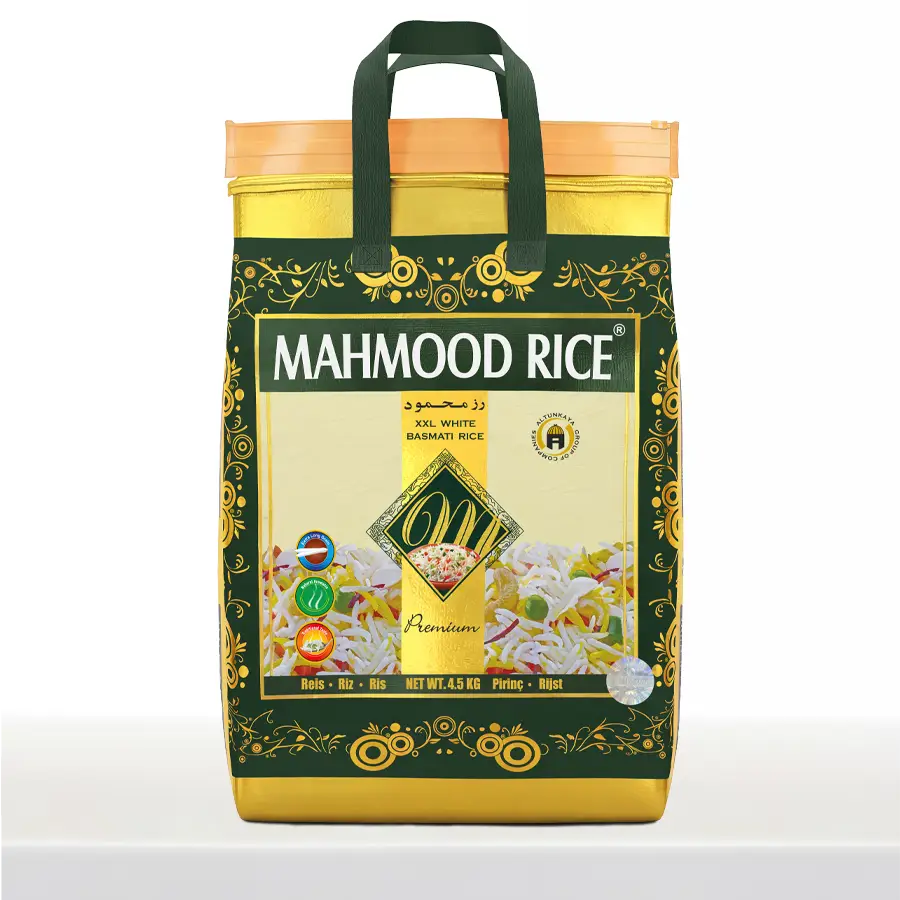
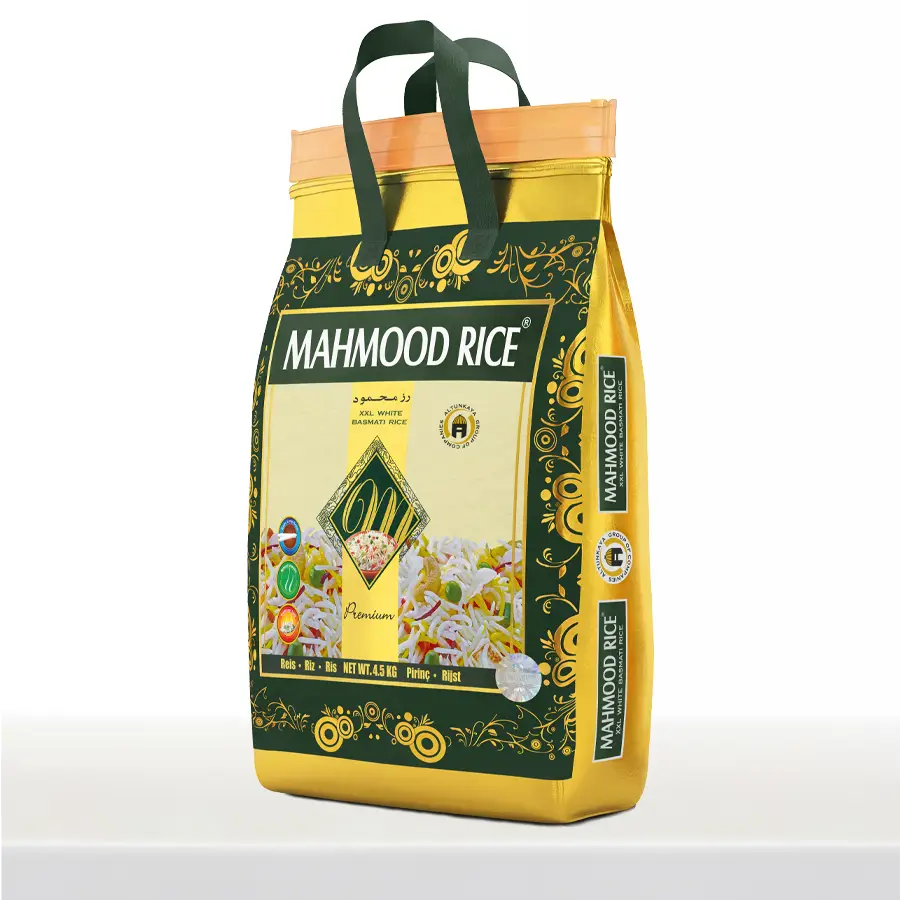
4,5 Kg
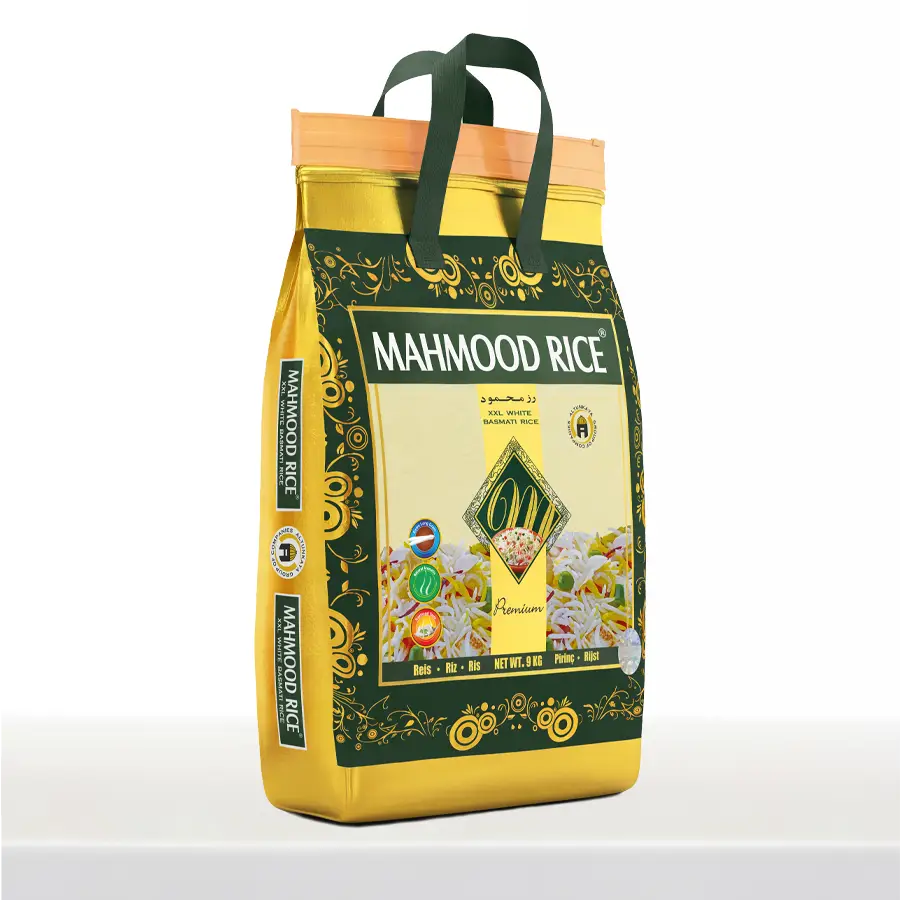
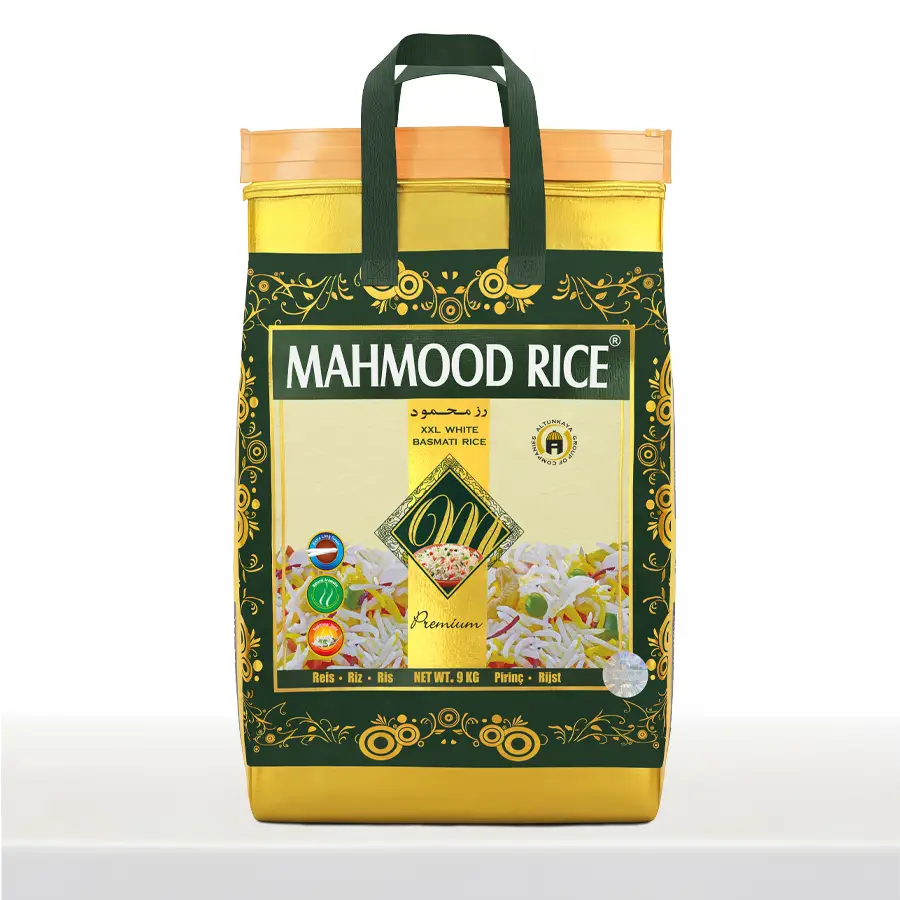
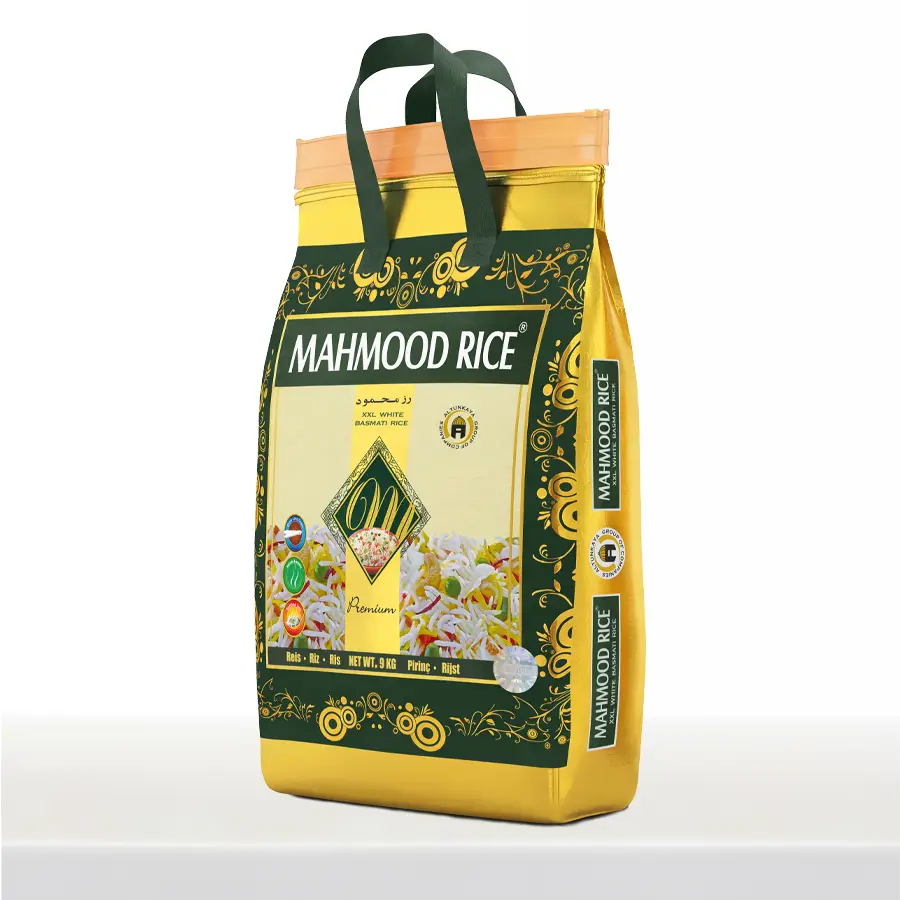
9 Kg
XXL White Basmati Rice Features
Unlike the Sella process, steaming is carried out under lower heat and controlled humidity conditions. This special process gives the product the following advantages:
- Helps preserve the rice’s natural white color.
- Retains the authentic Basmati aroma in a milder profile.
- Thanks to the light steaming process, the grains cook easily, do not stick, and hold their shape.
- Enhances presentation with its white appearance and bright grains.
XXL White Basmati Rice Cooking Instructions
There are several ways to cook XXL White Basmati Rice:


1. Before cooking, soak the rice in warm water for 35 minutes, then drain.
2. Place the rice in a microwave-safe container with a lid, add boiling water, and cook at 1000W for about 5 minutes.
3. Then reduce the power and continue cooking at 500W for another 15–20 minutes.
4. Once cooking is complete, let the rice rest for 10–15 minutes.
1. Before cooking, soak the rice in warm water for 35 minutes, then drain.
2. Add the drained rice to boiling water and cook over medium heat with the lid on for 10–15 minutes.
3. After turning off the heat, let it rest for 10–15 minutes.
1. Before cooking, soak the rice in warm water for 35 minutes, then drain.
2. Add the rice and water to the rice cooker; use the white rice setting or automatic mode.
3. Once cooking is complete, let the rice rest for 10–15 minutes.
1. Before cooking, soak the rice in warm water for 35 minutes, then drain.
2. Preheat the oven to 400°F. Add water to an oven-safe dish with a lid and bring it to a boil.
3. Add the rice to the boiling water and cook with the lid on for 15–20 minutes.
4. Once cooking is complete, let the rice rest for 10–15 minutes.

Thanks to its natural composition and special steaming method, XXL White Basmati Rice offers a practical and balanced option for everyday meals. Known for its easy-to-digest structure, lower glycemic index compared to traditional short-grain rice, and ability to support longer-lasting satiety, XXL White Basmati Rice can be easily included in meal plans as a source of carbohydrates. Its slender, extra-long grains also make it an ideal choice for those who value bright, elegant, and visually refined presentations.
Known for its versatility, XXL White Basmati Rice delivers excellent results in both traditional recipes and modern culinary applications. Thanks to its bright white color, distinctive aroma, and fluffy texture after cooking, it can be used with ease in everything from everyday meals to refined presentations. Widely used across global cuisines, XXL White Basmati Rice pairs well with many different recipes thanks to its balanced flavor and elegant appearance.
XXL White Basmati Rice can be used in a wide range of dishes, from saffron, almond, vegetable, or butter rice pilafs to global recipes such as biryani, pilaf, fried rice, and curry rice. It creates an ideal base for plates served with meat and chicken dishes, while also delivering excellent results as a filling for stuffed vegetables. It also stands out in cold rice salads, side dishes, and milk-based desserts such as Turkish rice pudding or rice pudding thanks to its delicate texture and aromatic character.
- Use 3 cups of water for every 1 cup of rice.
- Before cooking, soak the rice in warm water for 35 minutes, then drain.
- Add the drained rice to boiling water.
- Cook over medium heat with the lid on for 10–15 minutes.
- After removing it from the heat, let it rest for 10–15 minutes without opening the lid.
- Your rice is ready to serve.
Note: If the cooked rice feels too firm for your taste, use more water next time; if it feels too soft, use less water.
Soaking helps the rice grains absorb water more evenly. As a result, the grains expand more consistently during cooking, develop a longer appearance, and separate more easily.
When done for the proper amount of time, soaking improves cooking performance and helps the rice achieve a more balanced texture.
XXL White Basmati differs from Basmati Classic Steam with its thinner and longer grains. Although both rice varieties go through similar production processes, the steaming stage is applied slightly more intensively in XXL White Basmati. This difference in processing gives the grains a whiter and brighter appearance while also helping preserve the distinctive basmati aroma.
The main difference between Basmati Rice and Baldo Rice lies in their grain structure, texture, and aroma. With its long-grain structure, Basmati Rice delivers a light, fluffy texture after cooking, while Baldo Rice, thanks to its medium-grain structure, offers a creamier consistency. Basmati Rice stands out with its natural aroma, whereas Baldo Rice has a more neutral flavor. For this reason, Basmati Rice is preferred for lighter, fluffier, and more aromatic dishes, while Baldo Rice is better suited for recipes that call for a richer, denser texture.